.svg&w=384&q=75 "naujapitch logo")
France vs Spain: World Cup Semi-finals Clash Preview
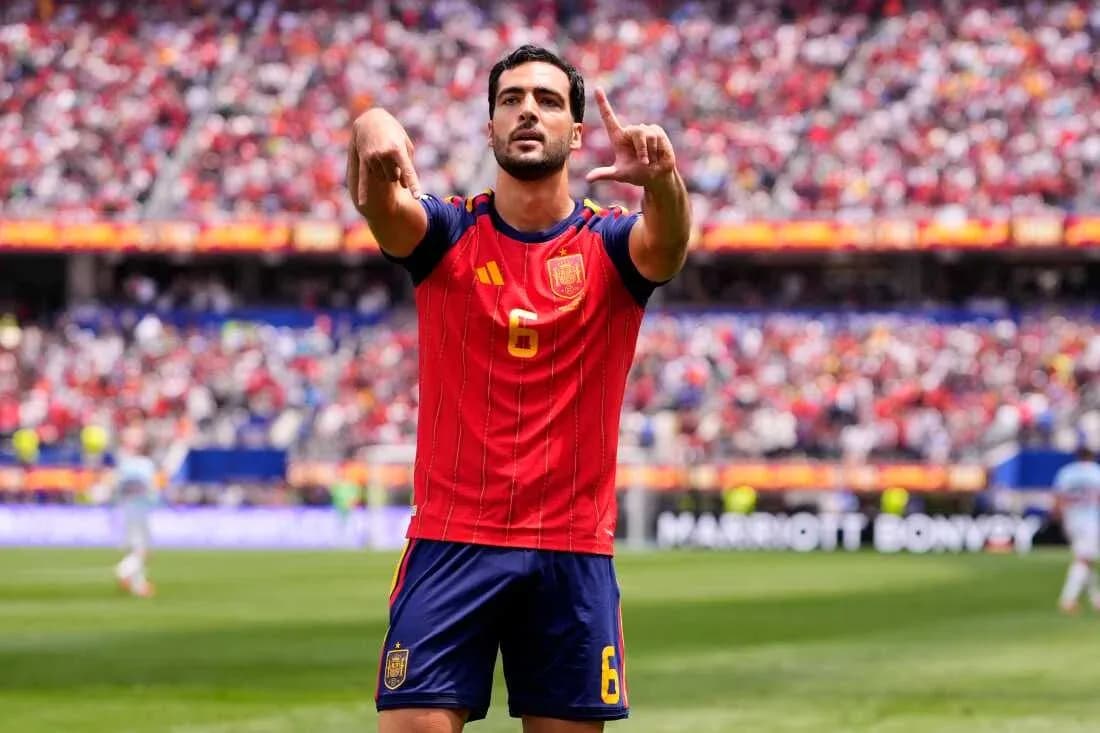
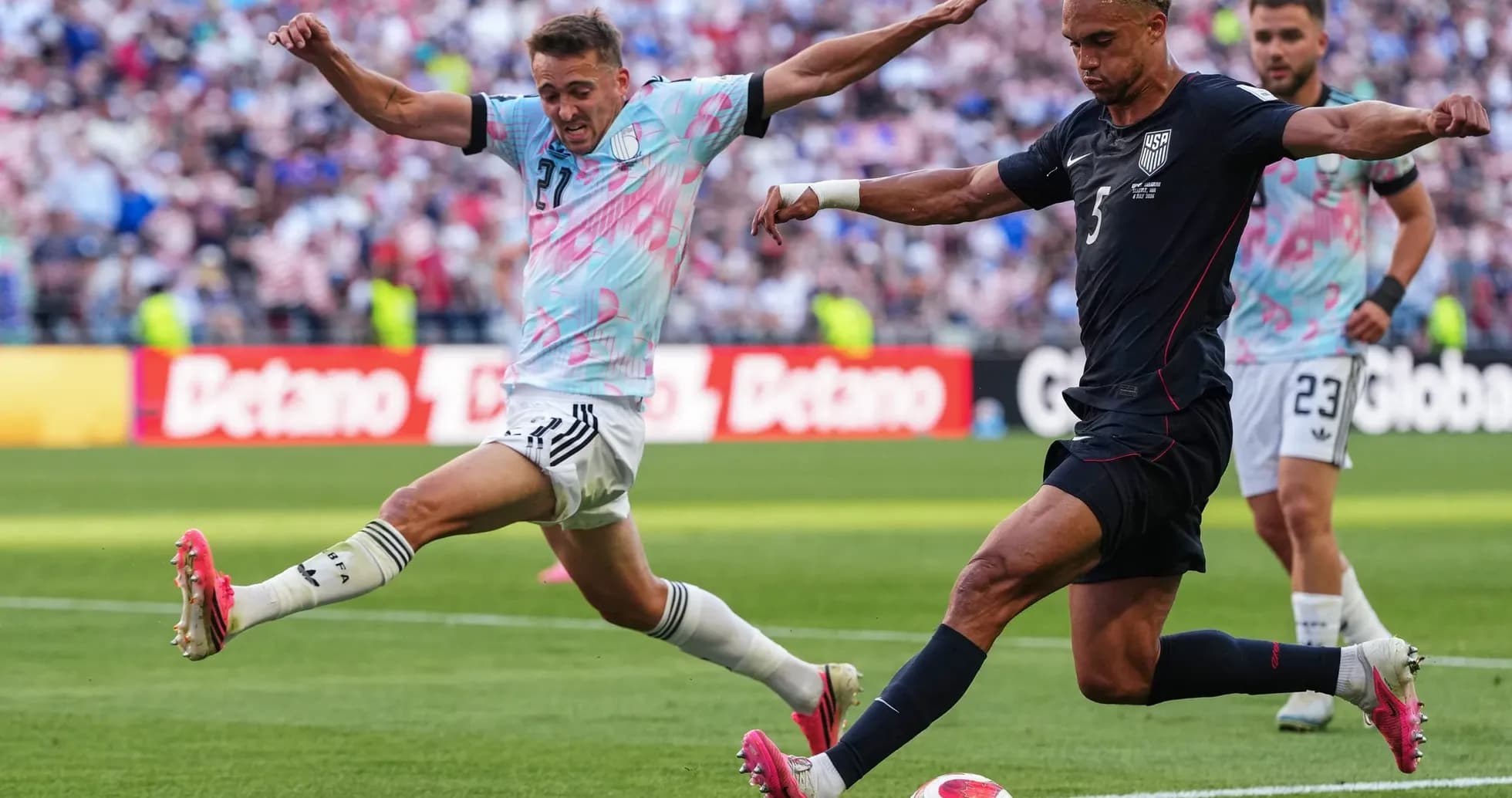
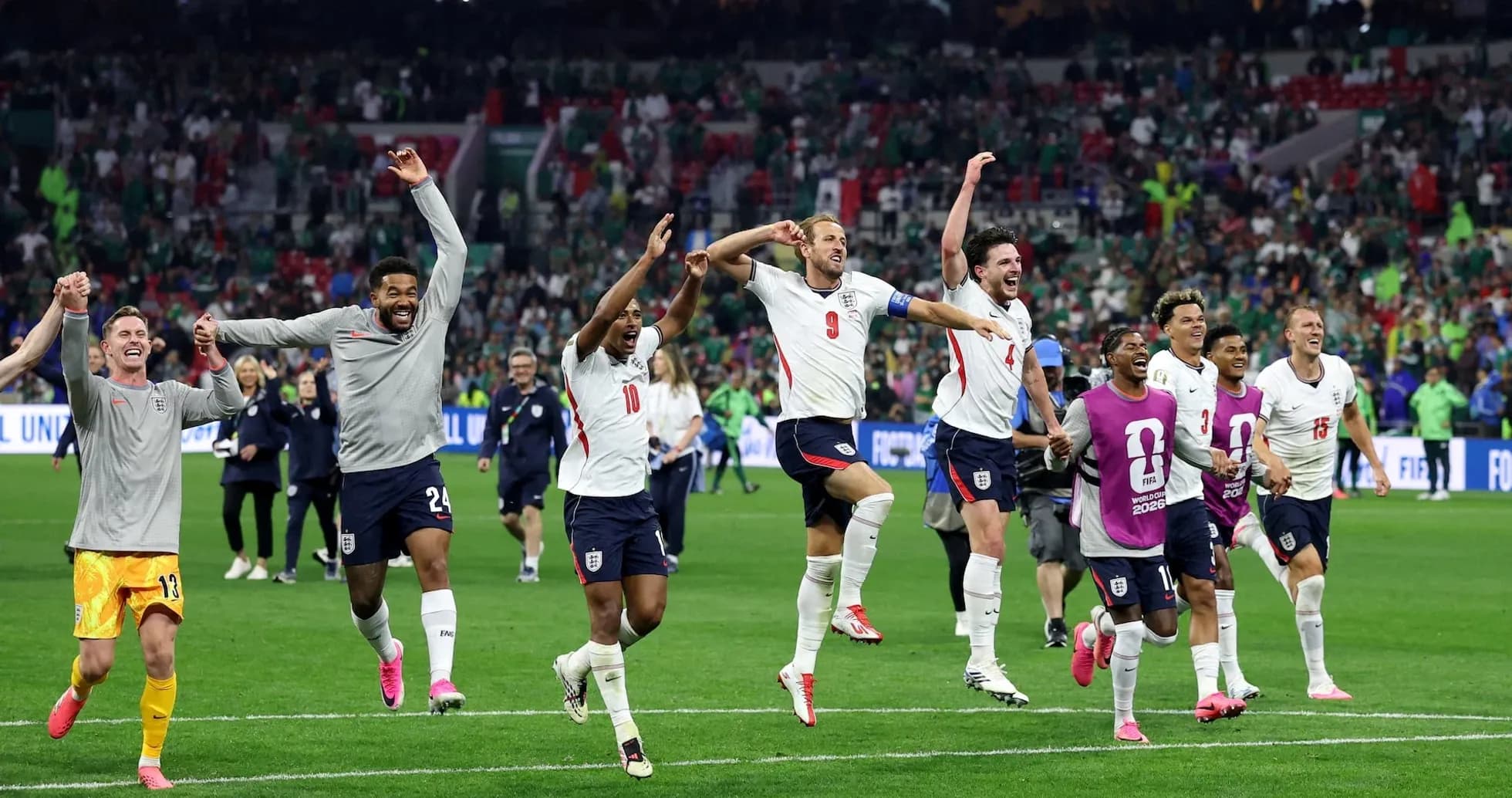
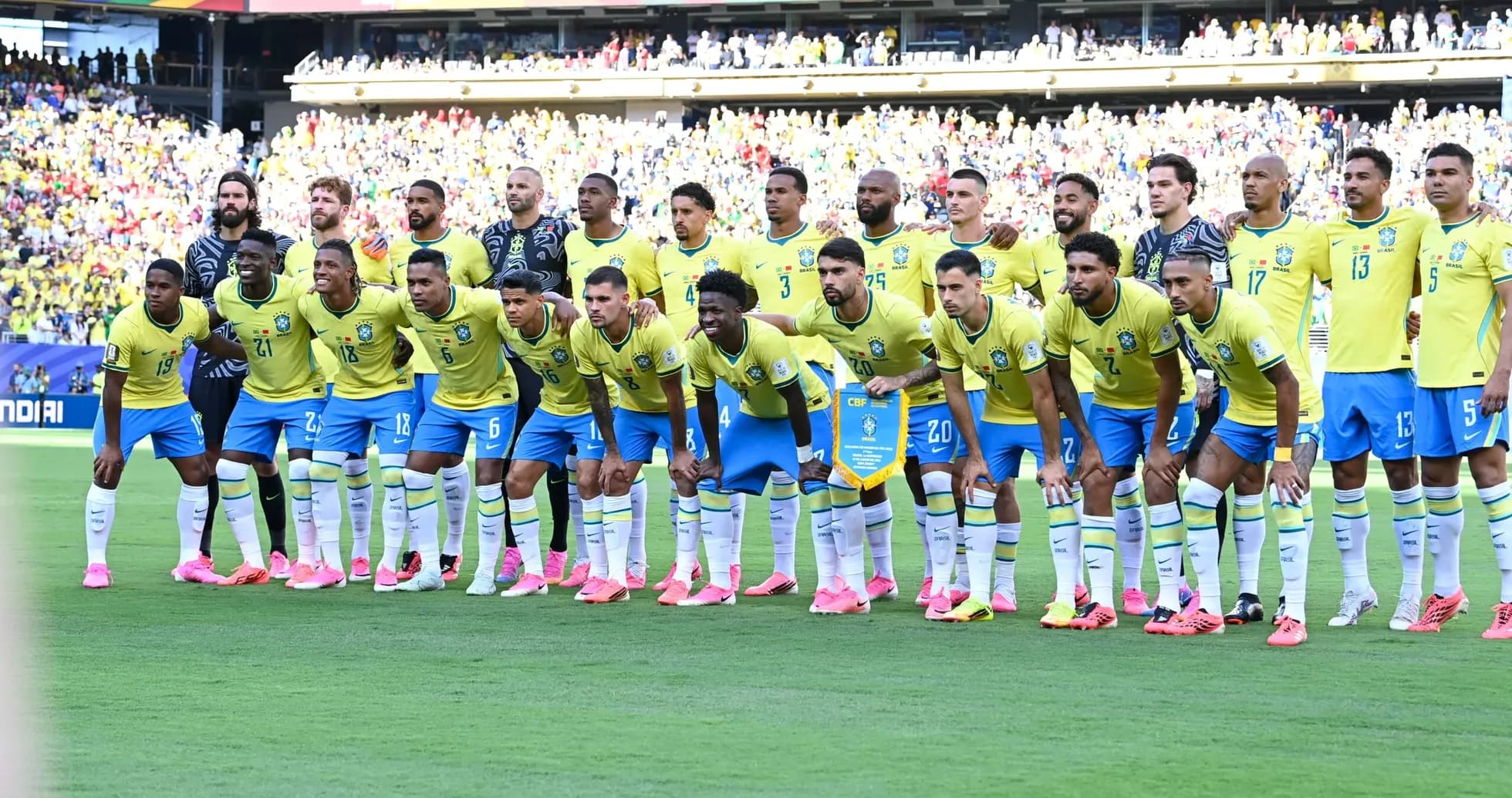
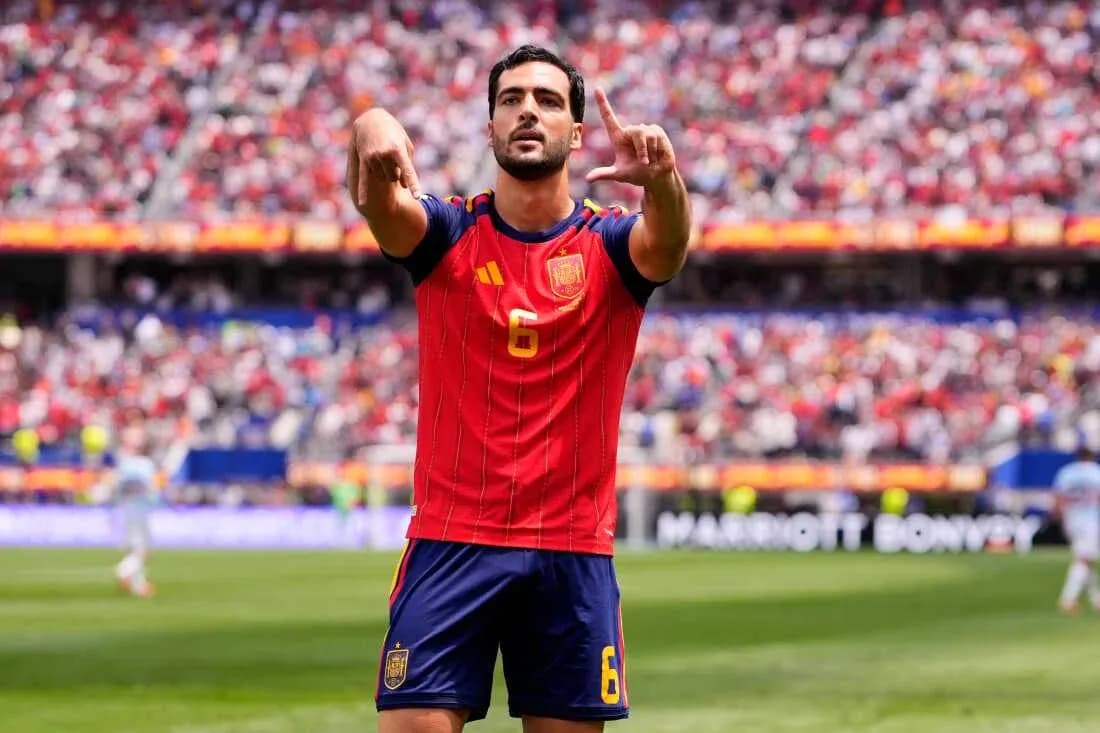
France and Spain meet on 14 July 2026 in a World Cup Semi-finals clash that effectively serves as a de facto title eliminator: the winner reaches the final and keeps their bid for the world crown alive, while defeat instantly ends the campaign despite both sides having dominated their groups.
Head-to-Head Tactical Summary
Recent history between these two has been intense and high level, with Spain often dictating territory and France looking for vertical punches in transition.
On 5 June 2025 in Stuttgart (MHPArena) in the UEFA Nations League Semi-finals, Spain at home beat France 5–4, having led 2–0 at half-time. That match underlined Spain’s capacity to overload central zones and create volume of chances, but also exposed defensive vulnerability against France’s direct runners.
On 9 July 2024 in München (Fußball Arena München) at the Euro Championship Semi-finals, Spain again as the home team defeated France 2–1. Spain led 2–1 at half-time and then managed the second half more conservatively, showing they can close a tight knockout game once in front.
On 10 October 2021 in Milano (Stadio Giuseppe Meazza) in the UEFA Nations League Final, Spain at home lost 1–2 to France. After a 0–0 first half, France’s counter-attacking efficiency and individual quality in the final third turned the match despite Spain’s structured build-up.
On 28 March 2017 at Stade de France (Paris) in a friendly, France at home lost 0–2 to Spain after a 0–0 first half, a match where Spain’s control in possession gradually wore France down.
On 23 June 2012 at Donbass Arena (Donetsk) in the Euro Championship Quarter-finals, Spain as the home side beat France 2–0, leading 1–0 at half-time and demonstrating a classic possession-dominant, low-risk knockout performance.
Across these five meetings, Spain have four wins to France’s one, with Spain usually controlling the ball and territory while France rely on efficiency and moments of transition quality.
Global Season Picture
- League Phase Performance: In the group stage of the 2026 World Cup, France topped Group I with 9 points from 3 matches, scoring 10 goals and conceding 2, a goal difference of +8. Spain topped Group H with 7 points from 3 matches, scoring 5 and conceding 0, for a goal difference of +5. Both arrived in the knockouts as group winners, France with a more explosive attack, Spain with a more conservative but watertight defence.
- Season Metrics: Across all competitions in this World Cup cycle, France have played 6 matches, winning all 6, with 16 goals scored and 2 conceded. Their average goals scored sit at 2.7 per match and goals conceded at 0.3, reflecting a high-tempo, front-foot approach that still maintains defensive control. Their most common shape is a 4‑2‑3‑1 used in all 6 games, with 4 clean sheets and no match where they have failed to score. Discipline-wise, France’s yellow cards are spread through the middle and late phases of games, indicating aggressive pressing phases as matches wear on.
- Season Metrics (Spain): Spain have also played 6 matches, winning 5 and drawing 1, with 11 goals scored and just 1 conceded. Their average output is 1.8 goals scored and 0.2 conceded per match, pointing to a more control-oriented, risk-managed attacking profile combined with elite defensive structure. Spain have kept 5 clean sheets and failed to score only once, rotating mainly between 4‑2‑3‑1 (4 matches) and 4‑3‑3 (2 matches), which gives them flexibility in how many central midfielders they commit to build-up and pressing.
- Form Trajectory: In the group stage, both sides showed perfect short-term form: France’s string of five consecutive wins and Spain’s identical five-win sequence in their standings form underline that they arrived in the knockouts on parallel upward trajectories. France’s path has been about sustained dominance and scoring volume; Spain’s about accumulation of control and defensive perfection. Neither side has shown a dip in the group stage, so this Semi-finals tie is a collision of two teams at or near their performance ceiling.
Tactical Efficiency
France’s numbers across all competitions suggest a team that converts possession into chances with ruthless efficiency: 16 goals from 6 games, no failures to score, and their biggest wins including a 3–0 at “home” and 4–1 away. Conceding only 2 goals across those matches, with 4 clean sheets, points to a back line and double pivot that can absorb pressure even when the game becomes stretched.
Spain’s tactical efficiency is built more on suppression of opposition threat: 11 goals scored from 6 games is solid but not spectacular, yet only 1 goal conceded and 5 clean sheets illustrate an elite block and counter-press. Their best wins (4–0 at home, 1–0 away) show they can both blow teams away when the structure clicks and edge tight matches with minimal risk.
In a direct comparison of attacking and defensive profiles, France carry the higher attacking ceiling in terms of raw output and shot conversion, while Spain’s defensive metrics are marginally stronger, especially in terms of clean sheets and average goals conceded. The contrast mirrors the recent head-to-head pattern: Spain usually control rhythm and territory, but France’s verticality and finishing can distort the expected balance of chances. Over 90 minutes in this Semi-finals, that means Spain’s efficiency will be measured by their ability to limit transition moments, while France’s efficiency will hinge on turning fewer, higher-quality breaks into goals against one of the tightest defences in the tournament.
The Verdict: Seasonal Impact
This Semi-finals is season-defining for both national teams. For France, elimination here would turn a near-perfect cycle — flawless group stage, dominant underlying numbers — into a campaign remembered for falling one step short of the final. Victory, by contrast, positions them as clear favourites in the final, reinforcing a narrative of an attacking powerhouse that can break even the most organised defensive blocks.
For Spain, defeat would be framed as another deep run that failed to translate territorial control into the ultimate prize, particularly given their strong recent record against France. A win, however, would validate their control-first model as the optimal blueprint in modern international football: a side that concedes almost nothing, manages game states, and now finally converts Semi-finals dominance into a World Cup final berth.
Structurally, this match will reshape the top tier of international hierarchy in 2026. The winner not only advances to the World Cup final but also cements their approach — France’s high-tempo, high-output style or Spain’s control-and-suffocate model — as the reference point for the next international cycle. The loser, despite a strong overall season, will spend the next years judged by what they failed to achieve on this night.