.svg&w=384&q=75 "naujapitch logo")
Michael Edwards Leaves Liverpool: A Vision Unfulfilled
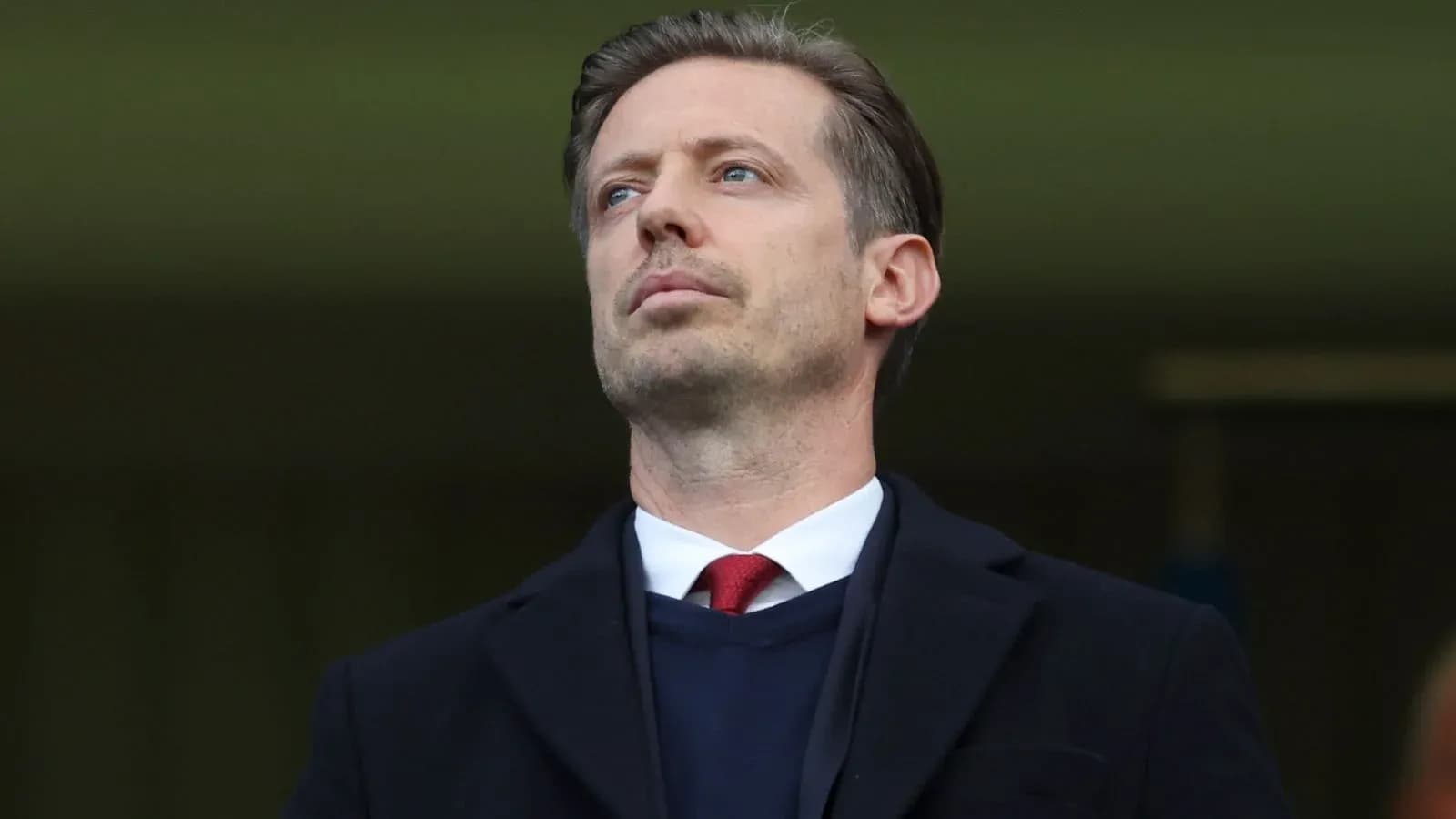
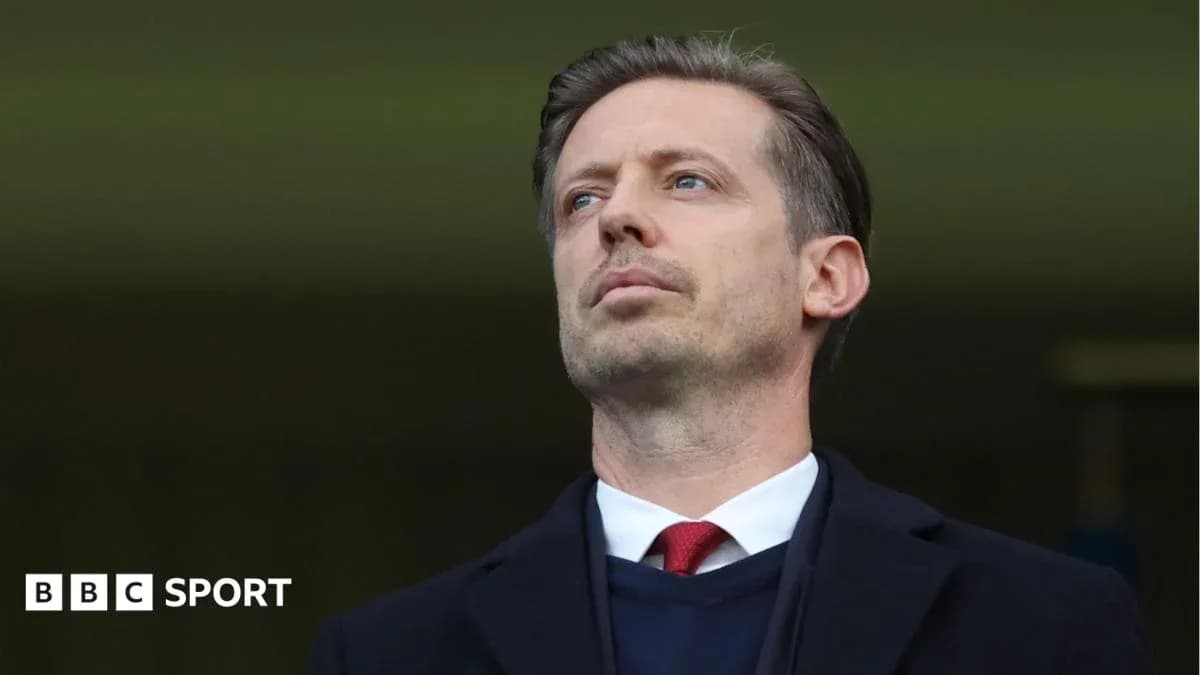
Michael Edwards’ second Liverpool chapter was supposed to be about expansion, vision and a bold new model for Fenway Sports Group. It has ended instead with frustration, stalled plans and another abrupt goodbye.
When Edwards returned in 2024, two years after stepping down as Liverpool’s sporting director, it was not to reprise the role that had made his reputation. This time he came back above the club, not inside it, as FSG’s CEO of football. The pitch was clear: help guide Liverpool through the post-Jurgen Klopp transition and, crucially, build a multi-club empire with a second European side under the FSG umbrella.
That second part never arrived.
According to The Athletic, Edwards placed huge importance on FSG securing another club. The multi-club model wasn’t a side project; it was central to why he agreed to return. Two years on, no acquisition, no network, no new badge added to the portfolio. The plans drifted, then appeared to be quietly shelved. The frustration grew with them, and Edwards is now leaving a year before his contract was due to end, having made his intentions clear last year.
This is a figure whose influence at Liverpool is stitched into the modern history of the club. As sporting director for most of Klopp’s reign, Edwards oversaw the deals that brought Mohamed Salah, Sadio Mané and Andy Robertson to Anfield, among others. Those signings helped turn a promising project into a Champions League and Premier League-winning machine. When he walked away in 2022, he did so at the peak of his reputation, with Manchester United and Chelsea both sounding him out for similar roles.
He chose instead to sit out, then return to familiar owners with a very different brief.
Inside FSG, Edwards was tasked with thinking bigger than Liverpool alone. The idea was to use his eye for structure and value across a broader football portfolio, mirroring the multi-club systems that now shape the European landscape. He made no secret that this strategic vision was what pulled him back. Without it, there was little sense in trading independence for a corporate title.
The broader project, as Edwards himself admitted in his parting statement, “ultimately evolved differently to how we had originally envisaged”. Diplomatic words, but the message is clear enough. The options were drawn up, the scenarios mapped, the future sketched. Ownership did not move.
“The chance to help shape FSG’s wider football ambitions” had been a key attraction. Instead, his work became a catalogue of possibilities that never crossed into reality. For a man used to deals getting done and squads being built, that kind of stasis bites.
On the ground at Liverpool, Edwards’ influence was still felt. He played a central role in appointing Richard Hughes as sporting director, a trusted ally from their time working opposite each other in the market. Hughes was given the keys to recruitment at Anfield, a level of control he did not enjoy under Andoni Iraola at Bournemouth, where their relationship was more constrained.
Now that structure is breaking up as well. Hughes is expected to leave at the end of the summer to join Al-Hilal, taking with him the man Edwards had chosen to oversee the next phase of Liverpool’s squad building.
Into that vacuum steps a familiar figure. Mike Gordon, FSG’s president and a long-time key operator behind the scenes, is set to resume day-to-day control at the club. Gordon has been central to Liverpool’s modern era, often acting as the bridge between Boston and Merseyside, between ownership and the football operation. His return to a more hands-on role hints at a reset: back to what FSG knows, back to a structure it trusts.
Edwards, for his part, leaves with his customary composure. In his statement, he called it “a privilege to return to Fenway Sports Group and Liverpool Football Club at such an important moment” and insisted he departs believing the club is “in a strong position, with outstanding people, a clear direction and the foundations in place for continued success.”
He also stressed his pride in the work done behind the scenes to present FSG with “a broad range of thoughtful and well-developed options for the future.” Those options now sit on a shelf, unused, a reminder of an ambitious blueprint that never made it off the page.
He reserved his warmest words, as so many departing figures at Anfield do, for the supporters, whose passion he said “makes this club so special,” and to whom he will “always be grateful” for having been part of Liverpool’s story.
Yet the story here is not just about one executive moving on. It is about a crossroads for FSG. The owners courted a visionary architect to build a wider football empire, then stepped back from the building site. Edwards, a man who thrives on clarity and execution, chose not to wait any longer.
Liverpool, once again, must navigate a period of transition without the quiet strategist who helped shape their rise. And FSG must decide whether it truly wants to be a multi-club heavyweight, or whether this was an ambition that sounded good in theory but never quite convinced in practice.