.svg&w=384&q=75 "naujapitch logo")
Liverpool Football Club Faces Leadership Shake-Up After Michael Edwards Resignation
Liverpool have grown used to turbulence on the touchline. Now the aftershocks are rumbling through the boardroom.
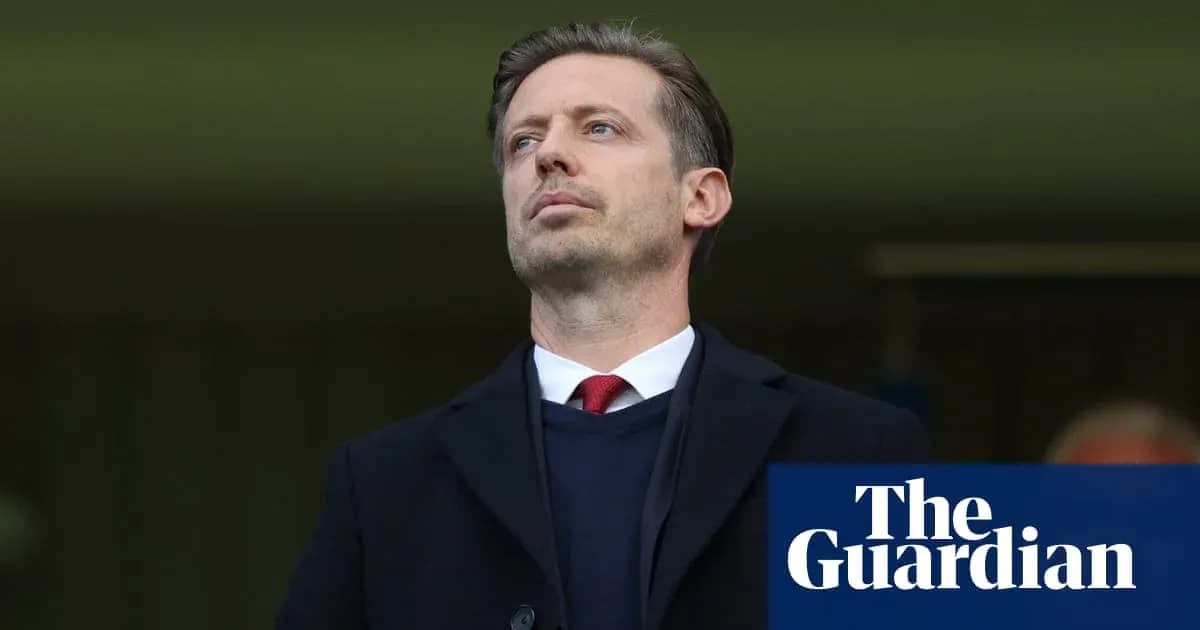
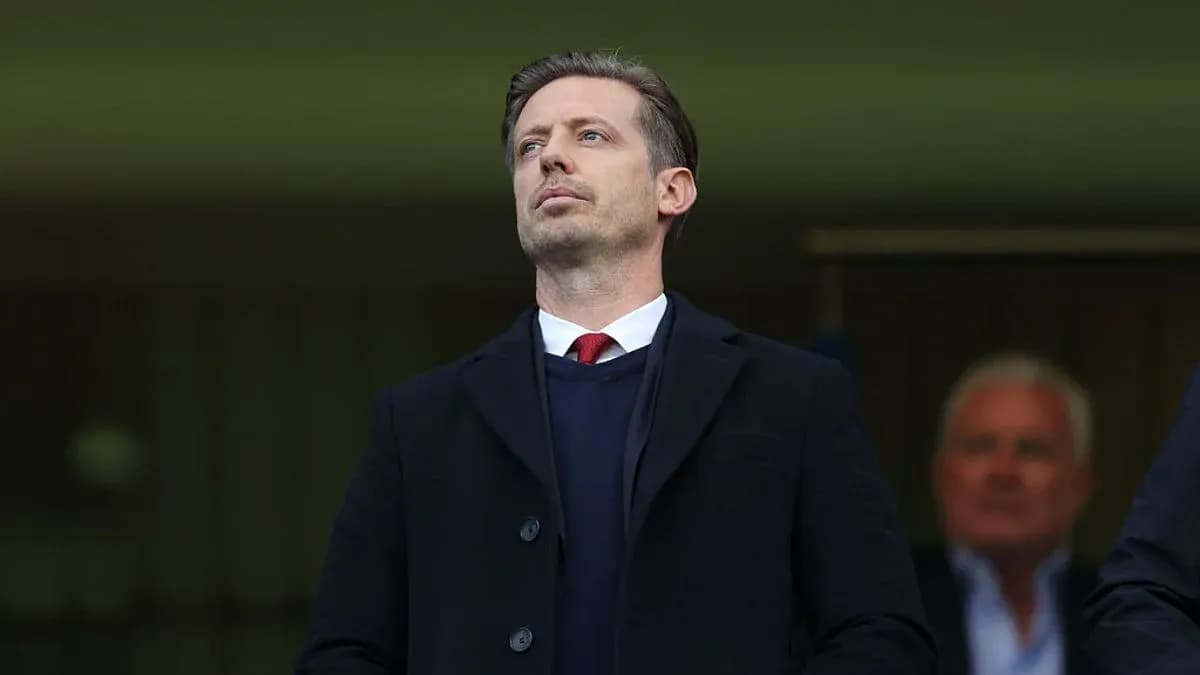
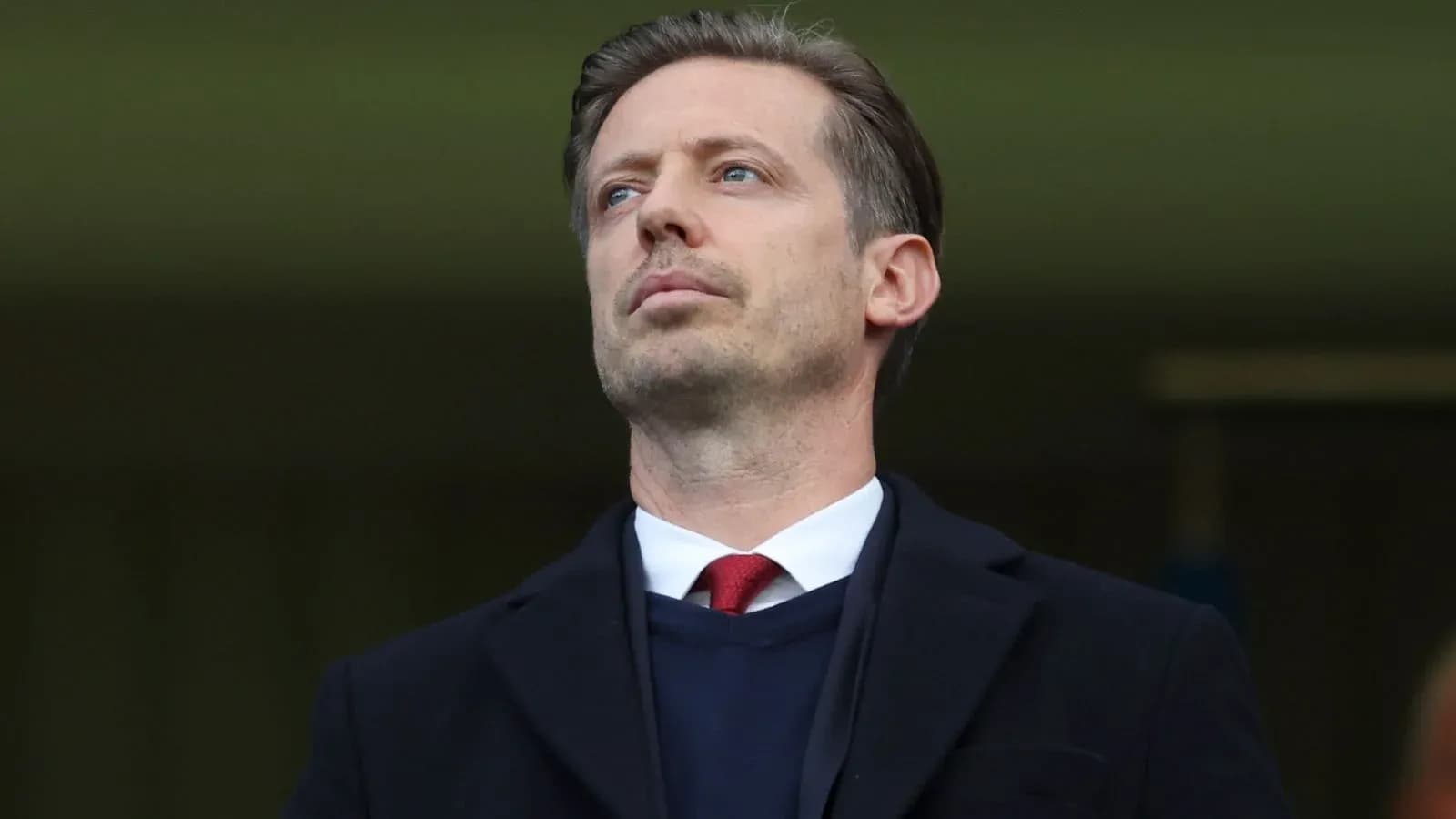
Michael Edwards, the architect of much of Liverpool’s modern football structure and a central figure in Fenway Sports Group’s long-term vision, has resigned from his role as FSG’s chief executive officer of football with immediate effect, a year before his contract was due to expire.
It is a significant rupture. Not just because of who he is, but because of what he was brought back to do.
A second-club project that never left the ground
Edwards, the former sporting director who worked alongside Jürgen Klopp until 2022, returned to FSG in 2024 with a clear brief: lead the ownership’s push to acquire a second club and build a multi-team football portfolio.
That project stalled. Then it stopped.
FSG examined more than 20 potential acquisitions, among them Bordeaux and Málaga, as they scoured Europe for the right fit. The search dragged on, options were explored, presentations made, models tested. The portfolio never materialised.
With no tangible progress and the wider project “evolving differently” to the original vision, Edwards grew frustrated. Sources told ESPN that Liverpool’s American owners attempted to change his mind, but their efforts failed. The resignation landed anyway.
In a statement on Friday, FSG framed the exit as “the culmination of a planned transition following the completion of key strategic priorities.” The wording was calm. The timing is anything but.
Gordon steps in as Anfield shifts again
Edwards’ departure leaves a gap at the top of FSG’s football structure. Into that space steps Mike Gordon.
The FSG president, long a key figure behind the scenes, is now expected to take a more hands-on role in Liverpool’s day-to-day running. It marks a return to a more direct involvement at a moment when the club is already wrestling with change on multiple fronts.
Anfield is in the thick of a summer of transition. Arne Slot has gone, replaced by former AFC Bournemouth manager Andoni Iraola as head coach. The man who appointed Iraola, sporting director Richard Hughes, is himself the subject of uncertainty, with his deal running to 2027 but his name linked to Saudi Pro League side Al Hilal.
The stability that once defined Liverpool’s off-field operation under Klopp and Edwards now feels less secure. The faces are changing. The power map is being redrawn.
Legacy of an architect
Edwards leaves with his fingerprints all over the club’s modern era. As sporting director, he helped build the football operation that underpinned Liverpool’s rise to the Premier League title in 2025 and a sustained period at the sharp end of English and European football.
His second spell at FSG was shorter and more corporate in nature, focused on strategy rather than recruitment. Yet the language of his farewell underlined how central he believed the moment to be for both Liverpool and their owners.
“It has been a privilege to return to Fenway Sports Group and Liverpool Football Club at such an important moment,” he said. “I leave believing Liverpool is in a strong position, with outstanding people, a clear direction and the foundations in place for continued success.
“When I returned, I was excited not only by the opportunity to help guide Liverpool through an important period of transition, but also by the chance to help shape FSG's wider football ambitions. While that broader project ultimately evolved differently to how we had originally envisaged, I am proud of the work our team undertook in presenting ownership with a broad range of thoughtful and well-developed options for the future.
“I'd like to thank Mike, John [Henry], Tom [Werner] and everyone across FSG and Liverpool for their support and friendship and, most importantly, the supporters, whose passion makes this club so special. I will always be grateful to have been part of its story.”
The words are diplomatic, the subtext clear: the multi-club dream did not match the original promise.
A new power dynamic
For FSG, shelving the second-club plan strips away one pillar of their intended evolution as football owners. For Liverpool, it sharpens the focus on what happens inside Anfield’s own walls.
Gordon’s increased involvement, Iraola’s arrival, the uncertainty around Hughes, and now Edwards’ exit combine into a single, pressing question: who truly shapes the next phase of Liverpool’s sporting strategy?
The club that once sold itself on continuity now finds itself leaning into reinvention. The decisions made from Boston to Anfield over the next few months will show whether this is a controlled reset or the start of a more volatile era.