.svg&w=384&q=75 "naujapitch logo")
UEFA Champions League Final: Paris Saint Germain vs Arsenal
On 30 May 2026, under the vast steel arcs of Puskas Arena in Budapest, Paris Saint Germain and Arsenal walk out knowing ninety minutes will define their year in the UEFA Champions League. Paris Saint Germain arrive as a dangerous knockout force with goals spread across a star-studded attack, while Arsenal come in as the competition’s benchmark of consistency, top of the standings phase and carrying the weight of expectation. In this final, it is legacy on the line for Paris Saint Germain and validation for Arsenal, whose flawless run has set the standard for everyone else in 2025.
Season Context
For Paris Saint Germain, the road here has been shaped by volatility and firepower. They come into the final from a position ranked 11th in the UEFA Champions League table, yet firmly inside the “Promotion - Champions League (Play Offs: 1/16-finals)” bracket with 14 points from 8 games (21 goals scored, 11 conceded). Four wins, two draws and two defeats underline a side that can overwhelm opponents but occasionally leaves the door open at the back (goal difference +10).
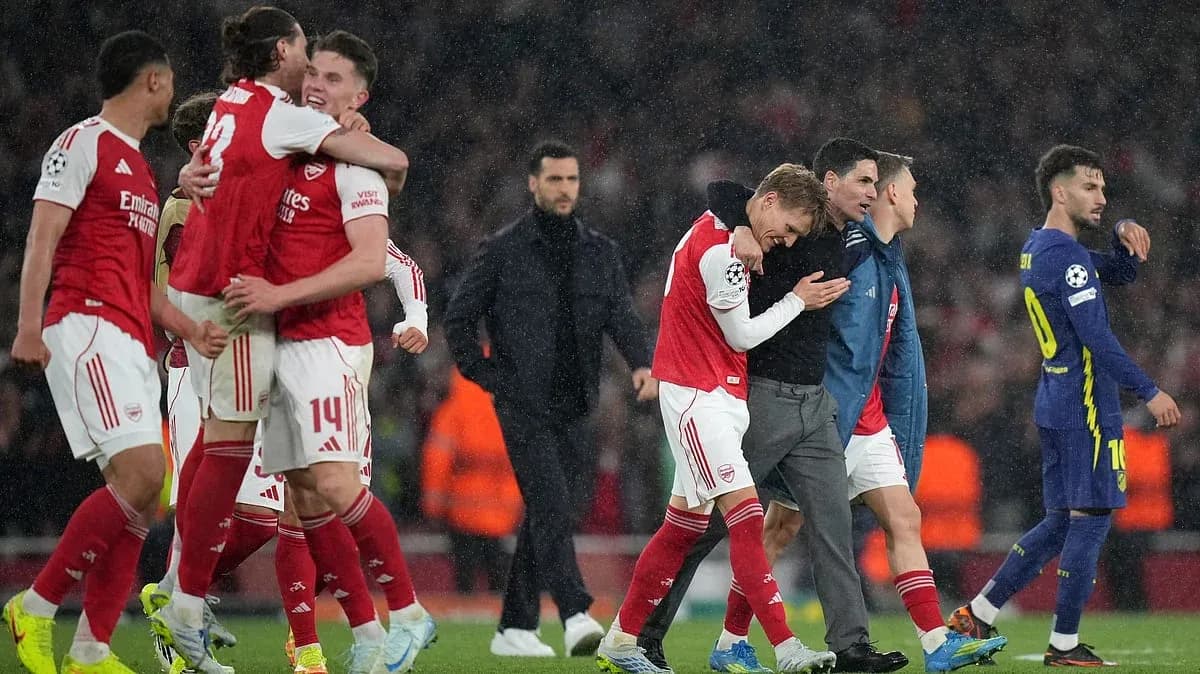
Arsenal’s campaign has been the model of control and ruthlessness. Ranked 1st in the same competition table, they collected 24 points from 8 matches with a perfect record of 8 wins, no draws and no defeats (23 goals scored, only 4 conceded). Their +19 goal difference and status in the “Promotion - Champions League (Play Offs: 1/8-finals)” zone reflect a team that has dominated both ends of the pitch, turning the league phase into a statement of superiority.
Form & Momentum
Paris Saint Germain’s recent form string of DLDWL paints a picture of a side that can be exhilarating but inconsistent (14 points from 8 games, averaging 2.6 goals scored and 1.4 conceded per match). The attack has been explosive (21 goals in 8 games), yet the two defeats in that run suggest moments of vulnerability when their defensive structure is tested (11 goals conceded in the same span).
Arsenal arrive with the immaculate form line WWWWW, a sequence that underlines their relentless momentum (23 goals scored and just 4 conceded across 8 matches). That defensive record is imposing (0.5 goals conceded per game), and when combined with an attack averaging just under three goals every two matches, it justifies their status as the most balanced side in the competition (goal difference +19).
Head-to-Head Patterns
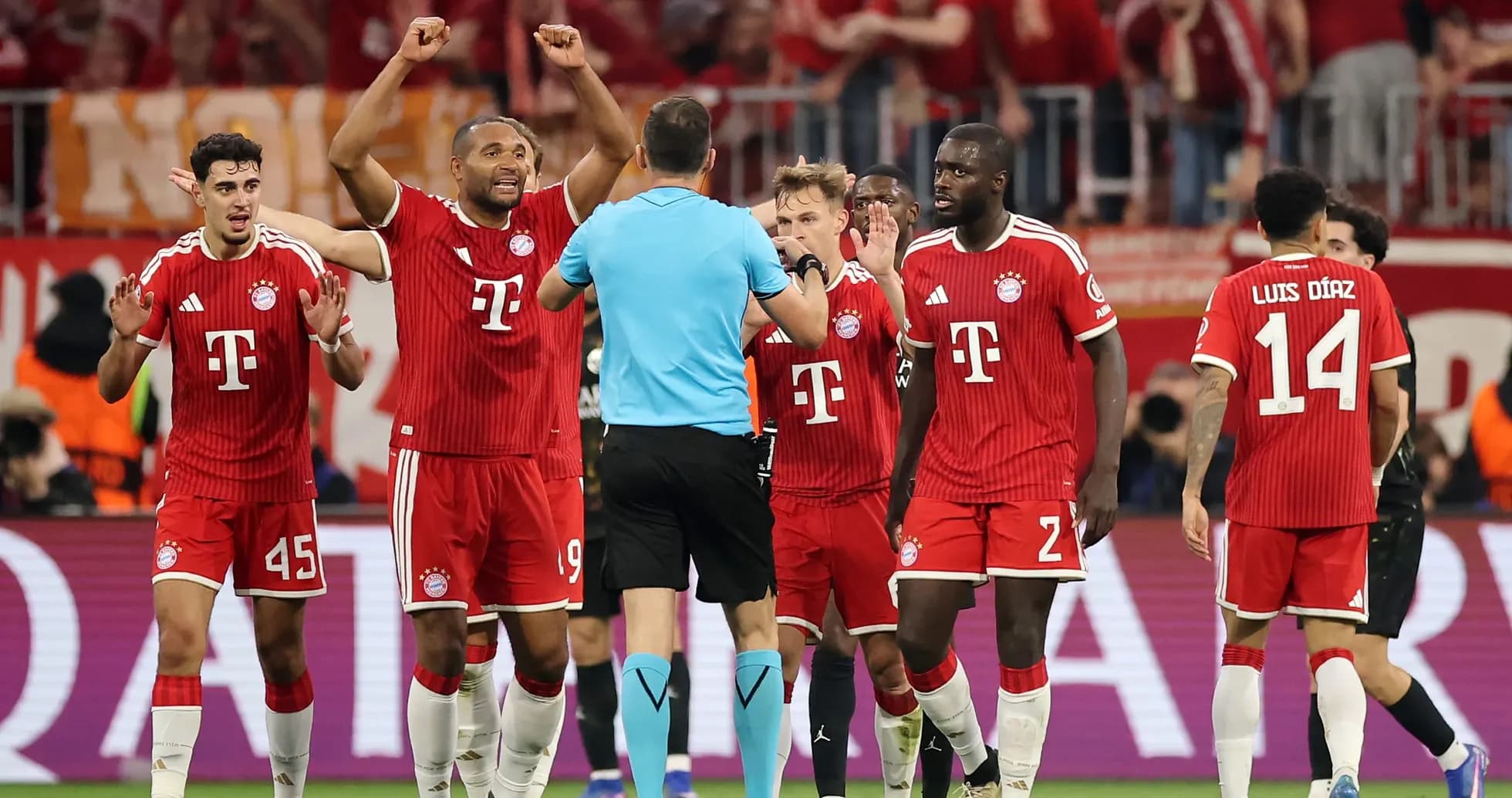
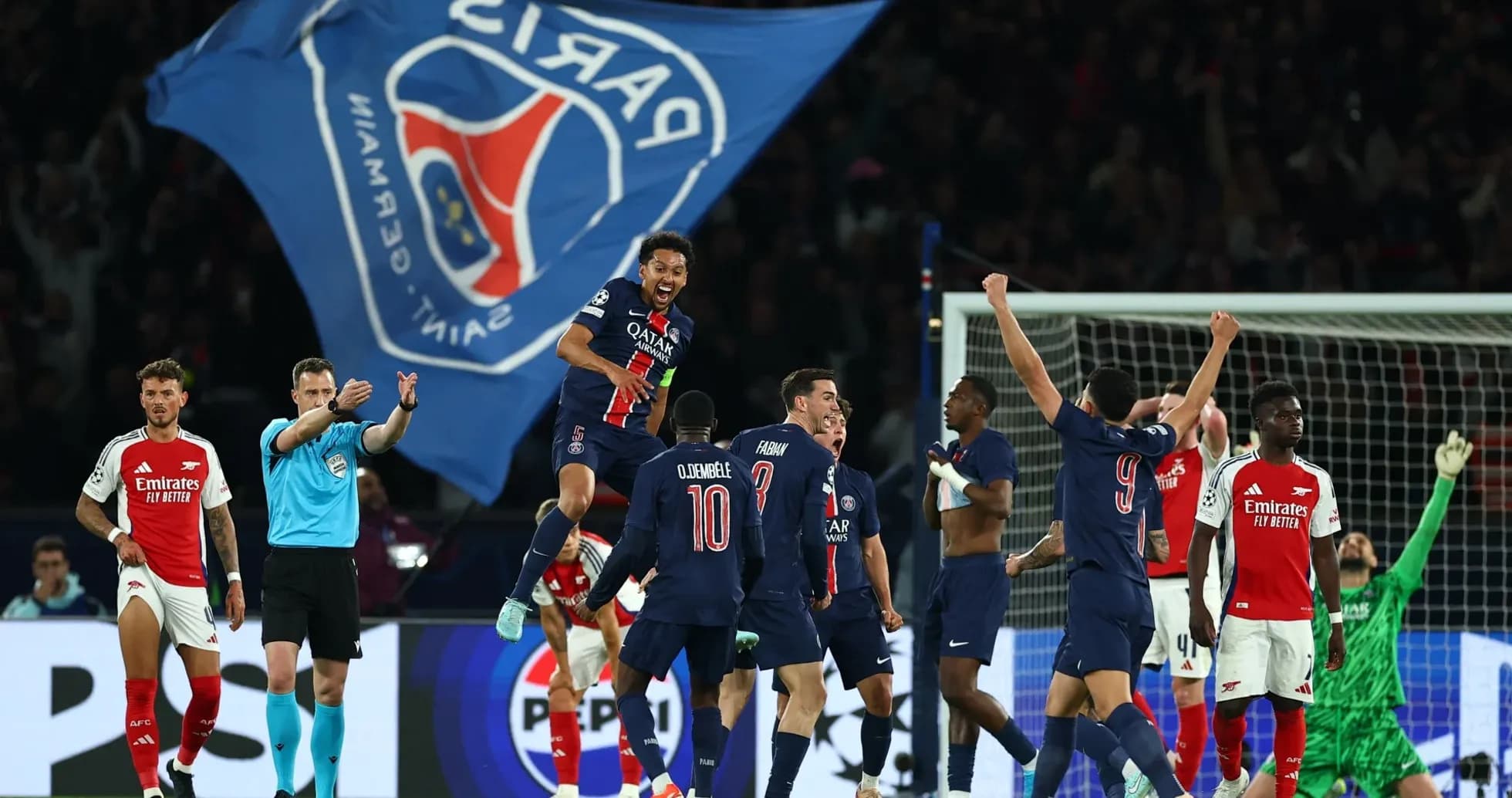
Recent history between these two giants has swung back and forth at the highest level. On 7 May 2025, Paris Saint Germain edged Arsenal 2-1 at Parc des Princes (UEFA Champions League, season 2024, May 2025), a tight semi-final contest that showcased the French side’s ability to strike in big moments. Just days earlier, on 29 April 2025, Paris Saint Germain had also prevailed 1-0 at Emirates Stadium (UEFA Champions League, season 2024, April 2025), proving they could control a high-pressure away leg. However, Arsenal had landed a strong blow earlier in the same rivalry cycle, winning 2-0 at Emirates Stadium on 1 October 2024 (UEFA Champions League, season 2024, October 2024), a result that underlined their capacity to shut down Paris Saint Germain’s attack when their structure is at its sharpest.
Tactical Preview
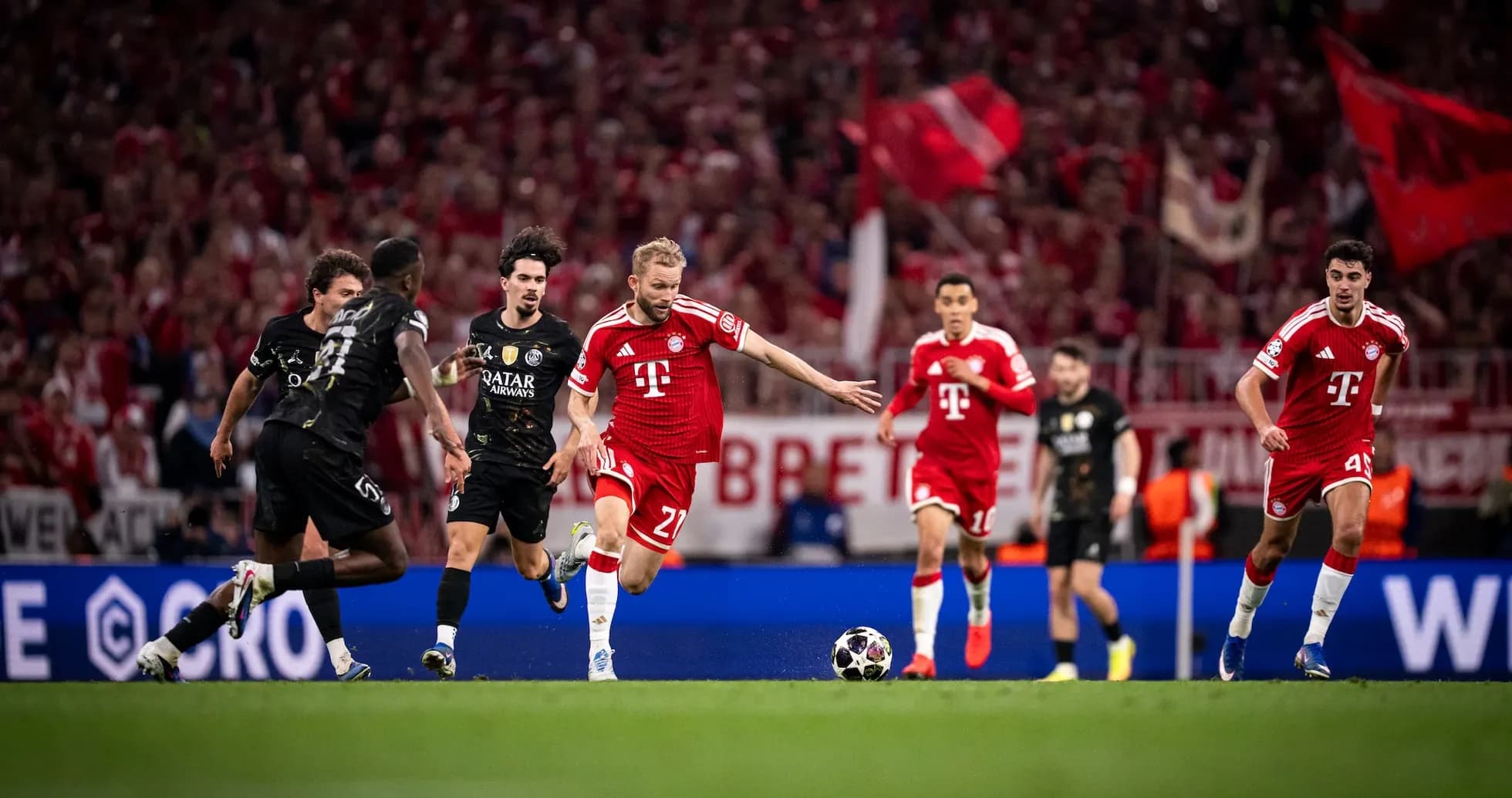
Paris Saint Germain are likely to lean again on a 4-3-3 framework, their most used shape with 16 recorded lineups in that system. It is a platform built to unleash K. Kvaratskhelia, whose 10 goals and 6 assists in the UEFA Champions League (from 15 appearances) make him one of the competition’s most decisive attackers (rating 7.75). Around him, O. Dembélé adds direct running and end product (7 goals, 2 assists), while D. Doué contributes both creativity and finishing (5 goals, 4 assists) from the front line. Vitinha, operating as a high-volume midfielder (16 appearances, 1553 completed passes at 93% accuracy), knits the team together and drives the press with 25 tackles and 17 interceptions. With 21 goals from 8 matches in the standings phase, Paris Saint Germain will look to turn this final into a high-tempo attacking contest, accepting some defensive risk (11 goals conceded) to overload Arsenal’s back line.
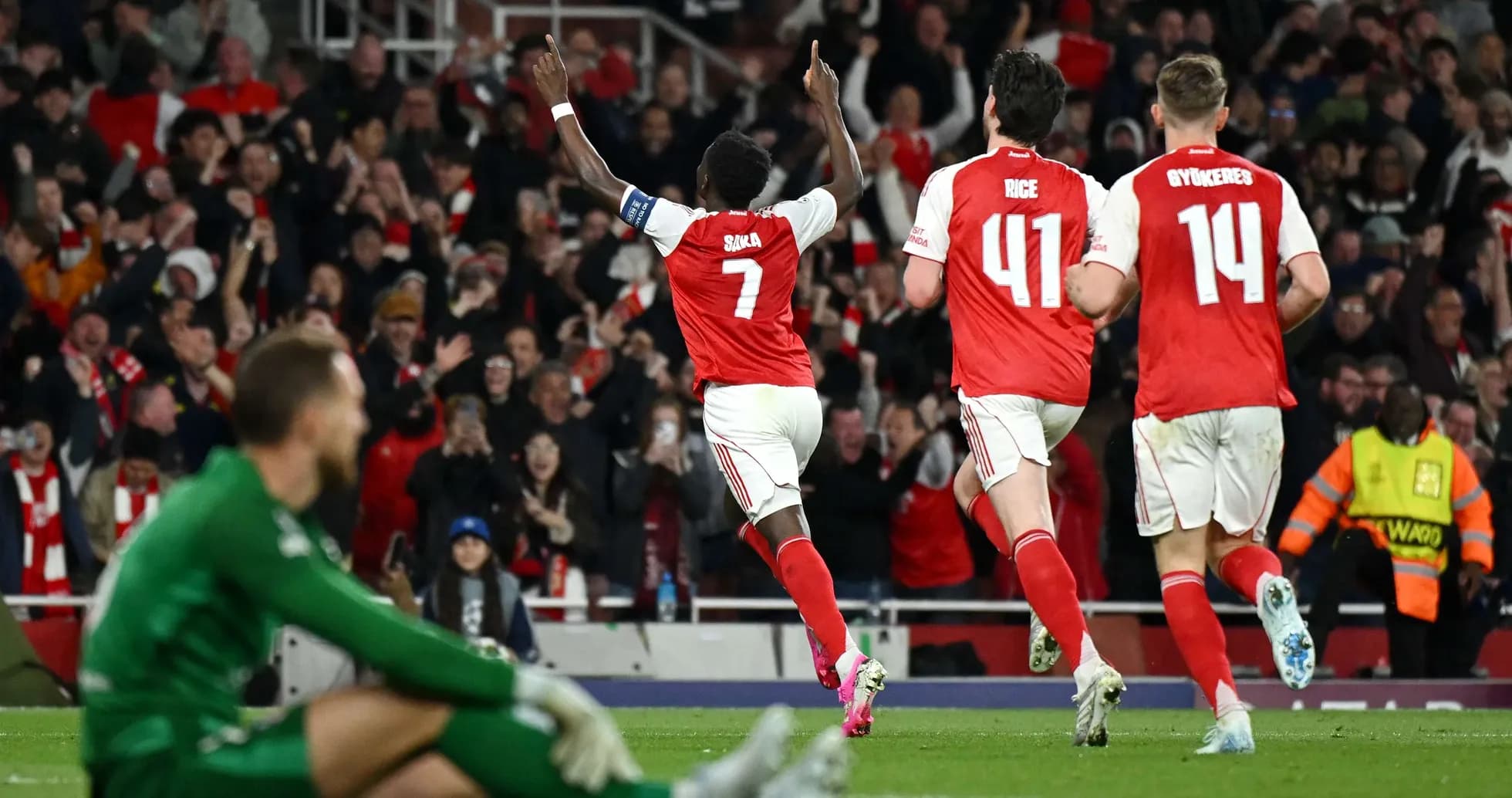
Arsenal, by contrast, blend structure and flexibility, alternating mainly between 4-3-3 (9 times) and 4-2-3-1 (5 times) in their Champions League campaign. Their identity is rooted in control: 29 goals scored and only 6 conceded in the broader team statistics, mirrored by the standings-phase dominance of 23 for and 4 against. In midfield, Martín Zubimendi offers balance and bite (14 tackles, 10 interceptions, 4 yellow cards), protecting a defence that has yet to lose in this Champions League run (8 wins from 8 in the standings). In attack, Gabriel Martinelli provides a crucial threat between the lines (6 goals, 2 assists, 16 key passes), supported by a deep cast of forwards such as Gabriel Jesus, V. Gyökeres, K. Havertz, B. Saka and L. Trossard, all listed as attackers or advanced midfielders in the squad. Arsenal’s 95% defensive index in their last five matches from the prediction model underlines how hard they are to break down, and they will likely seek to suffocate Paris Saint Germain’s build-up before springing in transition or through structured positional attacks.
Discipline and fine margins could also matter. Paris Saint Germain have players like I. Zabarnyi and L. Hernández who have each collected one red card in this Champions League, a reminder that their aggressive defensive edge can sometimes spill over. Arsenal’s key holding presence, Martín Zubimendi, has four yellow cards, suggesting he will walk a tightrope in a game where stopping counters may require tactical fouls. With Arsenal’s clean-sheet strength (9 across their broader Champions League statistics) against Paris Saint Germain’s attacking avalanche, the tactical battle tilts towards whether Arsenal can impose their structure or whether Paris Saint Germain can drag the game into chaos.
Statistical Snapshot
- Competition: UEFA Champions League, season 2025 — 30 May 2026.
- Venue: Puskas Arena, Budapest.
- Prediction: Win or draw — Double chance : draw or Arsenal.
- Win Probabilities: Home 10% / Draw 45% / Away 45%.
- Model: Paris Saint Germain 42.0% — Arsenal 58.2%.
Betting Verdict
The prediction model leans towards Arsenal avoiding defeat, and the numbers support that stance: Arsenal’s perfect standings-phase record (8 wins from 8, 23 goals scored, 4 conceded) and recent form string of WWWWW contrast with Paris Saint Germain’s more erratic DLDWL. Head-to-head in 2024–2025 shows Paris Saint Germain can hurt Arsenal, but those narrow wins came in finely balanced ties, and Arsenal’s overall defensive profile (only 4 goals conceded in 8 standings games and a 95% defensive index over the last five matches) suggests they are better equipped now to manage Paris Saint Germain’s attacking surges. With most bookmakers offering Arsenal at roughly 3.00–3.30 for the win and the draw around 3.10–3.37, the value lies in following the model’s advice: the double chance on draw or Arsenal covers both a tight stalemate and an Arsenal victory in a final where their control and defensive solidity may ultimately prevail.