.svg&w=384&q=75 "naujapitch logo")
Elliot Anderson's Transfer Impact on Liverpool
Manchester City’s £116m move for Elliot Anderson has not just reset the transfer market. It has thrown a harsh, unforgiving spotlight on Liverpool and the decisions being made in their recruitment department.
On Thursday evening, City agreed a club‑record £116m fee with Nottingham Forest for Anderson, according to the BBC. That number is staggering on its own. Put it in context, and it becomes seismic.
This is not only a record fee for Manchester City. It is the highest fee ever paid for a midfielder. It also makes Anderson the most expensive British footballer in history. All at 23.
No one seriously doubts the talent. Anderson is already a high‑class midfielder and has time on his side to grow into one of the elite in world football. City are paying a premium for potential, for control of his peak years, and for the security of buying British in a market that inflates that profile beyond almost any other.
Yet the shockwaves from that deal are being felt 35 miles down the M62.
At Anfield, Liverpool are edging towards selling Curtis Jones, another homegrown midfielder, another English talent, but at a price that jars violently with what City have just agreed to pay. Jones is 25, has a year left on his contract and, crucially, is being valued at around £35m.
In this market, that figure borders on negligent.
Strip away the noise and look at the fundamentals. English, technically sound, tactically intelligent, with years of Premier League and European experience. Jones is not some peripheral squad player being ushered out of the door. There is, quite clearly, a far more valuable footballer there than a £35m price tag suggests.
The Anderson deal has exposed that reality. It has underlined, in huge neon numbers, that there is a booming market for top‑level English midfielders. When one goes for £116m, allowing another of that profile to leave for a third of the price raises serious questions about how Liverpool are managing their assets.
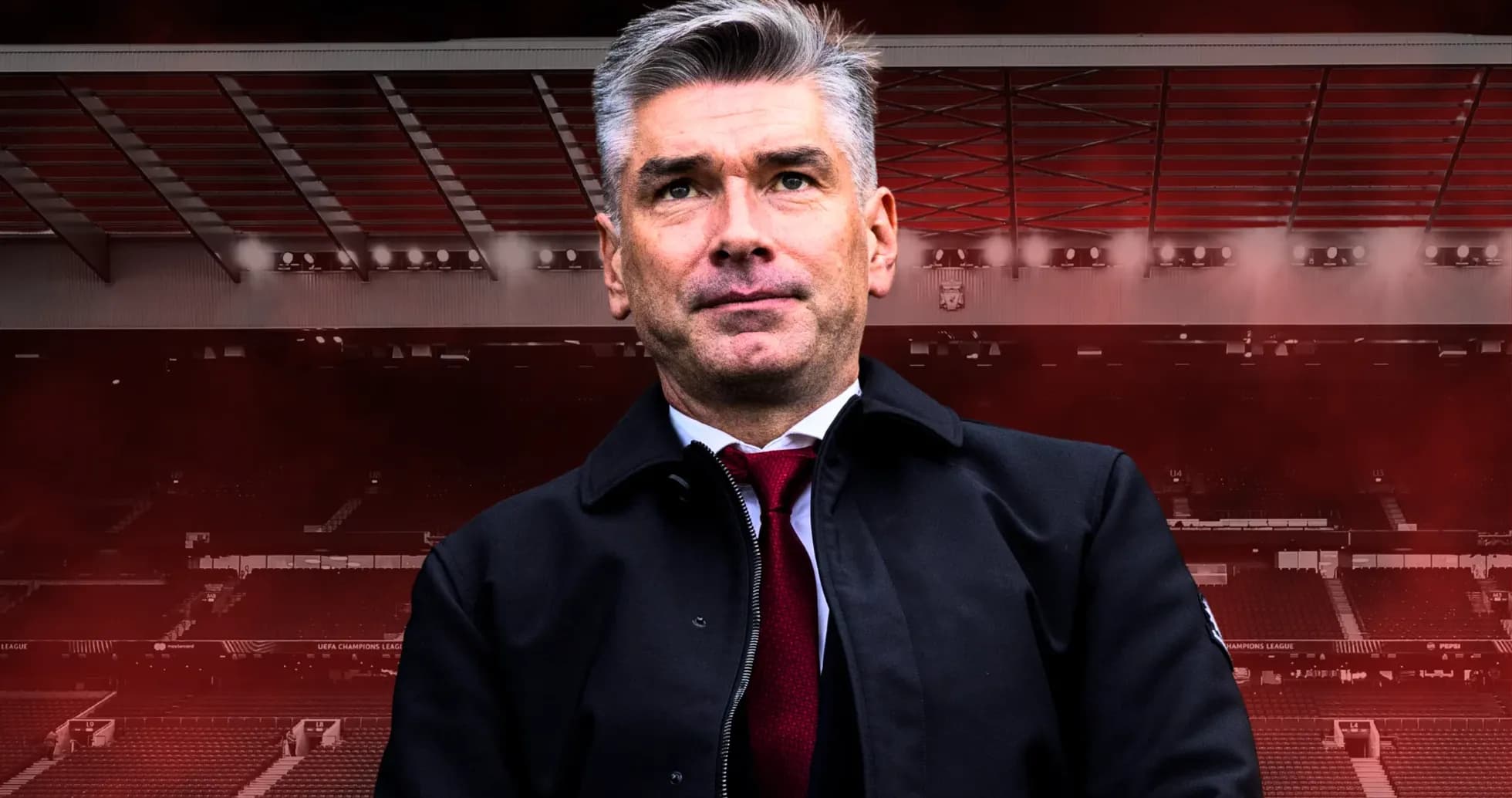
This is where Richard Hughes comes into focus.
Liverpool’s new sporting director is supposed to be the guardian of value, the figure who ensures the club buy and sell at the right time, on the right terms. Yet the current trajectory with Jones looks like a case study in how to squander leverage.
The ideal outcome for Liverpool is obvious: Jones signs a new contract. That preserves his value, gives the club control, and either secures a key squad member or guarantees a stronger bargaining position if a sale becomes inevitable later. Instead, Liverpool appear to have allowed the situation to drift to the point where the player is one year from free agency and the market knows it.
When that happens, the club’s hand weakens. But even with a year left, the notion of settling on £35m for a homegrown, Premier League‑proven midfielder of Jones’s quality feels wildly out of step with the landscape Anderson’s fee has just defined.
Talk in the region of €90m for a player of Jones’s profile might sound bold at first glance. Then you remember the numbers on Anderson. You remember the scarcity of top English midfielders. You remember how valuable homegrown status is in elite squads. Suddenly, the gap between those valuations does not just look large. It looks like a gaping chasm.
That is where the anger among Liverpool supporters comes from. Not just the fear of losing a talented Scouser, but the sense that the club are about to let a major asset walk for a fraction of his real worth. The Anderson deal has not created that problem, but it has illuminated it in brutal detail.
This is the kind of misstep that echoes. Lose a player of Jones’s calibre cheaply and you do not just weaken the squad. You also send a message to the market about how you operate, how hard you are prepared to negotiate, how much you truly value your own.
Right now, the alarm bells at Anfield should be deafening.
Liverpool still have time to change course. They can push harder to tie Jones down. They can reset their valuation and make it clear they will not be bounced into a cut‑price sale just because a contract is running down.
If they do not, while City are busy redefining the going rate for English midfielders with Anderson, Liverpool risk becoming the cautionary tale of this summer window: the club that watched the market explode around them and still chose to sell low.