.svg&w=384&q=75 "naujapitch logo")
Ousmane Dembélé Shines with Hat-Trick as France Tops Norway
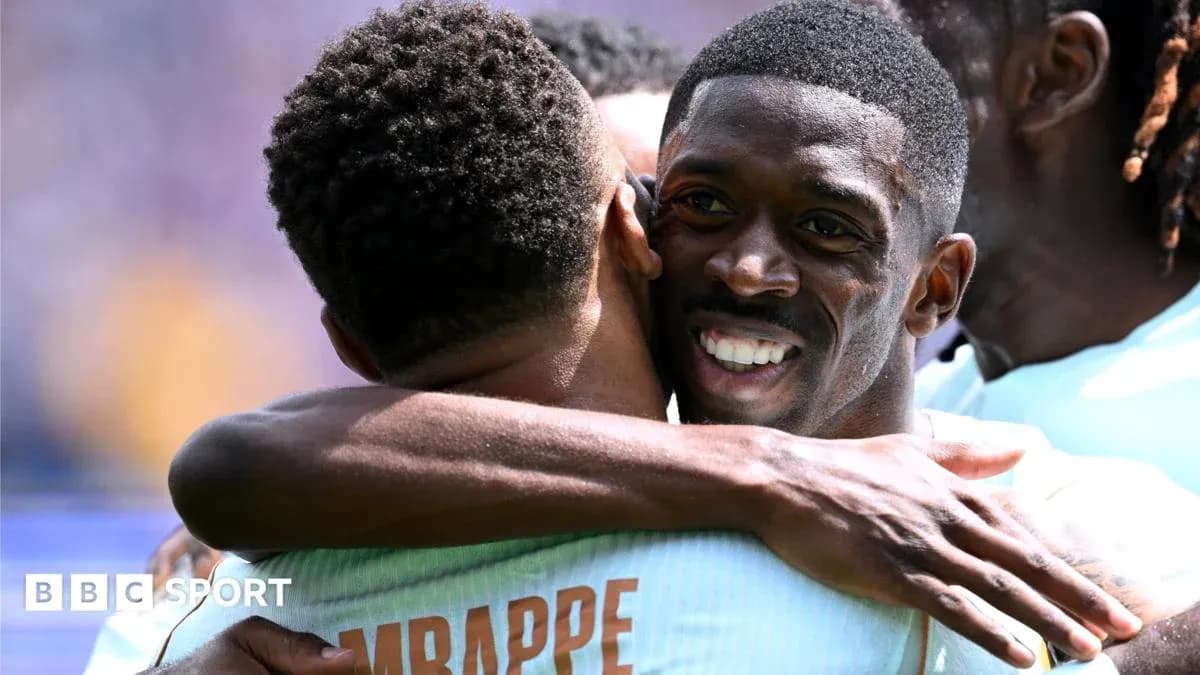
Ousmane Dembélé walked into Boston as Kylian Mbappé’s supporting act and walked out with the World Cup at his feet.
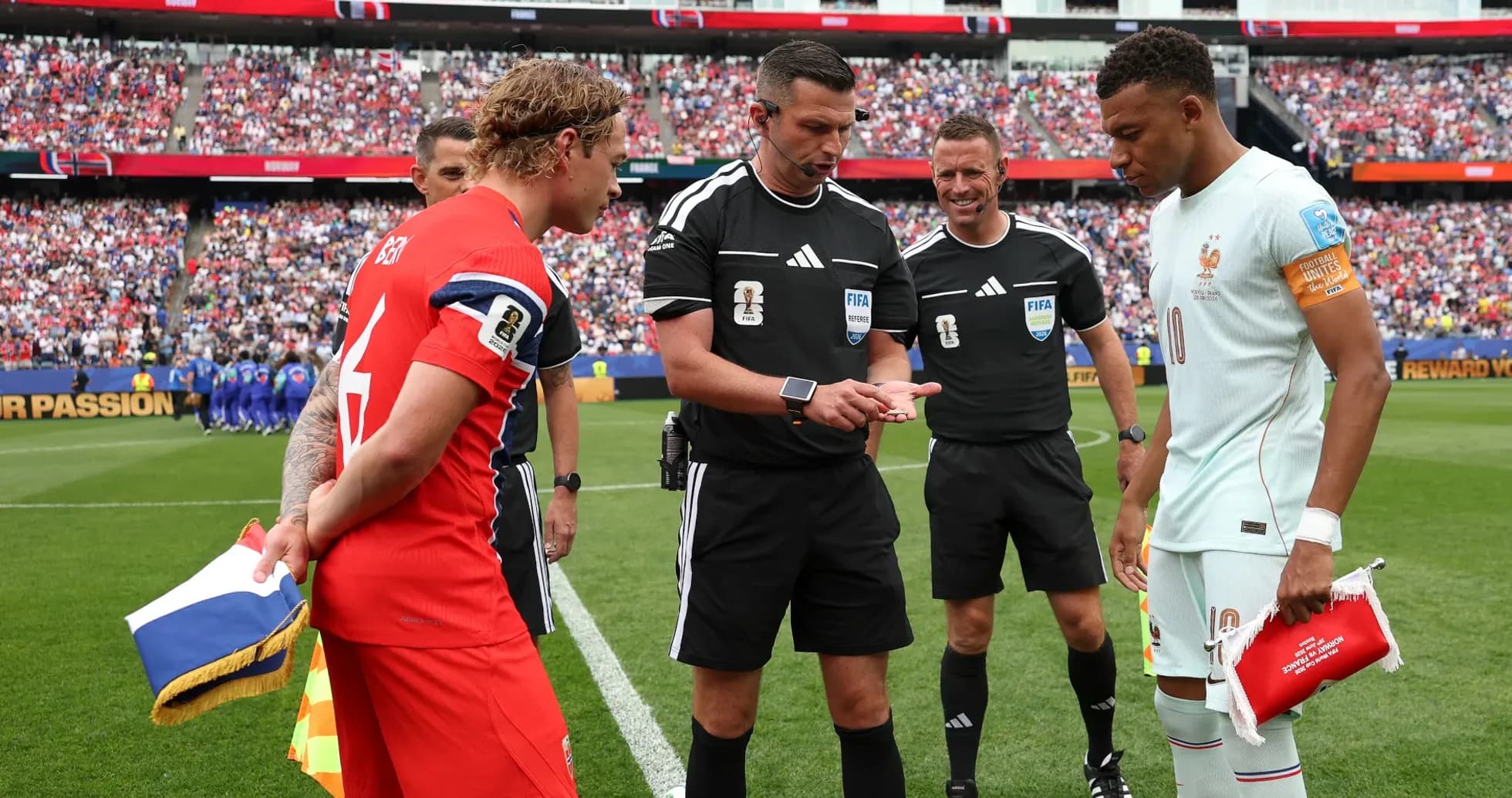
On a night billed as Haaland v Mbappé, it was the man so often cast as a subplot who tore the script to shreds, smashing a 32‑minute hat-trick of rare elegance and venom as France dismantled a heavily rotated Norway to top Group I.
A star steps into the void
The disappointment arrived early. Team sheets in hand, the stadium groaned: no Erling Haaland. Ståle Solbakken had ripped up his previous XI, making 10 changes and resting his Manchester City phenomenon despite Norway still needing a win to leapfrog France.
The marquee duel vanished. The contest didn’t.
Into that vacuum strode Dembélé, the mercurial winger who has spent much of his international career as an accessory to Mbappé’s brilliance. Here, he became the story.
France, guided on the night by assistant Guy Stéphan with Didier Deschamps back home following the death of his mother, flew out of the blocks. They suffocated Norway from the first whistle, hunting in packs high up the pitch. The breakthrough felt inevitable; the quality of it did not.
Seven minutes in, France stole possession in Norwegian territory. Mbappé, drifting centrally, spotted the space and slid the ball wide right. Dembélé isolated his full-back, squared him up, then exploded past him and lashed a ruthless finish beyond Egil Selvik at the near post. No fuss. No hesitation. 1-0, and the tone set.
A hat-trick written in left-footed ink
If the first was about power, the second was pure artistry.
France sprang from deep on 20 minutes, slicing through Norway on the counter. Again the ball found Dembélé on the right. He chopped inside onto that left foot that has so often promised more than it has delivered in a France shirt. This time it delivered everything: a wicked, curling strike that bent away from Selvik and into the far corner.
Two goals. Same flank. Same foot. Same sense that something special was brewing.
Norway hit back almost instantly, catching France in a rare moment of defensive sleep. Straight from the restart, they drove forward unopposed, and Thelo Aasgaard of Rangers arrived to sweep past a wrong-footed Mike Maignan. France had barely finished celebrating when their lead was halved. One attack, one lapse, one reminder that group deciders can turn.
It didn’t. Dembélé wouldn’t allow it.
With France briefly rattled, he tightened his grip on the game and on the tournament. Again he drifted inside from the right, again onto that left boot. This time four Norwegian defenders closed in, then froze. The fear was obvious; so was the outcome. Another arcing effort, another helpless glance from Selvik, another net rippling in the far corner.
Three shots of pure conviction. Thirty-two minutes. The second-fastest hat-trick from the start of a men’s World Cup match, trailing only Erich Probst’s 24-minute treble for Austria in 1954. The first World Cup player to score three in the opening half of a match since Oleg Salenko in 1994.
This was not just a flurry. It was a statement.
A goal built by a nation
The third goal carried its own layer of history.
Seventeen passes. Every French outfield player involved. The ball moved from side to side, back to front, never hurried, never panicked, as Norway chased shadows. Eventually it found the one man the night seemed destined to serve. Dembélé, again, receiving, shifting, striking. Records say it is the longest passing sequence ever recorded in the build-up to a France goal at a World Cup.
For a player long defined by injuries and inconsistency, it felt like a career distilled into one move: patience, movement, then an explosion of talent when it mattered.
Stéphan later suggested the French media’s criticism had helped fuel this response. Dembélé, he said, hears everything. He always has. The difference here was how he answered.
Three goals in a World Cup game. For France, it had never been more than one. Until Boston.
Mbappé quiet, but France loud
Mbappé almost stole the thunder before it even began. After just 21 seconds he crashed a ferocious effort off the underside of the crossbar, inches from another viral moment. Instead, the woodwork spared Norway and, in a way, cleared the stage.
From there, France’s superstar was relatively subdued. He ended the first half with the fewest touches of any French outfield player. The pattern echoed the 2022 quarter-final against England, when Mbappé was muted but Antoine Griezmann orchestrated everything around him.
Here, Griezmann ticked over neatly, but Dembélé was the ringmaster. Every time he received the ball wide, Norwegian defenders backed off a step too far, then another. Every time, the tension in the stands rose.
France eased off after the break. The tempo dropped, the risk vanished, and with 65 minutes gone Dembélé finally departed to a roar that sounded like a coronation. His work was done; his candidacy for the tournament’s Golden Boot very much alive.
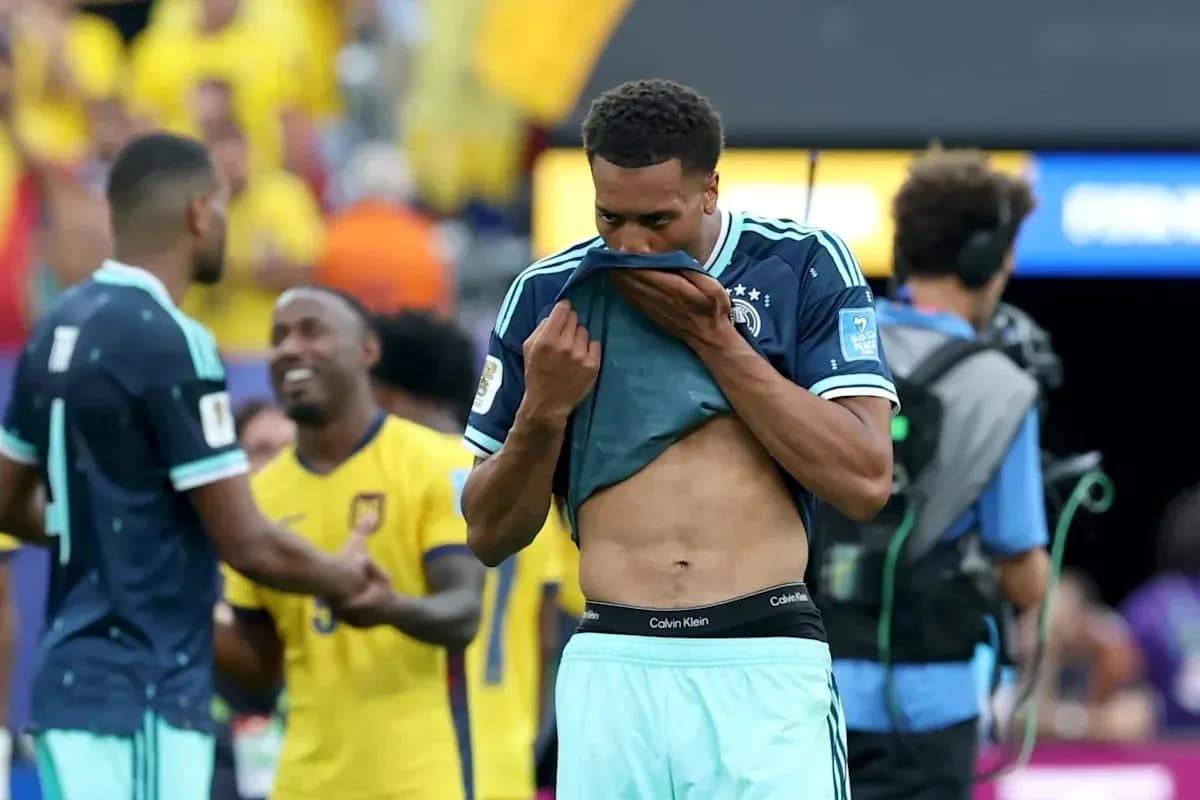
Norway, for their part, finally threatened to claw something back when Jørgen Strand Larsen, Haaland’s understudy for the night, earned a penalty early in the second half. His spot-kick lacked conviction, and Maignan guessed right, plunging low to save.
That stop carried its own weight. Maignan became the first French goalkeeper to save a World Cup penalty in normal time since Joël Bats in 1986. Another small piece of evidence for those who already see this France side as favourites for a third world title.
Different paths, same destination
Solbakken’s selection told its own story. Norway needed victory to top the group, yet the manager left Haaland and the bulk of his first-choice XI on the bench. The message was clear: second place, and a fresher squad for the knockouts, was a price worth paying.
France chose the opposite path. They went strong, hunted top spot, and played like a team intent on building rhythm, not conserving energy. The reward is three wins from three in a World Cup group stage for the first time since 1998, when they lifted the trophy on home soil.
Desire Doué, another Paris Saint-Germain talent, added a flourish in the 94th minute, looping in a header to make it 4-1 and underline the gulf between the sides on the night. It was a goal that belonged to the new wave, a reminder that Mbappé and Dembélé are no longer the only young faces in blue.
A new France, an old ambition
Stéphan, though, refused to be drawn into talk of destiny or revenge for Qatar.
“This team is totally different to 2022,” he pointed out. More than half the squad had never played at a World Cup before this month. The balance, he stressed, will need to grow as the opposition grows stronger, the margins thinner, the pressure heavier.
For now, the facts are simple. France are through as group winners. They have a goalkeeper making history, a captain who can terrify defences even on a quiet night, and a winger who has just delivered one of the great individual performances of this World Cup.
Norway move on too, banking on a rested Haaland – four goals already in this tournament, level with Mbappé – to erupt when the knockout stage begins. Their gamble in Boston may yet look shrewd if their superstar emerges unburdened and brutal next week.
But this night belonged to Ousmane Dembélé.
For years he has been the talent that might have been, the winger of what-ifs and almosts. In Boston, under the lights and under scrutiny, he became something else entirely: the man who seized a World Cup evening and refused to share it.