.svg&w=384&q=75 "naujapitch logo")
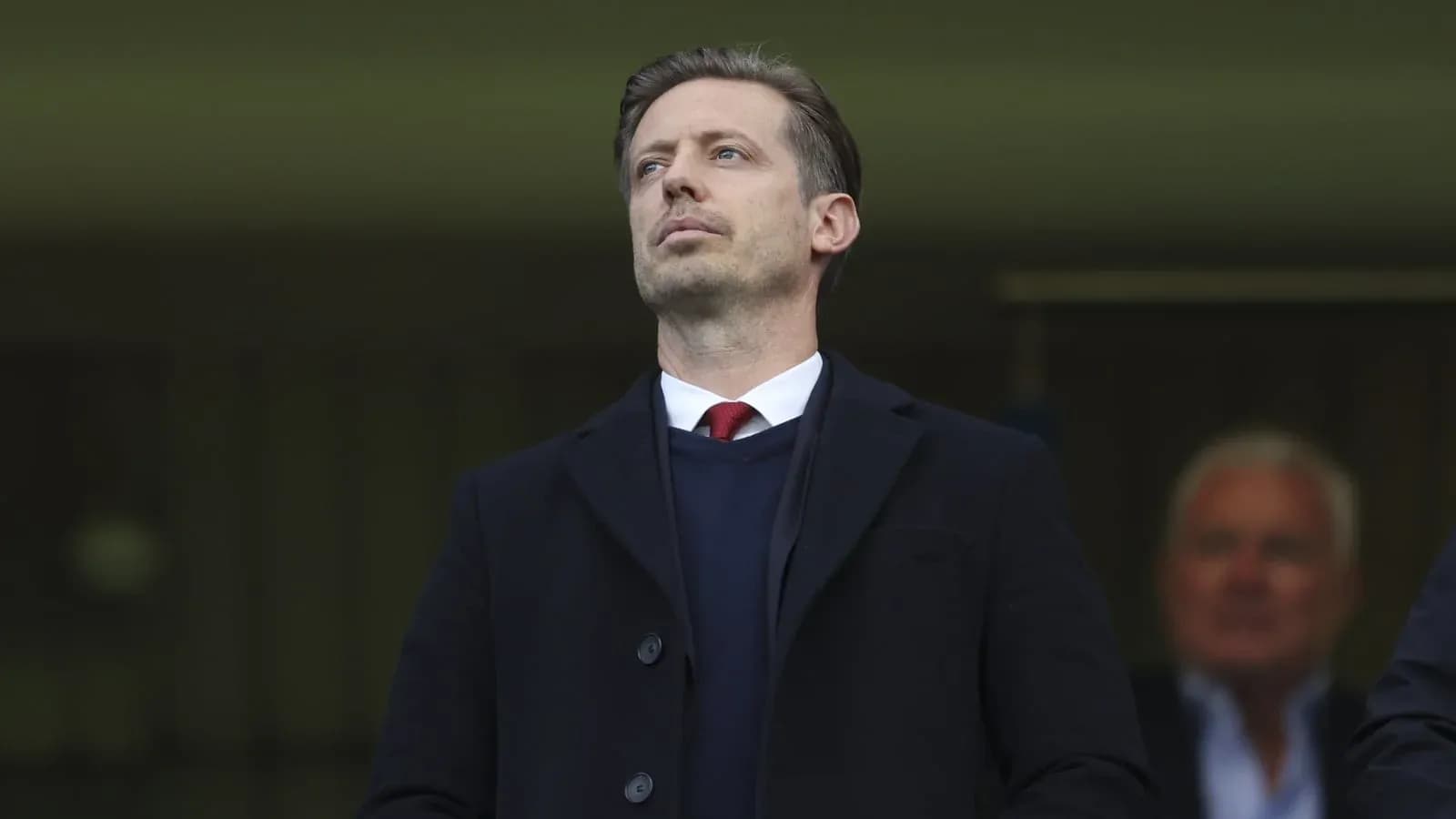
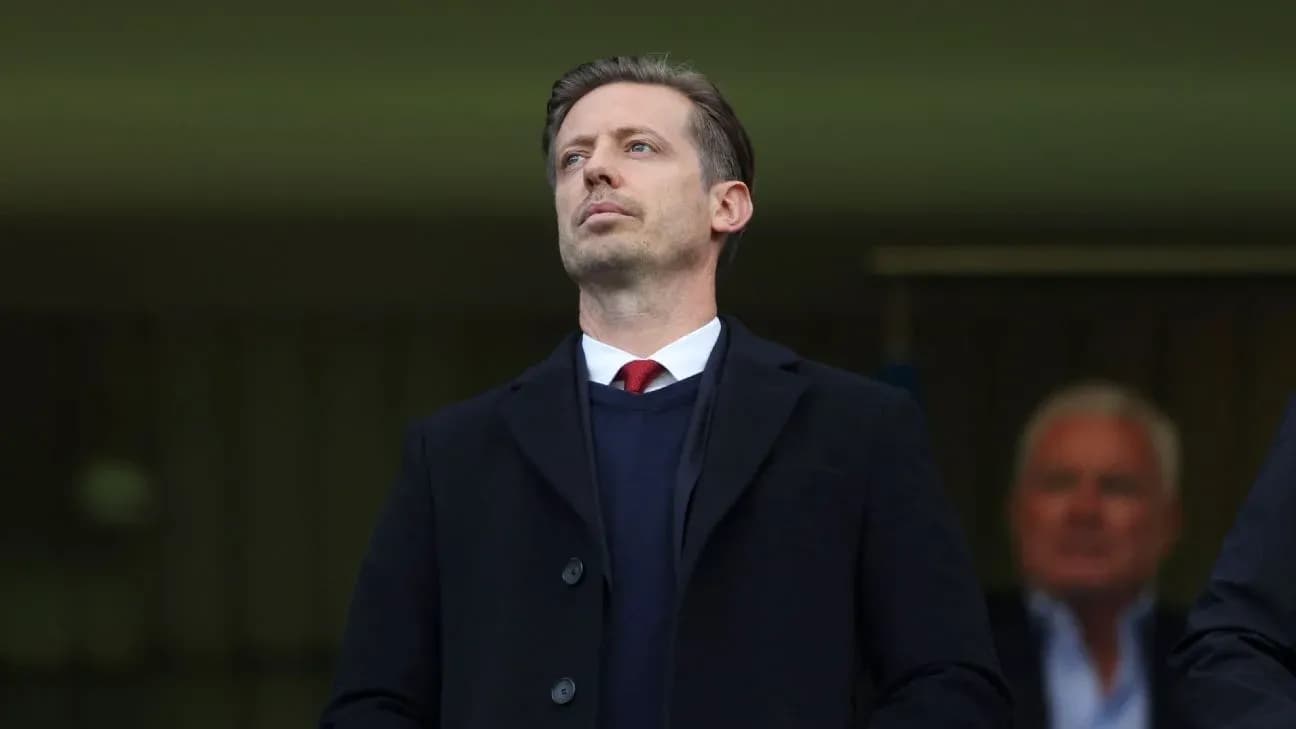
Michael Edwards Resigns: Liverpool's Power Shift Continues
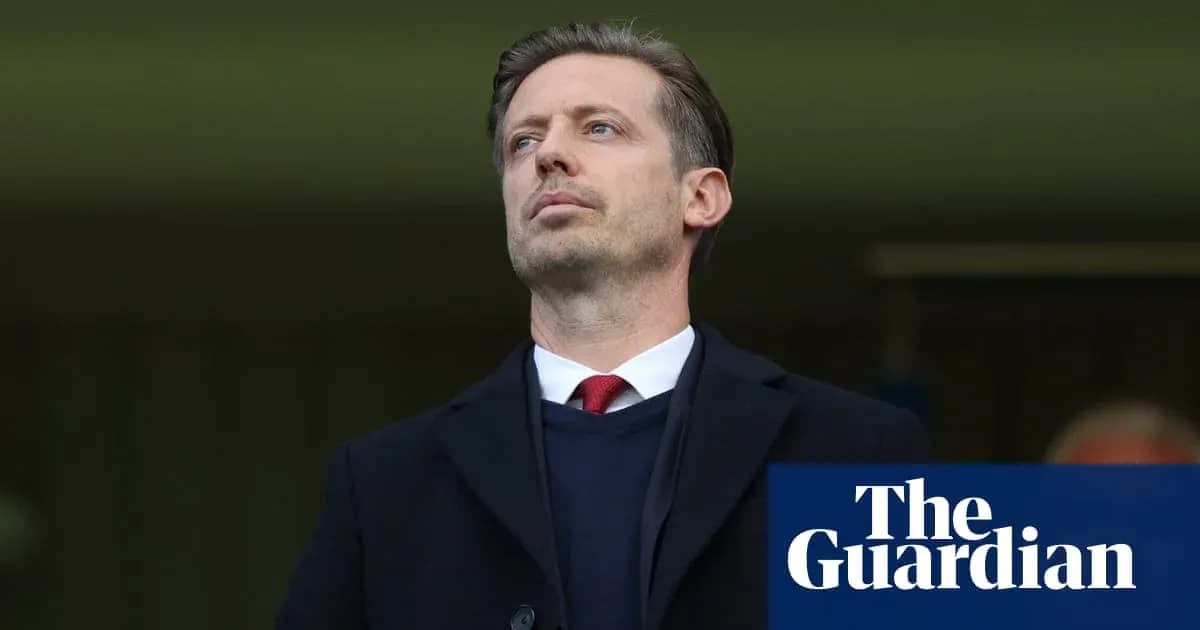
Michael Edwards walks away again, and Liverpool’s power structure shifts once more.
The architect of much of the club’s modern-era recruitment has resigned from his role as chief executive of football with owners Fenway Sports Group, leaving with a year still to run on his contract and a fresh set of questions for FSG to answer.
A grand plan that never took off
When Edwards returned in 2024, it was billed as a heavyweight comeback. The former sporting director, who helped build Jurgen Klopp’s title- and Champions League-winning squads, stepped into a more senior position, charged with shaping a multi-club model for FSG and guiding Liverpool through the post-Klopp transition.
The idea was bold: Liverpool as the flagship of a broader football empire, with Edwards at the centre of the strategy.
That project never truly got off the ground. Late last year, FSG quietly shelved their multi-club ambitions. Not long after, Edwards made clear he wanted out. Attempts to change his mind failed.
So he goes, again, this time from the very top of the football operation.
“It has been a privilege to return to Fenway Sports Group and Liverpool Football Club at such an important moment,” Edwards said in a statement, stressing that he believes the club remains “in a strong position, with outstanding people, a clear direction and the foundations in place for continued success.”
He spoke of being “excited” by the chance to steer Liverpool through “an important period of transition” and to help shape FSG’s wider football plans. Those plans, he admitted, “ultimately evolved differently to how we had originally envisaged,” though he underlined his pride in the work done to present ownership with “a broad range of thoughtful and well-developed options for the future.”
The farewell was rounded off with thanks to Mike Gordon, John Henry, Tom Werner, everyone at FSG and Liverpool, and, pointedly, the supporters “whose passion makes this club so special.”
Leadership gaps at a delicate moment
Edwards’ exit does not come in isolation. It lands at a time when speculation continues to swirl around sporting director Richard Hughes and links to a move to Saudi Arabia. Nothing is confirmed, but the noise refuses to die down.
For FSG, that means potential upheaval in two of the most influential football positions in quick succession, just as Liverpool attempt to settle into life after Klopp and bed in a new era.
The pressure on the ownership group to show clarity and stability at the top of the football department has rarely been sharper.
For now, FSG president Mike Gordon will take on Edwards’ responsibilities. Gordon, a long-time key figure behind the scenes at Anfield, stepped forward with a glowing tribute to the outgoing executive.
“When Michael returned in 2024, he did so at a pivotal moment for Liverpool, embracing a broader leadership role across our football interests in the process,” Gordon said, calling his contribution “extraordinary” and highlighting his “exceptional judgement, integrity and an unwavering commitment to building a strong football organisation for the long term.”
Gordon also pointed back to Edwards’ earlier spell, when Liverpool climbed back to the summit of the English game. “His return to the organisation saw Liverpool successfully navigate a significant period of transition before securing the club’s historic English league title, an achievement to which Michael made an important contribution.”
The message was clear: disappointment at his decision to leave, but deep gratitude for what he delivered. “On behalf of John Henry, Tom Werner and everyone at Fenway Sports Group, I would like to thank Michael for his outstanding service, friendship and leadership, and wish him and his family every success and happiness in the future.”
What comes next for FSG and Liverpool?
Strip away the polite statements and the reality is stark. Liverpool have lost, again, one of the sharpest minds behind their modern resurgence. The multi-club vision that tempted Edwards back has been parked. The man hired to mastermind it has gone.
Gordon steps in, a trusted lieutenant but also a figure now juggling an even heavier portfolio at a time of transition on and off the pitch.
Liverpool, Edwards insists, are “in a strong position.” The squad remains competitive, the structure still respected, the fanbase as fierce as ever. Yet the club’s next moves in the boardroom will say a great deal about whether that strength can be sustained.
With one powerbroker gone and another under scrutiny, FSG cannot afford many missteps.