.svg&w=384&q=75 "naujapitch logo")
Jorge Jesus Takes Over as Portugal Coach: A Bold New Era
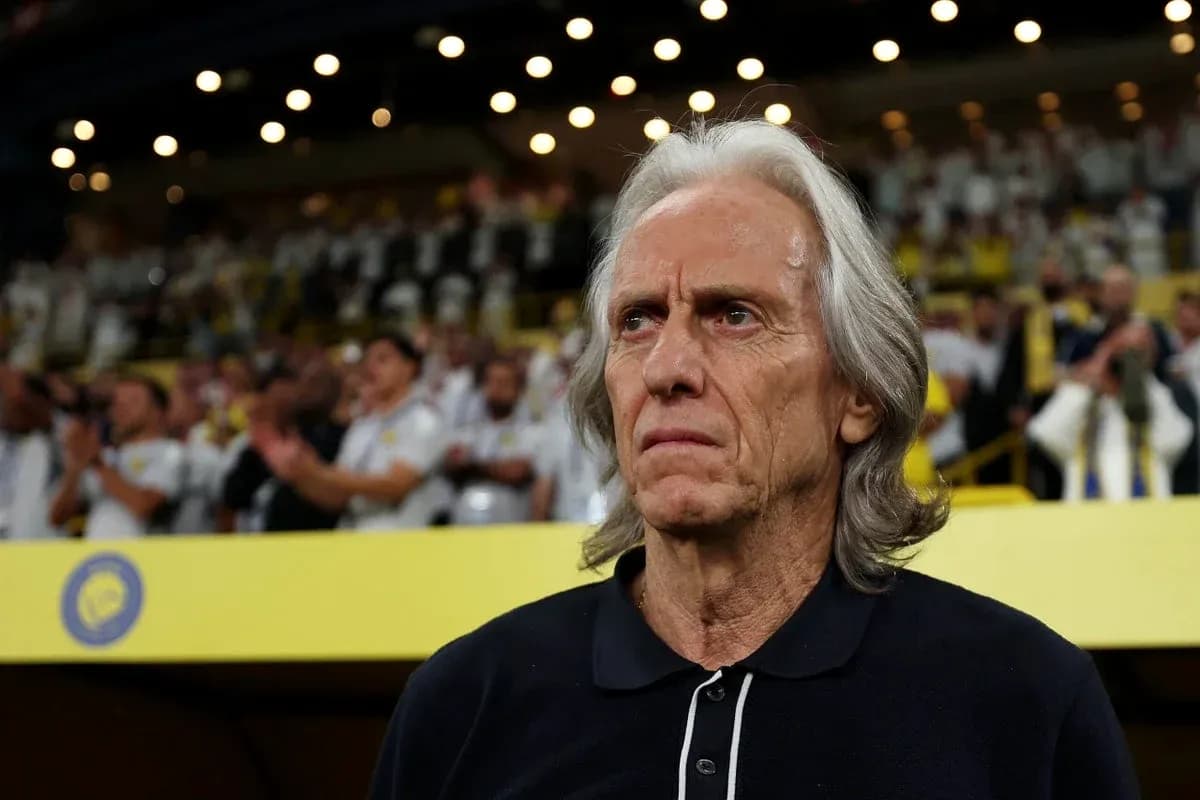
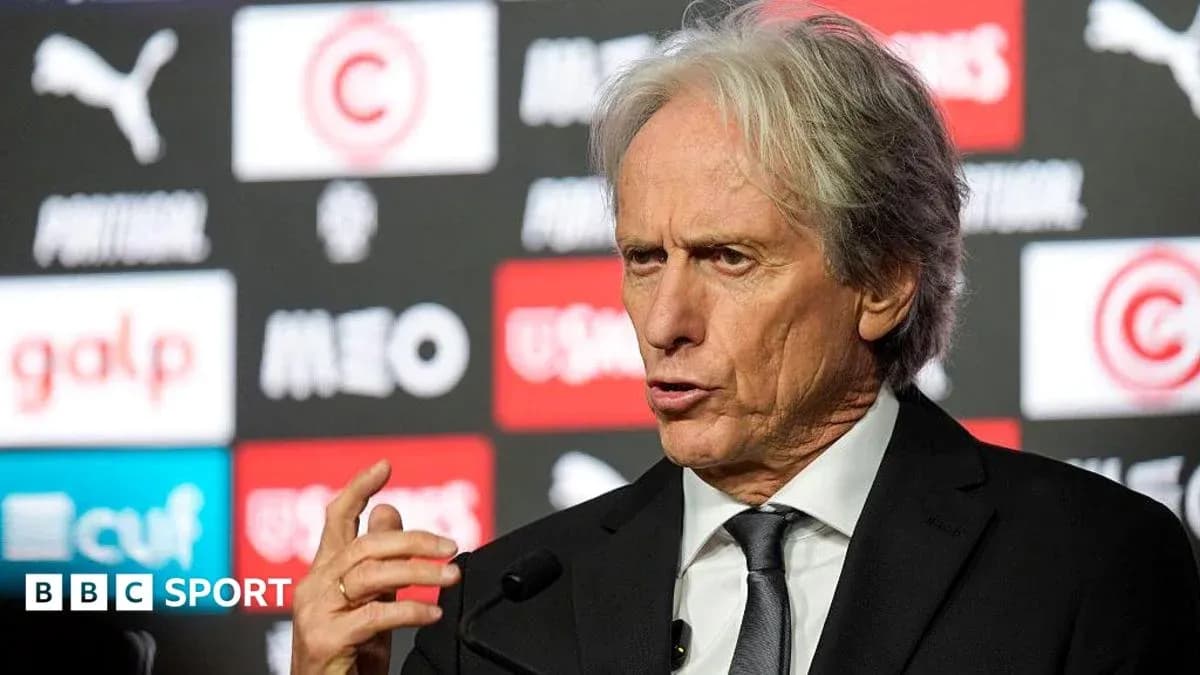
Portugal have turned to one of their most seasoned tacticians for the next World Cup cycle, appointing Jorge Jesus on a four-year contract that runs to the 2030 tournament the country will co-host with Spain and Morocco.
It is a bold, time-stamped bet: Jesus will be 77 by the end of that World Cup. The Portuguese federation clearly believes his fire will last that long.
A new era after Martinez
The change comes quickly on the heels of disappointment. Portugal went out of this summer’s World Cup in the last 16, edged 1-0 by Spain. Roberto Martinez had already made his intentions clear and steps away after a tenure that began in January 2023 and never fully convinced on the biggest stage.
Into that gap walks Jesus, a coach whose name has been linked to the national job for years but never quite landed it—until now.
The Ronaldo question, answered firmly
No appointment in Portuguese football comes without one immediate question: what about Cristiano Ronaldo?
Jesus knows the territory. He worked with the national team captain at Al Nassr during a one-year spell, the pair winning the Saudi Pro League title last season. That shared success matters. It gives the new coach a reference point, not a myth.
Ronaldo, 41, has already confirmed this World Cup was his sixth and final. He has not, though, officially drawn a line under his international career. His club contract at Al Nassr runs until 2027, a reminder that he does not see himself as a farewell act just yet.
Jesus left no room for doubt over how he views the forward’s place in the national conversation. He called Ronaldo a “symbol of Portuguese football” and made his stance clear: as long as the veteran is playing and in the right condition, he will select him—on his terms, and under what he considers best for the team.
He has not spoken to Ronaldo since taking the job. That, he insisted, is no cause for drama. Ronaldo, he said, will never be a problem for the national team, nor for him. Their year together in Saudi Arabia, he stressed, was a pleasure. Easy to work with, not a burden.
The message is unmistakable: the door is open, but it will be on Jesus’ conditions, not on sentiment.
Nations League debut, World Cup on the horizon
The first glimpse of the new Portugal will come quickly. Jesus’ debut in the dugout is set for 24 September, when Portugal open their Nations League Group D campaign against Wales.
That match will be a small step, but the bigger picture looms. In four years’ time, Portugal will not just be competing at a World Cup; they will be hosting it alongside Spain and Morocco. The pressure to arrive at that tournament as genuine contenders, not ceremonial hosts, is immense.
Jesus has been hired to build a side that can carry that weight.
A CV built on trophies and turmoil
If there is one thing Jesus brings, it is a track record of winning and of handling big clubs with big expectations.
He is fresh from a domestic treble with Al Hilal in the 2023-24 season, a reminder that his methods still translate into modern success. Before that, he carved out a formidable legacy at Benfica, where he lifted league titles in 2010, 2014 and 2015 during his first spell in charge and turned them into a relentless domestic force.
His career has never been confined to Portugal. In Brazil, he became a cult figure at Flamengo during a whirlwind year, collecting five major trophies, including the Brazilian league and the Copa Libertadores in 2019. That run cemented his reputation as a coach who can walk into a demanding environment and deliver silverware fast.
Now he returns to lead his own country, with more miles on the clock but the same aggressive, front-foot footballing philosophy that defined his earlier years.
A coach, a legend, and a ticking clock
So the stage is set. A 71-year-old coach with a chest full of medals. A 41-year-old icon still refusing to fade quietly. A nation that will host the world in 2030.
Jesus has his contract. Ronaldo has his status. The only unknown is how long their paths will truly run together—and whether that partnership can carry Portugal to the heights a home World Cup demands.