.svg&w=384&q=75 "naujapitch logo")
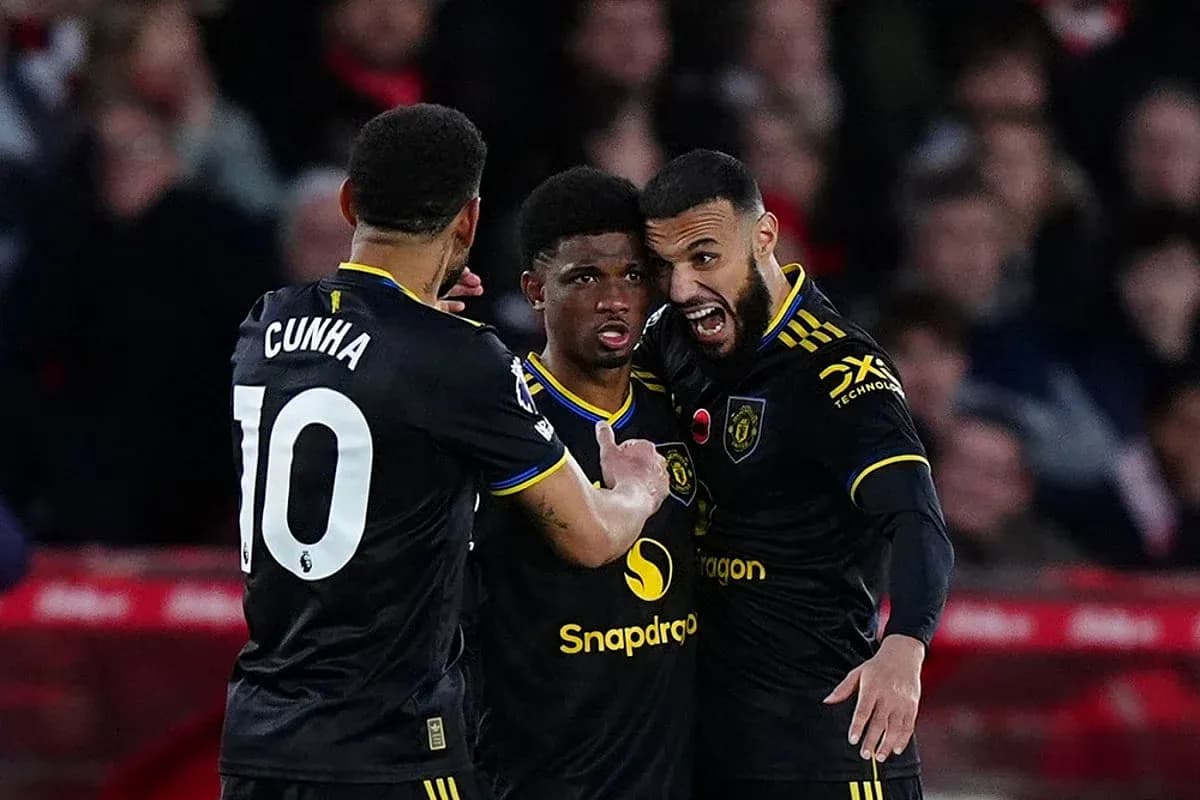
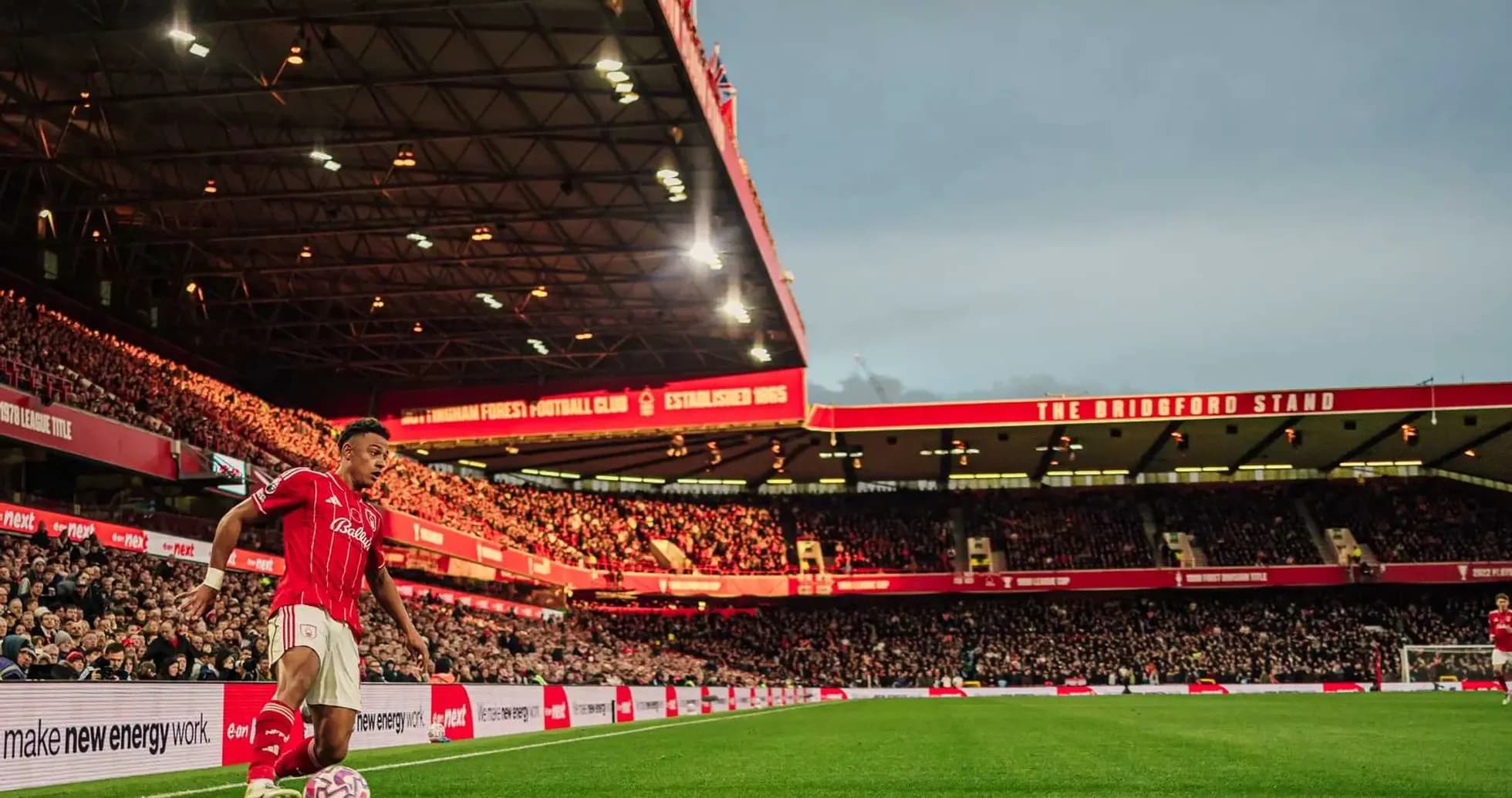
Manchester United vs Nottingham Forest: Premier League Round 37 Preview
In 2026 at Old Trafford, Manchester United host Nottingham Forest in Premier League Regular Season Round 37, a high‑leverage late‑campaign fixture: United sit 3rd with 65 points and are closing in on Champions League qualification, while Forest are 16th on 43 points, looking to lock in safety before the final day.
Head-to-Head Tactical Summary
On 1 November 2025 at the City Ground in the Premier League (Regular Season - 10), Nottingham Forest and Manchester United drew 2-2. United led 1-0 at half-time (0-1), but Forest recovered to take a point in a game that underlined Forest’s capacity to adjust and United’s vulnerability when trying to protect leads away from home.
On 1 April 2025, also at the City Ground in the Premier League (Regular Season - 30), Forest beat United 1-0. Forest were 1-0 ahead at half-time (1-0) and managed the game well from a compact base, showing they can control territory and tempo when in front.
On 7 December 2024 at Old Trafford in the Premier League (Regular Season - 15), Forest won 3-2. The sides were level 1-1 at half-time (1-1), and Forest’s ability to exploit transition moments after the break exposed United’s defensive structure at home.
In the FA Cup 5th Round on 28 February 2024 at the City Ground, United edged a 1-0 win, with the game goalless at half-time (0-0). United’s patience and late-game control were decisive in a tight cup tie.
On 30 December 2023 in the Premier League (Regular Season - 20) at the City Ground, Forest beat United 2-1. It was 0-0 at half-time (0-0), and Forest’s second-half punch again highlighted their threat when the game opens up.
Overall, recent meetings show Forest repeatedly finding ways to trouble United, particularly at the City Ground, while United’s most recent success in this sequence came in a controlled FA Cup away win. At Old Trafford, the last league meeting ended in a 3-2 defeat for United, underlining that home advantage has not guaranteed defensive stability in this matchup.
Global Season Picture
- League Phase Performance: In the league phase, Manchester United are 3rd with 65 points from 36 matches (18 wins, 11 draws, 7 losses), scoring 63 goals and conceding 48. Their goal difference of +15 reflects a productive attack but a defense that allows chances. At home, they have 12 wins, 3 draws and 3 losses from 18 matches, with 36 goals for and 22 against. Nottingham Forest are 16th with 43 points from 36 matches (11 wins, 10 draws, 15 losses), with 45 goals scored and 47 conceded (goal difference -2). Away from home they have been comparatively stronger: 7 wins, 3 draws and 8 losses, with 26 goals for and 25 against, suggesting a counter-attacking profile that travels well.
- Season Metrics: Across the data provided, team statistics align exactly with league totals, so these indicators apply in the league phase. Manchester United show an attack that averages 1.8 goals per match (63 goals in 36) and concedes 1.3 per match (48 in 36). At Old Trafford they average 2.0 goals scored and 1.2 conceded, supporting a front-foot, high-risk style. Their disciplinary profile includes a spread of yellow cards rising after the break, with a concentration between minutes 46-60 and 76-90, pointing to aggressive pressing and occasional late-game strain. Red cards are clustered between minutes 46-60 and 76-90, which can disrupt game management in tight contests. Nottingham Forest average 1.3 goals scored and 1.3 conceded per match (45 for, 47 against), with slightly higher attacking output away (1.4 goals per game) and similar defensive numbers (1.4 conceded). This suggests a team comfortable ceding some initiative and breaking, especially on the road. Their yellow cards are also most frequent between minutes 46-75, consistent with a side that intensifies duels in the middle of games. A single red card in the 31-45 window underlines that while Forest can be combative, outright dismissals have been rare.
- Form Trajectory: In the league phase, United’s form string of DWWWL indicates a strong recent run with three consecutive wins followed by a draw and then a defeat. The pattern is of a team that has largely been in upward motion but remains prone to occasional setbacks, particularly when defensive concentration dips. Forest’s league form of DWWWD shows an unbeaten stretch with three wins and two draws. That sequence suggests a side that has stabilised after previous volatility, tightening up defensively and finding enough attacking efficiency to turn close games into positive results. Coming into Old Trafford on this trajectory, Forest are not playing like a typical 16th-placed side and carry momentum into the final two rounds.
Tactical Efficiency
Without explicit numerical attack/defense indices from the comparison block, the tactical efficiency picture must be inferred from the league-phase statistics profile. Manchester United’s attacking efficiency is high (1.8 goals per game overall, 2.0 at home), supported by the use of attacking formations such as 3-4-2-1 and 4-2-3-1 in equal measure. They convert possession into goals reliably, but the defensive side (1.3 goals conceded per match, 1.2 at home) points to an open structure: they win by outscoring rather than suffocating opponents. The card distribution, with many yellows and several reds in the second half, indicates that their pressing and counter-pressing intensity can slide into risk, especially when chasing or protecting narrow leads. Nottingham Forest operate closer to parity: 1.3 goals scored and 1.3 conceded per match, with a slightly more dangerous away attack (1.4 goals) and comparable defensive record. Their flexible use of formations (primarily 4-2-3-1 but with occasional 5-3-2, 3-4-3 and others) shows a pragmatic approach, tailoring their shape to opponent and game state. The relatively high number of clean sheets (9) combined with 14 matches where they failed to score suggests a boom-or-bust attacking profile: when their transitions click, they can be efficient; when they are pinned back, they struggle to generate xG and rely on defensive resilience. In relative terms, United’s “attack index” is superior, particularly at home, but Forest’s “defense index” away is good enough to keep games tight. The recent head-to-head record, including a 3-2 Forest win at Old Trafford and a 2-2 draw at the City Ground, confirms that Forest’s counter-attacking and set-piece threat can match or even surpass United’s attacking output on the day if United’s defensive structure is not precise.
The Verdict: Seasonal Impact
For Manchester United, this Round 37 fixture is about securing Champions League football and potentially strengthening their position in the top three. With 65 points and a strong goal difference, a win at Old Trafford would almost certainly lock in a Champions League place and keep external pressure on the teams above. Dropped points, however, would reopen the door for chasing sides in the top-four race and could turn the final day into a high-risk scenario, especially given United’s tendency to concede (48 goals in the league phase). For Nottingham Forest, sitting 16th on 43 points with a near-neutral goal difference (-2), the seasonal impact is primarily about safety and psychological momentum. A win or even a draw at Old Trafford would likely push them decisively clear of the relegation zone and validate their recent DWWWD upturn, reinforcing belief in their current tactical approach. It would also confirm their identity as a dangerous away side capable of upsetting elite teams, as seen in their recent head-to-head results. If Forest lose, their away record would still remain respectable, but they could enter the final round needing a result or scoreboard help, depending on other relegation rivals’ outcomes. Given their high number of matches without scoring (14), going into a last-day decider would carry clear risk. Strategically, this match is a convergence point: United aim to translate attacking firepower into guaranteed Champions League qualification, while Forest look to convert their improved form and away efficiency into mathematical safety. The outcome will shape not only immediate table positions but also the narrative heading into the final round — either confirming United as a resurgent top-four constant and Forest as safely mid-lower table, or leaving both clubs exposed to late-season tension in their respective battles.