.svg&w=384&q=75 "naujapitch logo")
Dembélé Shines in France's 4-1 Victory Over Norway
The posters sold it as Kylian Mbappé v Erling Haaland, a Golden Boot duel on American soil. Boston Stadium expected a shootout between the sport’s two most ruthless finishers.
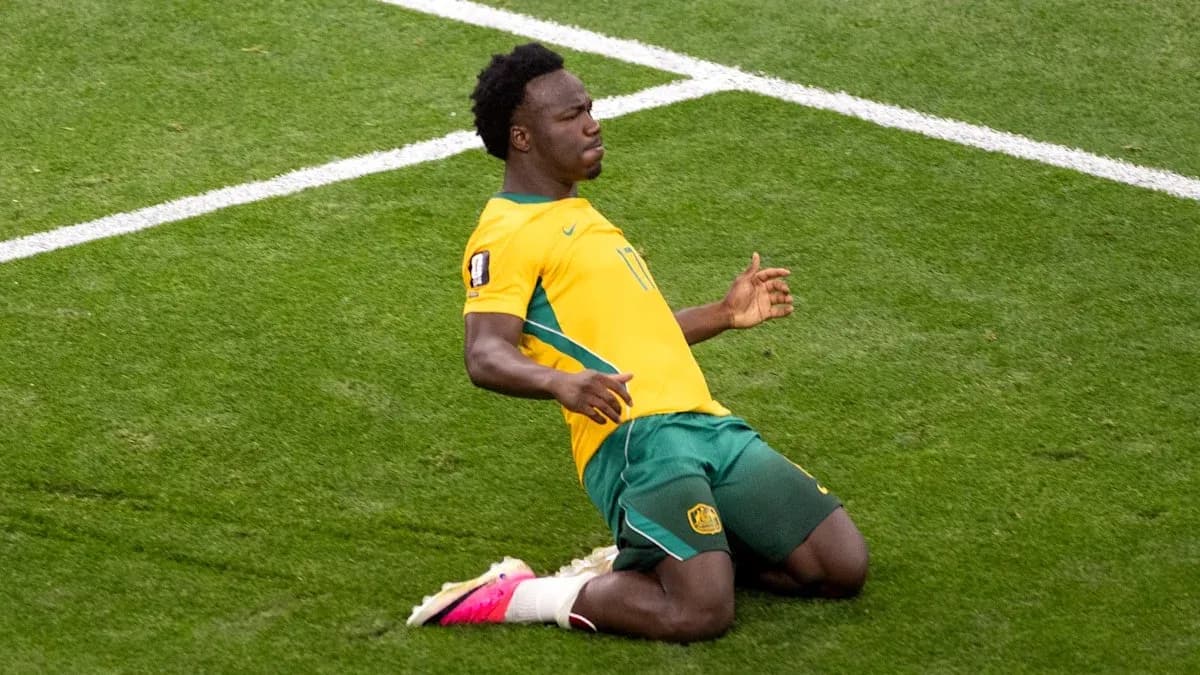
Instead, the night belonged to Ousmane Dembélé.
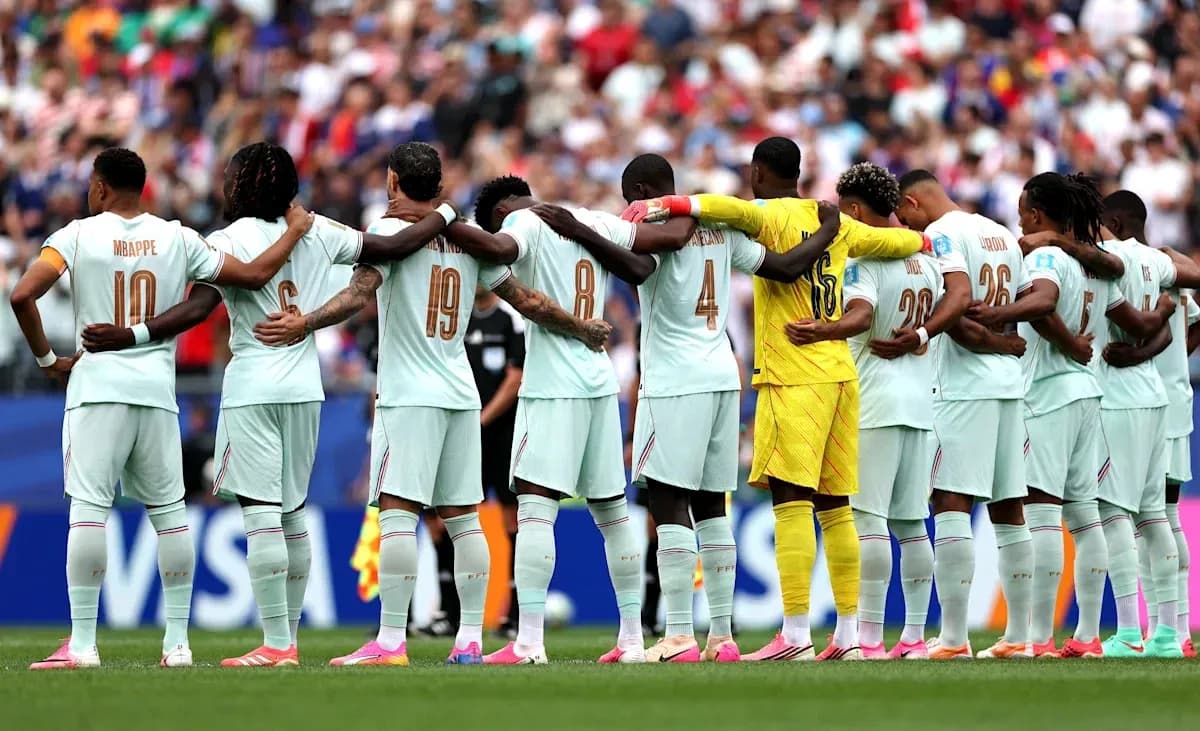
The Ballon d'Or winner tore through a second-string Norway with a blistering 25‑minute hat-trick in the first half as France cruised to a 4-1 victory, sealed top spot in Group I and quietly underlined their credentials for a World Cup they hope to lift in New Jersey on 19 July.
Haaland rests, Dembélé runs riot
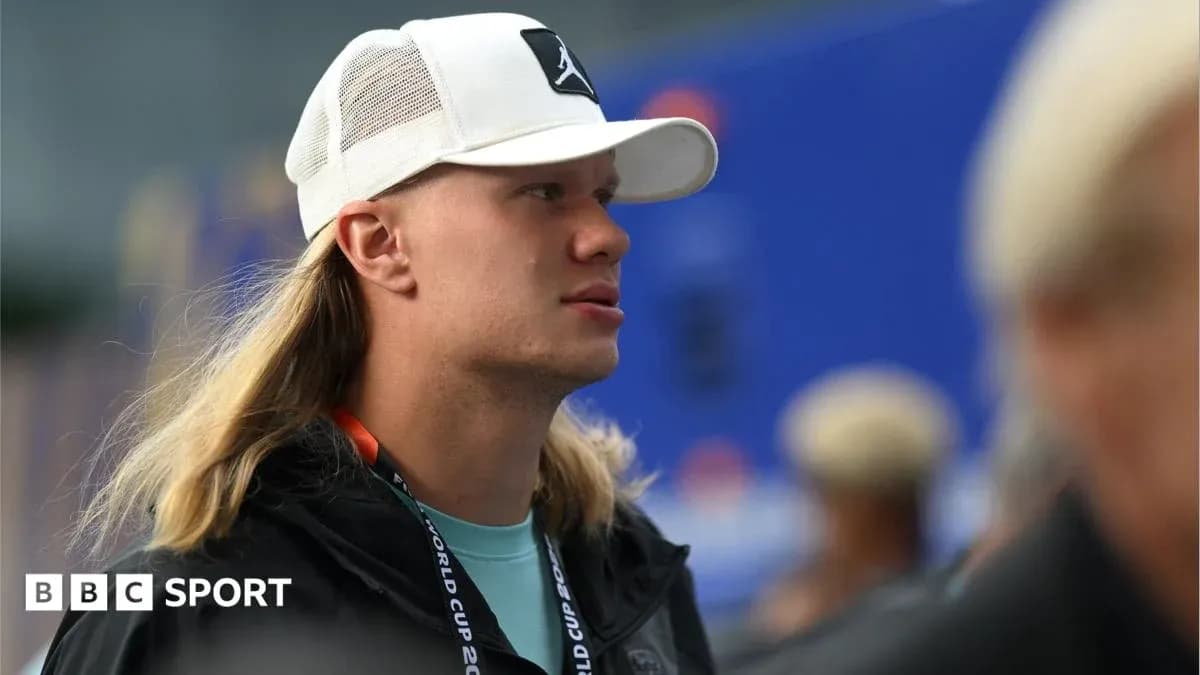
The twist came an hour before kick-off. Team sheets dropped, and Haaland’s name sat on the bench. For the first time since 2024, the Manchester City striker did not start a game for his country. Ståle Solbakken had swung the axe hard: 10 changes, a virtually new XI, with qualification already secured.
“A no-brainer,” the Norway coach insisted. Medical staff, physios, players – all, he said, aligned on the decision. The only hesitation? The fans who had crossed an ocean to see Haaland and Martin Ødegaard.
Solbakken pointed back to the win over Senegal. “Five or six players very affected after 80 minutes. The entire defensive line and one or two midfielders.” His message was clear: legs needed saving, even if reputations took a hit.
France showed no such restraint. Didier Deschamps unleashed his attacking riches and they almost struck immediately. Inside the opening minute, Mbappé rattled the underside of the bar, a warning that the world champions-in-waiting did not intend to cruise through this dead rubber.
The pressure told. And it was Dembélé who cashed in.
Norway’s makeshift back line, short on rhythm and understanding, left gaps. Dembélé found them all. He darted in from wide areas, drifted between the lines, punished every loose touch and slow reaction. By the time his third flew in before the interval, the contest – and the group – felt done.
From a game hyped as Mbappé v Haaland, the headline became Dembélé v Norway’s gamble.
Norway’s big call
Resting Haaland was always going to dominate the debate. The striker had already scored four times in the first two group matches and had spoken candidly after his double in the 3-2 win over Senegal.
“I couldn't care too much about that game now,” he said then, already looking beyond France. “They're probably going to win against us. They're probably going to win the whole tournament.”
Norway’s plan, then, was unapologetic: accept France’s likely superiority, protect the core of the team, and trust themselves to finish the job in the last 32. Former England striker Ian Wright summed it up on ITV Sport before kick-off: if Haaland needed a rest for the latter stages, he would take it.
But the game still had its moments. With Haaland watching on, his stand-in Jørgen Strand Larsen earned a chance to drag Norway back into it from the penalty spot after the break. At 3-1 down, a goal would have made it 3-2 and shifted the mood completely.
He missed. The opportunity, and any real sense of jeopardy for France, disappeared with it.
Wright admitted he was “surprised” by the scale of Solbakken’s rotation, especially after Norway had named the same starting XI for wins over Iraq and Senegal. Pat Nevin, speaking on BBC Radio 5 Live, cut to the heart of the dilemma: the brutal travel demands of this World Cup and the punishing, physical style Norway rely on.
“It is quite complicated,” Nevin said. Lose this game, he argued, and you face massive distances, uprooting the squad and all the disruption that brings. But go full throttle, maintain the same intensity, and risk losing key players? For Norway, that risk clearly outweighed the reward of topping the group.
Nevin pointed to their usual line-up: a towering side, with around six players over 6ft 4in or 6ft 5in, including Haaland, capable of turning any match into an aerial and physical battle. That version of Norway, he suggested, would have asked France very different questions. It certainly would not have offered as much space as Dembélé enjoyed.
Fans pay, France profit
The human cost of the decision sat in the stands. Thousands of Norwegian fans, many having spent heavily to follow their team across the United States, watched their heroes sit this one out. When the line-ups were announced, there was audible head-scratching inside Boston Stadium.
The supporters refused to sulk. They rolled out their now familiar Viking-style rowing celebration, roaring and swaying in unison before and during the game, determined to wring joy from a night that had lost its marquee attraction.
On the pitch, though, France were ruthless. Three wins from three, top of Group I, and a knockout path that now looks as comfortable as a World Cup can allow. Their reward is a last-32 tie at New York New Jersey Stadium on 30 June, against the runners-up in Group F or G. They stay in the region, they stay in their groove.
Norway do not. Based in Greensboro, North Carolina, they now face a 1,100‑mile haul to Arlington, Texas, to meet Ivory Coast on the same day. Had they topped the group, the journey would have been roughly half that. The price of rotation is measured not just in scorelines, but in air miles.
Beat Ivory Coast, and the logic behind Solbakken’s gamble sharpens. Victory would send Norway back north to New Jersey for a last-16 clash on 5 July against the winners of Brazil v Japan. Lose, and the decision to rest Haaland and rip up the XI for France will be dissected for years.
History’s mixed verdict
Norway’s 10-man shuffle joins a small, curious World Cup club. Only three other teams have made 10 or more changes to their starting XI in a single edition.
Spain did it in 2006, rotating all 11 players against Saudi Arabia, won that final group game – and then crashed out 3-1 to France in the last 16. Fresh legs, early exit.
Belgium offer the counterpoint. In 2018, they made 10 changes, still beat Japan 3-2 in a wild last-16 tie, then knocked out Brazil 2-1 in the quarter-finals before eventually falling to France. Rotation, in that case, helped fuel a deep run.
Solbakken will hope his Norway fall on the Belgian side of that divide.
For now, the record will show a 4-1 France win, a Dembélé hat-trick, and a night when the World Cup’s most hyped individual duel never materialised. The real verdict on Norway’s gamble arrives in Arlington.
Will a rested Haaland and a reloaded “normal side” turn this calculated risk into a masterstroke – or the moment their World Cup journey started to unravel?