.svg&w=384&q=75 "naujapitch logo")
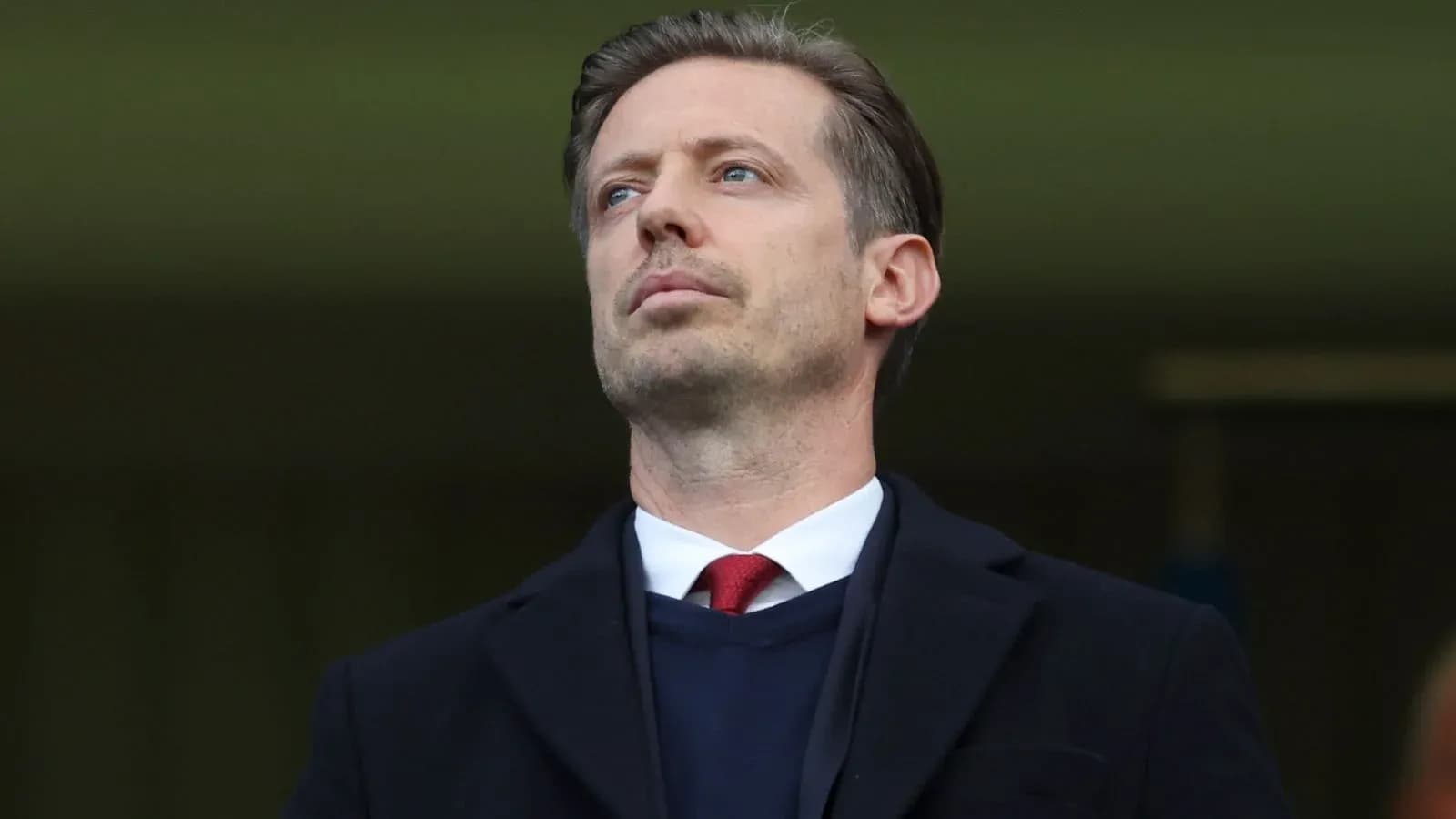
Michael Edwards Leaves Liverpool: A Defining Chapter Ends
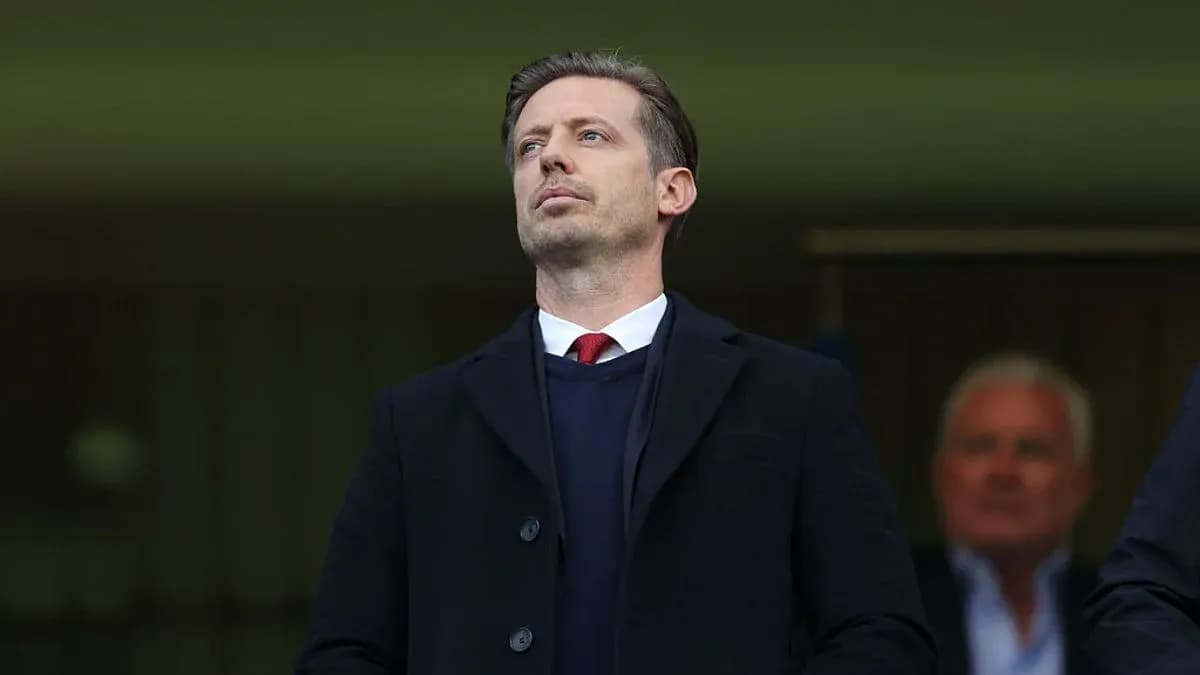
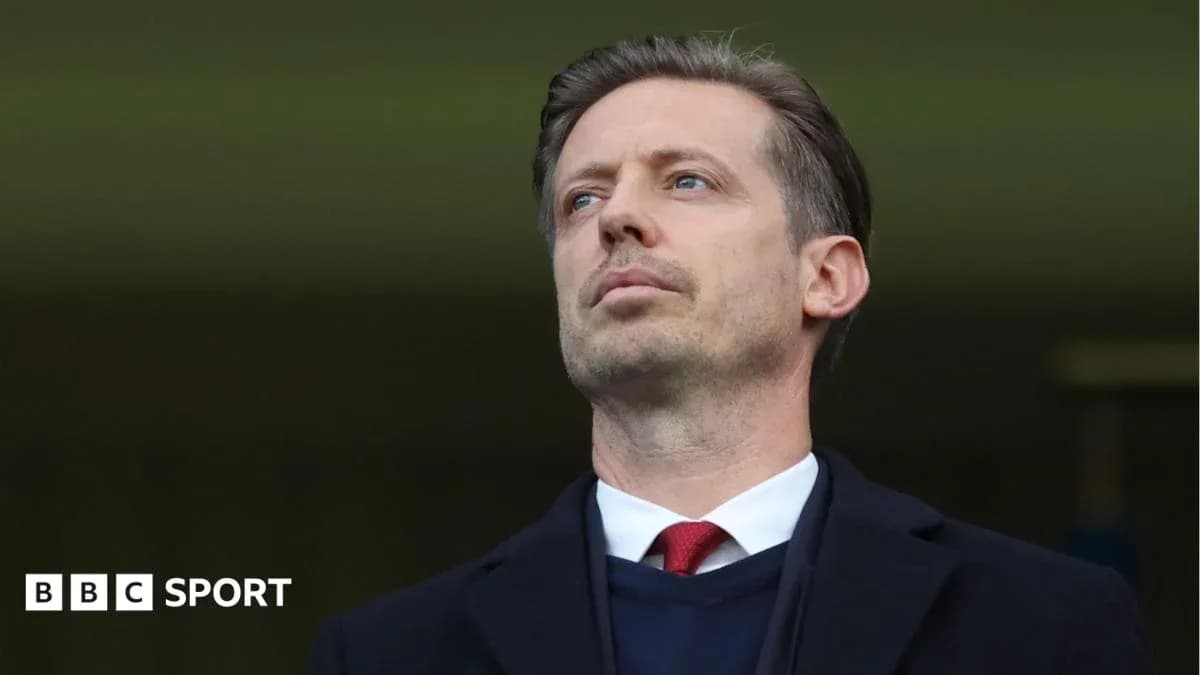
Michael Edwards has stepped away from Fenway Sports Group and Liverpool again, this time from the top of the football pyramid, leaving his role as CEO of football ahead of the 2026/27 season and closing a defining chapter in the club’s modern history.
FSG called it a “planned transition”. On paper, that sounds neat and orderly. In reality, it underlines another sharp turn in a period of relentless change at Anfield.
Architect of an era walks away
Edwards first arrived at Liverpool in 2011, a backroom analyst stepping into a club still searching for a way back to the summit. He moved through the hierarchy – performance director, then sporting director in 2016 – and quietly became one of the most influential figures in the Premier League.
The recruitment record under his watch is etched into Liverpool folklore. The spine of the team that finally delivered the 2019/20 Premier League title – the club’s first league crown since 1990 – carried his fingerprints. The title felt like a release; for Edwards, it was vindication of a data-driven, disciplined strategy that reshaped the squad and reset expectations.
He left in 2022 with his reputation burnished, only to be drawn back in March 2024 in a new guise: CEO of football for FSG, overseeing all football operations at Liverpool just as Jurgen Klopp’s era was winding down. It was a bigger brief, stretching beyond the dugout and into FSG’s broader football ambitions.
Those ambitions, he now admits, did not unfold as originally imagined.
Change at the top, change in the dugout
FSG’s statement framed Edwards’ exit as the “culmination” of a process rather than a rupture. Since his return, he has helped design and install a new football leadership structure and appoint a new head coach, steering the club through the emotional and strategic turbulence of Klopp’s departure.
Arne Slot arrived in June 2024, tasked with following a legend. He did what many thought impossible: in 2025, Liverpool claimed a historic 20th English league title. The club’s identity – high intensity, high stakes, high expectations – remained intact.
But the glow did not last. A below-par second season eroded momentum, and Slot was replaced by Andoni Iraola in early June. Another reset. Another new voice in the dressing room. Another shift for a squad already adjusting to life after Klopp.
Through it all, Edwards sat at the centre of the storm, shaping the framework in which those decisions were made. FSG pointed to “the continued evolution of the club’s football operation” during his tenure and highlighted that 20th title as proof that the model still works.
Now, the man who helped build that model is gone.
Salah question looms over a changing hierarchy
The timing is impossible to ignore. Edwards departs on the eve of a 2026/27 campaign that already carries a sense of jeopardy, with one issue towering above the rest: replacing Mohamed Salah.
Finding the next goalscoring talisman is the sort of problem Liverpool once trusted Edwards to solve. It is now one of the biggest tasks facing the reconfigured hierarchy, just as another potential fault line emerges.
Speculation around sporting director Richard Hughes only adds to the unease. If Hughes follows Edwards out of the door, Liverpool’s football structure – carefully rebuilt, then reshaped again – could face another jolt just when stability is needed most.
The club insists the transition is under control. The reality is that the people who defined Liverpool’s recruitment and long-term planning over the last decade are no longer guaranteed to be in the room.
Edwards’ final word
In his parting statement, Edwards struck a tone of pride and closure rather than frustration. He called it “a privilege” to return to FSG and Liverpool “at such an important moment” and insisted he leaves believing the club is “in a strong position, with outstanding people, a clear direction and the foundations in place for continued success.”
He acknowledged that the broader FSG project – their wider football ambitions beyond Liverpool – “ultimately evolved differently” to the original vision, but stressed his pride in the work done to present ownership with “a broad range of thoughtful and well-developed options for the future.”
There was a familiar roll call of thanks – Mike Gordon, John W. Henry, Tom C. Werner, colleagues across FSG and Liverpool – but he reserved his most pointed tribute for the supporters, whose passion he said “makes this club so special.”
“I will always be grateful to have been part of its story,” he concluded.
The story moves on quickly now. A new head coach in Andoni Iraola. A looming rebuild without Salah. A hierarchy potentially in flux. The architect has left the site; the blueprint remains.
What Liverpool build from here will define whether this was the end of a golden era, or just the end of Michael Edwards’ last act at Anfield.