.svg&w=384&q=75 "naujapitch logo")
World Cup Last 16: England's Rise and Upsets in Knockout Phase
Six days, 16 matches, and the World Cup has been carved in half. The field of 32 is down to 16, the margins thinner, the shocks sharper.
The loudest jolt came with Germany’s exit. A team with roughly a 63% chance of progressing were dragged into a penalty shoot-out by Paraguay and then dumped out of the tournament. On paper, it was a major upset. On the pitch, it felt like a power line snapping.
Had Senegal held on against Belgium, the tremor would have been just as strong. They could not. But the probabilities tell the story: that would have matched Paraguay’s shock value.
Morocco’s win over the Netherlands will be talked about as a surprise, but the numbers are more sober. Elo ratings had the Dutch at only about 55% to go through. A coin-flip tie, tilted slightly orange, decided in Moroccan green.
Some of the most lopsided ties before kick-off produced the most tension. Cape Verde, given only a 10% chance of progression, dragged holders Argentina into extra time. Congo, rated at 17% to advance, led England with a quarter of an hour left. Both underdogs eventually fell, but not before they tore strips off the script.
A familiar last 16 – with five outsiders clinging on
The geography of the knockout phase looks depressingly familiar. All Asian teams are gone. Only two African sides remain. The bracket is once again dominated by Europe and South America.
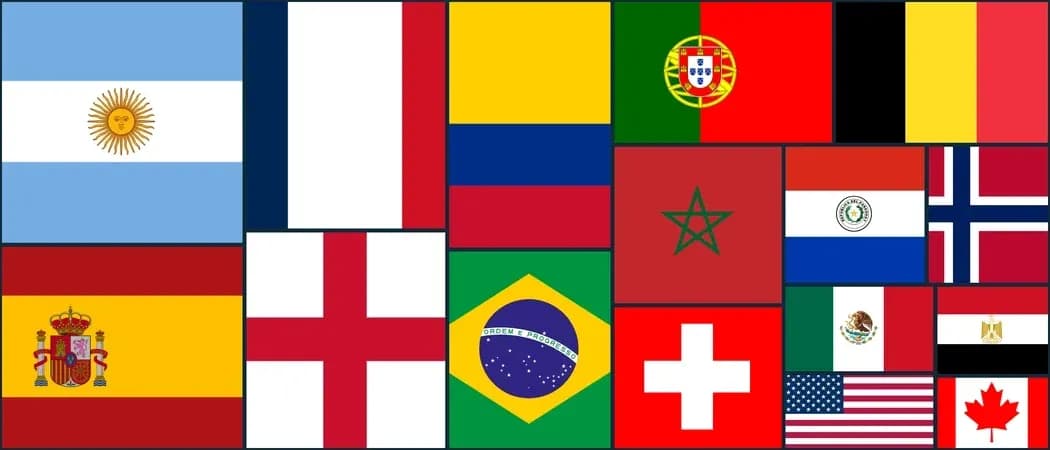
Five nations sit outside those traditional power blocs: Canada, Egypt, Mexico, Morocco and the United States. Between them, they carry only about a 3.5% chance of winning the tournament. They are the colour on the map, not the favourites on the board.
At the other end of the spectrum, Argentina are still standing but slightly diminished. Their escape against Cape Verde – after extra time, after frayed nerves – has clipped their overall win probability to 28%. The defending champions march on, but the model is less certain.
France are the biggest beneficiaries of Germany’s collapse. With one heavyweight removed from their side of the draw, their chance of lifting the trophy has jumped to 14%. Spain, who brushed aside Austria with something close to disdain, now sit at 16%. One more game negotiated, one more step closer.
France were just as ruthless as Spain, sweeping Sweden aside without fuss. The big guns, mostly, have done what big guns are supposed to do.
England’s climb into the clouds
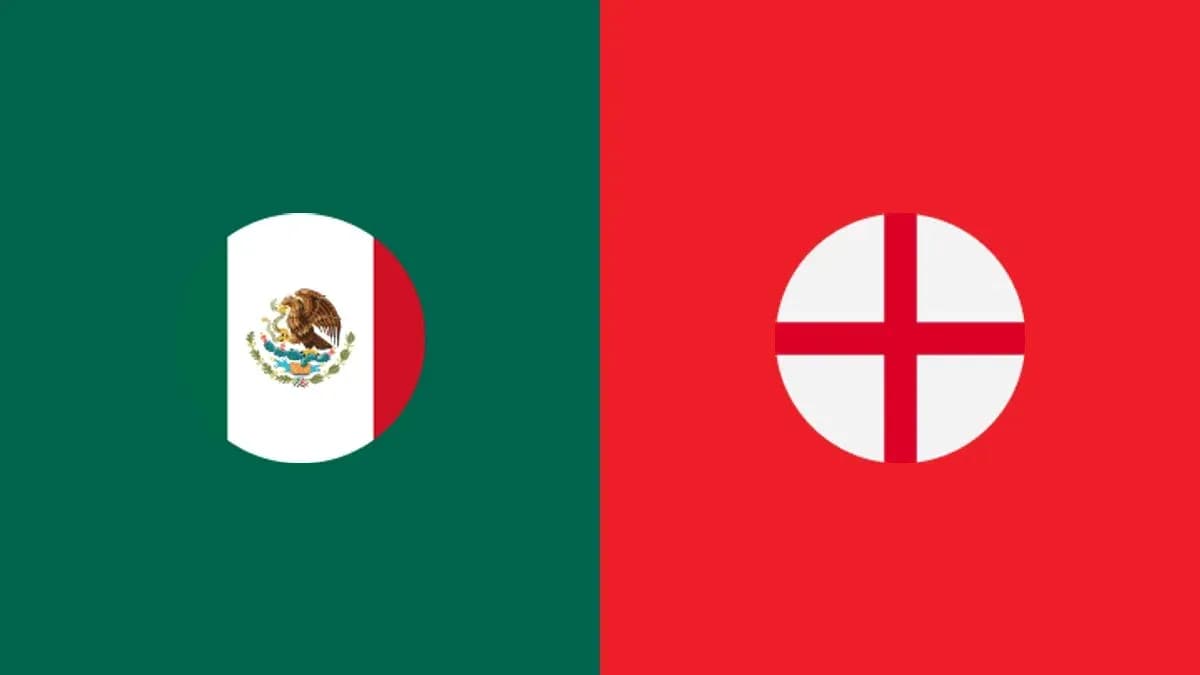
England’s odds have shifted too. They now stand at around 12% to win the World Cup. That rise owes as much to simple arithmetic – fewer teams left – as to any sudden transformation in form. Yet the path is brutal. Brazil and Argentina still loom in their half of the draw, assuming England first deal with Mexico in Mexico City.
On neutral ground, the numbers like England. Even allowing for home advantage, expected goals tilt heavily in their favour: 1.6 for England, 0.6 for Mexico. Run that through the model and it spits out a 62% chance of England winning in normal time, 13% for Mexico, and a 25% likelihood of a draw and the drama of penalties.
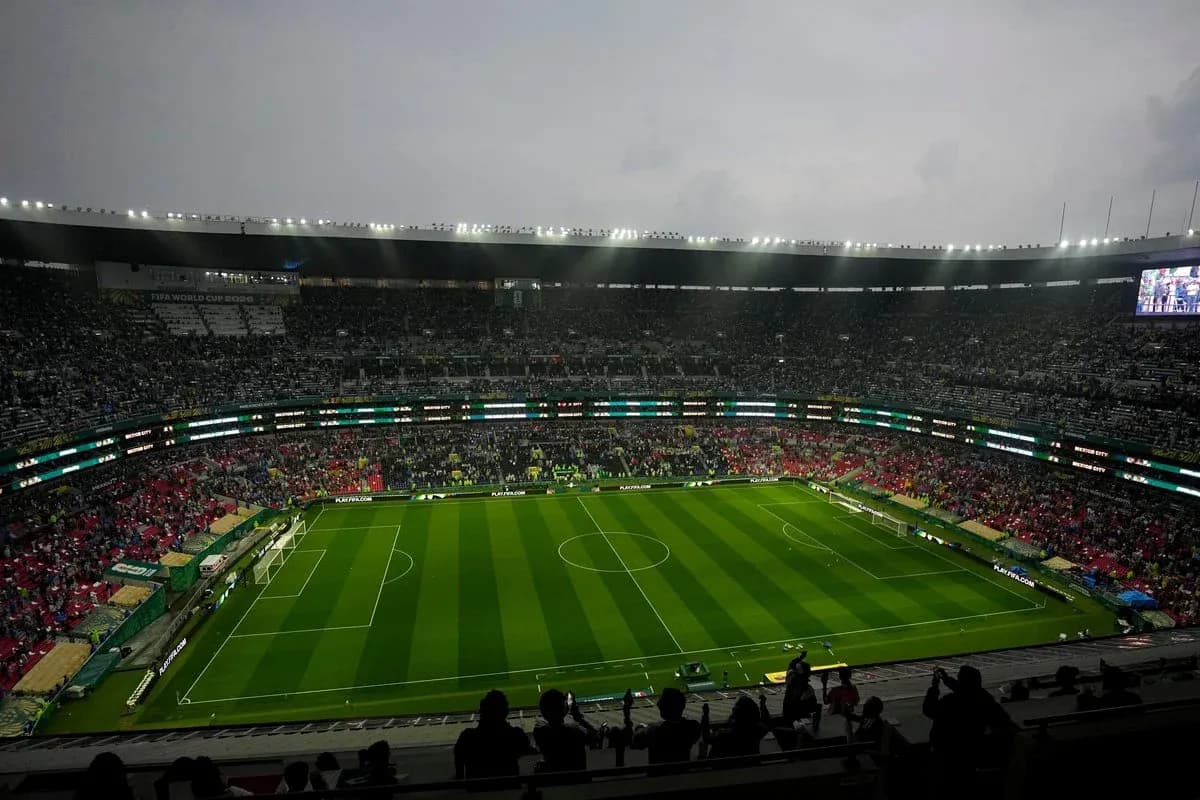
The obvious talking point is altitude. Mexico City sits above 2,000 metres, and the myths around high-altitude advantage are as thick as the smog. Thinner air, heavier legs, slower reactions – the stories write themselves.
The data is less romantic.
Looking at thousands of international matches played at different altitudes and rounding to the nearest 500 metres, the raw numbers show almost no simple relationship between altitude and home-win percentage. At or near sea level – within 250 metres either way – home sides win about 55% of the time. Roughly a third of all international matches fall into that band.
Between 250 and 750 metres, about 6% of matches have been played historically – close to 4,000 games. Up where Mexico City lies, between 2,000 and 2,250 metres, there have only been 265 matches. The home side has won 52% of those. Lower than at sea level.
That headline figure, though, ignores team strength. The Economic Observatory Elo ratings, which closely track FIFA rankings and have a strong record in predicting international results, help strip that out. They give each fixture an expected probability of a home win – 1 if the home side is certain to win, 0 if the away side is nailed on.
By coding actual outcomes as 1 for a home win and 0 otherwise, subtracting the Elo expectation and taking the mean, you get a measure of how much the home team over- or under-performs. Below about 1,750 metres, home sides win roughly as often as the model expects.
Above that line, something changes. Teams playing at higher altitudes – Bolivia above 3,000 metres; Ecuador, Ethiopia and Mexico above 2,000 – start to outperform the Elo prediction. The higher the climb, the more the home team edges beyond expectation.
Even so, the gap at the very highest altitudes, around 20 percentage points, still sits within the margin of error. The effect is real enough to notice, not strong enough to call decisive.
For England in Mexico City, that means no overwhelming disadvantage, but no free pass either. Little time to acclimatise, unfamiliar conditions, a host nation that knows every contour of the air. The scales tilt, but they do not flip.
If we assume altitude shaves 0.25 expected goals off England and adds 0.25 to Mexico, the probabilities tighten. England’s win chance drops to 48%, Mexico’s rises to 24%, with the rest again heading to penalties. The better side, by both Elo and transfer-market value, is still England. Altitude drags them back towards Mexico, it does not drag them level.
The rest of the bracket: favourites with frailties
The simulations for the remaining last-16 ties sketch out a bracket where the giants mostly hold serve, but not without risk.
Argentina are 77% likely to progress against Egypt. England, despite the altitude caveat, are put at 74% to go through against Mexico. Morocco, impressive and well-balanced, are 70% favourites over Canada.
Spain, relentless and controlled, are 72% to beat Portugal. Colombia carry a 70% chance of knocking out Switzerland. Brazil, at 69%, are expected to have too much for Norway. Belgium, given a 64% probability, should overcome the United States.
Then comes the awkward one: France against Paraguay.
On paper, France are the superior side and 62% favourites to advance. In practice, this may be their most awkward assignment yet. Paraguay’s defensive resilience, flagged before a ball was kicked in Group D, has been reinforced by their performances since. Aside from an opener against the United States, they have been stubborn, organised, hard to break.
The expected goals model underlines the grind. France are projected at just 1.1 xG in that tie, Paraguay at 0.6. For a free-scoring French side, that is a notable drop. For a Paraguayan team built on resistance, it is a platform.
The last 16, then, arrives with a familiar cast but an uneasy script. The favourites still stand, but they are being nudged, clipped, pushed to the edge by teams who were supposed to be making up the numbers.
England now climb towards the thin air of Mexico City, the altitude debate raging, the models still on their side. Whether the numbers or the noise prove louder will tell us plenty about where this World Cup is heading.