.svg&w=384&q=75 "naujapitch logo")
Uruguay's World Cup 2026 Exit: Muslera's Historic Blunders and Bielsa's Dilemma
Marcelo Bielsa’s Uruguay crashed out of World Cup 2026 with a whimper, beaten 1-0 by Spain and left picking through the wreckage of a campaign that ended with Fernando Muslera walking off at half-time.
A nightmare reaches its breaking point
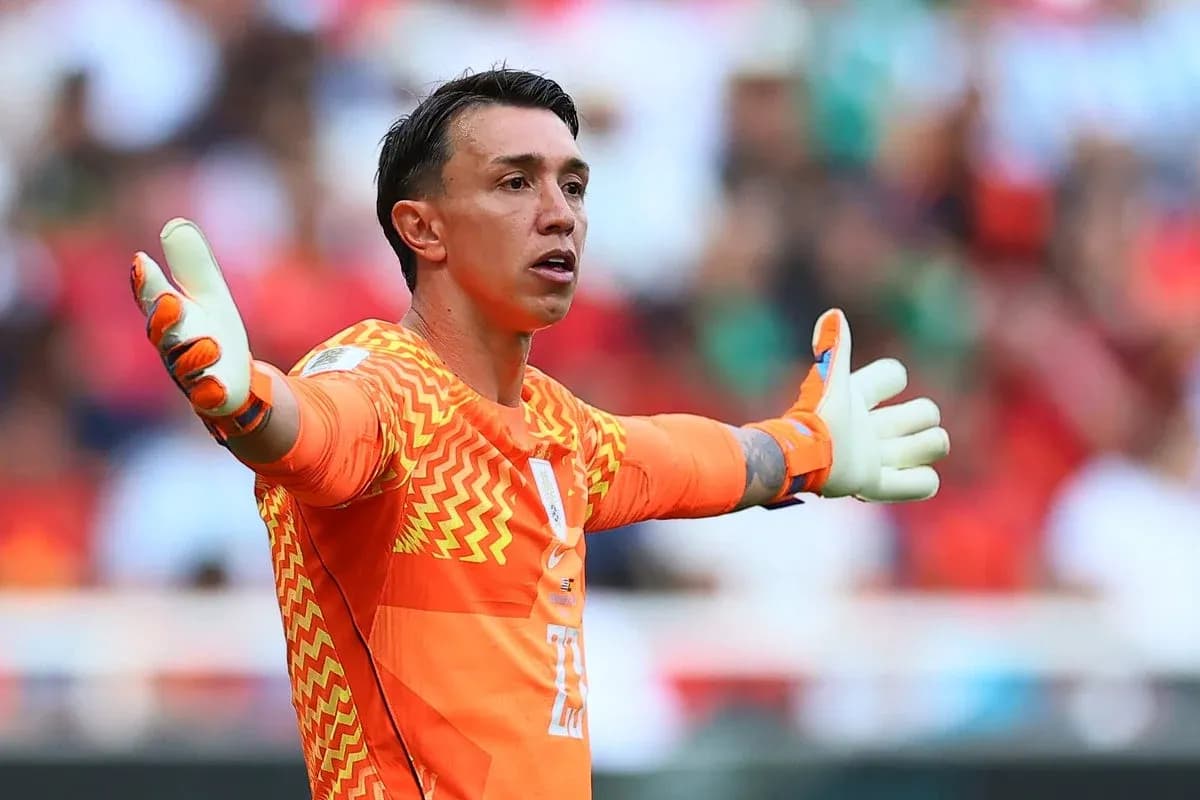
For Muslera, this World Cup has been a slow, public unravelling. In Estudiantes colours he is a pillar of experience; in La Celeste’s shirt over these past weeks, he has lived every goalkeeper’s worst fear on repeat.
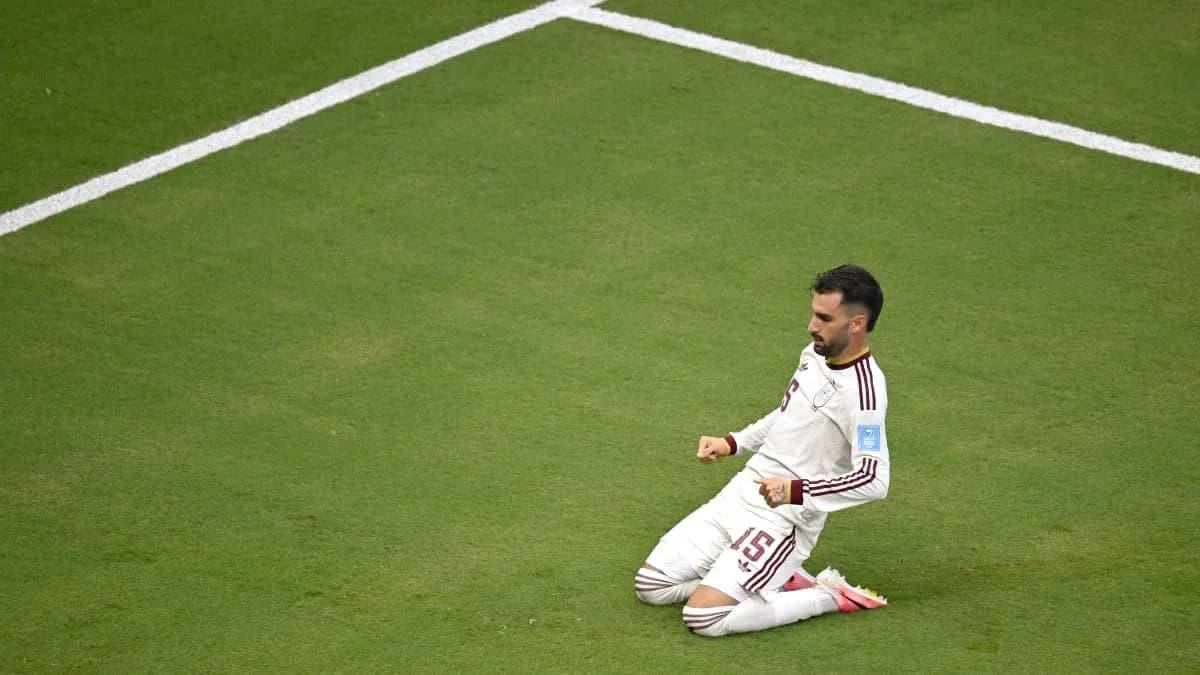
The latest chapter came against Spain. Alex Baena’s effort was routine, the kind of shot an international goalkeeper deals with a hundred times a year. Instead, it squirmed away, dribbling past Muslera and into the corner. Spain led. Uruguay sagged.
Muslera erupted, screaming in fury at himself as the ball nestled in the net. It wasn’t just another mistake. It was the one that broke him.
That mishandling wrote an unwanted piece of history: Muslera became the first goalkeeper on record to commit three errors leading directly to goals in a single World Cup campaign since such data began in 1966. A brutal statistic, and a brutal way for a veteran to be remembered on this stage.
The half-time shock
When the teams re-emerged after the interval, Muslera was gone. Sergio Rochet stood in goal. It looked like a ruthless Bielsa call, the classic hard-edged manager sacrificing his keeper to jolt a lifeless side.
But it wasn’t.
“The Muslera change was not my decision, it was Fernando,” Bielsa told Uruguayan television after the defeat, laying bare just how shattered his goalkeeper felt. Muslera had effectively taken himself out of the firing line.
That substitution carried its own historical weight. Not since substitutions were first allowed at Mexico 1970 had Uruguay changed their goalkeeper during a World Cup match. More than half a century without such a move, ended in the middle of a crisis.
Bielsa, typically self-lacerating, did not spare himself either. “I couldn't boost the Uruguay players, I leave nothing to the country,” he admitted, a stark assessment from a coach whose arrival had once been greeted as a new dawn.
Valverde withdrawn, doubts deepen
The Muslera drama overshadowed almost everything, but it was not Bielsa’s only contentious call. With Uruguay chasing the result they needed, he removed Federico Valverde after 56 subdued minutes, taking off the Real Madrid star when his team craved inspiration.
“With Valverde's departure I wanted more presence in the attack,” Bielsa explained, yet the change did little to alter the rhythm of the match. Spain controlled what they needed to control. Uruguay never found the surge that has defined so many of their past World Cup adventures.
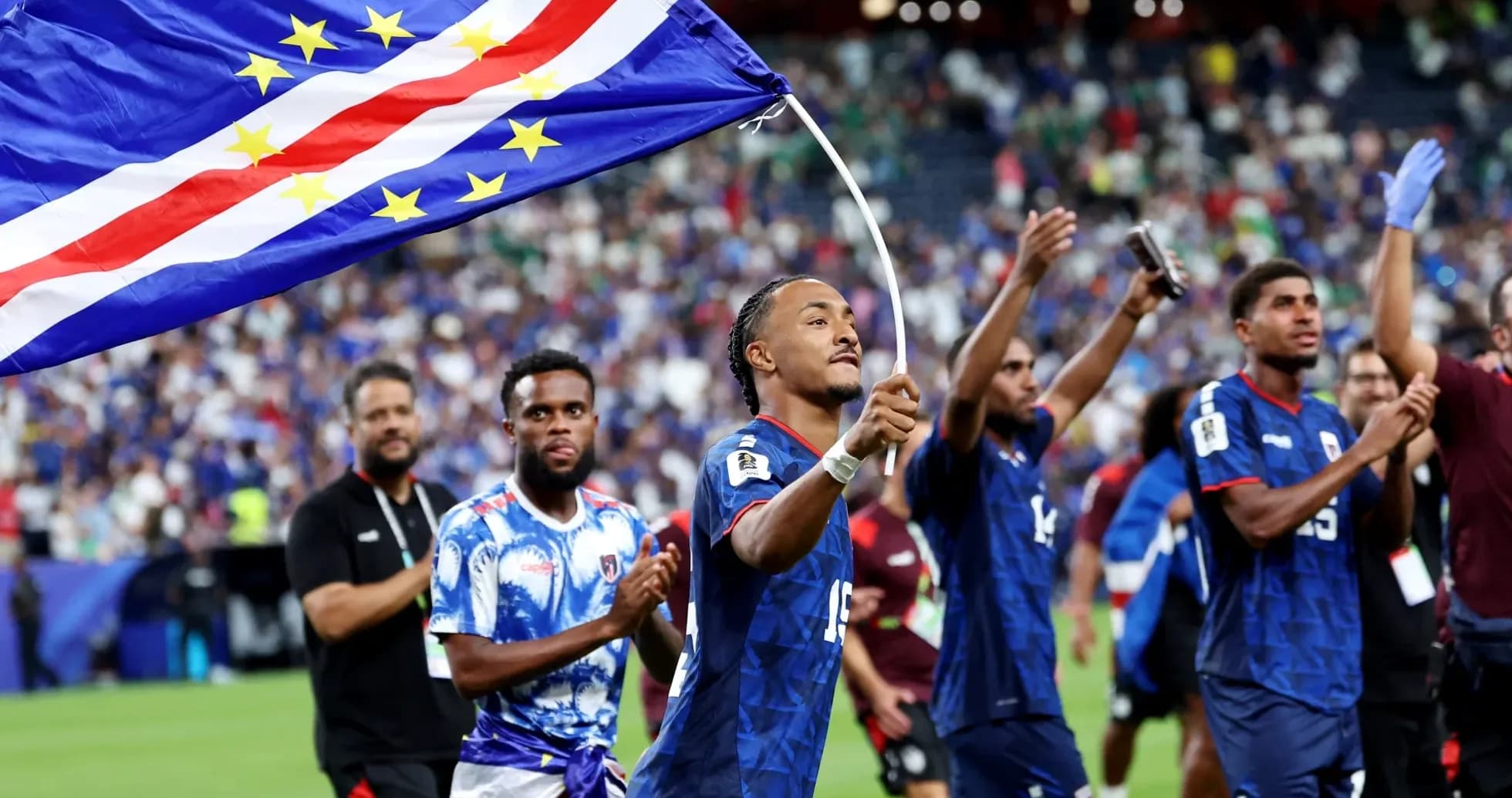
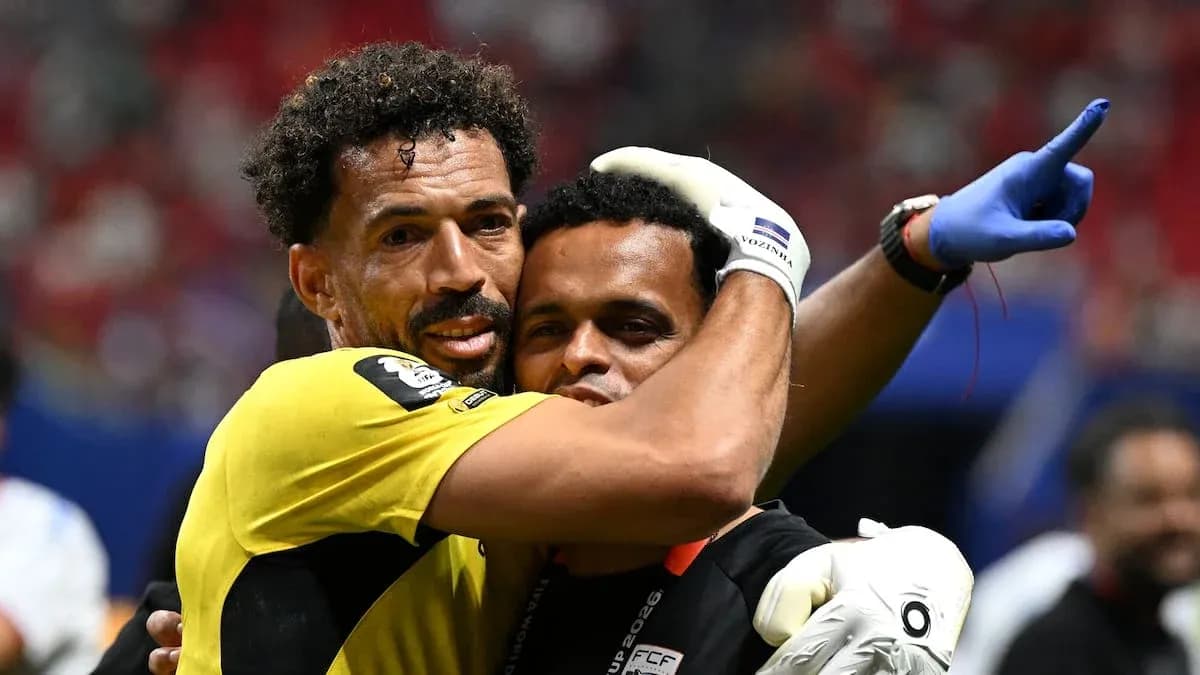
The context made it all the more painful. Uruguay did not need to win. A draw would have been enough to escape Group J after earlier stalemates with Cabo Verde and Saudi Arabia. Instead, they finished on two points and out, their campaign reduced to a story of missed chances, misjudgements and one tormented goalkeeper.
A project on the brink
The fallout will not stop with Muslera. Bielsa’s future now hangs in the balance amid reports of disagreements inside the camp, and this limp exit will only sharpen the scrutiny. His football is supposed to be relentless, organised chaos that overwhelms opponents. In this tournament, Uruguay often looked like the ones overwhelmed.
Muslera’s walk down the tunnel at half-time felt like more than a substitution. It looked like a symbol: of a team mentally drained, of a project suddenly fragile, of a World Cup that has left scars.
What comes next for Uruguay, and for Bielsa, will be decided far from the glare of the group stage. But the image that lingers is clear enough — a veteran goalkeeper, undone by his own hands, choosing to step away on the biggest stage of all.