.svg&w=384&q=75 "naujapitch logo")
Uruguay Crash Out Amid Chaos as Spain Advance Unbeaten
Uruguay arrived with pedigree and expectation. They left with rancour, regret and a red card that felt like a full stop on a wretched campaign.
Two-time world champions, the highest-ranked side to fall at the first hurdle, Marcelo Bielsa’s team bowed out with a whimper after a 1-0 defeat to Spain that did little for either side’s reputation.
Revolt, rancour and a veteran’s nightmare
The warning signs had been there long before kick-off in Guadalajara. Draws against Cape Verde and Saudi Arabia had already dragged Uruguay to the brink, but the real damage came off the pitch. Reports of a revolt inside the camp, with senior figures – including Real Madrid midfielder Federico Valverde – clashing with Bielsa over his tactical approach, framed this match as a test of unity as much as quality.
On the field, that fracture showed in the most painful way through one of Uruguay’s heroes.
Fernando Muslera, a symbol of their stirring run to the 2010 semi-finals, endured a tournament to forget. He had already been culpable for both Cape Verde goals in a 2-2 draw. Here, against Spain, the 40-year-old suffered another brutal moment.
Spain had barely laid a glove on Uruguay when, three minutes before the break, Marcos Llorente swung in a low cross from the right. Baena’s effort lacked venom, yet Muslera somehow let the ball squirm and dribble over the line. A soft, almost apologetic goal – and a hammer blow for a side already hanging by a thread.
To make matters worse, the move that led to the goal left Manuel Ugarte in a heap. The Manchester United midfielder was stretchered off with what looked like a serious knee injury, a grim scene that deepened the sense of a campaign unravelling in real time.
Bielsa acted at half-time, hauling off Muslera for Sergio Rochet. On the hour, he went further, substituting Valverde in a decision that underlined just how fractured and desperate Uruguay’s situation had become.
Spain win, but questions linger
Spain’s King Felipe watched from the stands, but the only meeting between former world champions in the group stage never caught fire. This was supposed to be a showcase. It felt more like a slog.
Luis de la Fuente’s side came into the game riding a strange wave. A goalless, flat opener against Cape Verde had raised eyebrows, before Lamine Yamal’s return to the starting XI lit up a 4-0 demolition of Saudi Arabia. The teenager’s spark had restored some of the old Spanish swagger.
Here, that attacking fluency vanished again.
Spain controlled possession but moved the ball without incision, their play too slow, too predictable. De la Fuente, arms folded and expression tightening, turned to his bench. Dani Olmo and Fabian Ruiz stepped in and, at last, the tempo lifted.
Olmo should have killed the contest. Yamal, in one of his rare flashes of brilliance on the night, danced into space and picked out his Barcelona team-mate, only for Olmo to scoop his effort over the bar. It summed up Spain’s evening: moments of promise, no ruthless edge.
Yamal’s minutes remain carefully managed after the hamstring injury that cut short his club season, and he made way with a quarter of an hour to go. On came Ferran Torres, who promptly missed the clearest chance of the lot, rattling the crossbar with only the goalkeeper to beat five minutes from time.
Spain got the job done, but not much more than that.
Bielsa’s broken project
For Uruguay, this was more than a defeat; it was a collapse of an idea.
Bielsa arrived to great fanfare, his high-octane, all-or-nothing style embraced as the next chapter for a proud football nation. Instead, the group stage delivered disjointed performances, defensive errors and, ultimately, open dissent.
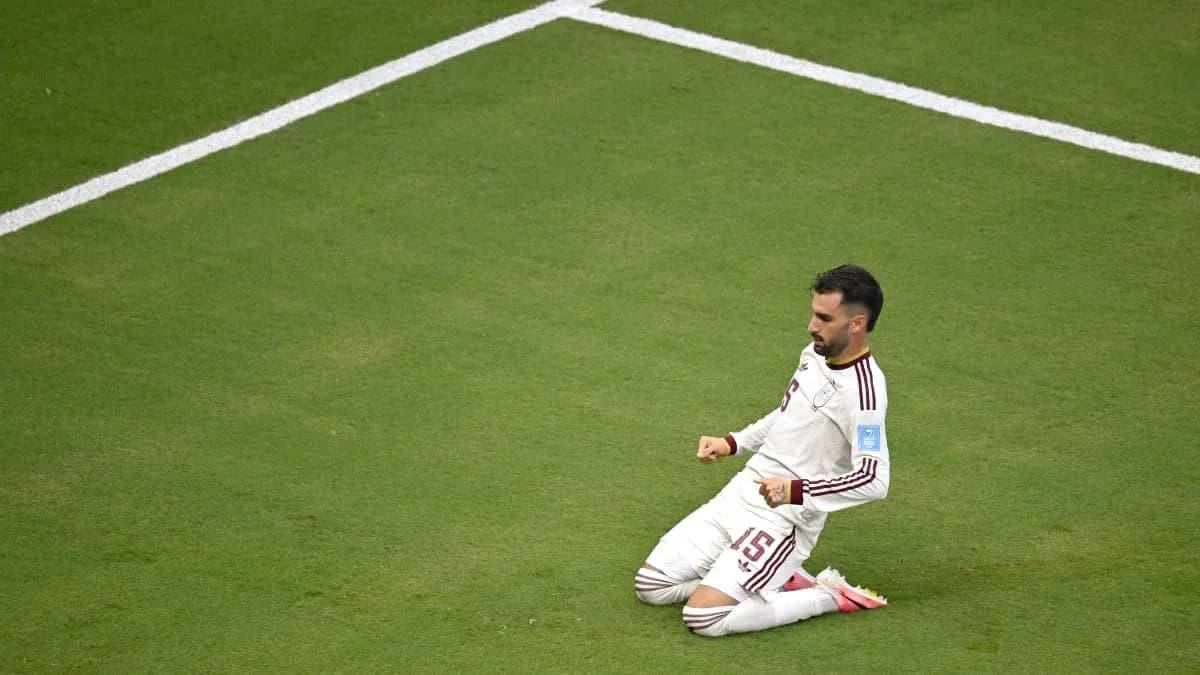
The red card in stoppage time for Agustin Canobbio, sent off for a wild lunge on Pau Cubarsi, felt symbolic. Reckless, late, unnecessary – a flash of frustration from a team that had lost control of its fate long before the referee reached for his pocket.
Uruguay leave with no wins, a fractured dressing room and their coach under intense scrutiny. For a country that measures itself by what it does at World Cups, this exit will sting for a long time.
Unbeaten, unconvincing
Spain, by contrast, march on with the numbers firmly in their favour. They are now 34 competitive games unbeaten and have yet to concede a goal at this World Cup. On paper, it looks ominous for anyone standing in their way.
On the pitch, the picture is more complicated.
While France, Argentina and the Netherlands have produced sweeping, eye-catching attacking displays, La Roja continue to grind rather than glide. The defensive solidity is undeniable, but the cutting edge that once defined Spanish dominance remains elusive.
The knockout rounds begin on Sunday. Spain go into them as one of the form teams statistically, yet still not one of the sides that truly terrify.
The question now is simple: will those immaculate numbers hold when the stakes rise, or will performances like this one come back to haunt them?