.svg&w=384&q=75 "naujapitch logo")
Cape Verde's Remarkable Journey in World Cup Group Stage
Cape Verde arrived at this World Cup as a postcard dot on the map, a cluster of islands off the west coast of Africa with big dreams and modest expectations. They leave the group stage having gone toe to toe with Spain, traded blows with Uruguay and stared down Saudi Arabia with the knockout rounds within touching distance.
For Bubista, the coach who has quietly built this side into one of the tournament’s stories, the stakes were clear. With history on the line, he ripped up half his starting XI for the decisive clash with Saudi Arabia in Houston, some changes forced, some tactical. One position, though, was never in doubt.
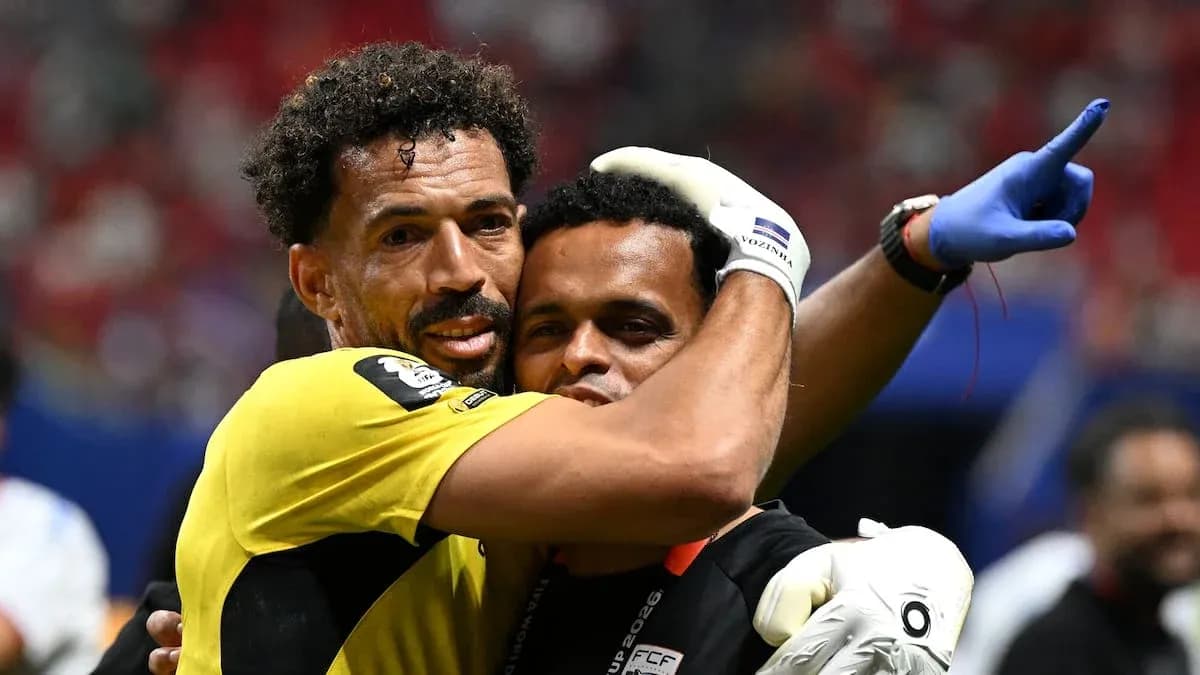
Vozinha stayed.
The 40-year-old goalkeeper, already a national hero after his performance against Spain, once again anchored Cape Verde’s resistance. Against the European champions in their first-ever World Cup match, he had almost single‑handedly preserved a 1-1 draw that felt like a shock and a statement rolled into one. Cape Verde belonged.
They proved it was no one-off by dragging two-time world champions Uruguay into a wild 2-2 draw. That point, added to the one against Spain, turned what had looked like a polite debut into something else entirely: a genuine shot at the last 16.
So the equation in Houston was simple enough. Cape Verde faced a Saudi Arabia side still clinging to their own hopes after a 1-1 draw with Uruguay and a bruising 4-0 defeat to Spain. At the same time, in Guadalajara, Spain and Uruguay kicked off in a parallel drama that would twist the group right to the wire.
Cape Verde started like a team that understood the moment but refused to be consumed by it. They edged the first half, sharper in the duels, cleaner in possession, while Saudi Arabia struggled to find any rhythm. The Green Falcons, who needed to respond after that heavy loss to Spain, instead absorbed pressure and waited for openings that never quite came.
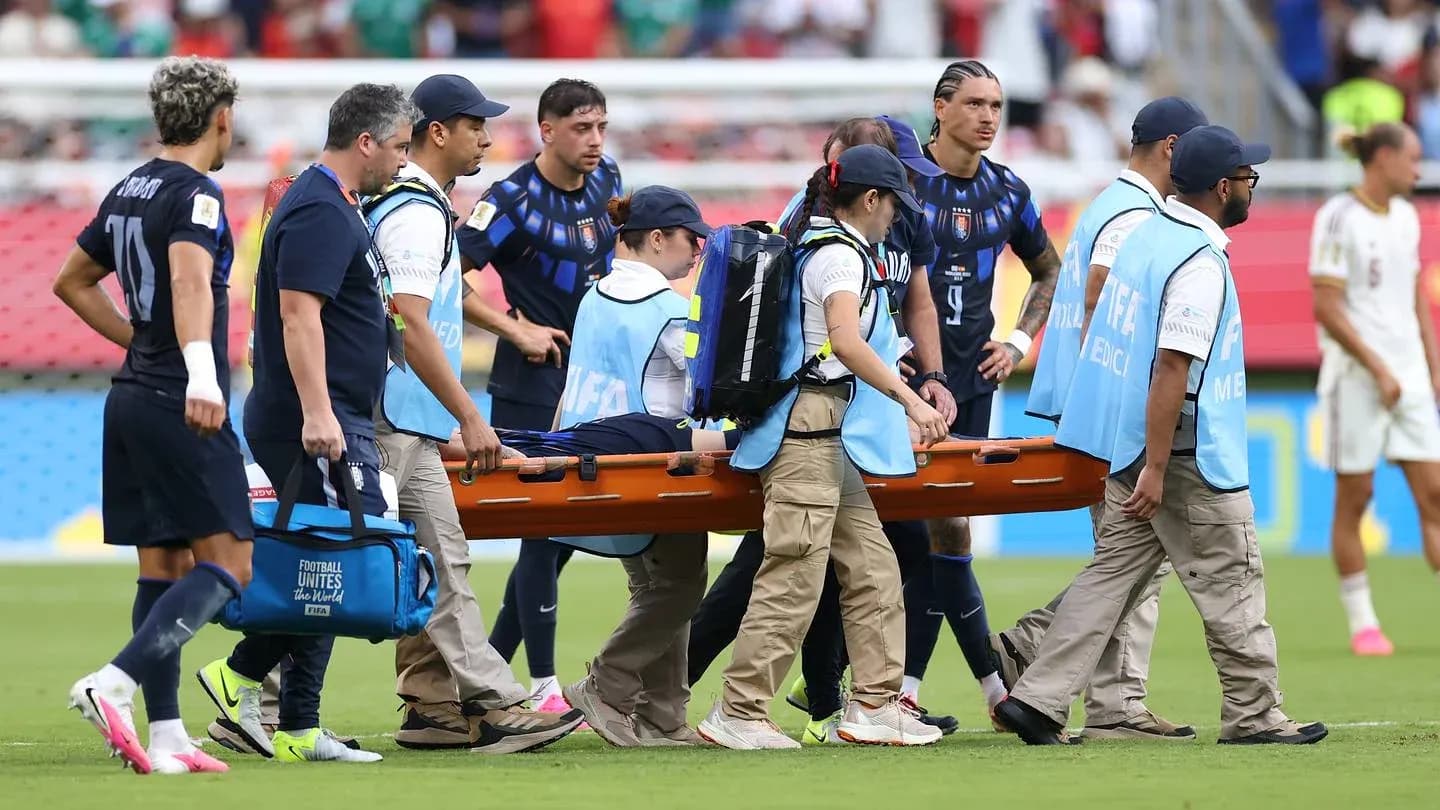
Their night took a darker turn on 33 minutes. Hassan al-Tambakti, one of their most experienced defenders, went down and stayed down. The stretcher came on, and with it a sense that Saudi Arabia were losing more than just a player; they were losing authority at the back.
Cape Verde pushed. Willy Semedo stepped inside and drilled a low effort not far wide of Mohammed al-Owais’s right-hand post, a reminder that Bubista’s side were not just there to protect what they had. Yet for all the intent, clear chances remained scarce in a first half that crackled with tension but produced little in the way of incision.
Then word filtered through from Mexico. Spain had taken the lead against Uruguay. The roar in Houston did not come from the Saudis. Cape Verde fans, clustered in pockets of blue, erupted. At that moment, with the scores level in Texas and Spain ahead in Guadalajara, Cape Verde were going through at Uruguay’s expense.
Second Half
The second half began with the kind of moment that can define a nation’s footballing history. Three minutes after the restart, Jamiro Monteiro found himself close in, the ball breaking kindly. This was it. His shot, though, lacked conviction, a tame finish that allowed Saudi Arabia to escape. The groans from the Cape Verde bench told their own story.
The pressure did not relent. Kevin Pina stepped up from midfield and unleashed a strike from distance that whistled just wide, the ball skimming past the post with al-Owais beaten. Saudi Arabia, who needed to chase the game, looked oddly flat, short of ideas and penetration as the minutes slipped away.
The final quarter of an hour arrived and with it a different kind of tension. Cape Verde were now playing not just against Saudi Arabia, but against the clock and whatever was happening hundreds of miles away in Guadalajara. Yet it was still the islanders who carried the greater threat.
On 75 minutes, al-Owais finally produced the sort of save that had been missing from his night, springing to his right to deny Laros Duarte and keep Saudi Arabia alive. It felt like a twist, a warning that one lapse at the other end could still flip the group on its head.
That twist never came.
Cape Verde, needing only a point, did not retreat into their shell. If anything, they grew bolder, hunting a goal that would have turned a remarkable campaign into something unforgettable. Saudi Arabia, supposedly the team with everything to chase, offered little in return, their attacks breaking down before they could trouble Vozinha.
The final minutes ticked away with Cape Verde still snapping into tackles, still looking forward, still believing. Whatever the permutations, whatever the fate decided by Spain and Uruguay, this much is now certain: the small island nation has announced itself on football’s biggest stage, and nobody will take them lightly again.