.svg&w=384&q=75 "naujapitch logo")
Spain Triumphs Over France in Tactical Semi-Final
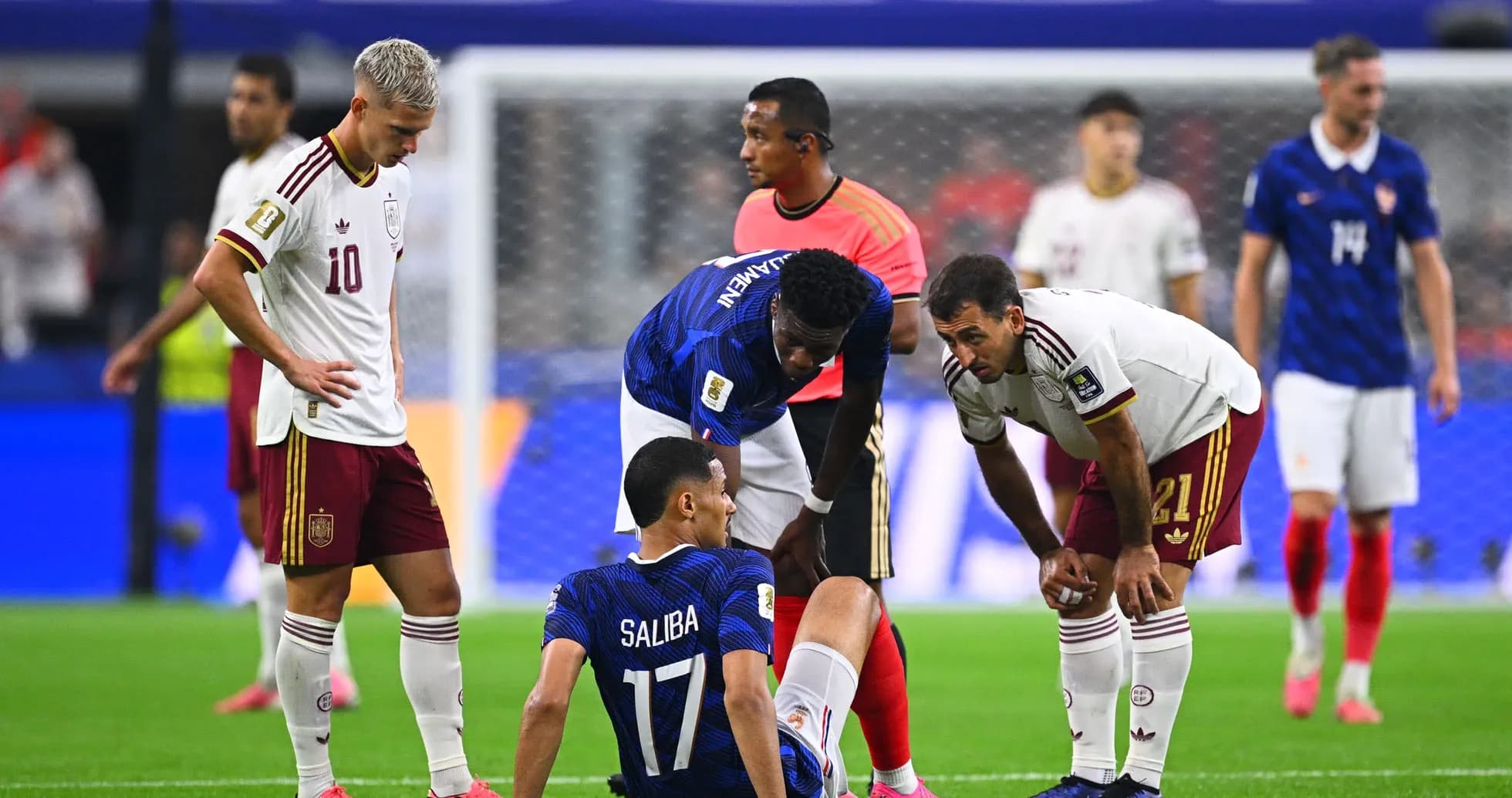
The lights of Dallas Stadium have barely dimmed on a semi-final that felt like a tactical thesis: Spain 2–0 France, a clash where structure, control and ruthlessness overrode individual stardust.
I. The Big Picture – Two perfect machines, one sharper edge
Both teams arrived in the World Cup semi-finals with near-flawless campaigns. Overall this tournament, France had played 7 matches, winning 6 and losing just 1, with 16 goals scored and 4 conceded. That is an overall average of 2.3 goals scored and 0.6 conceded per game, underpinned by four clean sheets. Spain’s path was just as formidable: 7 games, 6 wins, 1 draw, no defeats, with 13 goals scored and only 1 conceded overall – an astonishing defensive record of 0.1 goals against per match.
The group-stage standings underline the symmetry. France topped Group I with 9 points from 3 games, a goal difference of +8 from 10 scored and 2 conceded overall. Spain led Group H with 7 points and a goal difference of +5, scoring 5 and conceding 0 overall. Two group winners, two sides built on dominance, but with very different identities.
In Dallas, those identities were clear from the formations alone. Didier Deschamps doubled down on his trusted 4-2-3-1: Mike Maignan in goal; a back four of Jules Koundé, Dayot Upamecano, William Saliba and Lucas Digne; Aurélien Tchouaméni and Adrien Rabiot as the double pivot; Ousmane Dembélé, Michael Olise and Bradley Barcola supporting Kylian Mbappé as the central forward. Luis de la Fuente’s Spain answered with a 4-1-2-3: Unai Simón behind a back line of Pedro Porro, Pau Cubarsí Paredes, Aymeric Laporte and Marc Cucurella; Rodri shielding; Dani Olmo and Fabián Ruiz as interiors; with Lamine Yamal and Mikel Oyarzabal flanking Álex Baena in a fluid front three.
II. Tactical Voids – Where the plans frayed
France’s seasonal profile hinted at a subtle vulnerability that Spain exposed. Overall, France had failed to score only once in 7 games; this semi-final became the second such blackout. At home this campaign, they had averaged 2.2 goals for and just 0.6 against, but in a neutral semi-final environment their attacking structure looked more rigid than rhythmic.
Deschamps’ loyalty to 4-2-3-1 – used in all 7 matches – brought stability but also predictability. Tchouaméni and Rabiot offered ballast, yet their passing angles often remained conservative, leaving Olise to drop deeper than ideal to connect play. That, in turn, stretched the distances to Mbappé, isolating France’s most dangerous finisher.
Spain, by contrast, leaned into tactical variety all tournament. They had used 4-1-2-3 five times, 4-3-3 once and 4-2-3-1 once, and that flexibility was evident in how they morphed between a 4-3-3 in possession and a compact 4-1-4-1 out of it. Rodri’s single pivot role allowed Dani Olmo and Fabián Ruiz to step aggressively into France’s half, cutting off passing lanes into Olise and Dembélé before France could turn.
Discipline was another quiet hinge. Overall this campaign, France’s yellow cards had shown a late-game surge: 33.33% of their bookings arrived between 76–90 minutes, with further cards spread across 0–15, 16–30, 61–75 and 91–105. Spain’s cautions were clustered differently: 33.33% between 31–45, 16.67% between 46–60, and fully 50.00% in the 91–105 window. The pattern suggested a French tendency to become stretched and reactive late on, and a Spanish side willing to absorb pressure deep into games. In Dallas, once Spain were ahead, that profile suited them perfectly.
Penalties told another story of composure. France had taken 2 penalties this tournament, scoring 1 and missing 1 – a 50.00% conversion rate that underlined moments of high-pressure fragility. Spain, by contrast, had converted their only penalty, a clean 100.00% record. In a knockout semi-final, those fine margins of confidence in the box often echo in open play.
III. Key Matchups – Hunter vs Shield, Engine vs Engine
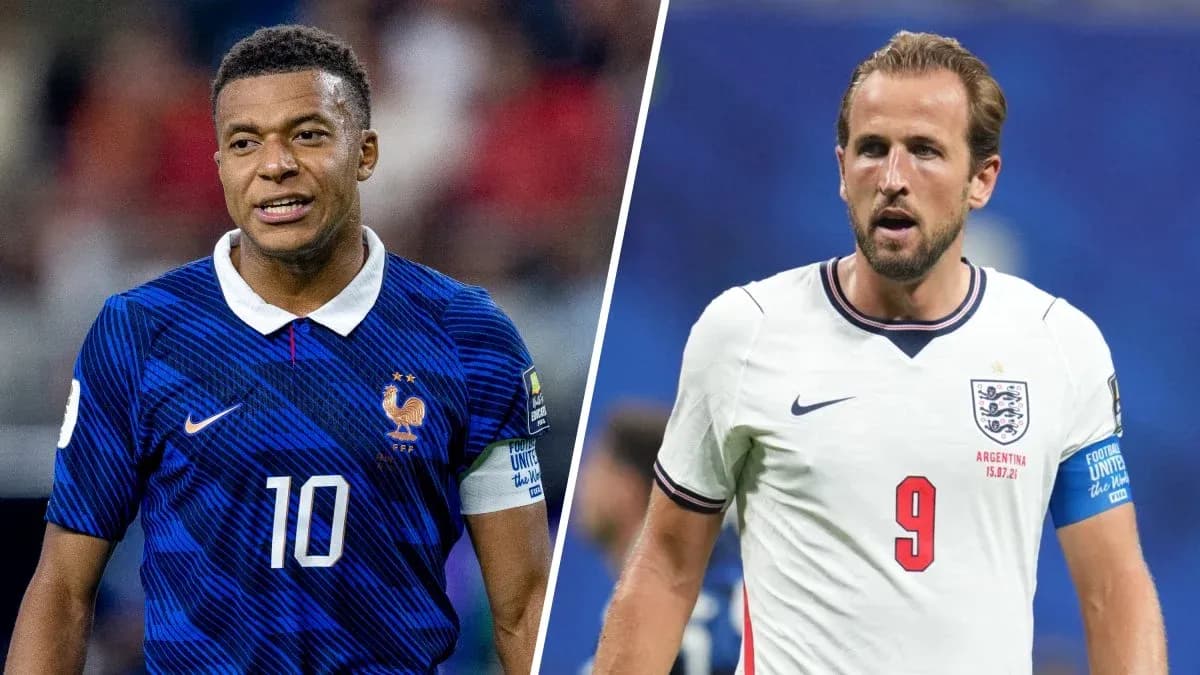
Kylian Mbappé entered this semi-final as the World Cup’s most devastating individual weapon: 8 goals and 3 assists overall, with 30 shots (19 on target) and 16 key passes. Flanking him, Ousmane Dembélé had added 5 goals and 2 assists, with 13 shots and 16 key passes. France’s plan, as ever, was to tilt the game towards their stars.
But Spain arrived with arguably the most watertight defensive unit of the tournament: just 1 goal conceded in 7 games overall, backed by 6 clean sheets. At home they had allowed only 1 goal in 4 matches; on their travels they had not conceded at all in 3. Unai Simón, Laporte, Cubarsí, Porro and Cucurella formed a back five in perfect synchrony, with Rodri screening intelligently.
The semi-final became a test of whether elite individual finishing could pierce collective defensive perfection. Spain’s answer was to compress space around Mbappé relentlessly. Cubarsí stepped early, Laporte swept behind, and Rodri blocked the vertical lanes that usually feed Mbappé’s runs. With France’s overall penalty record already blemished by a miss, Spain could afford to defend on the edge of their box knowing they rarely panicked inside it.
Michael Olise, the tournament’s leading provider with 5 assists overall, had been France’s creative metronome. His 355 completed passes at 86% accuracy and 13 key passes spoke of a player who both progresses and finalises moves. Against Spain, though, he found himself funneled into wide or deep areas, forced to play around rather than through.
Rodri’s positioning was the key counterweight. Sitting alone in front of the defence, he allowed Dani Olmo and Fabián Ruiz to push higher, turning Spain’s midfield into a pressing wedge. Whenever Olise tried to receive between the lines, he met a three-man net: Rodri from behind, an interior from the side, and a centre-back stepping up. That suffocation not only stifled Olise but also starved Dembélé and Barcola of early, clean ball.
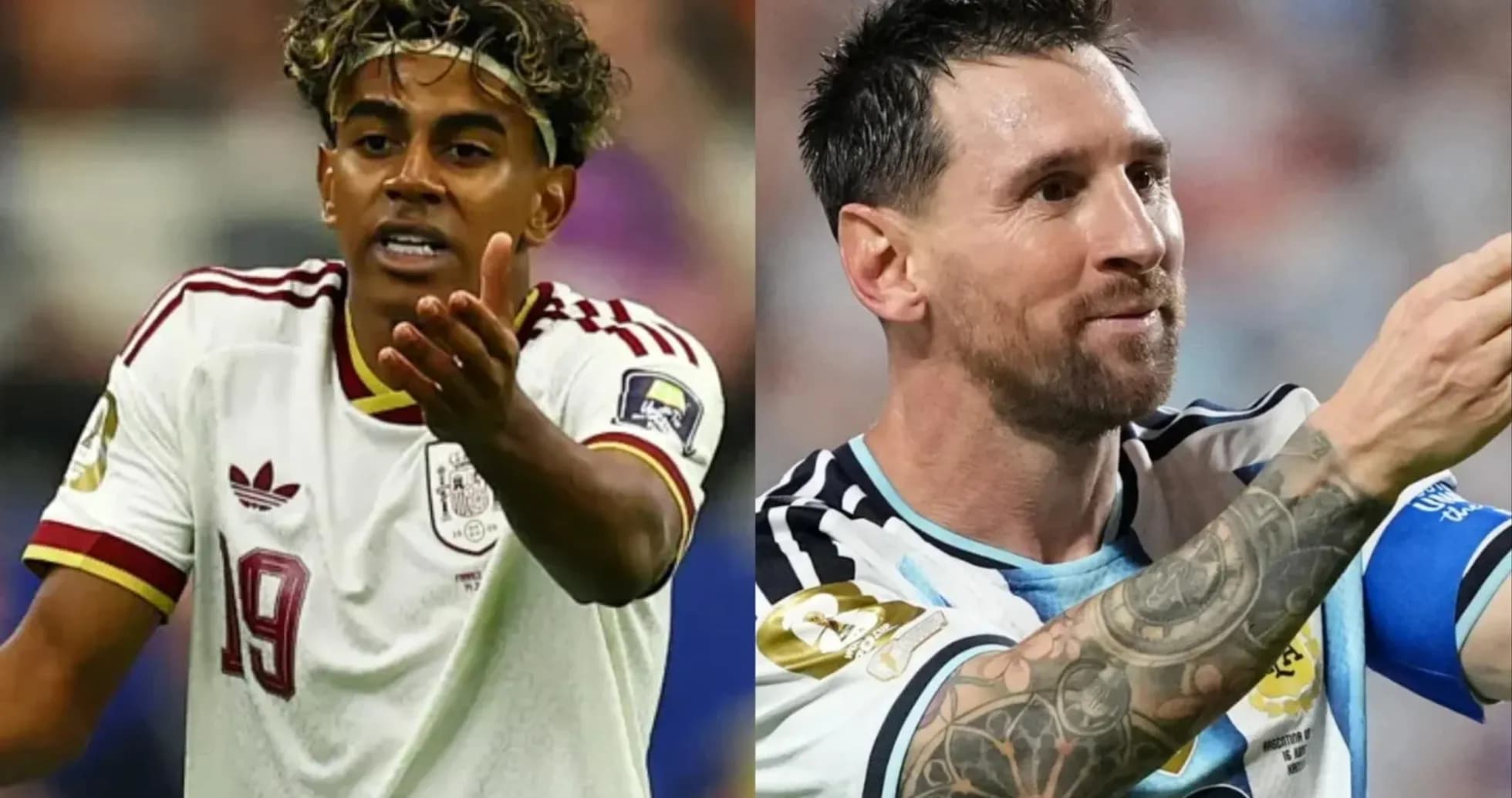
Further forward, Spain’s own attackers carried their share of threat. Mikel Oyarzabal came into the game with 5 goals and 1 assist overall, plus 20 shots and 6 key passes – a profile of a forward who finishes but also links. His movement across the front line dragged Saliba and Upamecano into uncomfortable zones, creating pockets for Lamine Yamal and Álex Baena to exploit.
IV. Statistical Prognosis – Why Spain’s plan was built to last
Heading into this semi-final, the numbers already pointed towards a razor-thin margin tilted Spain’s way. France’s overall goal difference of +12 (16 scored, 4 conceded) was outstanding; Spain’s overall goal difference of +12 as well (13 scored, 1 conceded) was simply more controlled, with a defensive ceiling France had not yet faced.
France’s reliance on a single formation and on the explosive output of Mbappé and Dembélé meant that if Spain could choke the supply and deny transitions, Deschamps’ side had few alternative attacking patterns. Spain, with their layered midfield and shape-shifting front line, were better equipped to manage a game that demanded patience more than chaos.
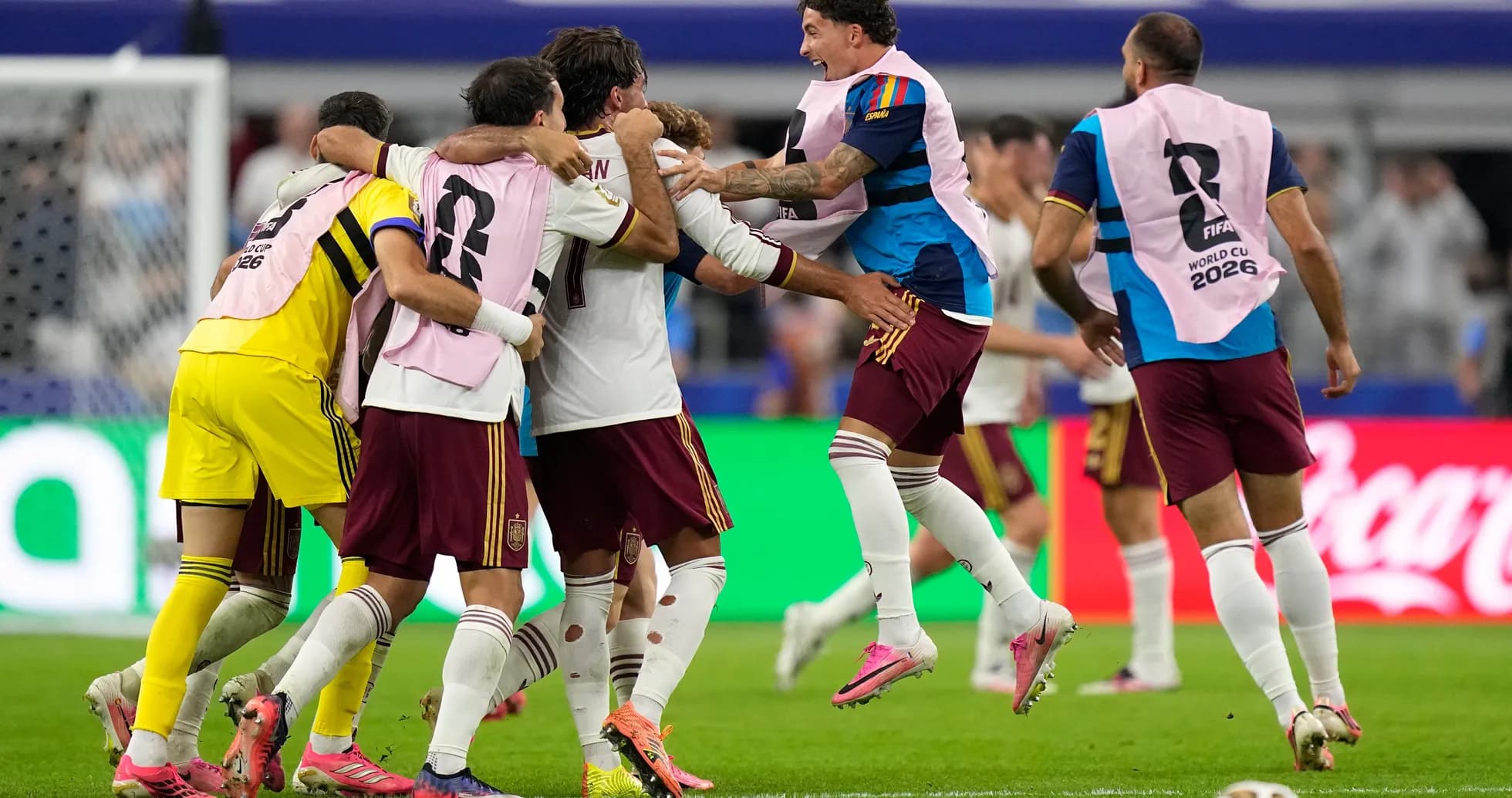
In Dallas, that is exactly how the narrative unfolded. Spain’s defensive solidity, their comfort without the ball, and their ability to turn half-chances into goals proved the difference. For France, a campaign defined by attacking fireworks and individual brilliance met its limit against a collective that conceded almost nothing, literally and figuratively.
Following this result, the semi-final will be remembered less as a collapse by France and more as the night Spain’s structure, discipline and quiet ruthlessness silenced the tournament’s loudest attack.