.svg&w=384&q=75 "naujapitch logo")
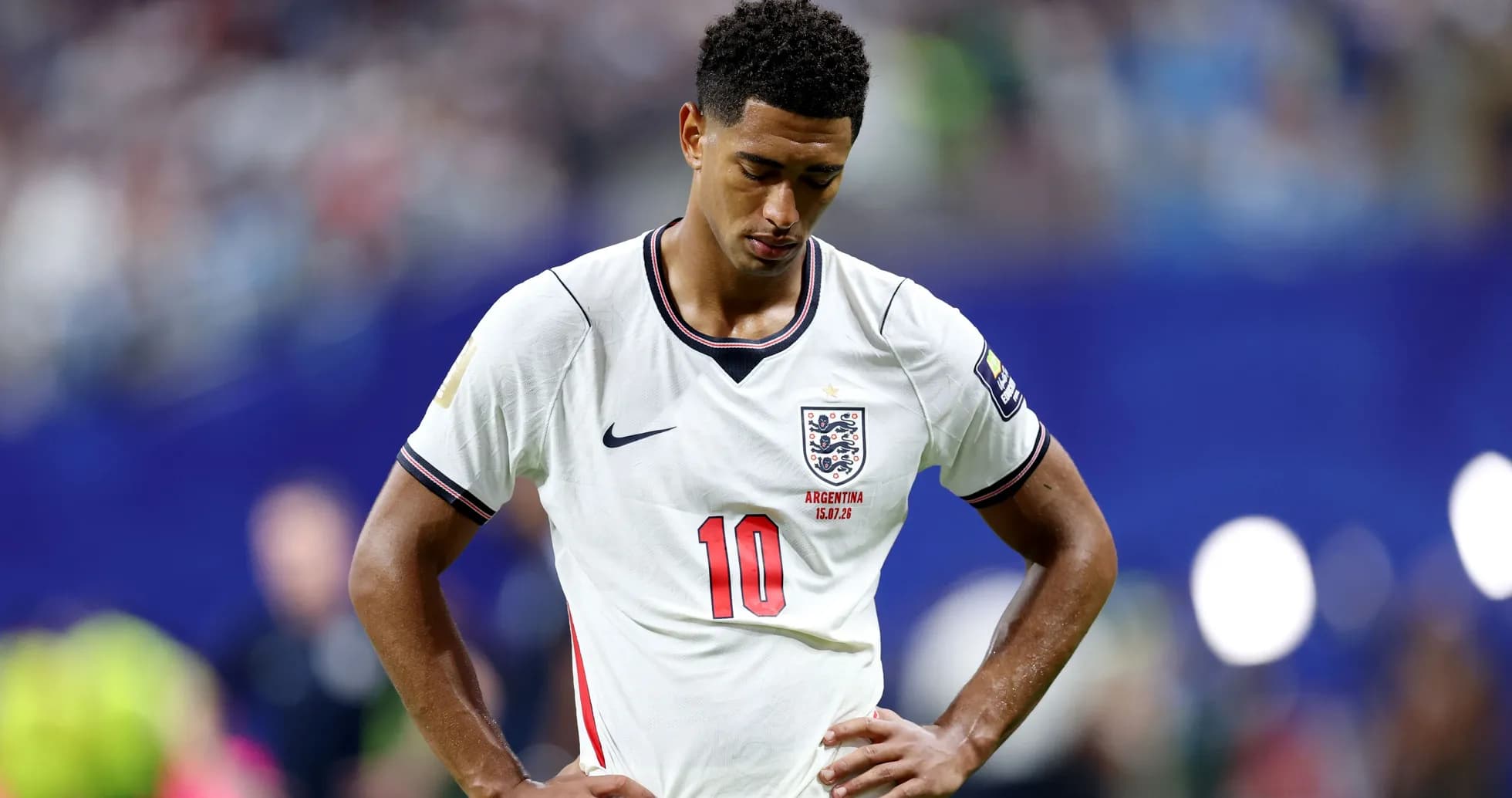
Jude Bellingham's Heartbreak After World Cup Loss
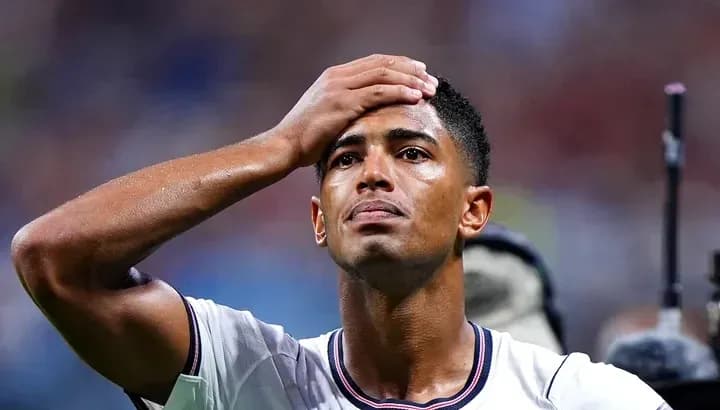
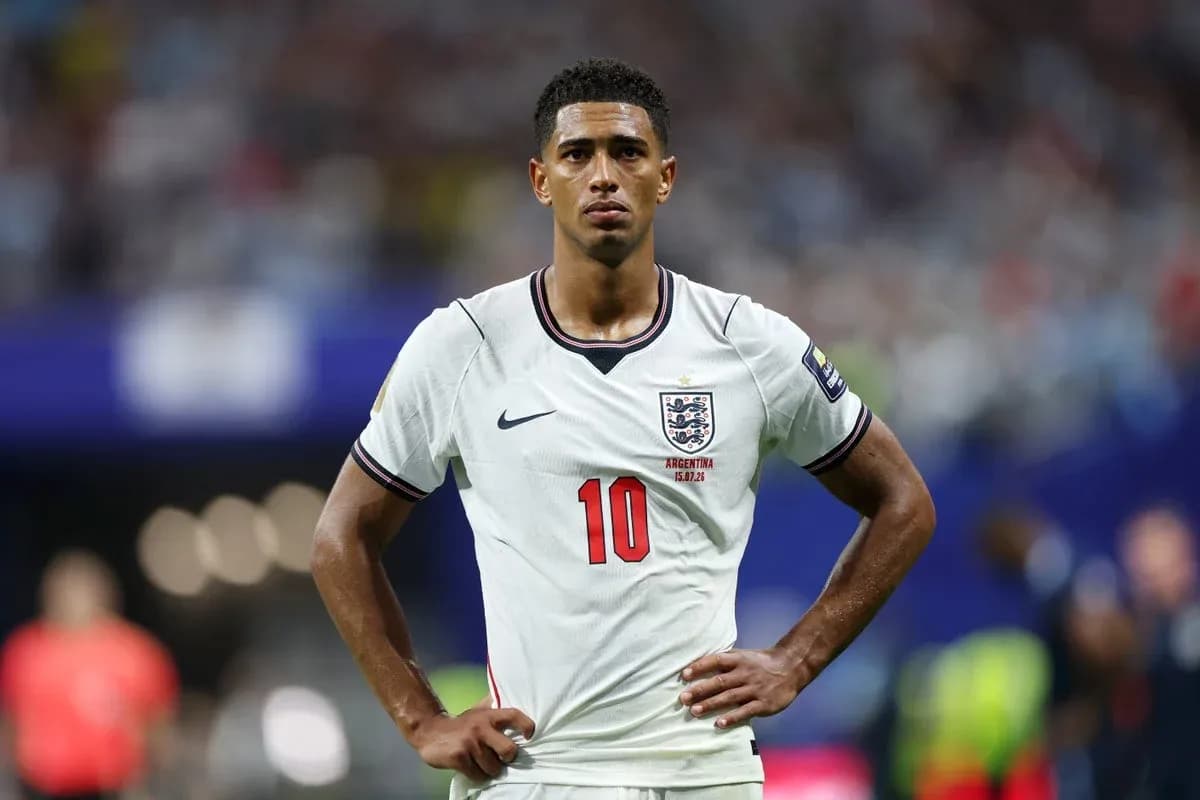
Jude Bellingham stood in front of the cameras with eyes that told the story long before his words did. England had just been dragged out of a World Cup they thought they finally had within their grasp, beaten 2-1 by Argentina in the final minutes, and the 23-year-old looked like a man carrying several seasons’ worth of heartbreak on his shoulders.
This was supposed to be his tournament. Seven goal contributions, a statement brace against Norway in the quarter-final, and a level of authority that made him the heartbeat of this England side. Instead, it ended with him apologising to a country still waiting for its first World Cup final since 1966.
“I think we can take a lot of experience from this, but it is so gutting,” he admitted, voice heavy, honesty cutting through the usual post-match platitudes. “I wanted to be a part of an England squad that finally done it and got it over the line. To be here, telling the fans the same things they've heard for years, it's really gutting.”
No script. No shield. Just raw disappointment.
He searched for more, but the words came out fractured, like his thoughts. “I wish I could give one more win or two more wins, but at the moment, my head is a bit fuzzy with disappointment, so I'm sorry.”
This was not just about one night. It followed a bruising club season with Real Madrid and the agony of losing the Euro 2024 final. Another near-miss, another walk past a trophy England could almost touch. For a player who has carried so much expectation so young, this felt like a breaking point.
Coaching Decisions
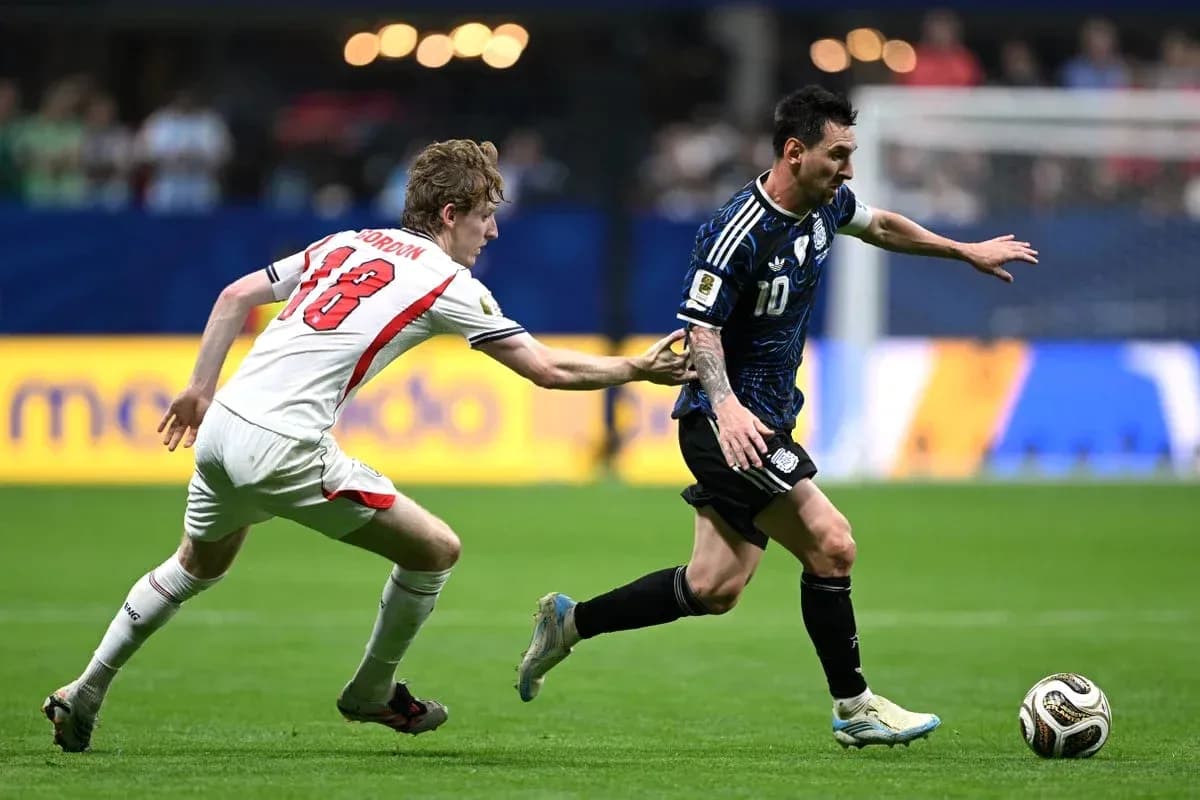
On the touchline, Thomas Tuchel knew exactly where the blame would land and went there first. England had led through Anthony Gordon, had control, had belief. Then came the switch.
Protect the lead. Close the gaps. Go to a back five.
It backfired.
“We decided to go to a back five because the gaps were far too open,” Tuchel explained afterwards. Argentina, sensing life, surged into the spaces England surrendered. “Argentina played with more risk, played with more rhythm and played with the feeling maybe that they had nothing to lose any more, which freed them up and pulled us back.
“Because we obviously played suddenly with a feeling that we had a lot to lose. Of course the responsibility is on the coach and if it doesn’t go well it’s easy to say it was wrong.”
Once England dropped deep, the pattern was brutal and familiar. Argentina poured forward with nothing to protect and everything to chase. England, retreating into themselves, invited pressure they could no longer manage. The equaliser felt ominous. The winner, in the dying embers, felt inevitable.
Tuchel did not flinch from the fallout. The substitutions, the change of shape, the passivity – all of it has been ripped apart in the hours since. Yet his position remains strong. FA chief executive Mark Bullingham has thrown his weight firmly behind the former Chelsea and Bayern Munich coach, and the plan is clear: Tuchel stays through to the home European Championships in 2028.
Tuchel, for his part, is not looking for a way out. “We keep on going with the contract until the home Euros,” he said, drawing a line under any talk of resignation. The message is stark: this project will be judged not just on this World Cup, but on what comes next on home soil.
Looking Ahead
Before that, there is the game nobody really wants.
England now head into a third-place play-off against France on Saturday, a fixture that feels like a cruel afterthought. A bronze medal would represent their best World Cup finish in 60 years, a statistic that looks impressive on paper but offers little comfort to a squad that believed this was their moment.
For Bellingham and his teammates, it will feel like walking back into the scene of the crime. The real challenge lies beyond that match, in the quiet weeks and months when the noise fades and the questions grow louder.
They will host Europe in 2028. They will carry the scars of this night into that tournament.
The only unknown is whether this heartbreak becomes their burden – or their turning point.