.svg&w=384&q=75 "naujapitch logo")
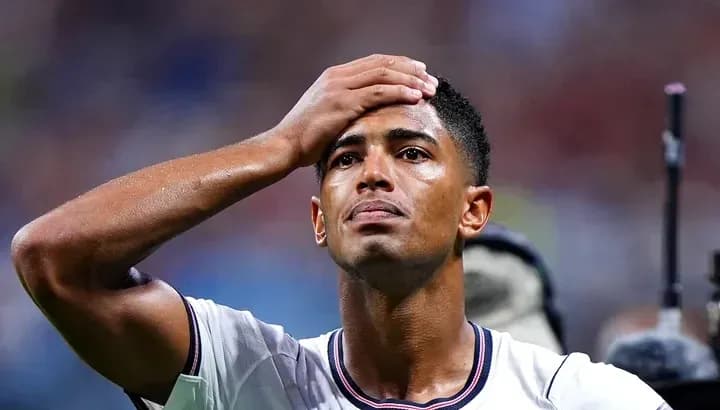
France v England: Heavyweights Clash for Bronze Medal
The game no one dreams of, yet no one wants to lose. France and England, both bruised and raging from semi-final heartbreak, now collide in the World Cup 2026 third-place playoff on Saturday – a bronze medal on offer, and a sliver of redemption for two nations that came for gold.
Deschamps’ last stand
When the whistle went in Dallas on Tuesday, Didier Deschamps stood at a crossroads. Win, and he’s back in another World Cup final. Lose, and his long reign ends in the match every elite coach secretly dreads.
Spain chose for him.
La Roja, installed as favourites by Deschamps himself and by bookmakers across the globe, justified every word. They leaned on the ghosts of their Euro 2024 and Nations League wins over France and simply outplayed Les Bleus, 2-0, with a calm, ruthless authority.
Mikel Oyarzabal’s precise penalty opened the door; Pedro Porro’s crisp finish slammed it shut. Spain’s back line then did what few have managed in a decade: they made Kylian Mbappe and a galaxy of French attackers look blunt. France mustered just 0.31 Expected Goals, a number that told its own story on a suffocating night in Texas.
Deschamps, on the evening he set the record for most World Cup matches managed, watched his tactical plan unravel. His legacy as a World Cup coach remains towering, but the criticism was instant and ferocious. Insiders, pundits, fans – the consensus was brutal: he got it wrong. Even Mbappe, usually careful in public, voiced his discontent with the approach.
Now the 57-year-old, heading for the exit, must finish a distinguished France tenure in a fixture he never wanted to see. Yet history still dangles a prize. France can claim a third World Cup bronze from four attempts. They beat Belgium 4-2 in 1986, demolished West Germany 6-3 in 1958 when Just Fontaine hit four, and only missed the podium in 1982, slipping to fourth behind Poland.
It is not the stage Deschamps had in mind. But it is a stage nonetheless.
Tuchel under fire as old wounds reopen
Across the Atlantic, another storm broke on Wednesday. Thomas Tuchel, hired to push England into the game’s inner circle, walked into Atlanta with optimism swirling around his team. Ninety minutes and a 2-1 defeat to Argentina later, he walked out as the lightning rod for yet another English inquest.
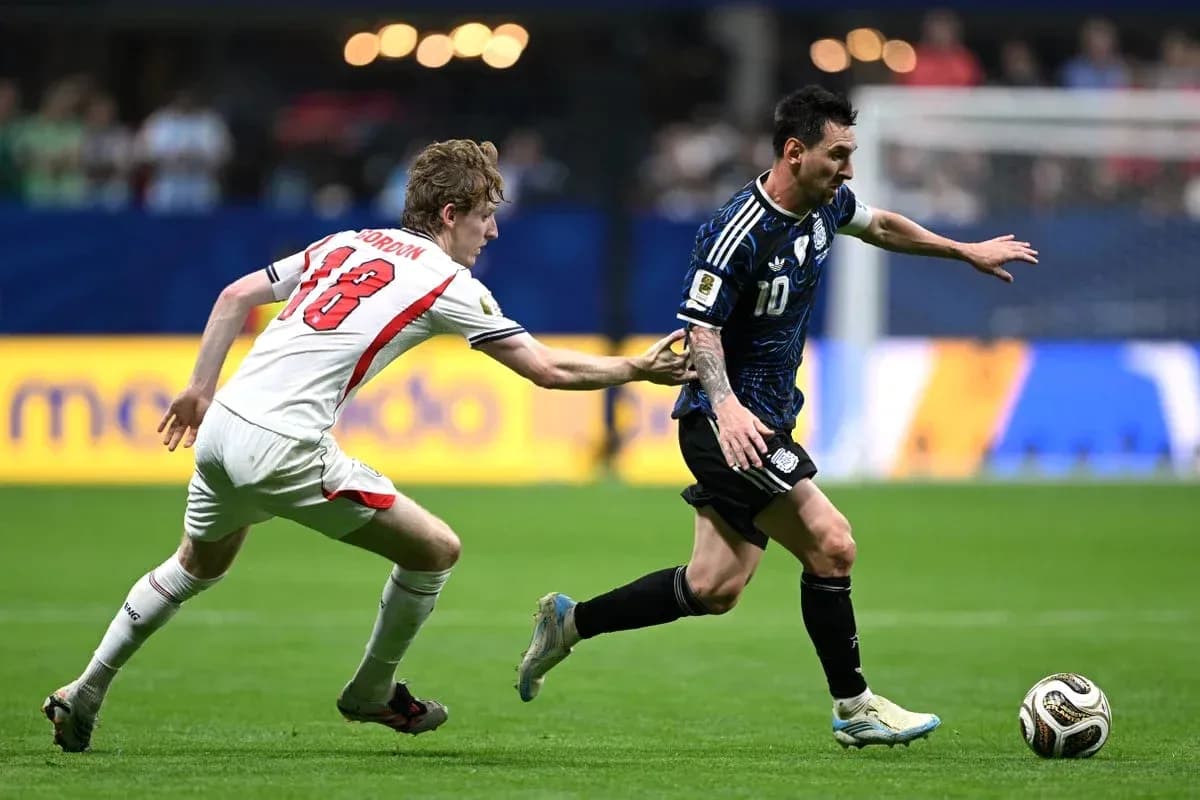
England started cleverly. They refused to be drawn into Argentina’s dark arts, instead attacking the flanks, and were rewarded when Anthony Gordon struck first, exposing the holders’ vulnerability out wide.
Then they retreated. The message was clear: break us down if you can.
Lionel Messi could. He always can. The eight-time Ballon d’Or winner took the invitation as a personal challenge, threading two assists – one for Enzo Fernandez, one for Lautaro Martinez – in a stirring Argentine comeback that kept their dream of back-to-back titles alive and left England staring at a familiar ceiling.
The pattern is becoming suffocating. Since 2018, England have repeatedly reached the business end of tournaments only to fall when the opposition jumps a level. They have now lost all seven of their World Cup knockout ties against teams ranked inside the world’s top 10. They are also responsible for the only two cases this century of a men’s World Cup semi-finalist taking the lead and still going out – Croatia in 2018, Argentina in 2026.
The Football Association’s decision to extend Tuchel’s contract will not escape scrutiny. Nor should it.
Yet even in the gloom there is a small, stubborn incentive. Win on Saturday and England secure their second-best finish at a men’s World Cup. Their previous two attempts at this game ended in defeat: 2-1 to Italy in 1990, 2-0 to Belgium in 2018. A bronze would not heal the scars, but it would at least rewrite that particular line of history.
What it cannot do is change another uncomfortable truth. England have beaten France just once in their last nine meetings. The most painful of those recent defeats came in the 2022 World Cup quarter-final, when Deschamps’s side knocked them out and marched on. That memory still lingers.
France: one last reshuffle for Deschamps
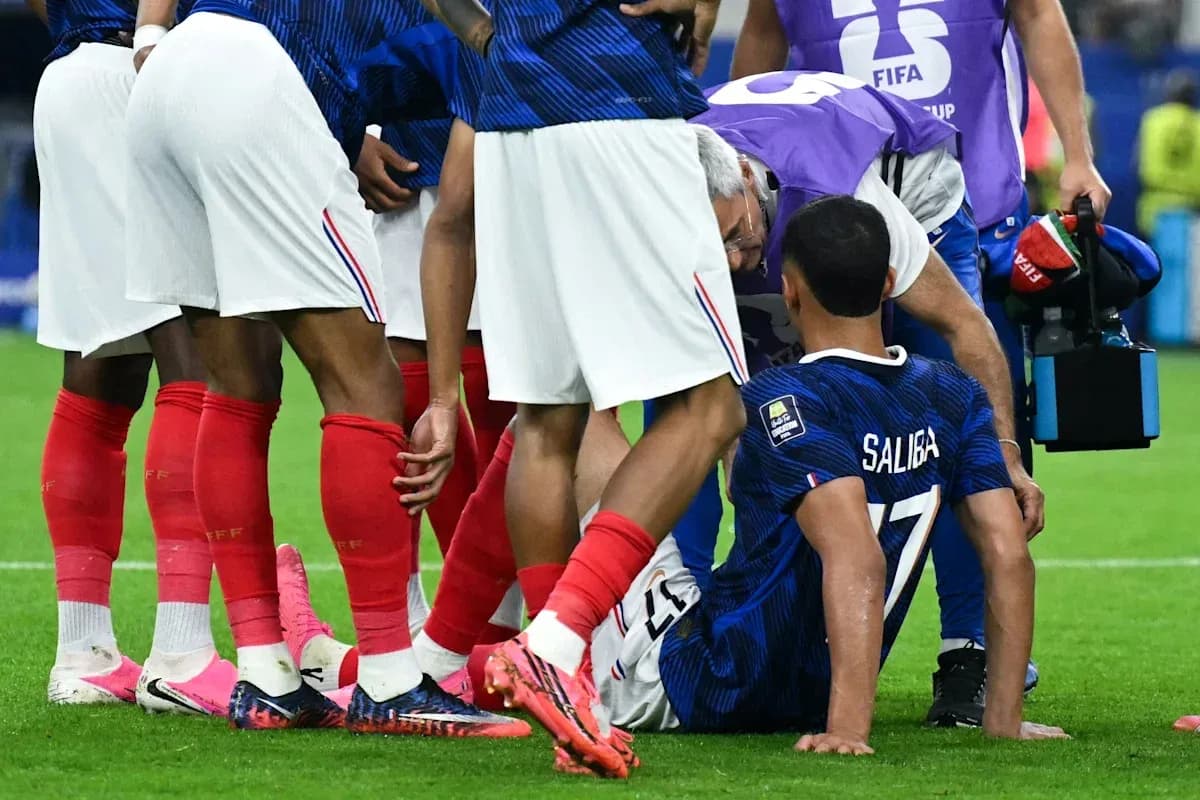
The cost of defeat to Spain was not just emotional. It was physical, and brutally so for William Saliba.
“My back is gone, my back is gone.” Eight words from the defender as he trudged off in the first half, eight words that chilled both France and Arsenal supporters. No official diagnosis has been released, but there is no realistic prospect of him featuring on Saturday.
Maxence Lacroix, who replaced him in Arlington, is set to step into the starting XI. Deschamps had already explained that Lacroix got the nod over Ibrahima Konate because the Liverpool man is short of his best and uncomfortable on the left side of central defence. Even so, with Saliba out, Konate could yet come in for Dayot Upamecano if Deschamps chooses to adjust his pair for one final time.
Backup goalkeeper Brice Samba picked up a knock in France’s first training session after the semi-final, but Mike Maignan’s place was never under threat. The Milan man will start again.
So Deschamps, chasing a final win to close an era, is likely to send out something close to full strength:
Maignan; Kounde, Konate, Lacroix, T. Hernandez; Kone, Zaire-Emery; Cherki, Olise, Doue; Mbappe.
It is not a lineup built to tiptoe to the finish.
England: bruised, but still loaded
Tuchel’s problems at the back mirror Deschamps’s. Reece James, only just returned from a hamstring issue, succumbed to another muscular problem against Argentina. For a player whose career has been stalked by injuries, it was a grimly familiar sight.
Jarell Quansah has completed a two-game suspension and is available, yet the more likely shuffle sees Djed Spence – outstanding in the semi-final – switch flanks, with Nico O’Reilly restored on the left side of the defence.
Jordan Henderson remains out with a wrist injury, but beyond that, Tuchel has a full squad to choose from. The expectation is clear: he will not rotate heavily. This is his last match of the tournament and perhaps his last chance, for a while, to quieten the noise.
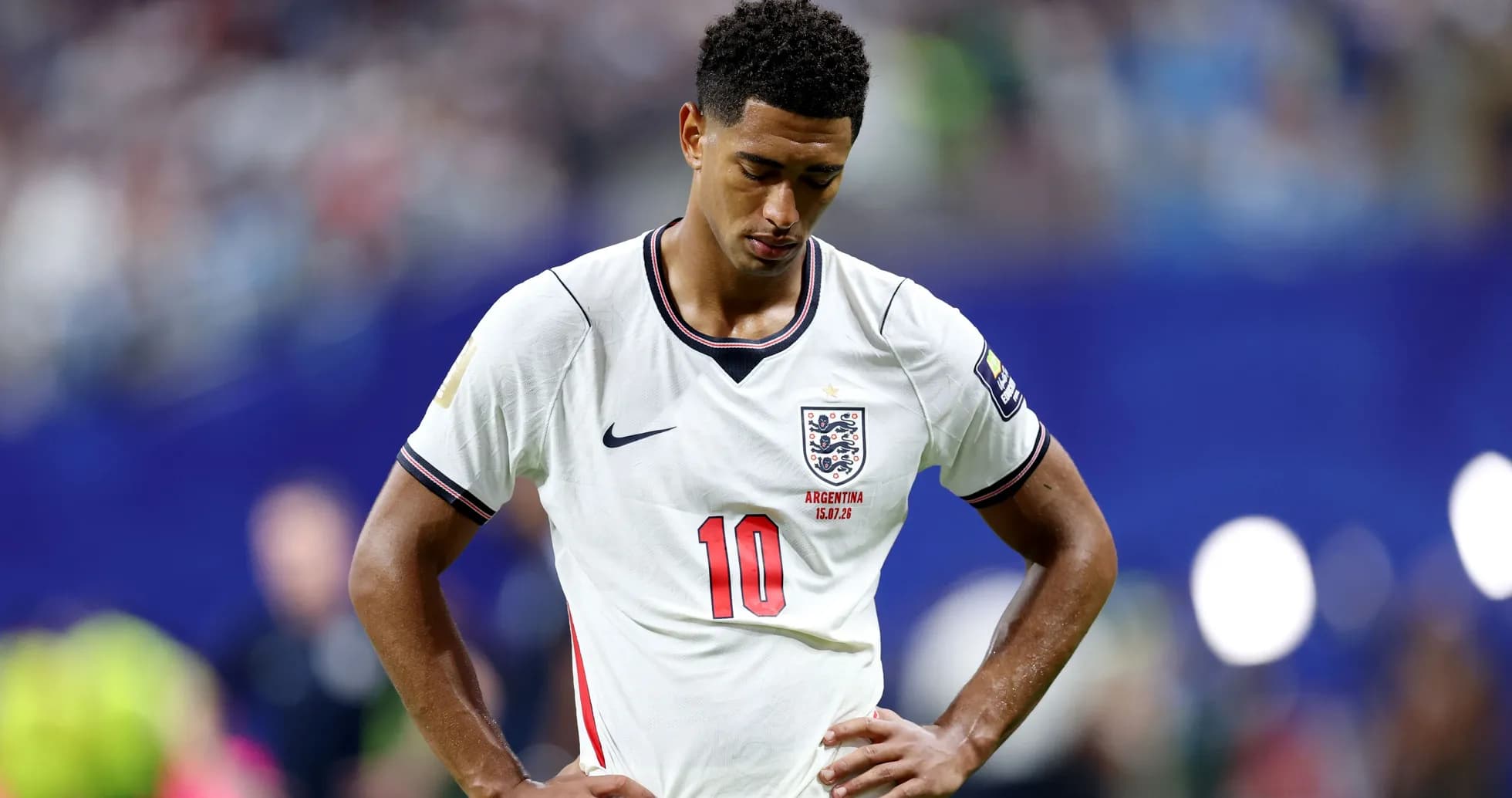
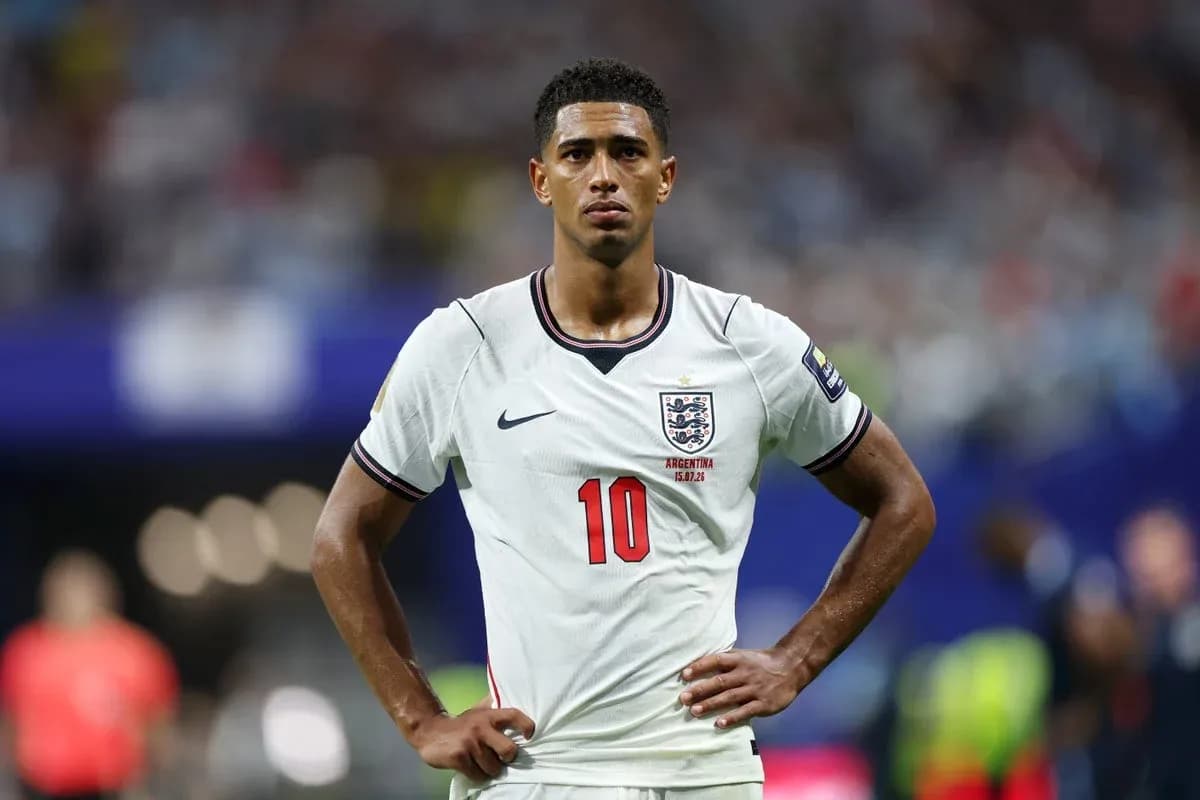
One cloud hangs over Jude Bellingham. Cameras caught him slapping the back of Valentin Barco’s head during Argentina’s post-match celebrations, an incident that could yet bring disciplinary action. For now, he is available and central to England’s plans.
Tuchel’s likely XI carries a familiar shape:
Pickford; Spence, Konsa, Guehi, O’Reilly; Rice, Anderson; Rogers, Bellingham, Gordon; Kane.
There is enough talent there to hurt anyone. The question is whether England will use it to impose themselves, or retreat again when the game tilts.
Where this game will be decided
Spain showed the world how to smother France: compress the space around Mbappe, cut the supply into the half-spaces, and trust your back four to win their duels. England, though, have yet to keep a clean sheet in the knockout phase of this World Cup. That defensive fragility, paired with France’s extra day of rest and recovery, tilts the balance.
France also carry the sharper edge in transition. Mbappe, Rayan Cherki and Michael Olise can punish England’s full-backs if Tuchel’s side over-commit or lose their structure. At the other end, Harry Kane’s duel with Lacroix and Konate will be pivotal, especially if Bellingham can drag French midfielders out of position.
The margins look thin, but the pattern of the tournament suggests one thing: when the stakes rise against the very best, France usually find a way. England usually find a wall.
Prediction: France 2-1 England.
A bronze that will not erase the pain for either side, but one that might say plenty about where these two powers are really heading.