.svg&w=384&q=75 "naujapitch logo")
Qatar and Switzerland Share Points in World Cup 2026 Opener
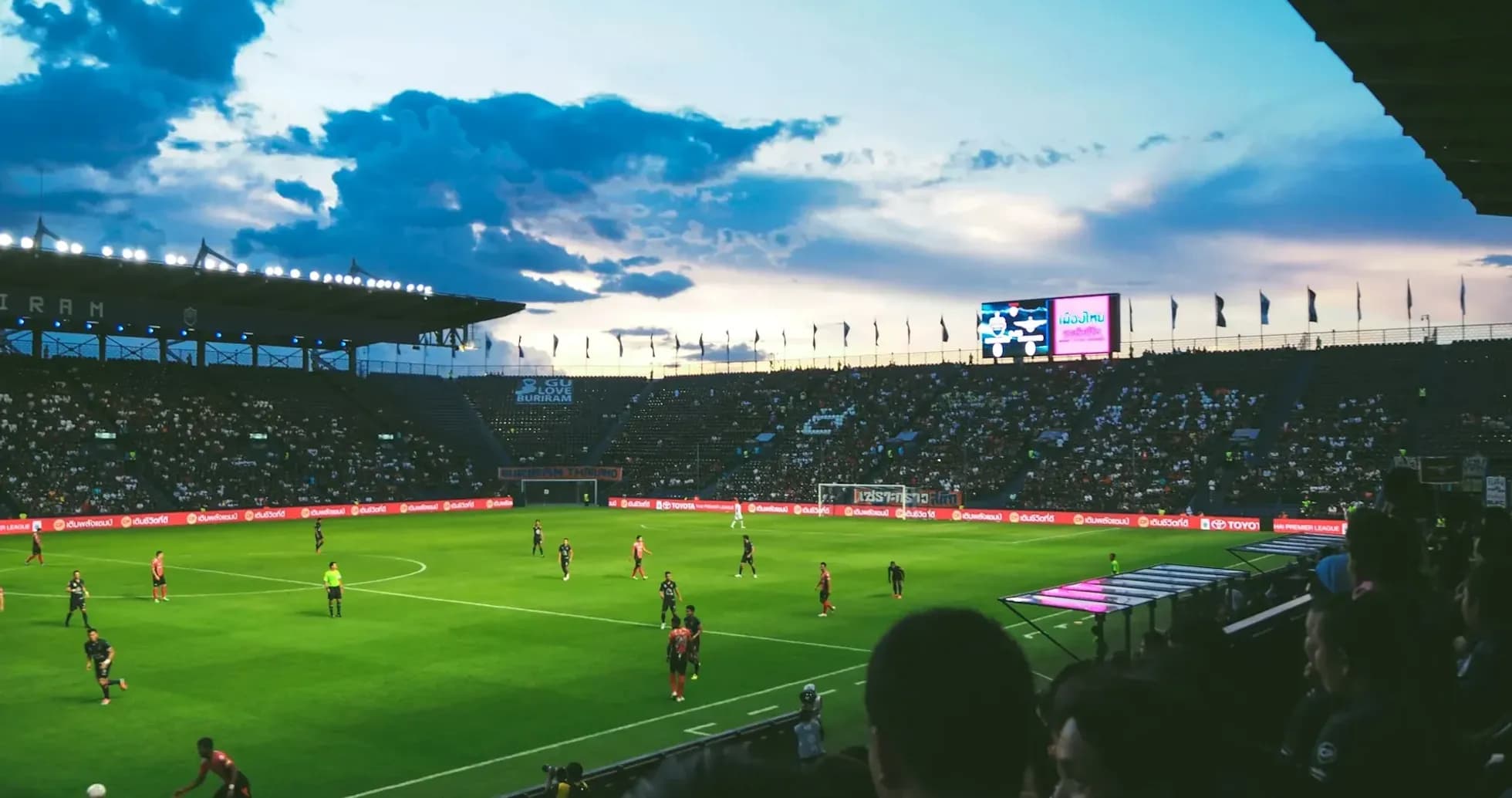
Under the California evening light at Levi’s Stadium, Qatar and Switzerland opened their World Cup 2026 accounts with a 1–1 draw that said as much about their evolving identities as it did about Group B’s balance of power.
I. The Big Picture – Two 4-3-3s, one shared point
This was Group Stage – 1, but it felt more like a stress test of two contrasting footballing projects. Qatar, under Julen Lopetegui, set up in a 4-3-3 that aimed to blend their traditional counter-attacking instincts with a more structured, possession-aware game. Switzerland, guided by Murat Yakin, mirrored the 4-3-3 but with the familiar Swiss trademarks: disciplined spacing, controlled tempo, and a willingness to let their midfield dictate the rhythm.
Following this result, both sides sit on 1 point. Qatar’s overall record in this World Cup stands at 1 draw from 1 match, with 1 goal scored and 1 conceded. All of that has come at home in this dataset: at home they have played 1, drawn 1, with 1.0 goals scored and 1.0 conceded on average. Switzerland’s numbers are the mirror image on their travels: away they have played 1, drawn 1, scoring 1 and conceding 1, for an away average of 1.0 goals for and 1.0 against. The goal difference for both sides overall is 0, precisely matching 1 goal for and 1 against.
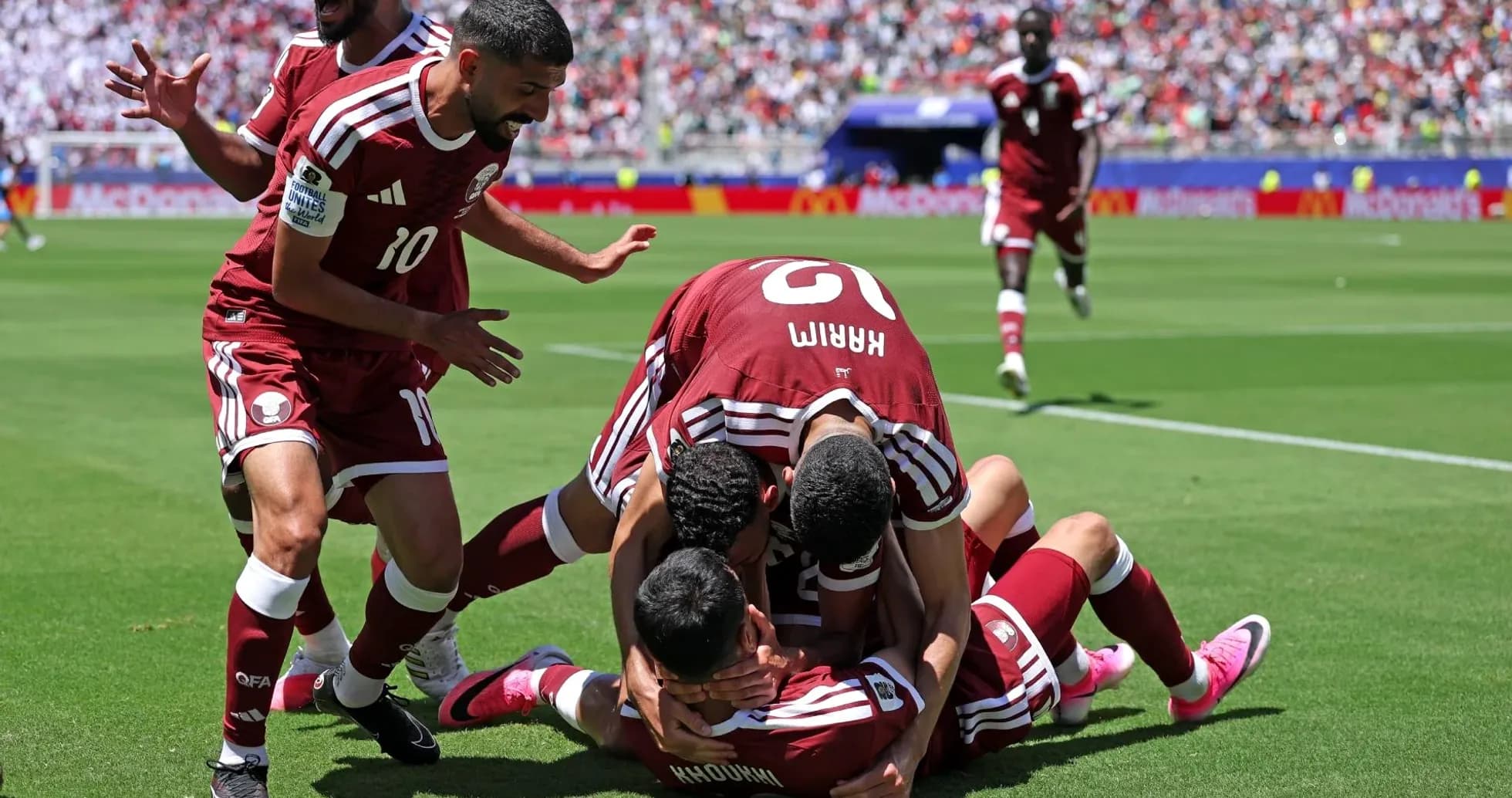
The match narrative followed that symmetry. Switzerland struck first, with Breel Embolo confirming his status as a leading attacking reference by scoring from the spot; their season penalty record now shows 1 penalty in total, scored 1, missed 0, a 100.00% conversion so far. Qatar, however, refused to fold, and the equaliser came from an unlikely source: central defender Boualem Khoukhi, who has already emerged as Qatar’s top scorer in this tournament with 1 goal in total.
II. Tactical Voids and Discipline – Where the cracks appeared
There were no listed absences in the data, so both coaches effectively had full squads to choose from. That made the starting selections particularly revealing.
Lopetegui trusted a back four of Mahmud Abunada in goal behind Pedro Miguel, Khoukhi, H. Al Amin and A. Al Oui, shielded by a midfield trio of Jassem Gaber, A. O. Madibo and I. Laye. Up front, the responsibility fell on Edmilson Junior, Y. Abdurisag and Akram Afif. The structure was clear: Khoukhi as the organiser and ball-playing outlet, Gaber as the energetic presser, and Afif as the creative outlet between the lines.
Yakin’s Switzerland deployed G. Kobel behind a defensive line of D. Zakaria, N. Elvedi, M. Akanji and R. Rodriguez. In midfield, M. Aebischer, Granit Xhaka and Remo Freuler formed a technically secure triangle, while D. Ndoye, Embolo and Ruben Vargas made up a mobile front three.
Discipline tilted the emotional tone of the contest. Qatar’s season card profile shows a sharp early-game flashpoint: 2 yellow cards in the 16–30' window, accounting for 100.00% of their yellows so far. Mahmud Abunada and Jassem Gaber are already on the tournament’s disciplinary radar, each carrying 1 yellow card in total. For Switzerland, Denis Zakaria’s booking in the 31–45' band fits the data: they have 1 yellow card in that 31–45' range, again 100.00% of their yellows to date.
Those numbers hint at Qatar’s vulnerability to emotional spikes early in games, and Switzerland’s tendency to draw or commit tactical fouls as the first half matures. In a group where goal difference and discipline can decide progression, these patterns are more than background noise.
III. Key Matchups – Hunter vs Shield, Engine Room vs Enforcer
Hunter vs Shield: Embolo vs Qatar’s back line
Embolo has started this World Cup with 1 goal in total, from 2 shots with 1 on target, and a perfect penalty record (1 scored, 0 missed). His 5 key passes underline that he is not just a finisher but a facilitator, able to drop off and connect play. Against a Qatar defence that has conceded 1 goal overall, with no clean sheets at home, his presence constantly threatened to tilt the game.
The duel with Khoukhi was central. Khoukhi did not simply score; he anchored Qatar’s defensive structure with 1 blocked shot, 1 tackle and 2 interceptions, while contributing 34 passes at 70% accuracy. He is simultaneously Qatar’s most productive defender and their most dangerous set-piece presence. The “Hunter vs Shield” dynamic was almost literal: Embolo testing Qatar’s penalty-box composure, Khoukhi responding with both defensive clarity and a decisive contribution at the other end.
Engine Room: Xhaka and Freuler vs Gaber and Madibo
If Embolo and Khoukhi were the headline acts, the story’s subtext was written in midfield. Switzerland’s identity still runs through Granit Xhaka, who occupied the central pivot role, recycling possession and dictating tempo, with Freuler and Aebischer providing angles and pressure.
On the other side, Jassem Gaber’s numbers tell the story of Qatar’s engine: in his 60 minutes he engaged in 8 duels, winning 3, and made 1 tackle plus 2 blocked shots. Those 2 blocks were crucial defensive actions, underlining his role as a screening presence in front of the back four. Yet his 1 yellow card and 2 fouls committed show the cost of operating at that intensity.
A. O. Madibo and I. Laye had to balance covering Xhaka’s distribution lanes with supporting Afif and Edmilson Junior between the lines. When Qatar managed to compress space around Xhaka, Switzerland were forced wider and more direct, where Khoukhi and H. Al Amin could contest crosses. When Xhaka found time, Switzerland’s 4-3-3 looked far more fluid, with Ndoye and Vargas attacking the half-spaces.
IV. Statistical Prognosis – Where this draw leaves them
Following this result, both sides carry identical overall records: played 1, drawn 1, goals for 1, goals against 1, goal difference 0. Qatar at home and Switzerland on their travels both show an average of 1.0 goals scored and 1.0 conceded. Neither has yet kept a clean sheet, and neither has failed to score.
From an Expected Goals perspective, the raw data is not provided, but the structural indicators are clear. Switzerland’s reliance on a converted penalty and Embolo’s individual quality suggests their xG was likely concentrated in a few high-quality moments rather than a sustained barrage. Qatar’s equaliser from Khoukhi, combined with Afif and Edmilson Junior’s presence, hints at a team that can manufacture chances from set plays and transitional moments rather than persistent box occupation.
Defensively, both teams look solid but not impermeable. Qatar’s early yellow-card spike between 16–30' and Switzerland’s single caution in the 31–45' band point to phases where composure can slip. Qatar’s 0 clean sheets overall, and Switzerland’s identical figure, underline that neither back line has yet demonstrated tournament-level control over 90 minutes.
The prognosis is of two sides whose tactical blueprints are sound but still bedding in. Switzerland, with their 100.00% penalty record and a proven focal point in Embolo, may carry a slight edge in clinical edge on their travels. Qatar, buoyed by a centre-back in Khoukhi who has already scored 1 goal and blocked 1 shot while organising the defence, have the resilience and set-piece threat to trouble anyone at home.
In a group where margins will be fine, this 1–1 at Levi’s Stadium feels less like a stalemate and more like a prologue: a careful, data-backed reminder that both Qatar and Switzerland have enough structure, and just enough flaw, to make every remaining Group B fixture tactically combustible.