.svg&w=384&q=75 "naujapitch logo")
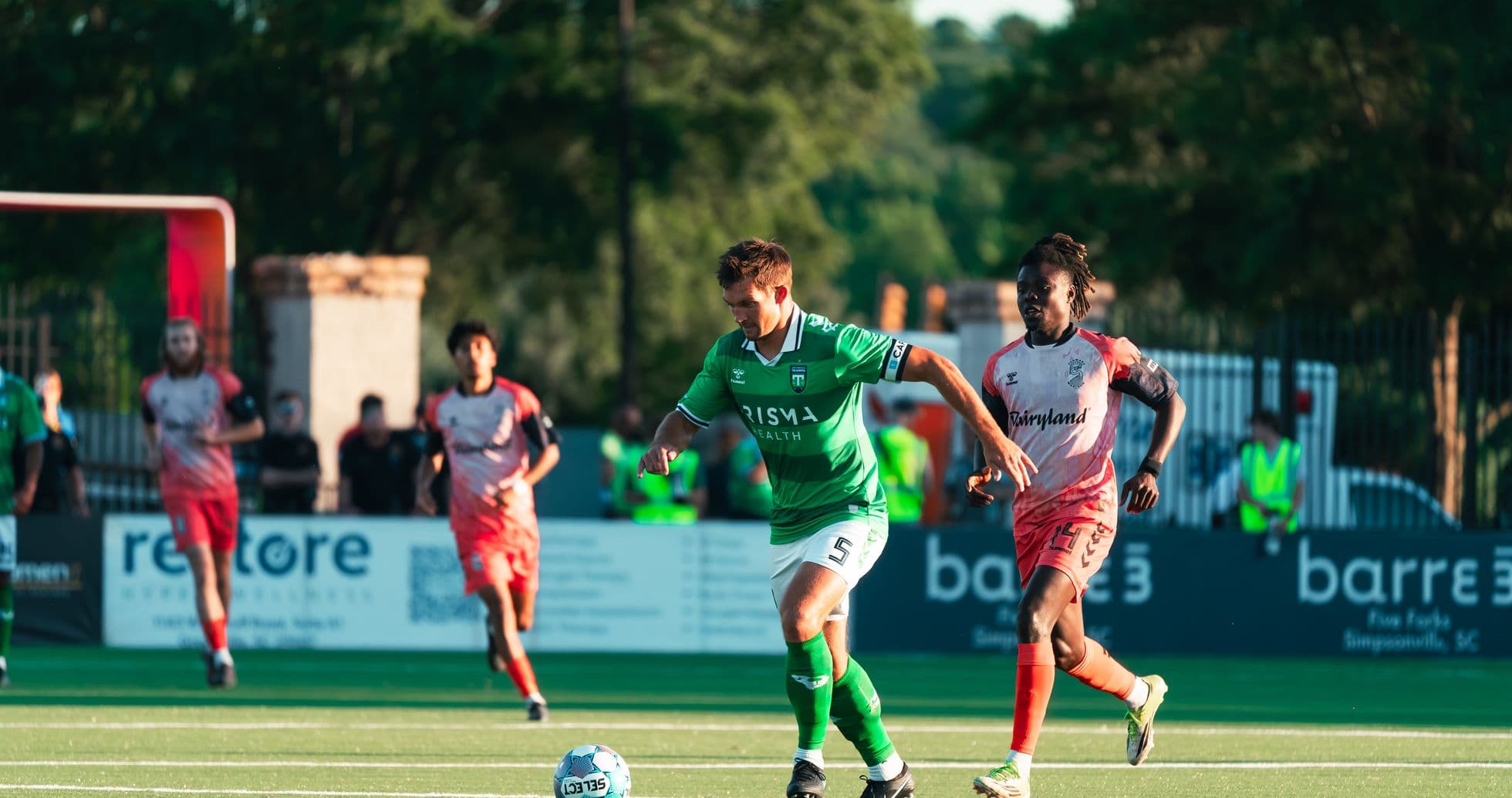
One Knoxville Edges Chattanooga Red Wolves in Dramatic Cup Shootout
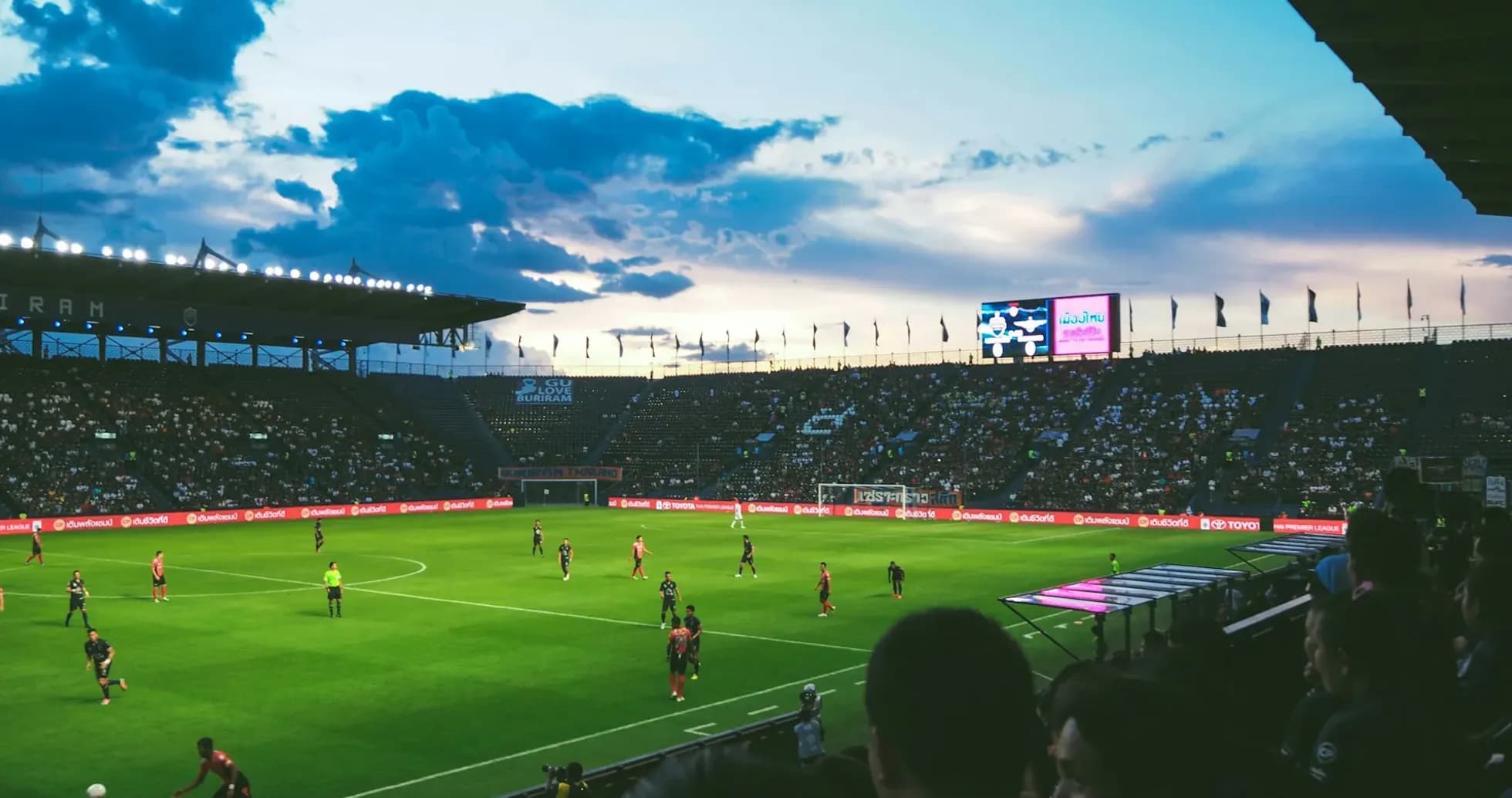
Under the lights at Regal Stadium, One Knoxville and Chattanooga Red Wolves dragged each other through 120 minutes of tension before the home side finally edged a 5-4 penalty shootout, the 1-1 scoreline after extra time only hinting at the emotional weight of the night. In a USL League One Cup group stage that has offered thin margins and fluctuating form, this felt like a small epic in its own right.
Heading into this game, the numbers painted a clear contrast. One Knoxville arrived as the more balanced outfit: overall they had scored 4 goals and conceded 3 in total this campaign, with a goals-for average of 1.3 and goals-against at 1.0. At home they were steady rather than spectacular, averaging 1.0 goal scored and 1.0 conceded. Chattanooga, by contrast, were a team living on the edge without the reward: 2 goals for and 5 against overall, a total goals-for average of 0.7 and goals-against at 1.7, and no wins in three, their form line an unforgiving “LLL”.
The standings underlined that divide. One Knoxville sat 3rd in USL Cup 2026, Group 3, with 4 points and a goal difference of 1 (10 goals for, 9 against in the group context), suggesting they could both hurt and be hurt. Chattanooga were 6th, with 2 points and a goal difference of -3 (8 for, 11 against), a side capable of finding the net but too often undone by their own looseness.
I. The Big Picture: A Cup Night Stretched to the Limit
From the first whistle at 23:00 UTC, the fixture had the feel of two teams whose seasons were at an early crossroads. One Knoxville, under Ian Fuller, leaned into their emerging identity: compact, slightly conservative at home, and trusting their front line to find moments rather than flood the game. Chattanooga, guided by Scott MacKenzie, had no choice but to be braver; their defensive record meant a passive approach would only invite more trouble.
The 0-0 half-time score reflected a cagey opening, but the full-time 1-1 felt truer to both teams’ season-long DNA: Knoxville doing just enough in attack, Chattanooga showing flashes going forward but paying a price at the back. With extra time unable to separate them, the penalty shootout became the purest test of nerve. Both sides had taken no penalties in total this campaign before this night; there was no prior record to lean on, no assurance of reliability from the spot. That Knoxville emerged 5-4 ahead in the shootout hinted at a group with slightly steadier psychology under pressure.
II. Tactical Voids and Discipline: Where Edges Appeared
Injury and absence data offered no explicit omissions, so both coaches appeared to have close to full decks. The tactical voids, then, were less about missing bodies and more about structural weaknesses.
For Knoxville, the statistics had already flagged a disciplinary pattern: all of their yellow cards this season had come late, split evenly between 61-75 minutes (50.00%) and 91-105 minutes (50.00%). That is the profile of a side that tightens the screw as the game wears on, prepared to foul and disrupt when game management demands it. Chattanooga’s card map was more scattered and hinted at instability: 12.50% of yellows in the opening 15 minutes, then 25.00% between 31-45, a peak 37.50% in the 46-60 window, and another 25.00% late on (76-90). This is a team that can lose its composure in waves, especially just after half-time.
In a cup tie that stretched to 120 minutes, that discipline profile mattered. Knoxville’s late-game willingness to take bookings dovetailed with their overall defensive solidity (only 3 goals conceded in total across 3 fixtures) and suggested a squad comfortable suffering in blocks. Chattanooga, by contrast, risked handing momentum away at key phases through rash challenges.
III. Key Matchups: Hunter vs Shield, Engine Room vs Enforcer
Without individual scoring charts, the “Hunter vs Shield” battle had to be read collectively. One Knoxville’s attack, averaging 1.0 goal at home and 2.0 on their travels, faced a Chattanooga defence conceding 1.5 at home and a worrying 2.0 away. That mismatch was always likely to tilt the tie Knoxville’s way over 90 minutes, even if the final scoreline remained narrow.
In personnel terms, Knoxville’s front unit of B. Diene and K. Linhares, supported by the likes of M. Goling and E. Conway, formed a mobile attacking band designed to stretch a back line that has already allowed 5 goals in total this campaign. Behind them, the double presence of J. J. Murphy and H. Cordova gave Fuller options: one to step into the press, the other to sit and screen.
Chattanooga’s shield was built around the spine of E. Kinzner and Y. Lelin, with C. Engmann and A. Lombardi tasked with knitting defence to attack. Their creative spark lay in the feet of M. Bentley and the wide menace of O. Hernandez and J. Ramos, a trio asked to test a Knoxville defence that had yet to keep a clean sheet but also had not been overwhelmed, conceding exactly 1 goal on average both home and away.
The “Engine Room” duel was subtle but decisive. Knoxville’s midfield, anchored by Murphy and Cordova, needed to disrupt Bentley’s rhythm and cut supply to the Red Wolves’ front line. Chattanooga, for their part, required Kinzner and A. Kelly-Rosales to not only shield but also progress the ball, a dual task that can expose a team already conceding 1.7 goals per match overall.
IV. Statistical Prognosis and Tactical Verdict
If we overlay the season data onto this match narrative, the outcome aligns with expectation. One Knoxville’s superior defensive numbers (3 conceded in total, compared to Chattanooga’s 5) and more efficient attack (4 goals vs 2) pointed towards a narrow home edge. In xG terms, this would project as Knoxville creating the slightly better chances while keeping Chattanooga at arm’s length, especially as the visitors have failed to score in 1 of their 3 fixtures.
Chattanooga’s path to an upset required clinical finishing and a rare clean sheet; yet they came into the night with 0 clean sheets in total and a habit of conceding in clusters. Their yellow card distribution, particularly the 37.50% spike between 46-60 minutes, suggested vulnerability just as games reopen after the interval—exactly the period where cup ties often tilt.
Following this result, Knoxville’s progression case strengthens: they have shown they can manage tight contests, absorb pressure late, and hold their nerve from the spot. Chattanooga, meanwhile, remain a side with promise in advanced areas but too porous and too emotionally volatile to consistently close out big nights.
In tactical terms, the story of Regal Stadium was one of a slightly more mature structure overcoming a more chaotic one. One Knoxville did not dominate; they endured. And in cup football, especially in a group stage where every marginal gain matters, that capacity to suffer and still find a way—whether through open play or a 5-4 shootout—often proves the sharpest weapon of all.