.svg&w=384&q=75 "naujapitch logo")
Greenville Triumph Over Loudoun United in USL Cup Match
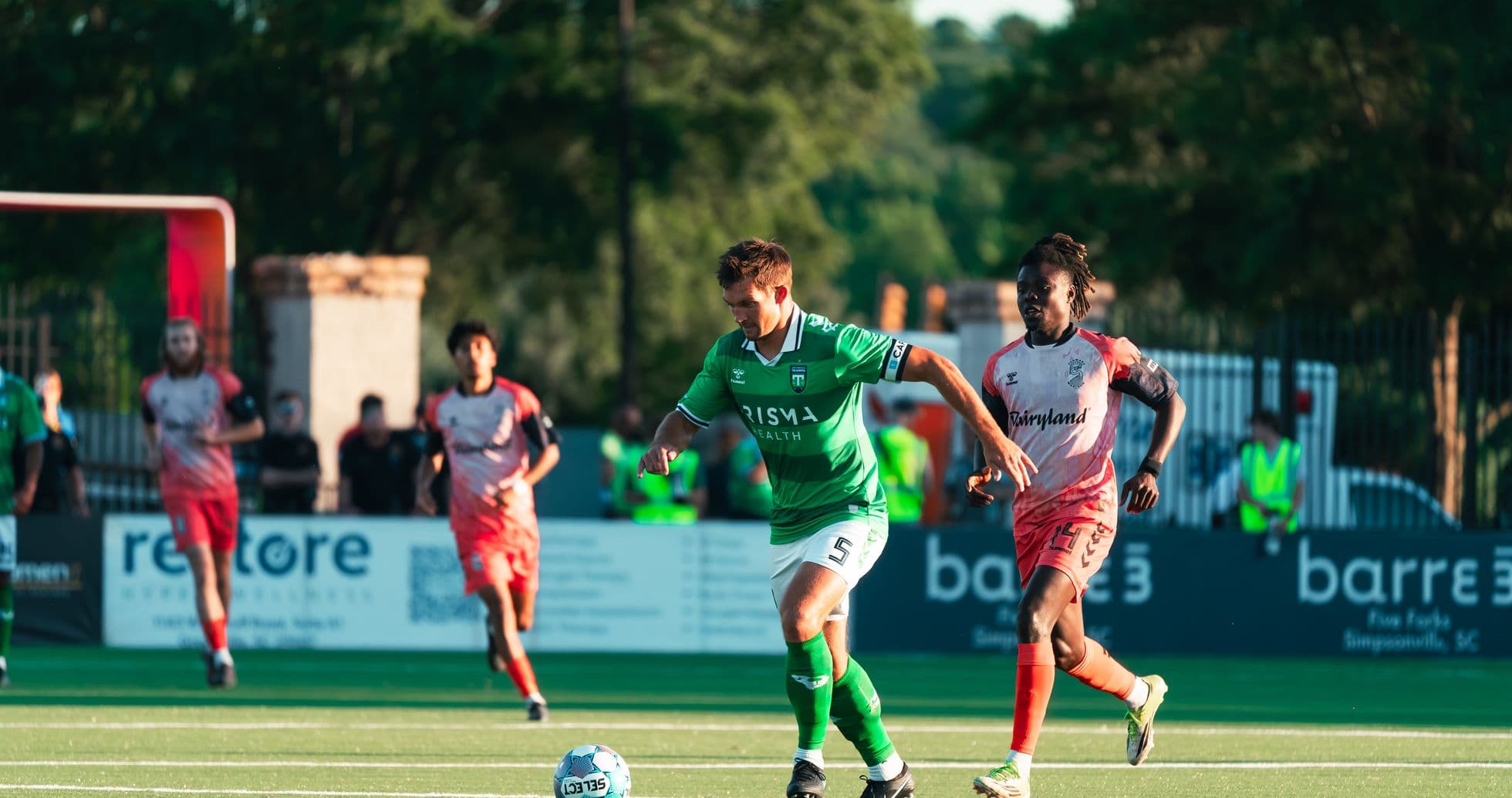
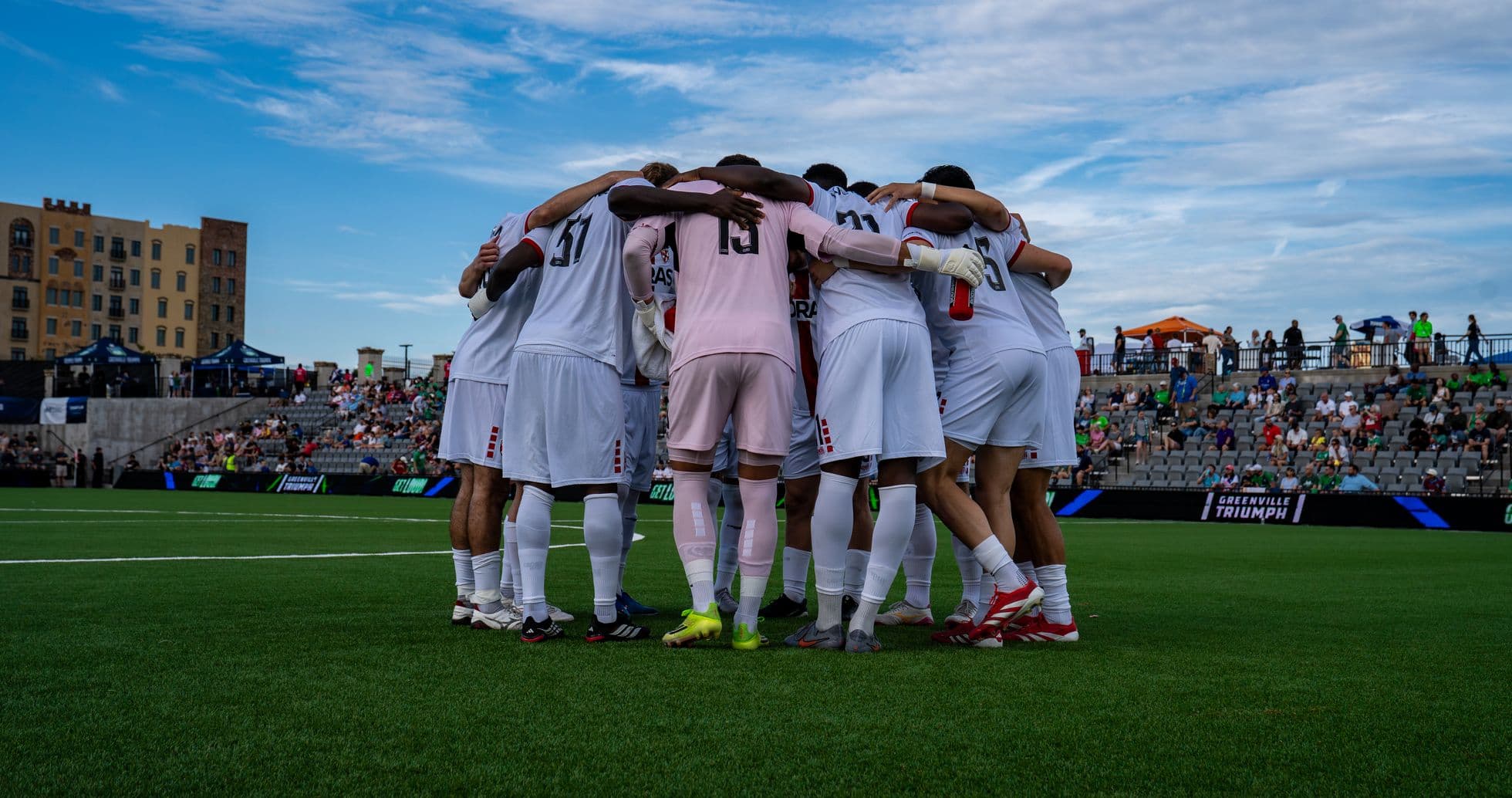
Under the lights at Paladin Stadium, Greenville Triumph and Loudoun United met in a Group Stage tie that felt far more like a knockout rehearsal than a routine pool match. The USL League One Cup may still be in its early chapters, but this 3-1 home win for Greenville carried the weight of a statement: a side learning its own attacking power while still walking the tightrope of defensive risk.
Heading into this game, Greenville’s seasonal profile was oddly split. Overall they had scored 3 goals and conceded 4 in total, a negative goal difference of -1 that did not quite match the ambition of their play. At home, though, the numbers painted a different picture: 3 goals for and just 1 against in a single outing, an average of 3.0 goals scored and 1.0 conceded at Paladin Stadium. On their travels they had been blunt and exposed, with 0 goals for and 3 against, but this night was about reinforcing the idea that home is where their attacking identity lives.
Loudoun arrived as a paradox of their own. Overall they had played 3 matches, winning 1 and losing 2, with 4 goals for and 5 against in total, again a goal difference of -1. At home they were measured and relatively secure, scoring 3 and conceding 2 across 2 games, an average of 1.5 goals scored and 1.0 conceded. Away, however, the fragility was clear: in 1 match on their travels they had scored 1 and conceded 3, an away average of 1.0 for and 3.0 against. Greenville’s attacking tilt at home against Loudoun’s leaky away record set the stage for exactly the sort of open contest that unfolded.
The lineups told their own tactical story, even without formal formations listed. For Greenville, coach Dave Dixon trusted a core that blended industry and incision. A. Knight, wearing 13, anchored the back line’s mentality, with B. Fricke and A. Patti giving the spine a rugged edge. T. Polak and E. Lee added balance, suggesting a back unit built more on discipline than flamboyance.
Ahead of them, the midfield axis of D. Boyce, C. Herrera and C. Evans looked designed for verticality. Boyce’s shirt number 7 hinted at a wide or shuttling role, while Herrera (8) and Evans (18) gave Dixon options between controlling tempo and breaking lines. The real threat, though, came from the front pairing and supporting cast: W. Akio (10) and A. Liadi (19) as the primary forwards, with their pace and direct running, and a bench that included the likes of D. Beckford (31) and R. Robles (9) ready to tilt the game further in Greenville’s favour if needed.
Loudoun coach Anthony Limbrick set his side up with a spine that, on paper, should have absorbed pressure more effectively than it ultimately did. J. Farr (13) in goal had the task of organising a back line featuring L. Piras (33), N. Adnan (2), A. Essengue (51), J. Erlandson (24) and S. Mazzaferro (5). In front of them, B. Akinyode (21) and J. Murphy (8) offered ballast and distribution, with J. Panayotou (16) as a connector between midfield and attack.
Up front, R. Aman (19) and T. Ulfarsson (17) were tasked with punishing Greenville in transition, supported by the bench threat of A. Ordonez (9) and A. Aboukoura (11). On another night, that blend of physical presence and movement might have troubled a Greenville side that, overall, had been conceding an average of 2.0 goals per match. Instead, the home side’s aggression and cohesion pushed Loudoun’s defensive structure to breaking point.
Discipline and game management were a quiet but decisive subplot. Greenville’s season-long yellow card distribution shows a pronounced late-game surge: 75.00% of their cautions have come between 76-90 minutes, with another 25.00% in the 16-30 window. This is a team that plays on the edge, especially as matches stretch and fatigue bites. Loudoun’s cautions, by contrast, are more spread but cluster around the heart of the contest: 37.50% between 46-60 minutes, 25.00% from 76-90, and smaller spikes in the 31-45 and 61-75 ranges. In a match where Greenville were determined to keep the tempo high, those mid-second-half bookings for Loudoun hinted at a side struggling to contain surging runs and quick combinations.
The “Hunter vs Shield” matchup on this night was less about a single striker and more about Greenville’s collective attack against Loudoun’s away defensive record. Greenville, overall, were averaging 1.5 goals scored per match, but that number was powered by their 3.0 average at home. Loudoun’s shield, on their travels, had been porous, conceding an average of 3.0 goals. The 3-1 final scoreline fit that statistical tension almost too neatly: Greenville’s home firepower overwhelming an away defence that has not yet found its compactness.
In the “Engine Room” duel, Greenville’s trio of Herrera, Evans and Boyce outmanoeuvred Loudoun’s Murphy, Panayotou and Akinyode. With no penalties taken by either side this season—Greenville and Loudoun both showing 0 total penalties, 0 scored and 0 missed—control of open play was always going to decide the narrative. Greenville’s ability to progress the ball without relying on set-piece lifelines underscored a side increasingly comfortable imposing its game.
Following this result, the standings snapshot sharpens the group’s tension. Greenville sit on 3 points from 2 matches, with 3 goals for and 4 against overall, still on a -1 goal difference but with their home form pristine: 1 win from 1, 3 goals scored and 1 conceded. Loudoun, also on 3 points from 3 games, carry 4 goals for and 5 against in total, maintaining their own -1 goal difference but with that damaging away record—1 match, 1 defeat, 1 goal scored and 3 conceded—now firmly a pattern rather than an anomaly.
From a statistical prognosis, the Expected Goals story (even without explicit xG numbers) aligns with the broader trends. A Greenville side that creates enough to average 3.0 goals at home faced a Loudoun defence conceding 3.0 away; the 3-1 scoreline reflects a contest where the home side generated sustained pressure and high-value chances. Defensively, Greenville remain a work in progress, conceding an overall average of 2.0 goals per match, but at Paladin Stadium that drops to 1.0, suggesting that their structure tightens when backed by familiar surroundings.
In narrative terms, this was Greenville’s night: a squad whose attacking pieces—Akio, Liadi, supported by Herrera and Evans—clicked into a coherent, front-foot unit. Loudoun, for all the promise in Ulfarsson, Aman and the creativity of Panayotou, remain caught between identities: solid at home, brittle away. If this group stage is a prelude to knockout drama, then this fixture will be remembered as the evening Greenville Triumph discovered that, at Paladin Stadium, they can not only outplay opponents, but overpower them.