.svg&w=384&q=75 "naujapitch logo")
Michael Edwards Exits FSG Role Amid Liverpool's Transition
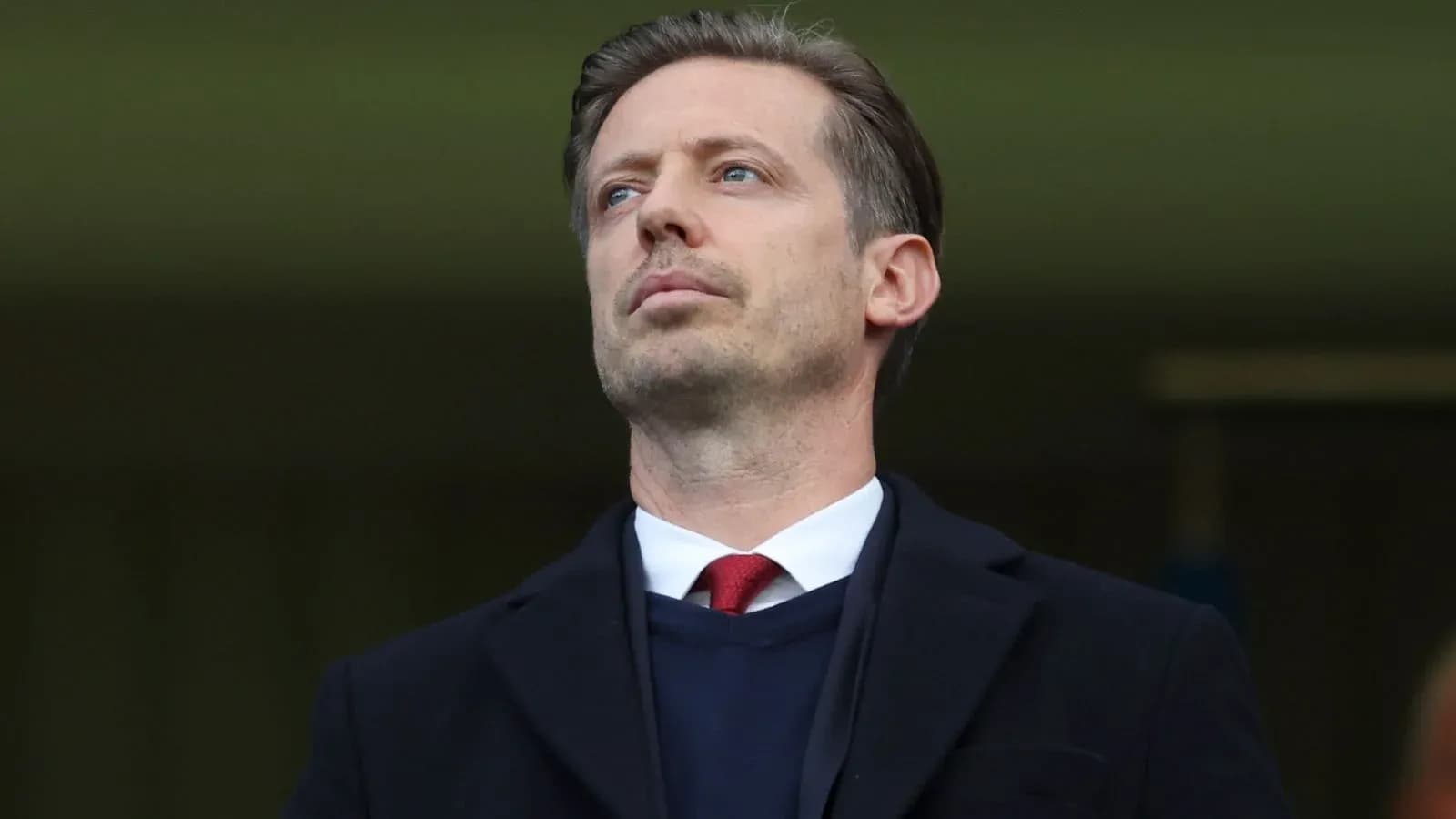
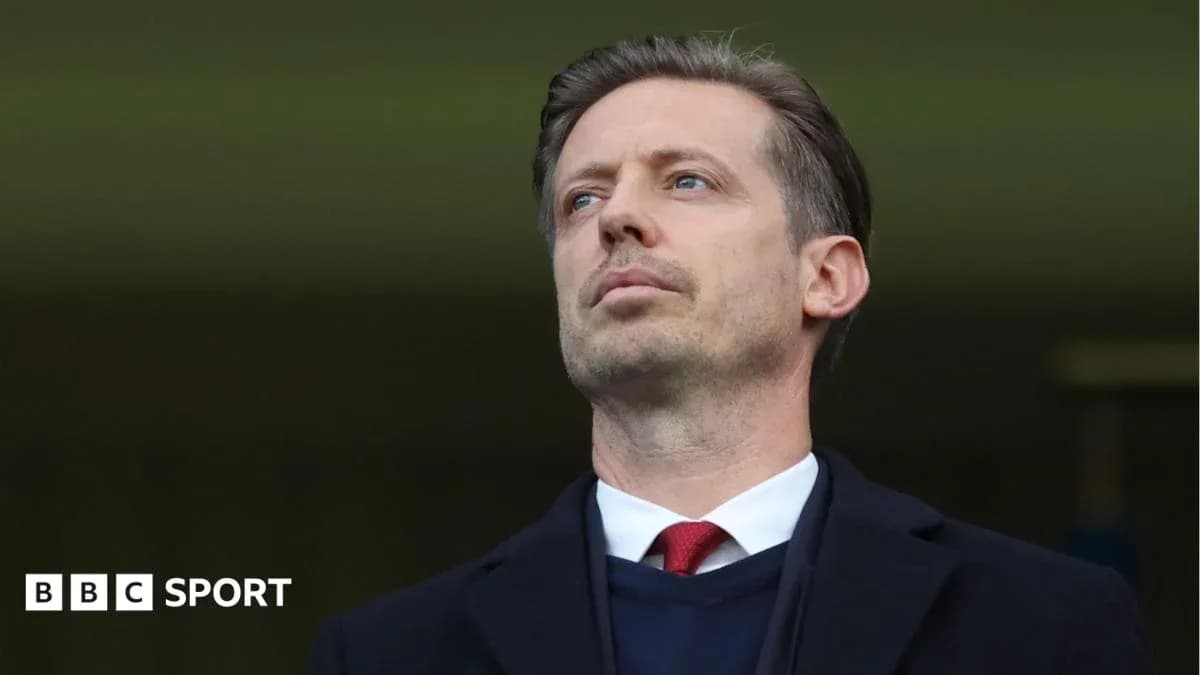
Michael Edwards, the architect of much of Liverpool’s modern revival, has stepped away from his role as chief executive of football at Fenway Sports Group, drawing a sharp line under a second spell of influence at Anfield’s helm.
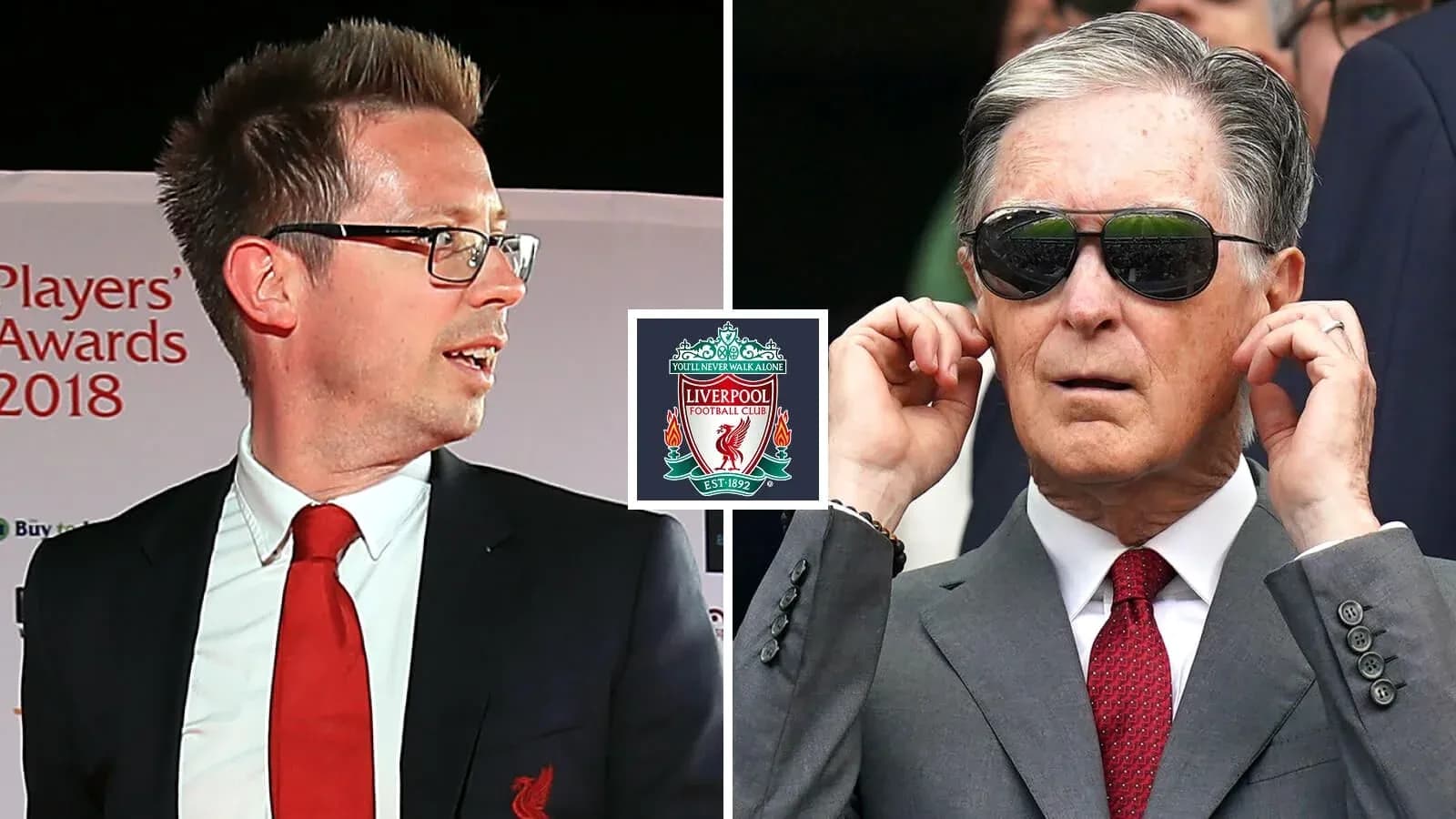
FSG framed the move as part of a “planned transition following the completion of key strategic priorities”, but the tone from within the ownership group told its own story. Group president Mike Gordon admitted they are “naturally disappointed” to see him go. You don’t say that about someone whose work is easily replaced.
Edwards leaves two years into a three-year contract, having returned to work closely with Liverpool in March 2024. His remit was clear and daunting: help steer the club out of the Jurgen Klopp era and shape FSG’s wider football strategy. In other words, manage the aftershock of losing the defining manager of a generation while plotting what comes next for a multi-club football operation.
In his parting words, Edwards stressed the strength of what remains in place at Anfield. “Liverpool is in a strong position, with outstanding people, a clear direction and the foundations in place for continued success,” he said, underlining that the house he helped build has not been left in disarray.
He spoke too of the lure that brought him back. “When I returned, I was excited not only by the opportunity to help guide Liverpool through an important period of transition, but also by the chance to help shape FSG’s wider football ambitions.” That broader vision, though, did not unfold as first drawn. “While that broader project ultimately evolved differently to how we had originally envisaged, I am proud of the work our team undertook in presenting ownership with a broad range of thoughtful and well-developed options for the future.”
The message is diplomatic, but clear enough: the ideas were there; the direction changed.
All this comes at a delicate moment for Liverpool. Mohamed Salah, the club’s defining forward of the Klopp era, has gone at the end of the last campaign. Replacing his goals, his presence, his aura on the right flank is not a routine recruitment challenge. It is the kind of problem Liverpool once trusted Edwards’ framework to solve.
Now, that responsibility sits amid uncertainty. Speculation is growing around sporting director Richard Hughes and his own future. For a club that prided itself on being smarter, calmer and more joined-up than the rest of the league, the noise around the decision-makers is starting to grow louder than they would like.
It is this contrast that makes Edwards’ departure resonate. His first spell at Liverpool, beginning in 2011 and culminating in his promotion to sporting director in 2016, helped redefine how the club operated. He left in the summer of 2022 with a reputation as one of the sharpest transfer minds in the game.
The list of recruits under his watch reads like the spine of a modern Liverpool mythology: Salah, Roberto Firmino, Sadio Mane, Andy Robertson, Virgil van Dijk. They didn’t just improve the team; they changed its ceiling. Those signings turned Liverpool from hopeful challengers into a machine that finally ended a 30-year wait for a top-flight title in 2020.
That track record is why his return in 2024 felt so significant, and why his exit now feels so stark. The man who once solved Liverpool’s biggest squad problems with surgical precision leaves just as a new set of questions pile up: life after Klopp, life after Salah, and perhaps soon, life after Hughes.
FSG insist this is a transition, not a rupture. The coming months will reveal whether Liverpool still move with the same clarity that once made Edwards’ work look almost inevitable, or whether this is the moment when that famed recruitment edge starts to blur.