.svg&w=384&q=75 "naujapitch logo")
Kobbie Mainoo's World Cup Journey: A Missed Opportunity for England
Thomas Tuchel’s World Cup call on Kobbie Mainoo has become one of the defining subplots of England’s campaign – and now there is a clearer picture of why one of Manchester United’s brightest talents never left the bench.
The 20-year-old arrived at the tournament on a surge of momentum. He had driven United’s late-season push into the Champions League, looked at ease in high-pressure fixtures and forced his way into England’s squad on merit, not hype. He was never expected to dislodge Declan Rice, and Elliot Anderson had already emerged as Tuchel’s preferred partner in midfield, but Mainoo’s form suggested he would at least taste the World Cup, not just watch it.
He didn’t play a single minute.
As England laboured in games that cried out for a fresh mind and a different rhythm in midfield, Tuchel’s refusal to turn to Mainoo grew louder as a talking point. Cameras regularly caught the midfielder at full-time, face set, shoulders tight, walking off alone. The body language told its own story.
According to The Daily Mail, Tuchel did briefly move towards using him. In the week leading up to England’s second group match against Ghana, with Rice struggling for fitness and Jordan Henderson injured, Mainoo was pushed into central midfield in training alongside Anderson. Inside the camp, there was a genuine sense he was edging into the frame.
Then the door slammed shut.
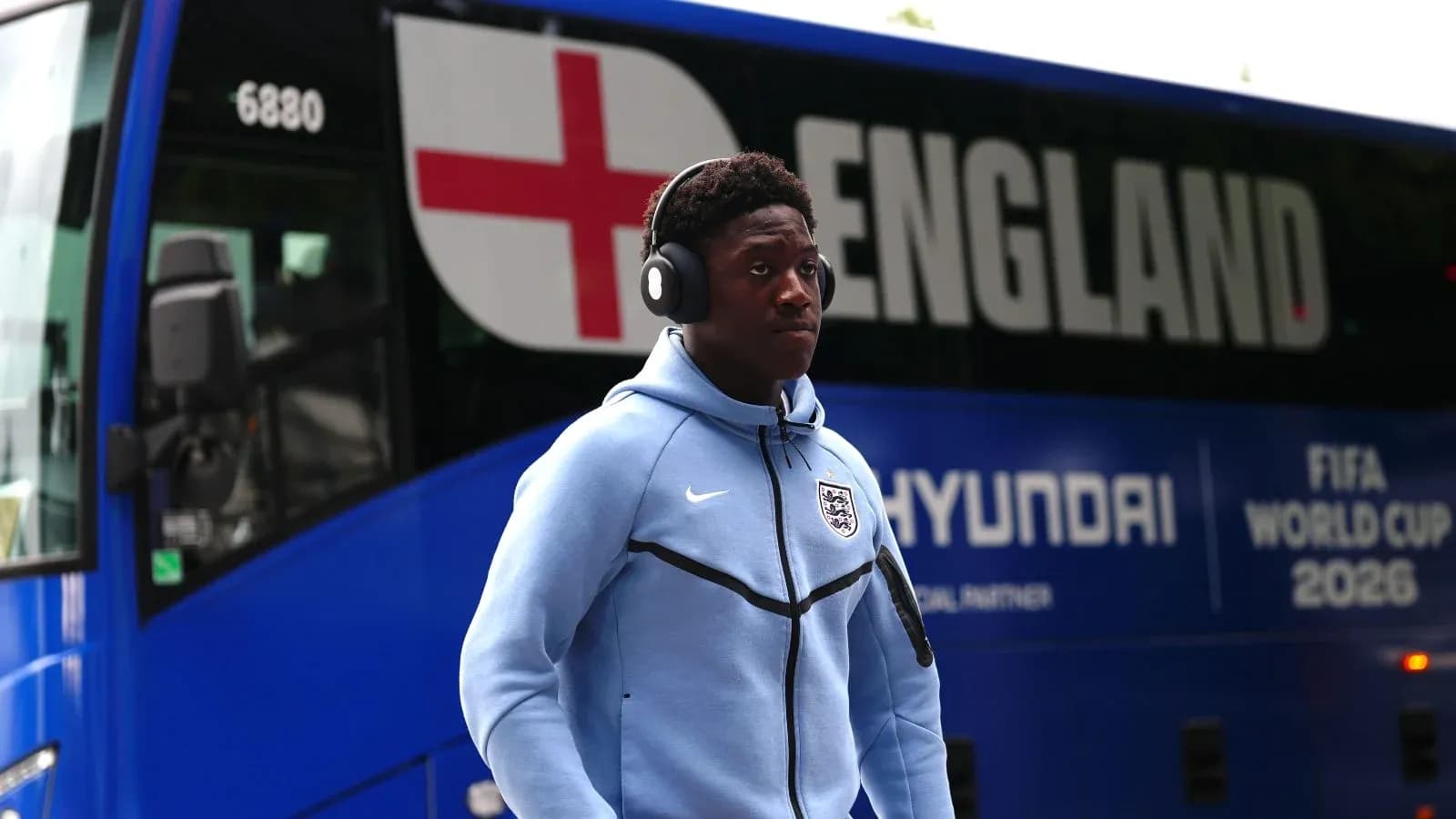
The report claims Tuchel “had not liked what he saw” in those sessions. Whatever the specifics, the impression was strong enough for the England manager to abandon the idea of starting him. From that point on, Mainoo’s World Cup became a series of walk-ons that never made it to the stage: first out of the stadium after games, alone, headphones on, drifting further from the pitch and, it seemed, from his manager’s plans.
The Athletic painted a similar picture. Mainoo was described as “unhappy” at the tournament, often the first player back on the team bus. Inside the squad, there was confusion about what, exactly, Tuchel wanted from him – or whether he wanted anything at all.
One source close to the camp suggested Tuchel might have viewed Mainoo as a young player who would simply be content to experience a World Cup from the fringes, learning, waiting, accepting. Others within the group felt the opposite: that Mainoo had not convinced Tuchel he could be trusted when it mattered, that the manager simply didn’t see enough in training to justify the risk.
What is clear is that there was no coherent, visible plan. While Rice battled through fitness issues, Tuchel turned to a defender, Reece James, to plug gaps in midfield before he turned to Mainoo. That decision cut deep. For a specialist midfielder in form, watching a full-back move ahead of him in the queue was as stark a message as any team talk.
And still, reports insist Mainoo trained well.
Tuchel’s handling of him now sits alongside tactical choices and selection calls in the growing list of grievances around England’s failed World Cup tilt. For the player, it leaves a different kind of question: when the next tournament comes around, will he be a passenger again, or the kind of midfielder no England manager dares to ignore?