.svg&w=384&q=75 "naujapitch logo")
England's World Cup Exit: Tuchel's Tactical Choices Under Fire
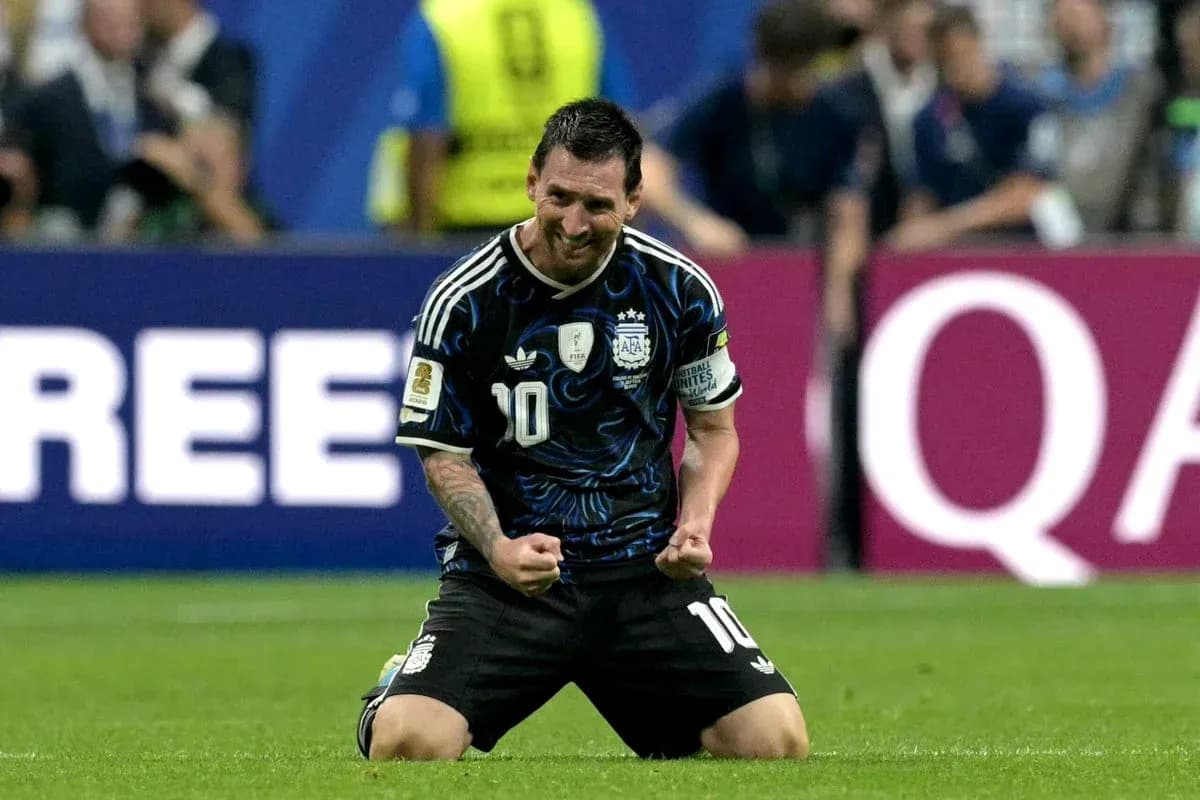
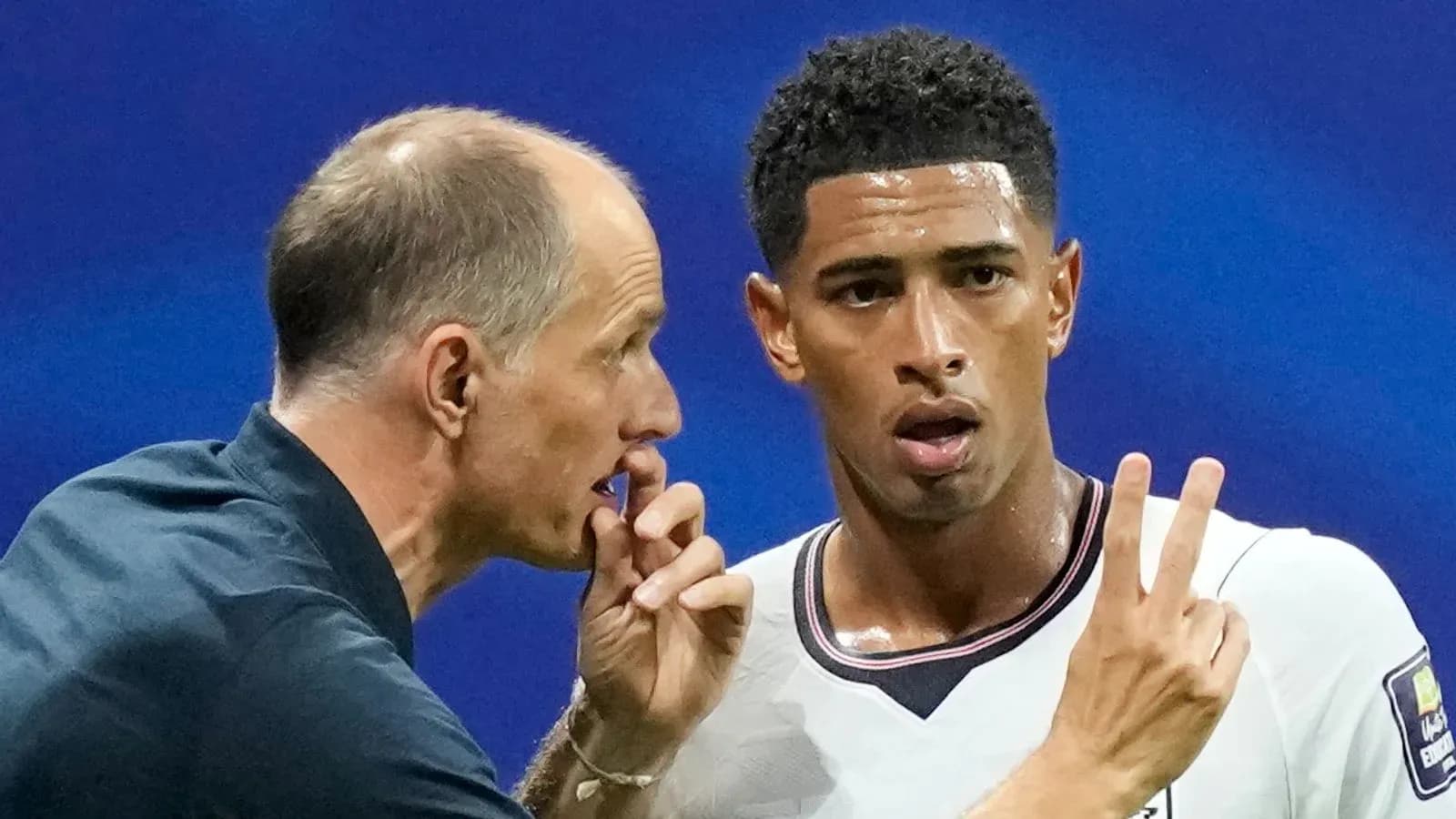
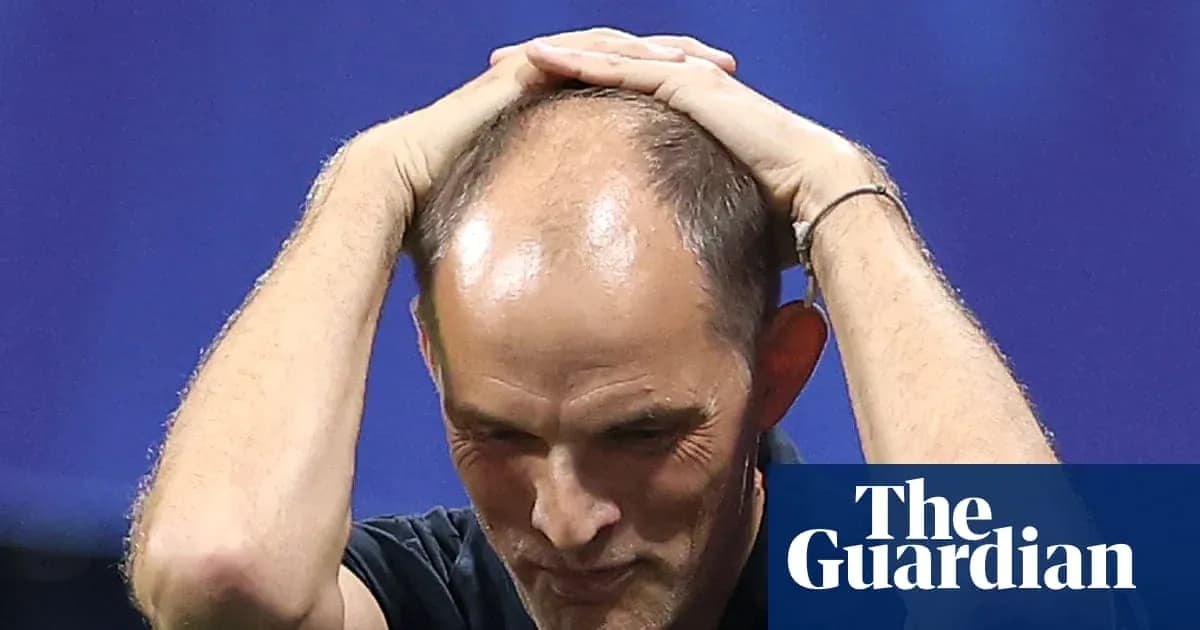
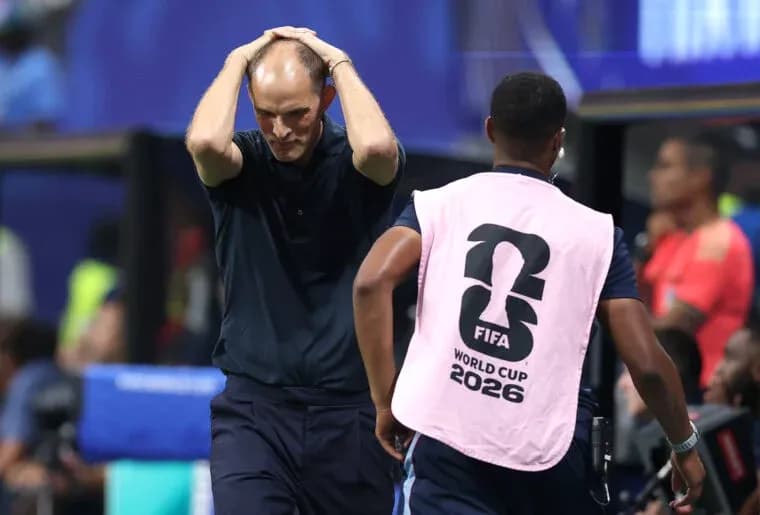
England’s World Cup dream died in Atlanta on Wednesday night, and with it came a familiar inquest. A 2-1 defeat to Argentina at the Atlanta Stadium denied the Three Lions a place in the final, and Thomas Tuchel walked straight into the storm.
Not because England were outclassed. Because, in the eyes of many, they shrank.
Tuchel’s side had one hand on the door to the final when Anthony Gordon struck in the 55th minute, a crisp breakthrough that sent the travelling support into delirium and seemed to confirm England’s status as one of the tournament’s heavyweights. From there, though, the tone of the night changed.
England dropped off. Lines retreated. Attacks became rare, cautious forays rather than waves. Argentina, smelling hesitation, moved higher up the pitch and began to dictate.
When the equaliser came, the pressure had been building for too long. When the winner followed, the criticism was already writing itself.
Tuchel, renowned for his tactical detail and control, found himself accused of exactly that: too much control, not enough ambition. Fans and pundits lined up to question why England, a goal up in a World Cup semi-final, chose to protect rather than push, to manage rather than seize.
The German coach has faced hostile post-mortems before in his club career, but this was different. This was England, at a World Cup, with a golden chance lost.
Yet behind the noise, his job is not under threat.
According to BBC Sport, Tuchel retains the full backing of the Football Association and is expected to lead England into Euro 2028. The FA view this World Cup not as an ending, but as a staging post.
Tuchel, 52, only took charge in January 2025, arriving on a contract designed to carry him through this World Cup cycle. His impact was swift enough that, by February, the FA moved to secure him longer term, handing him a two-year extension that runs to Euro 2028.
That decision now looks like a statement of intent rather than a gamble. England came into the tournament as one of the favourites and, for long spells, carried themselves like it.
They opened with a wild, breathless 4-2 win over Croatia, an attacking show that fed the belief back home. The performances against Ghana and Panama were less convincing, more functional than fluent, but England did what strong tournament teams do: they got through.
The real shift came in the knockouts. After negotiating a potentially awkward tie against DR Congo, the Three Lions produced their standout performance at the Estadio Azteca, dismantling Mexico with a display that blended structure and swagger. It felt like a statement that Tuchel’s ideas had truly taken hold.
Norway posed a different sort of test: stubborn, disciplined, awkward. England answered that too, coming through with authority and composure. By the time they stepped out in Atlanta to face Argentina, the path to the final felt not just possible, but expected.
For 55 minutes, the script held. Gordon’s goal looked like the moment England stepped fully into that destiny.
Then came the retreat. Then came Argentina. Then came another chapter in England’s long, complicated World Cup history.
Tuchel will now be judged on what comes next. The FA have placed their faith in him, the contract is in place, and Euro 2028 looms as both an opportunity and a reckoning.
England have a manager they believe can take them there. The question is whether this painful night in Atlanta becomes the scar that hardens a champion, or the chance they never quite live down.