.svg&w=384&q=75 "naujapitch logo")
Argentina's Epic Comeback Against England in World Cup Semifinal
They might need to check the structural integrity of the Mercedes-Benz Stadium.
When Lautaro Martínez’s 92nd‑minute header ripped past Jordan Pickford, the roar from the Albiceleste end didn’t just rise – it thundered, rattling the steel and swallowing Atlanta in sky blue and white. Argentina, dragged to the brink and staring at the exit, are back in a World Cup final after a ferocious 2-1 comeback over England in a semifinal that felt less like a football match and more like open combat.
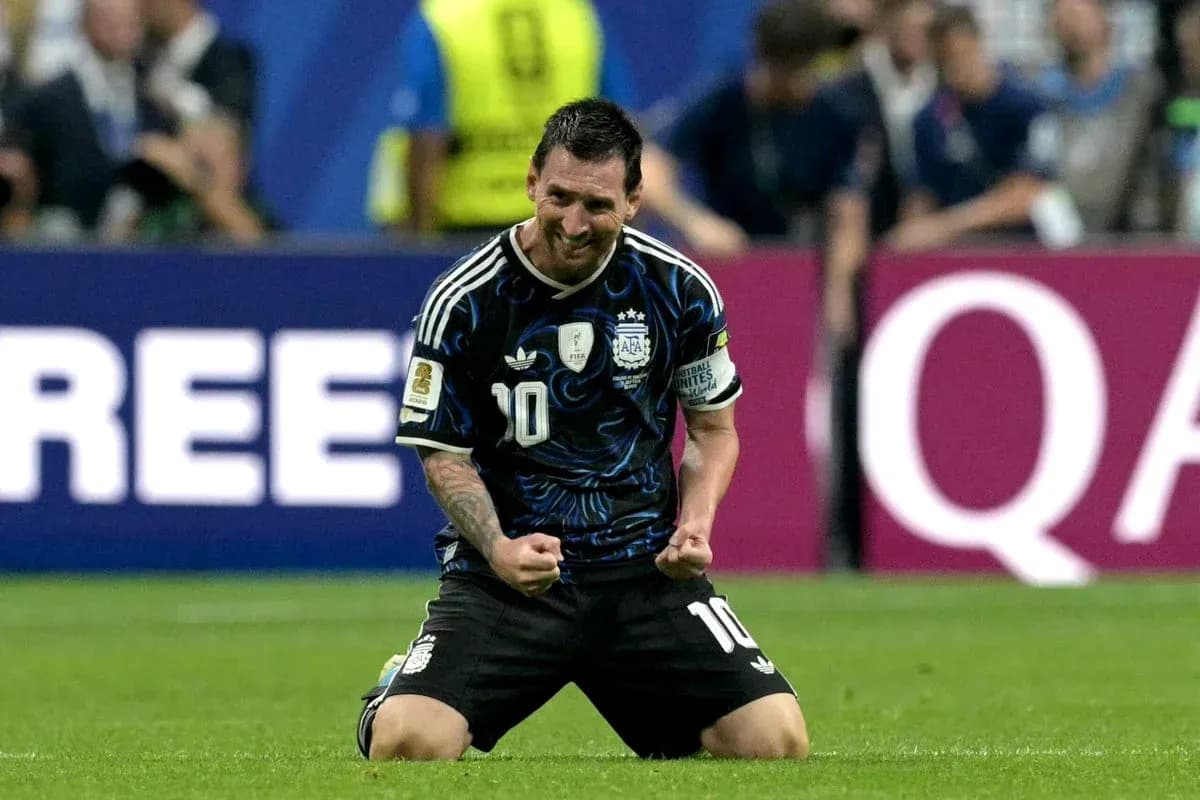
At 39, Lionel Messi is supposed to be easing into the background. Instead, he walked straight into the chaos and rearranged it to his liking. First came the slide-rule involvement in Enzo Fernández’s 85th‑minute equaliser, a rocket that finally broke England’s resistance. Then, with extra time looming and nerves fraying, he delivered the decisive cross for Lautaro, the kind of killer contribution that has become his late-career signature.
But this night belonged as much to the war around Messi as the magic from him.
Argentina, accused all tournament of sleepwalking through games and leaning on late bursts of genius, tore up that script. Lionel Scaloni didn’t send out a side to control the ball and manage the tempo. He sent out a side to suffocate England. To turn every duel into a test of nerve.
And at the heart of that plan was a surname that still stings in England.
Seeing “Simeone” on the team sheet will have jolted English memories straight back to Saint‑Étienne in 1998, to Diego Simeone and David Beckham and a red card that became a national trauma. This time, though, it was Diego’s 23‑year‑old son, Giuliano, thrown into the starting XI as a psychological jab before a tackle had even been made.
If the name felt like a provocation, the performance went even further.
This was a battlefield from the first whistle. Enzo Fernández, Alexis Mac Allister, Leandro Paredes and Nicolás Tagliafico flew into challenges, compressing the pitch and turning midfield into a trench line. Yet Giuliano Simeone operated on a different frequency. He chased everything. Every loose ball, every second ball, every half‑chance of a turnover. Like a bloodhound that had caught a scent and refused to let go.
On the right flank he formed a relentless double act with Nahuel Molina, while his Atlético Madrid teammate Julián Álvarez led the line. Together they stretched England’s left side until it creaked, forcing the Three Lions deeper and deeper, pinning them back with wave after wave of harrying runs.
Simeone played like a man burning through three years of frustration in one night. Three years since a horrific leg fracture threatened to derail his rise. Three years of clawing his way back to the elite level. In Atlanta, he looked like someone who had circled this fixture in his mind long before the draw was even made.
His running wasn’t just romantic, it was ruthless and calculated. Every sprint, every press, carved out little pockets of space for Messi to receive, turn, and probe. While England tracked the No. 10, Simeone quietly did the dirty work that allowed Argentina’s star to stay on the ball and keep asking questions.
Then came the twist.
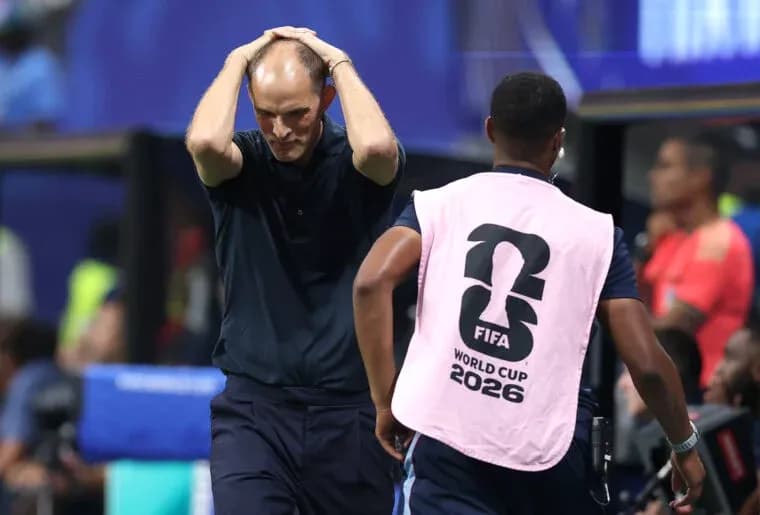
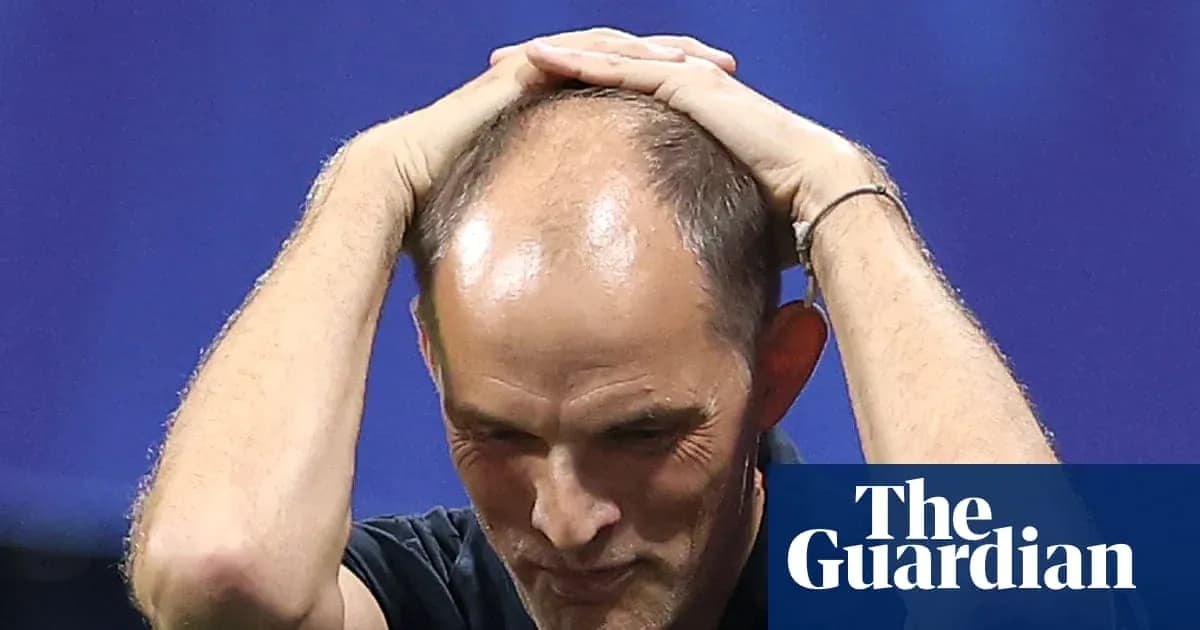
Anthony Gordon struck in the 55th minute, a sharp finish that gave England the lead and permission to retreat into their shell. Thomas Tuchel’s side parked the bus with grim determination, stacking bodies behind the ball and daring Argentina to find a way through.
Scaloni read the moment. The first wave of destruction had done its job. With Simeone running on fumes after an hour of all‑action pressing, the Argentina coach made his move in the 73rd minute. Giuliano came off, completely spent, having racked up four ball recoveries – joint‑second highest in the team on the night – and leaving every drop of energy on the turf.
On came Rodrigo De Paul.
It was a change loaded with symbolism. De Paul, once Diego Simeone’s trusted enforcer at Atlético, built his reputation on exactly this kind of warfare before swapping Madrid for Inter Miami and a club reunion with Messi. Now he stepped into the very role Giuliano had filled from the start, asked to bring control and incision to the chaos.
He did exactly that. De Paul matched Simeone’s tally with four ball recoveries of his own in a breathless cameo and came close to adding an assist with a curling effort that teased the far post. The substitution didn’t just make tactical sense; it felt like a passing of a baton between generations of Simeone disciples.
Then the dam finally burst.
Enzo’s thunderous equaliser ignited the stadium. Suddenly England’s deep block looked less like a plan and more like a prison. Argentina swarmed. Every clearance came straight back. Every second ball fell to a blue-and-white shirt.
And then Messi found Lautaro.
One measured delivery. One perfectly timed run. One header that sent Pickford grasping at air and the Albiceleste into delirium. The winner turned the semifinal into a scene of pure pandemonium in Atlanta, Argentina’s players and fans roaring as if they had dragged themselves out of the grave by their bare hands.
They had, in a way. This was not the defending champions drifting through 80 minutes and waiting for destiny. This was a side that refused to lift their foot off England’s throat, not for a second, not for a breath.
All of it played out against the backdrop of one of international football’s most loaded rivalries. Argentina and England do not meet in a vacuum. Every clash carries the weight of the Falkland Islands – Las Malvinas – and the 1982 war, a political fault line that still hums beneath the surface whenever these nations share a pitch.
Messi will dominate the front pages. He always does. Another final, another decisive night, another reminder that even at 39 he can bend games to his will.
But deep in Argentine memory, in the songs and stories that follow this generation, another name has been etched in. Giuliano Simeone, the kid who ran himself to a standstill, who turned a semifinal into a personal crusade, has sprinted his way into Albiceleste folklore.