.svg&w=384&q=75 "naujapitch logo")
Thomas Tuchel's Gamble in England's World Cup Semi-Final
Thomas Tuchel came to this World Cup as England’s gambler-in-chief. He picked a squad few others would have dared to assemble, rode out a backs-to-the-wall win over Mexico, and started Morgan Rogers in a semi-final on what he called “a feeling from the coach”.
For an hour, the roulette wheel spun his way.
Anthony Gordon arrived at the back post to bury Rogers’ cross, the kind of goal that makes a manager believe his instincts are touched by something higher. It was the first line of a new chapter: England leading Argentina in a World Cup semi-final, the script begging to be rewritten.
Then Tuchel changed it.
The substitution that broke England
The match will be remembered for seven late minutes of Argentine fury, but the real hinge came in the 71st minute, when Gordon’s number went up and Ezri Konsa stepped to the touchline.
England were already retreating, the freeze setting in after Gordon’s opener. In the 15 minutes that followed that goal, they saw just 17 per cent of the ball and managed nine touches in Argentina’s half. The warning lights were flashing, yet the response was to double down on caution.
Konsa’s introduction and the shift to a back five against the reigning world champions looked timid in real time, not just in hindsight. It stripped England of their most direct outlet, the one player who had been stretching Argentina and forcing them backwards. Gordon walked off; with him went England’s release valve.
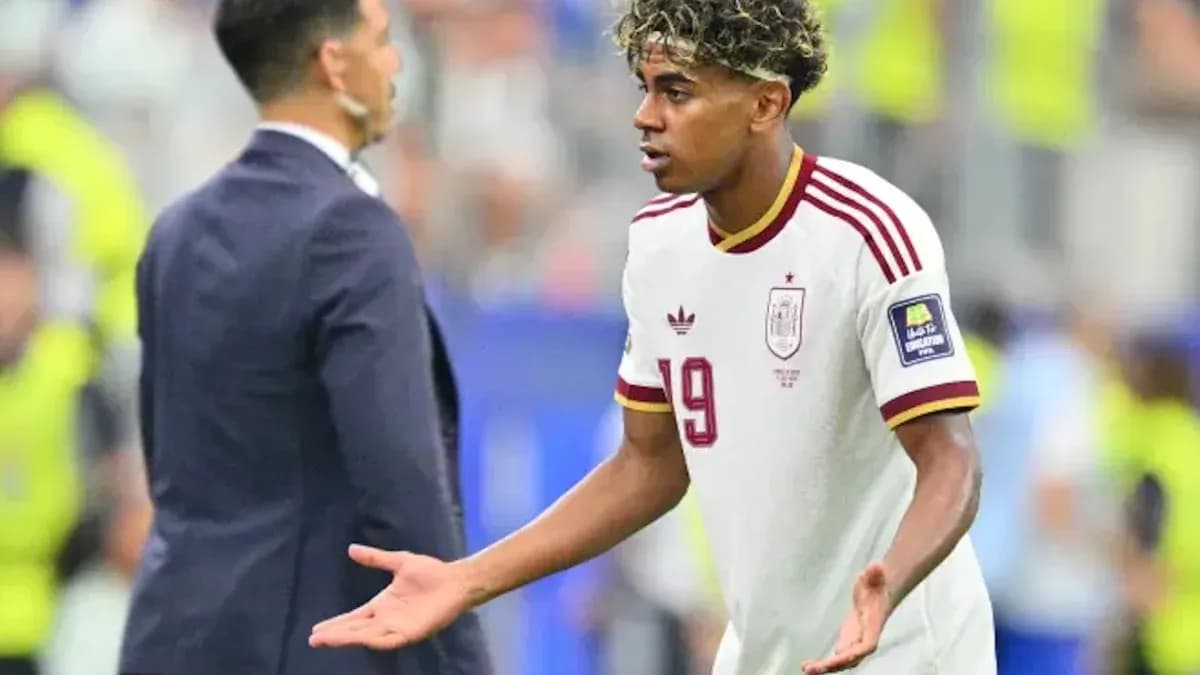
Rogers, pushed inside to operate behind Harry Kane alongside Jude Bellingham, virtually disappeared. Between the change of shape and Lautaro Martínez’s winner, he had a single touch. One. In 21 minutes of the most important game of his life.
During that spell, England’s share of possession collapsed to 7.2 per cent. They managed eight touches in Argentina’s half. They did not deliver a single cross. A semi-final, with a lead, turned into a siege.
A back five that never bit
Presumably, Tuchel imagined Djed Spence and Reece James tearing up the flanks as aggressive wing-backs in the 3-4-3 he has trusted so often. The reality was brutal. From the moment of the switch to the final whistle, James and Spence combined for just one touch in the Argentina half.
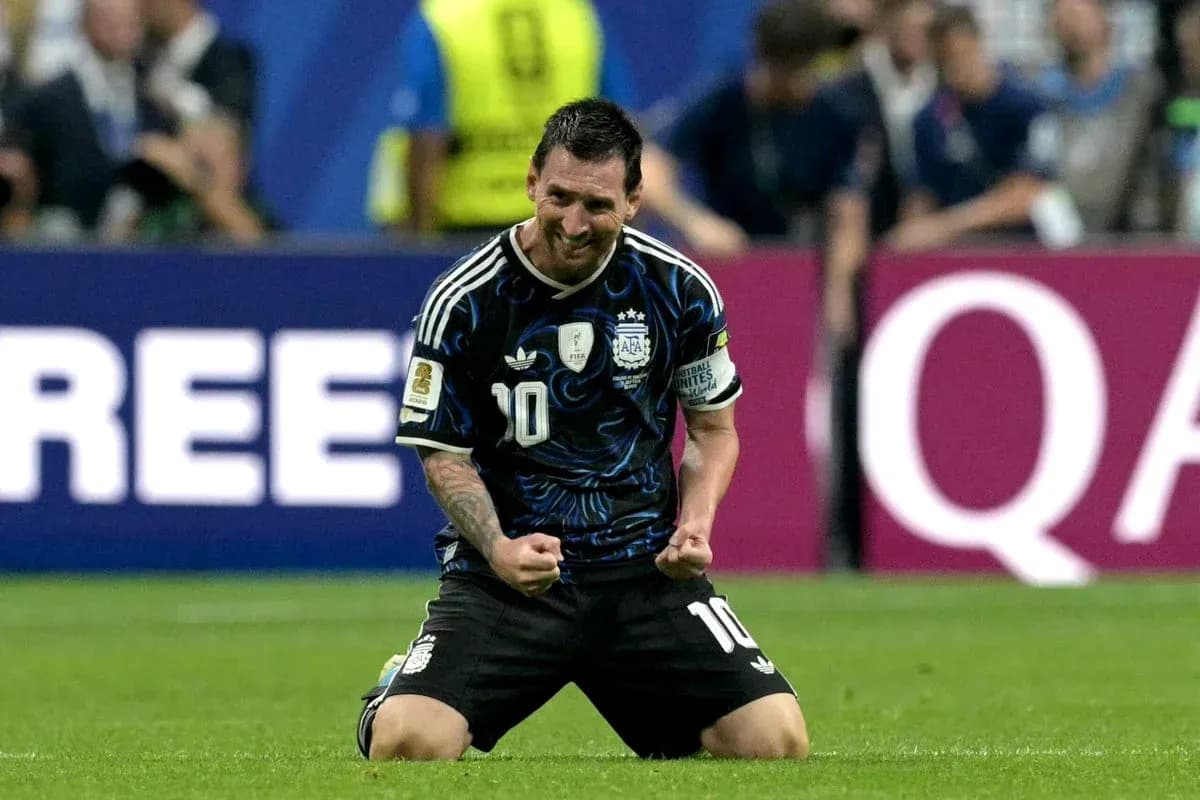
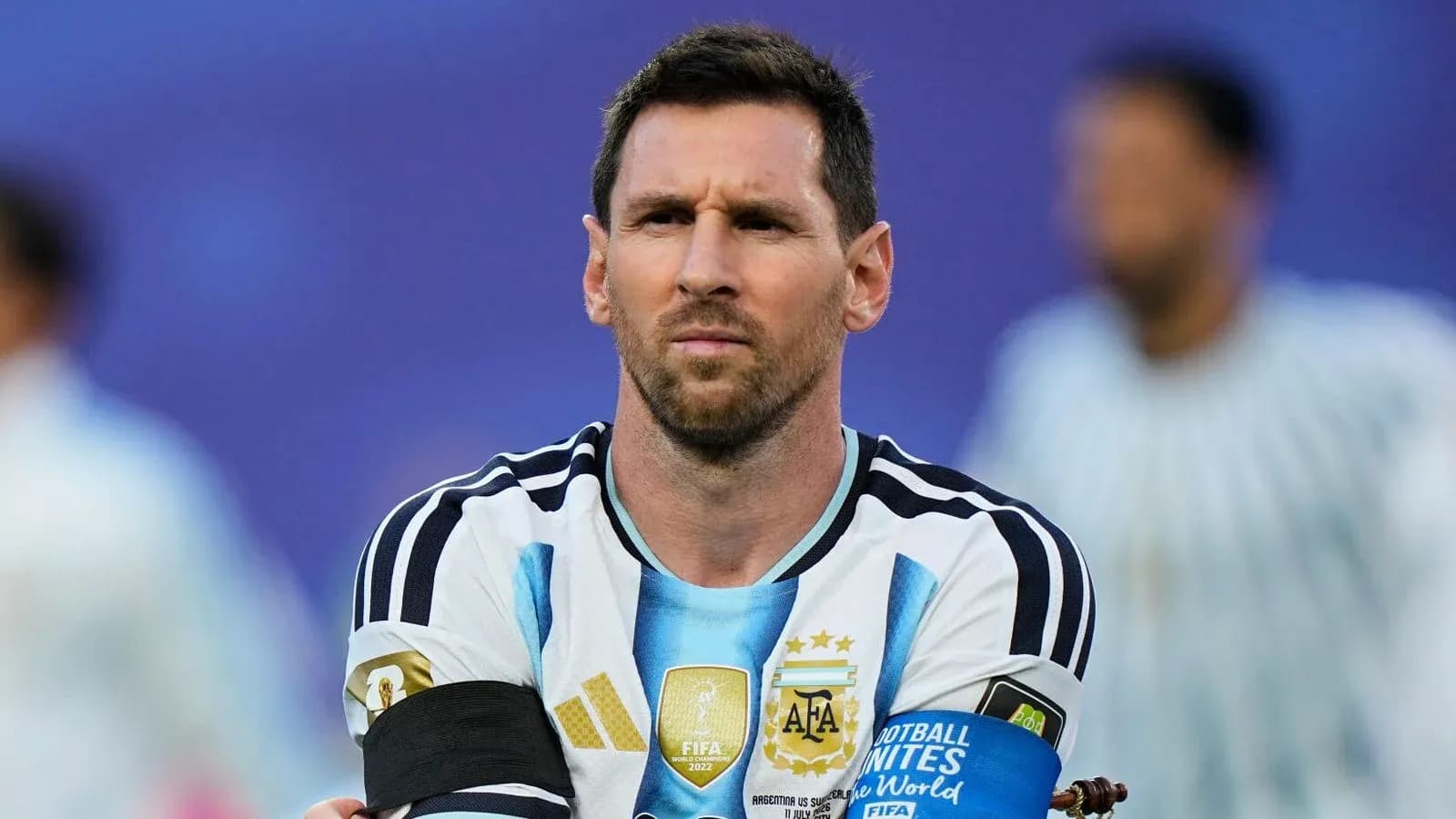
Instead of springing forward, England simply sank deeper. They handed the ball to a side built to keep it, with the best player of all time demanding it, demanding the stage. Lionel Messi did not need a second invitation.
Wave after wave of Argentina attacks crashed over England’s new back line. Konsa, brought on to stabilise, never once won possession back for his team, but he did lose it five times. The change did not calm England; it amplified their anxiety.
The numbers tell a familiar story. In the last 30 years, England have lost 13 knock-out matches. In seven of those, they scored first. They are the only team this century to take the lead in a World Cup semi-final and fail to reach the final. They have now managed that twice.
This was not a new nightmare. It was a recurring one.
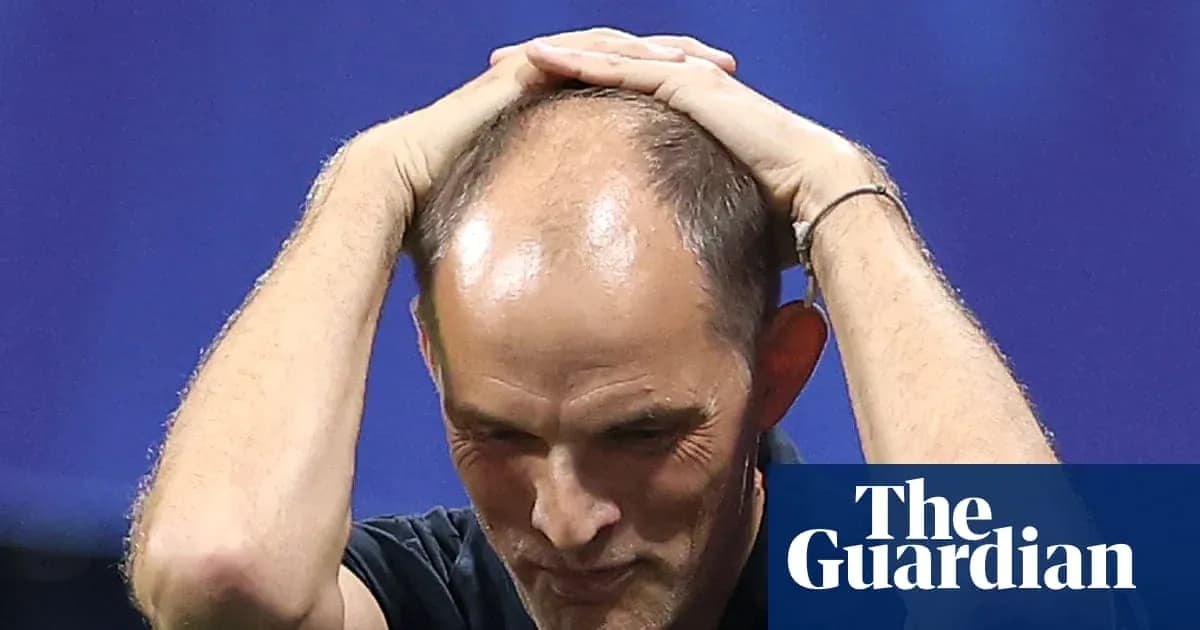
Tuchel freezes at the wheel
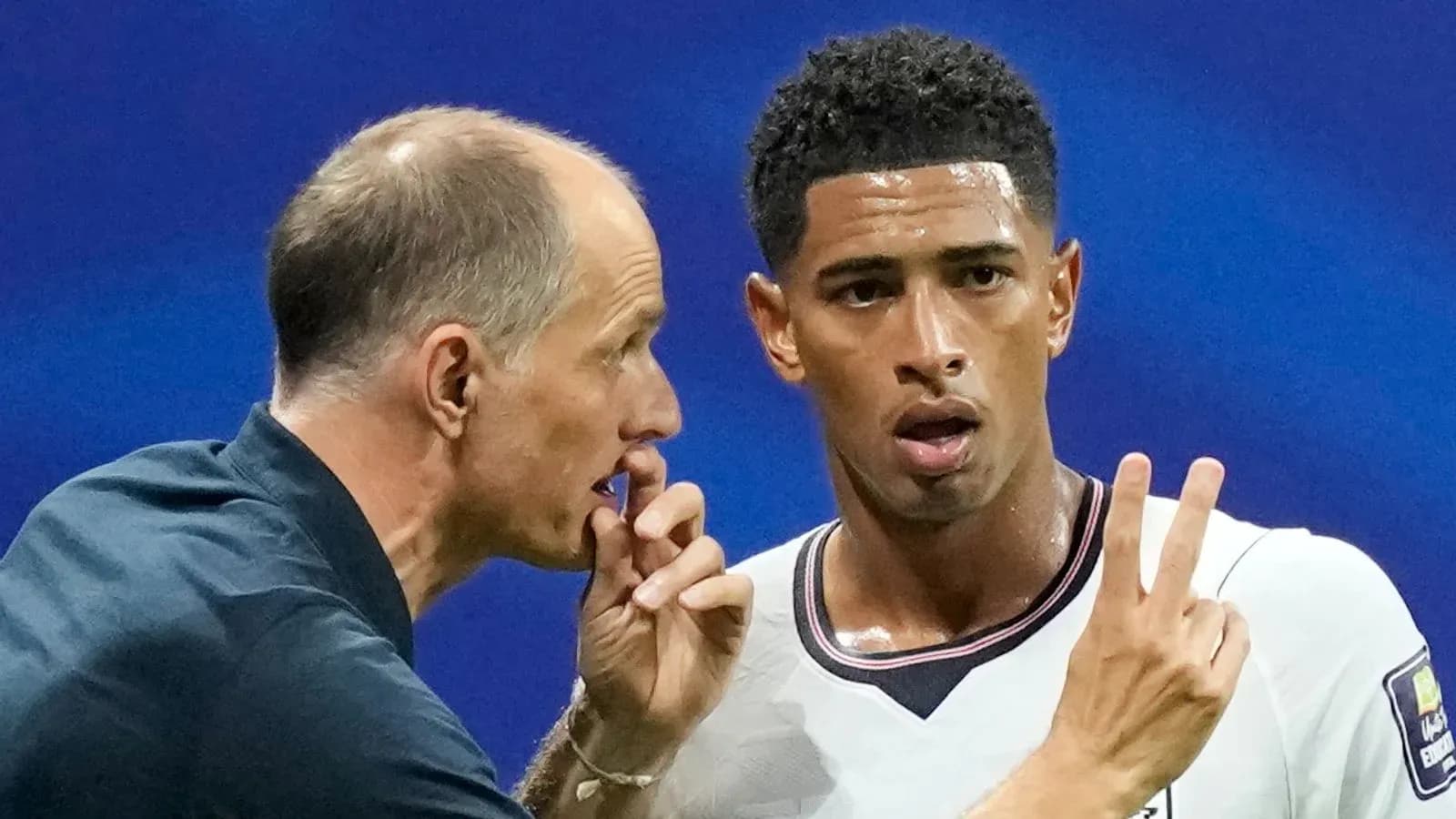
Tuchel built his reputation on in-game audacity. He has often recognised when his tweaks weren’t working and had the nerve to rip up the plan mid-match. Not here.
As Argentina tightened the noose, the England head coach stayed locked inside his own decision. When he did turn to the bench again, it was for Dan Burn and Nico O’Reilly, not the attacking cavalry many expected. The script stayed the same: protect what we have, hope it holds.
It didn’t.
Perhaps that Mexico game lingered too long in the mind. Down to 10 men, clinging on, England had somehow found a way in the Azteca. That night, Tuchel’s defensive reshuffle looked like genius. Against Argentina, it looked naïve.
Mexico had telegraphed their approach, slinging cross after cross into the box. Tuchel built a wall and watched it stand. Argentina were never going to play that way. This is a team built on angles and rhythm, on short passes and sudden bursts, with Messi as the conductor.
And Messi struck, not with a trademark solo, but as creator-in-chief, supplying both goals that flipped the semi-final on its head.
The promise and the sting
Tuchel was hired to push England beyond the Southgate ceiling. Under Gareth Southgate, England generally beat the sides they were supposed to beat and faltered when they were underdogs. Tuchel was meant to change that dynamic, to bring a ruthless edge to the biggest nights.
On this evidence, that barrier remains firmly in place.
There were moments during this tournament when it felt different. That rousing half-time team talk against Croatia. The bold attacking changes that turned games. The perfectly timed defensive intervention in the Azteca. Those episodes fed the belief that Tuchel’s in-game management might be the missing ingredient Southgate never quite found.
He has already committed to see out his two-year contract extension, with Euro 2028 looming on home soil. There will be time to reshape, to argue that this was a harsh lesson on the way to something greater.
For now, though, the irony bites. The coach who promised to move England away from fear-first football will carry into the next cycle the memory of one gamble too many, one retreat too far. A semi-final led, then lost. A nation left wondering whether its great risk-taker blinked at the very moment he needed to double down.