.svg&w=384&q=75 "naujapitch logo")
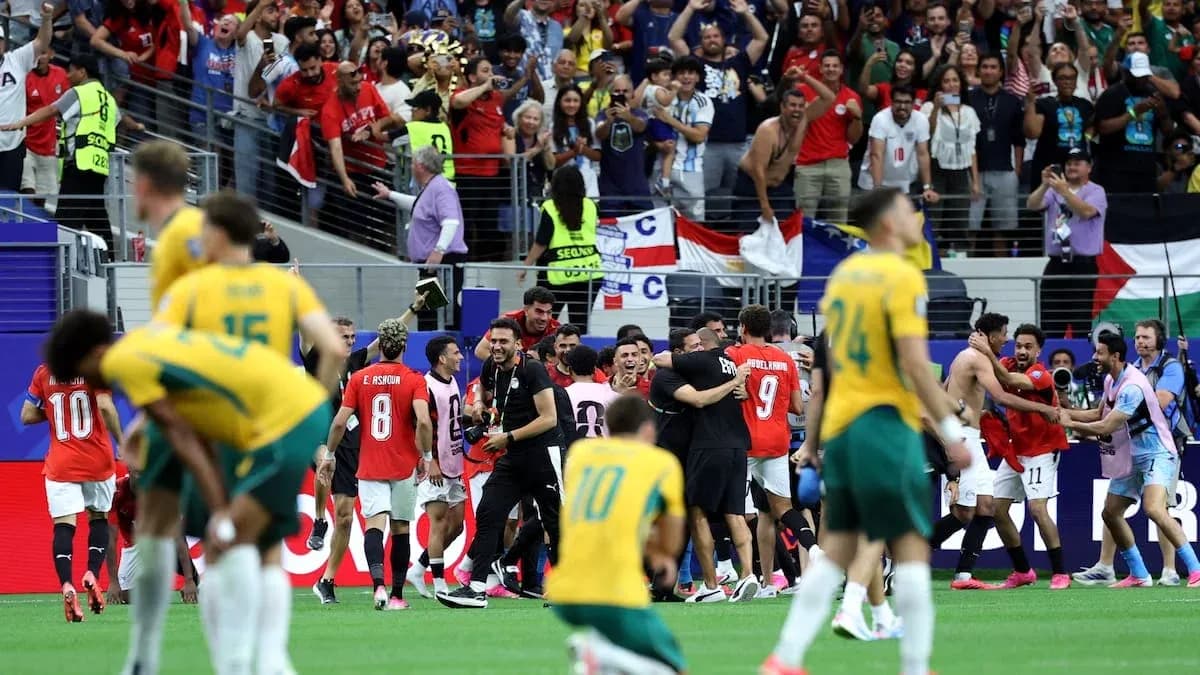
Egypt Celebrates Historic World Cup Knockout Win Against Australia
In the end, it came down to a bar, a blaze and a superstar who finally found his touch from 12 yards.
Under a wall of whistles and a bank of Egypt fans, Australia’s gamble backfired in the cruellest way as an 18-year-old defender clipped the crossbar and a veteran goalkeeper could only watch Egypt celebrate a first men’s World Cup knockout win.
A shootout under fire
Tony Popovic played his card right at the death, sending on Mathew Ryan specifically for penalties. It was a bold, last-throw decision from a coach who had watched his side cling on through waves of late Egyptian pressure.
The stage was hostile. Australia were shooting towards the Egypt end, the noise jagged and relentless. Harry Souttar stepped up first and lashed his penalty over, a defender’s nightmare and the worst possible start for the Socceroos.
From there, every kick felt like a verdict. The next five takers all scored. Mohamed Salah, subdued for most of the night, strolled up and rolled in his effort with icy calm, a man who has lived this pressure a hundred times before.
Then came Lucas Herrington. Just 18, thrust into the moment of his life. He went for height, beat the goalkeeper – and smacked the bar. The sound alone felt decisive.
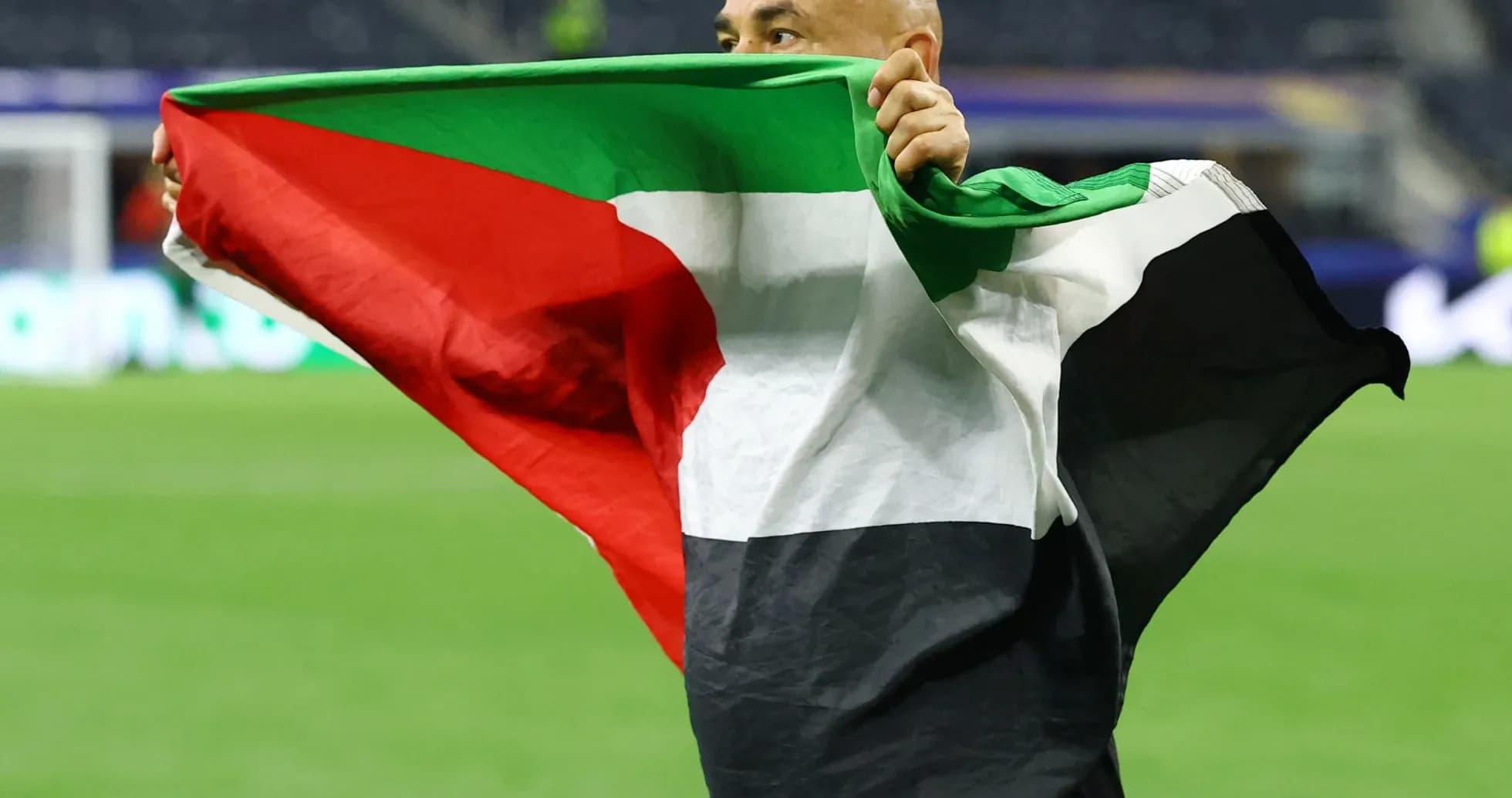
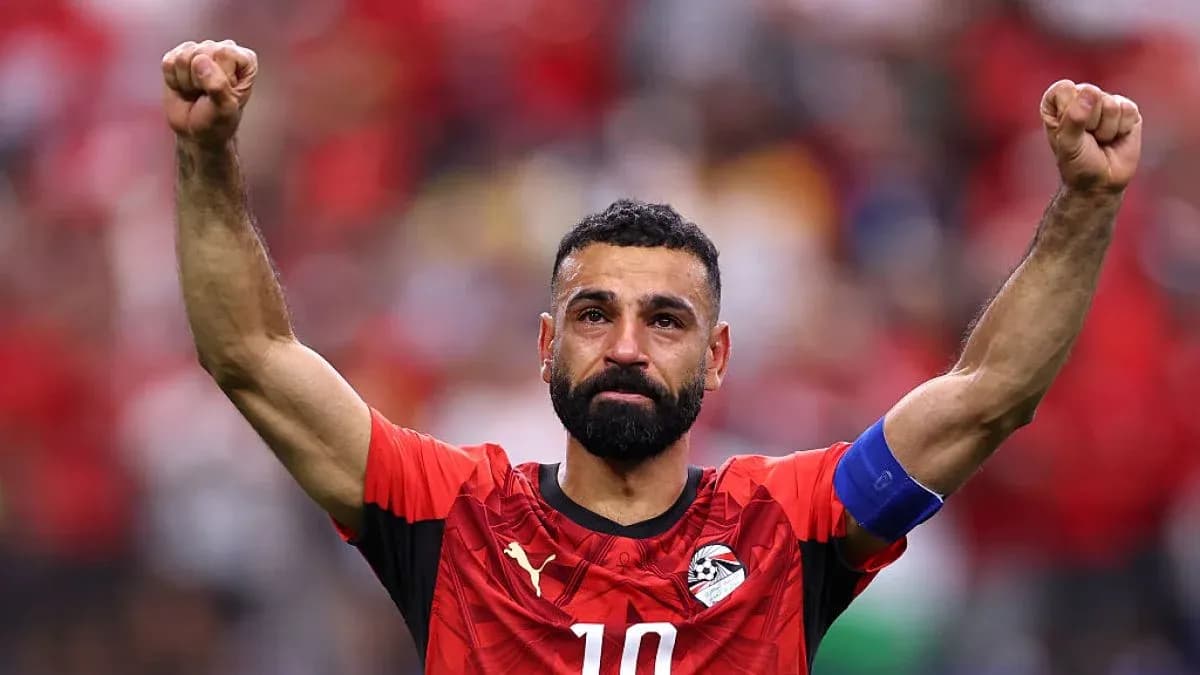
Abdelmaguid followed with the composure of a veteran, sending Egypt through and leaving Salah on his knees, tears of joy flowing as Australian players dropped to the turf around him.
Egypt strike first, Australia stumble
This drama had been building from the 13th minute, when Emam Ashour stole into space at the back post and planted a header past Patrick Beach. Karim Hafez’s cross was precise, Ashour’s movement sharp, and Egypt – seven-time African champions but still novices at this stage of a World Cup – had the early lead they craved.
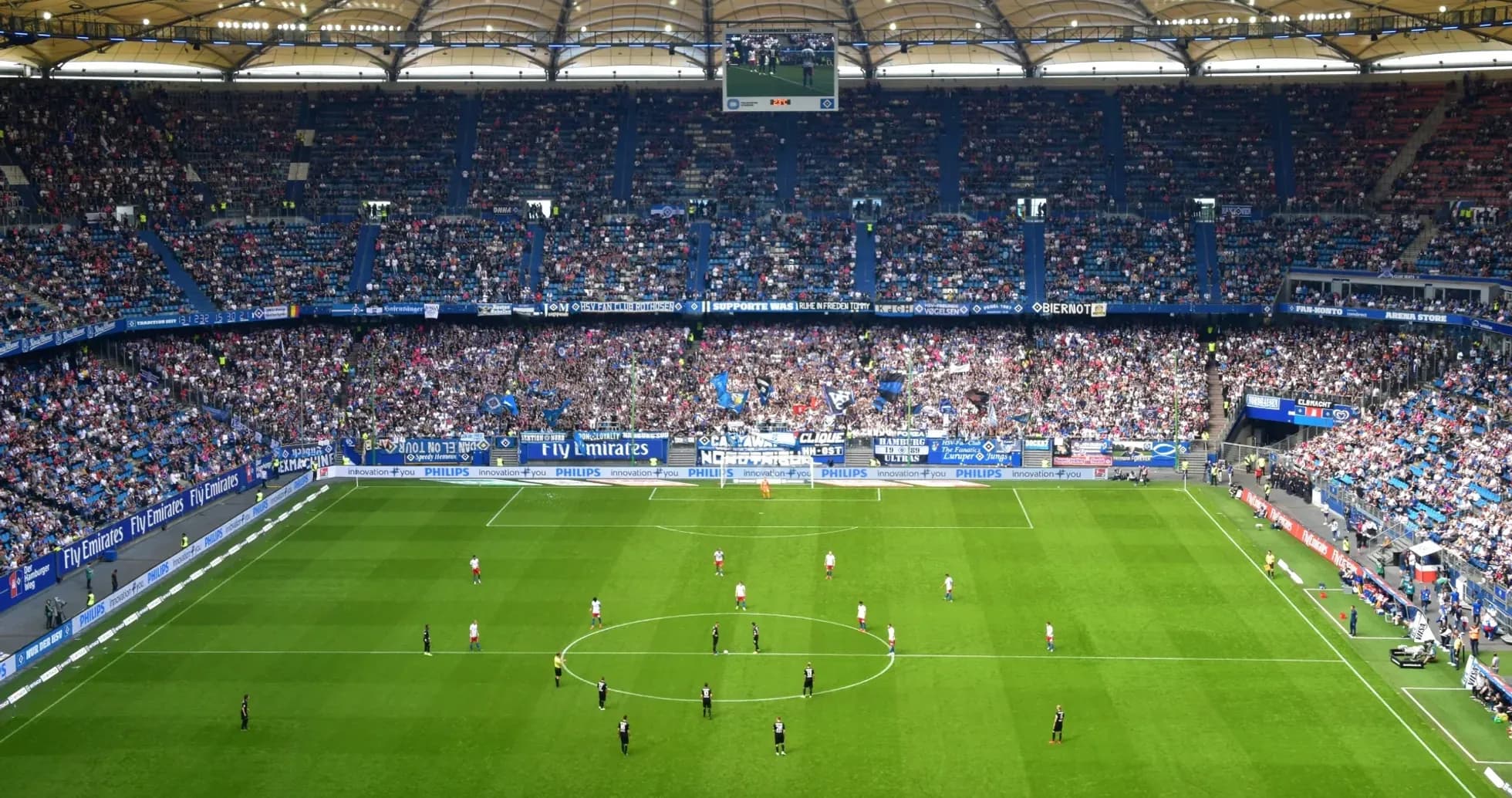
The goal changed everything. Australia, a side that had scored only twice in the group phase, were suddenly forced to chase in front of 70,000 spectators inside the air-conditioned home of the Dallas Cowboys. For a team that had looked more comfortable grinding than chasing, it was a problem.
They almost flipped the script immediately. With less than five minutes gone, Cristian Volpato, the late switch from Italy to Australia on the eve of the tournament, rattled the top of the crossbar with a fierce strike. It was a warning that went unheeded.
Egypt, who had tasted their first ever World Cup win in the group stage against New Zealand, looked jittery at the back. Passes went astray, clearances sliced. Yet, almost against the pattern of Australia’s growing control, Hossam Hassan’s side struck again.
Nestory Irankunda switched off at the back post, Ashour did not. Meeting Hafez’s cross with conviction, he buried his header for his second goal of the tournament. Australia’s marking vanished at the one moment they could least afford it.
The Socceroos finally worked Mostafa Shoubir 10 minutes before the interval, Aziz Behich firing straight at the goalkeeper. Shoubir, whose father Ahmed kept goal for Egypt at the 1990 World Cup, dealt with it comfortably. It summed up Australia’s lack of cutting edge before the break.
Salah on the fringes, bodies on the line
Salah, 34 and nursing a hamstring strain from Egypt’s previous match, drifted around the edges of the contest in an attritional first half. Touches were sparse, space even rarer. Australia crowded him, fouled him, shadowed every run.
The half ended with a thud. Jordan Bos, one of the quickest players at this World Cup, was wiped out by a flying challenge from Rabia. The wing-back stayed down, then limped off, helped from the pitch. He did not return after half-time, replaced by Kai Trewin in a significant blow to Australia’s attacking thrust on the flank.
Seconds after the restart, the tie should have been all but over. Omar Marmoush, the Manchester City forward, slid the ball wide from close range when it seemed easier to score. It was a glaring miss that would haunt Egypt for the next hour.
The let-off jolted Australia. Their physicality, flagged beforehand by Egypt’s coach as a concern, began to tell.
An own goal turns the tide
The equaliser came from a set-piece and a moment of panic. An in-swinging Australian free-kick curled into the six-yard box, bodies crashed together, and Mohamed Hany, under pressure, could only glance the ball into his own net.
It was his second own goal of the tournament, a brutal personal statistic and a lifeline for Popovic’s side.
From that point, both teams could sense the scale of what lay in front of them. Neither Egypt nor Australia had ever won a men’s World Cup knockout match. Every duel, every clearance, every loose ball felt heavier.
Salah still flickered rather than burned, but he did play a part in the move that almost won it in stoppage time. The ball broke for Ramy, whose low effort looked destined for the corner until Patrick Beach flung himself across his goal to claw it away. It was a stunning save that dragged the contest into extra time.
Extra time, then destiny from the spot
Egypt finished normal time on top and carried that momentum into the added 30 minutes. Salah finally found a sight of goal early in extra time, cutting inside and shooting with his weaker right foot, only to send the ball sailing over. The chance came and went; the sense of penalties grew.
Australia, legs heavy and attacks increasingly ragged, clung on. Egypt probed, but clear chances dried up. Both sides knew what was coming.
When the shootout arrived, the margins shrank to inches and nerve.
Souttar’s miss blew the door open. Salah’s cool finish pushed Egypt through it. Herrington’s bar-rattler almost tore it off its hinges. Abdelmaguid’s winner closed it shut on Australia’s campaign.
Egypt walked away with history. Australia walked away with regret, and the lingering question of how close they came to rewriting their own.