.svg&w=384&q=75 "naujapitch logo")
Warren Zaire-Emery's Frustration in France's World Cup Journey
France march on. The scoreline says control – a 1-0 win over Paraguay in Philadelphia, a ticket punched for a quarter-final with Morocco – but the real tension is building a few seats back from the touchline.
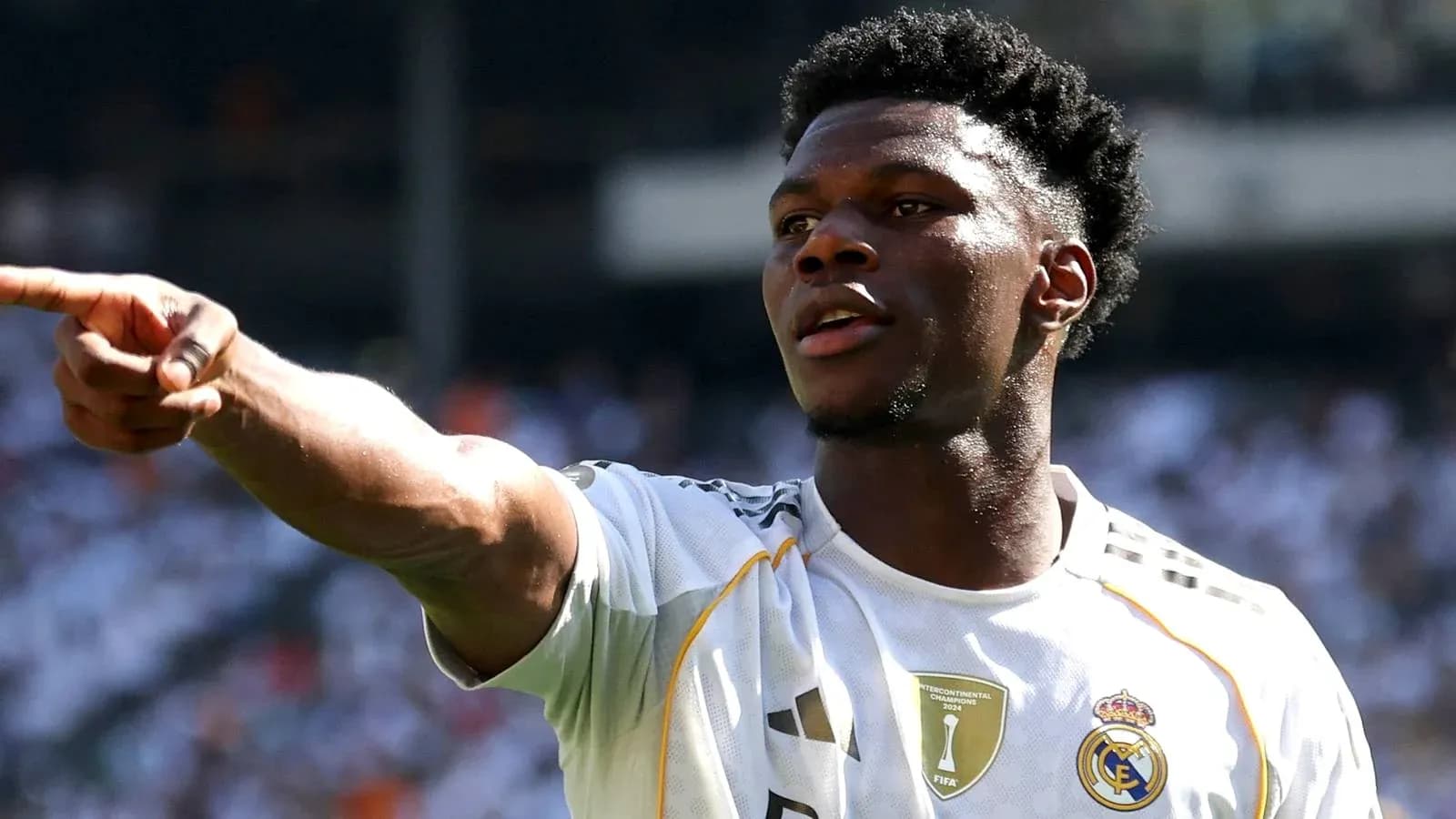
On the bench, Warren Zaire-Emery is watching a tournament pass him by.
The 20-year-old arrived in the United States as one of the faces of France’s new generation, fresh from a season in which he looked untouchable at PSG. A second consecutive Champions League title, 54 appearances in all competitions, trusted by Luis Enrique in every role from midfield metronome to emergency right-back. At the Parc des Princes he is a pillar. With France, he is a spectator.
According to reports from Get French Football News, that contrast is starting to bite. Zaire-Emery is described as “increasingly frustrated” and “struggling” with his total lack of involvement. Five matches. Not a single minute.
For a player who has just completed an exceptional club campaign, the snub cuts deep. The word around the camp is “bewilderment” – a sense that his club form should at least have earned him a look, a cameo, something. Instead, as the world champions grind their way through tight knockout football, he is left tightening his laces and sitting back down.
The root of his anger is easy to trace. In Paris, he is not merely another talented youngster in a bloated squad. He is central. Luis Enrique has never hidden what he thinks of him. Back in February, the PSG coach called him a “wonderful” player and laid the credit squarely at the midfielder’s feet.
“Warren has changed, but it's not thanks to me, it's thanks to him. He's an incredible player, he can play anywhere. For me, as a coach, it's wonderful to have a player like him,” the Spaniard said.
That is the context Zaire-Emery carries into every France camp: a manager who builds around him, a club that leans on him, a dressing room that sees him as a given in the starting XI.
Didier Deschamps does not. Not yet.
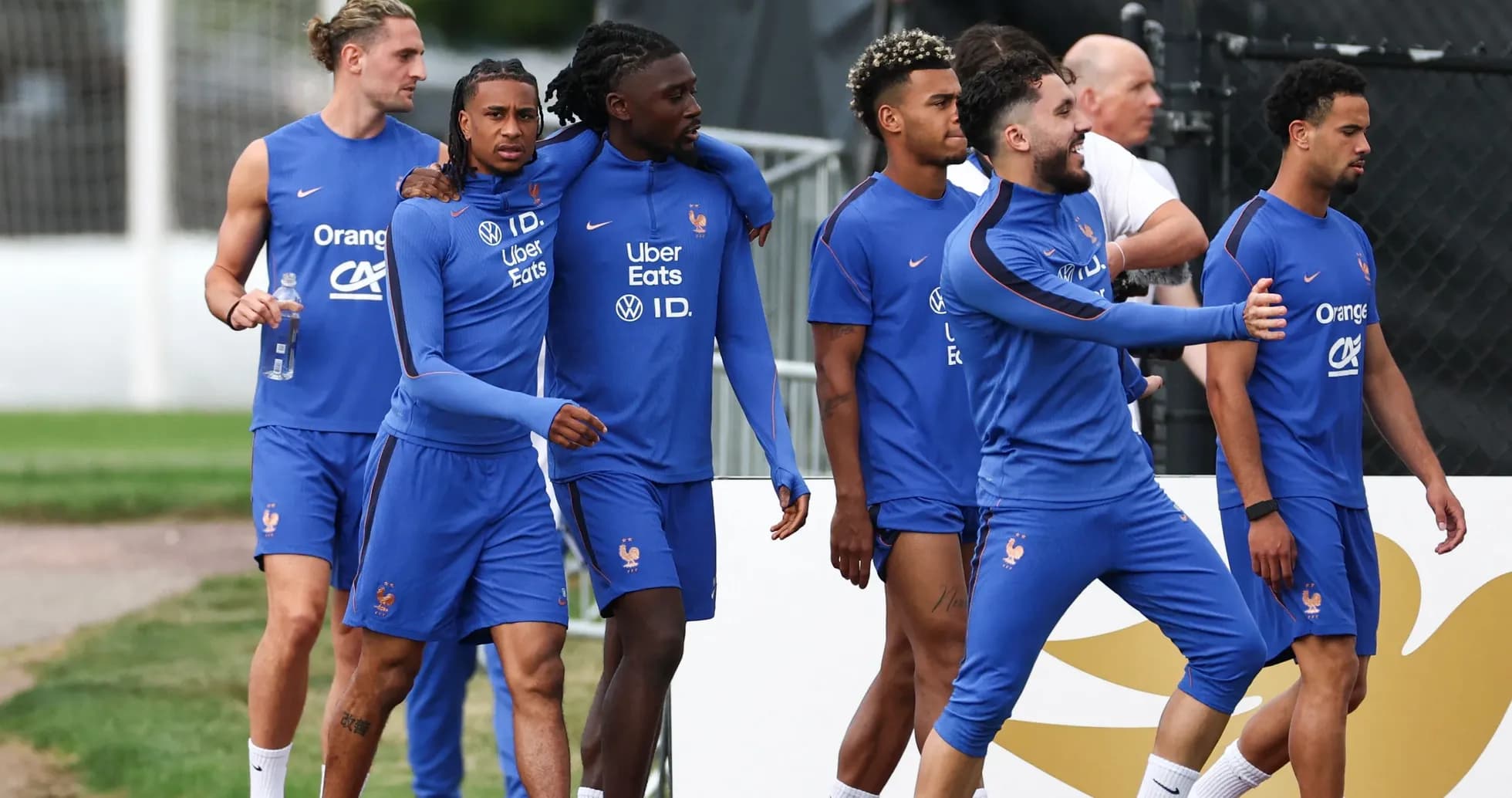
The France coach has nailed his colours to a different midfield. Manu Kone and Adrien Rabiot have formed the core, especially in the absence of Aurelien Tchouameni. While fellow PSG teammates Bradley Barcola, Desire Doue and Ousmane Dembele have all seen plenty of action in the attacking positions, Zaire-Emery has been the one Paris prodigy left standing on the sideline, tracksuit top on, waiting for a call that never comes.
The Paraguay match only sharpened the sting. It was a physical contest, the kind of game where legs tire and fresh energy from midfield can tilt the balance. Deschamps still chose not to turn to him, even for a late cameo. For a player already wrestling with his place in the hierarchy, that decision landed heavily and, by all accounts, heightened his sense of isolation.
All of this is happening against a backdrop that should, on paper, open the door for him. Tchouameni is nursing a thigh injury and already missed the Paraguay tie for that reason. His participation in the quarter-final against Morocco is under serious doubt. A vacancy in the middle of the pitch is there. Deschamps, though, again preferred to pair Kone with Rabiot rather than hand Zaire-Emery the audition his club form demands.
That choice has reportedly pushed the midfielder to ask more direct questions about where he really stands. He has, according to the same reports, already spoken to members of the national team’s coaching staff to lay out his frustration. There is no talk of a dressing-room split, no suggestion of a player trying to blow up the squad’s equilibrium on the eve of a quarter-final. But the message from him is clear: he expected more than a front-row seat.
Now comes the test of patience.
France head into the Morocco clash with momentum, but also with a problem to solve at the base of midfield if Tchouameni does not recover in time. Deschamps can stick with what he knows in Kone and Rabiot, or he can finally turn to the 20-year-old who has spent the season proving he belongs on the biggest stage.
Zaire-Emery remains on standby, waiting for the moment when preparation, injury and opportunity collide. If that moment comes in the heat of a World Cup quarter-final, the question will not be whether he is ready.
It will be why it took so long for France to find out.