.svg&w=384&q=75 "naujapitch logo")
Transfer Market Madness: Liverpool's Impact on Rising Fees
While the game’s biggest stars fight for a world title on the other side of the Atlantic, English football is locked in a very different contest. No stadiums. No fans. Just balance sheets and brinkmanship.
And this one is getting out of hand.
On Wednesday, the transfer arms race lurched into a new gear. Tottenham Hotspur agreed a deal to sign Newcastle United midfielder Sandro Tonali for a basic £92.5million, with a further £7.5m in achievable add-ons. A staggering fee on its own, yet it landed only hours after Spurs had already smashed their own club record by confirming the £85m signing of West Ham United midfielder Mateus Fernandes.
That “record” is barely dry on the press release and already looks doomed to a short life.
Because over at Manchester City, another benchmark has been set. Their move for Nottingham Forest midfielder Elliot Anderson comes in at £116m, a number that would have seemed outrageous not long ago for any player, let alone one still proving himself at the very highest level.
So what exactly is happening to the transfer market?
Of course, prices rise. Everyone inside the game accepts that what £20m bought a decade ago is a world away from what it buys now. But this feels different. This feels like the floor has shifted, not just the ceiling.
The size of some of the fees is startling. So are the clubs paying them.
And somewhere on Merseyside, Liverpool will be watching all this with more than a little unease. Not least because they helped light the fuse.
Last summer, Liverpool abandoned their reputation for cautious spending and went all in. They paid £116m for Florian Wirtz, then went even bigger with a £125m deal for Alexander Isak. Those two transfers alone would once have defined an era. At Anfield, they were only part of a wider spree.
Yes, the numbers came with context. Liverpool brought in more than £200m in sales, and Arsenal – the eventual champions – actually recorded the highest net spend in the Premier League. But the raw outlay from Liverpool was extraordinary: almost £450m in a single window, the highest total ever spent by one English club over that period.
When you break a market, the market tends to remember.
Fees paid by Liverpool, both for individuals and collectively, have quickly become reference points. Selling clubs and agents now walk into negotiations armed with those figures. If Wirtz is worth that, if Isak costs that, then what about our man?
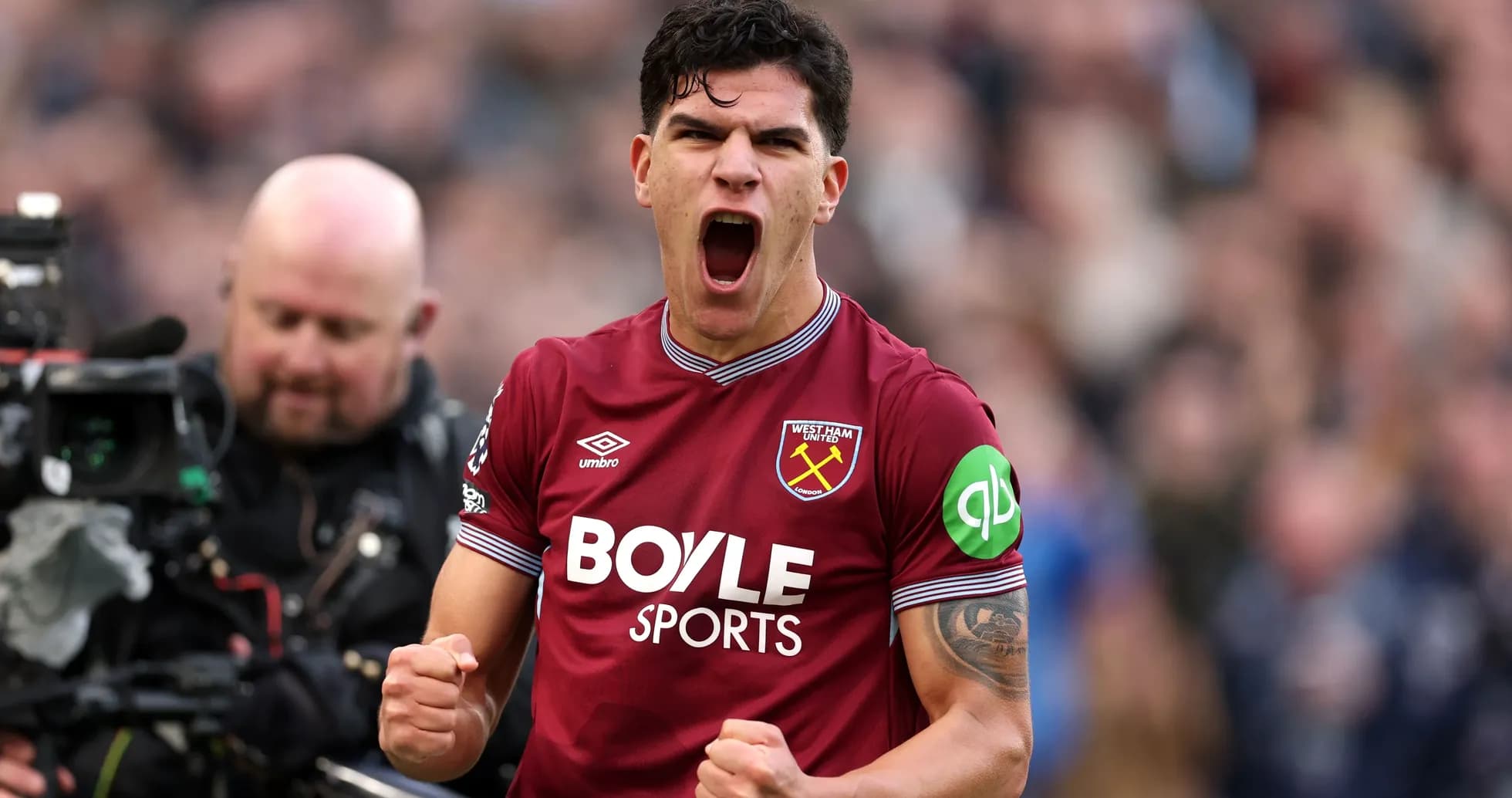
Liverpool themselves operate in exactly that way when they sell. They benchmark, they compare, they argue from precedent. It is why, even with Curtis Jones entering the final 12 months of his current deal, they want more than £30m for him. They have watched players of similar age, similar level and with similar contract situations move for serious money. They see no reason to back down.
They are not alone. Every club now leans on the same logic. The problem is obvious: when “good but not great” players start commanding astronomical sums, the base price for the truly elite shoots into the stratosphere. The very best become almost untouchable.
You can see the ripple effect already. Paris Saint-Germain have taken one glance at the landscape and put a nine-figure valuation on Bradley Barcola. RB Leipzig, meanwhile, felt no pressure to fold when Liverpool came calling with £86m for Yan Diomande. The Ivorian winger has since been linked with a move to PSG, but even before that, Leipzig were perfectly content to hold their ground.
In this environment, Liverpool’s owners, Fenway Sports Group, lean heavily on what they consider their competitive edge: information, timing and discipline. They pride themselves on squeezing every last pound out of the market and pouncing on opportunities others miss. Triggering the £34.5m release clause for Spain international winger Victor Munoz at Osasuna last month was straight out of that playbook.
They need those margins. Despite last summer’s huge spend, Liverpool do not have the same financial firepower as some of their domestic rivals. There is less room for vanity buys, fewer chances to absorb mistakes.
Andoni Iraola’s squad still has obvious gaps. The window has only just begun for Liverpool, but the task in front of their recruitment team is more complex than ever. They are trying to find players who are much closer to the finished article than raw projects, yet the market is now pricing “finished article” talent at levels that make even superclubs hesitate.
That goes some way to explaining why Liverpool are prioritising a younger age profile in their targets. Younger players, higher upside, slightly less terrifying fees – at least in theory. Develop them, improve them, and you might still beat the market rather than be crushed by it.
But there is no escaping the new reality. Across the Premier League, prices have jumped again. Not gradually. Violently.
Liverpool helped drag the numbers up last summer. Now, like everyone else, they are staring at a market where even the starting conversation for top talent begins at “top, top dollar”.
And the next time a record falls, it may be their turn again to decide whether to follow – or finally say no.