.svg&w=384&q=75 "naujapitch logo")
South Africa Stumbles in World Cup Tune-Up Against Nicaragua
South Africa wanted rhythm. They left with doubt.
In their final stretch of preparation for the 2026 World Cup, Bafana Bafana dominated Nicaragua for 90 long minutes at Orlando Amstel Arena, created more than enough chances to win comfortably, and still walked away with a 0-0 draw that felt far worse than the scoreline suggested.
The World Cup is days away. The goals are not.
Dominant on paper, wasteful on grass
From the opening whistle, the script looked straightforward. South Africa, one of the 48 teams heading to the World Cup and drawn into Group A with Mexico, Czechia and South Korea, pushed high and seized control. Nicaragua, who will watch the tournament from home, dropped deep, accepted their role and trusted their goalkeeper.
It almost unraveled for the visitors early.
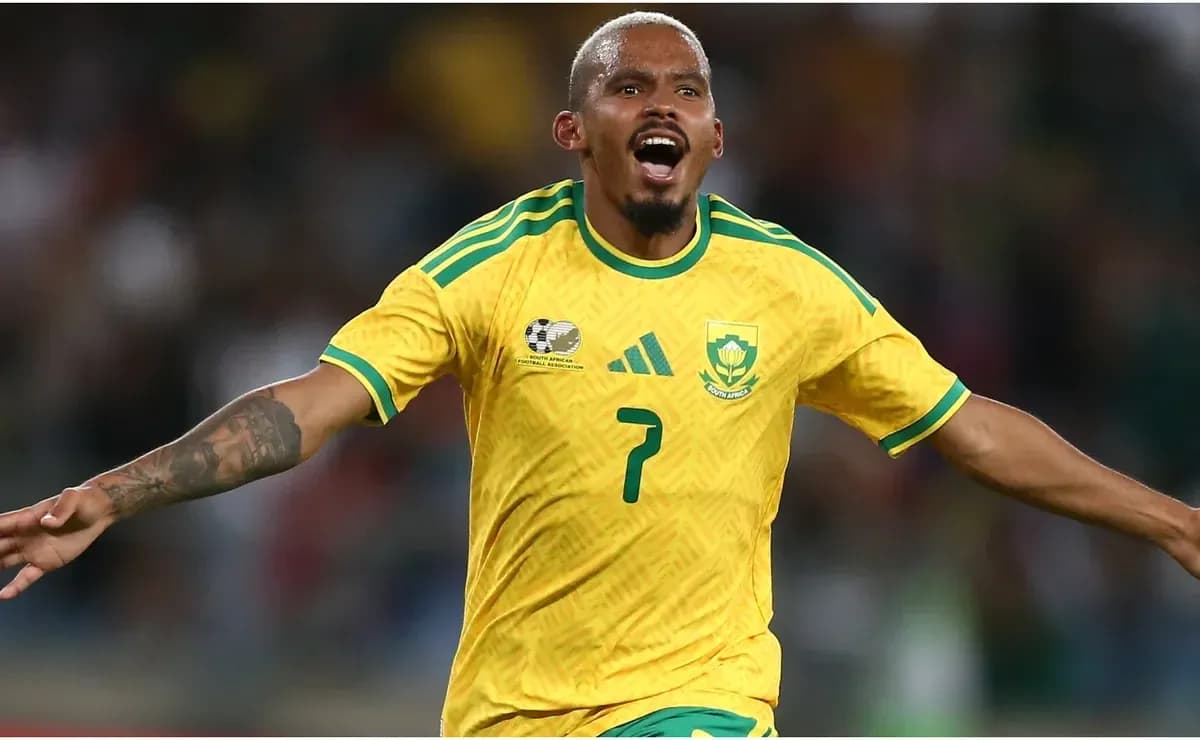
South Africa repeatedly punched holes down the right flank. At 16 minutes, Kamogelo Sebelebele burned his marker and whipped in a cross that found captain Themba Zwane at the far post. The finish never matched the move. Zwane failed to steer it on target, and the first big chance was gone.
The pattern stuck. Territory, pressure, half-chances – all in green and yellow. End product, nowhere.
A free kick in a dangerous position on 34 minutes sailed into the stands. Another promising opening on 32 minutes saw Nicaragua’s defense momentarily exposed, only for a last-ditch recovery to smother the danger. The superiority was obvious. The scoreline stayed stubborn.
Then came the moment that should have broken the deadlock and, instead, exposed a deeper unease.
Penalty drama, woodwork and bitter faces
On 42 minutes, Sebelebele tumbled in the box and the referee pointed to the spot, to furious Nicaraguan protests. Replays and reactions made the contact look soft at best, but the call stood. South Africa had a gift: a penalty at the end of a half they had controlled.
Lyle Foster stepped up.
His run‑up looked hesitant, almost stuttering. His shot was worse. The ball crashed against the post and flew away, justice of a sort for Nicaragua, but a gut punch for a South African side already struggling for conviction in front of goal.
As the half-time whistle blew at 0-0, the faces on the South African bench told the story. Better athletes, better squad, better chances – and nothing to show for it.
Appollis ignites, Pineda refuses to yield
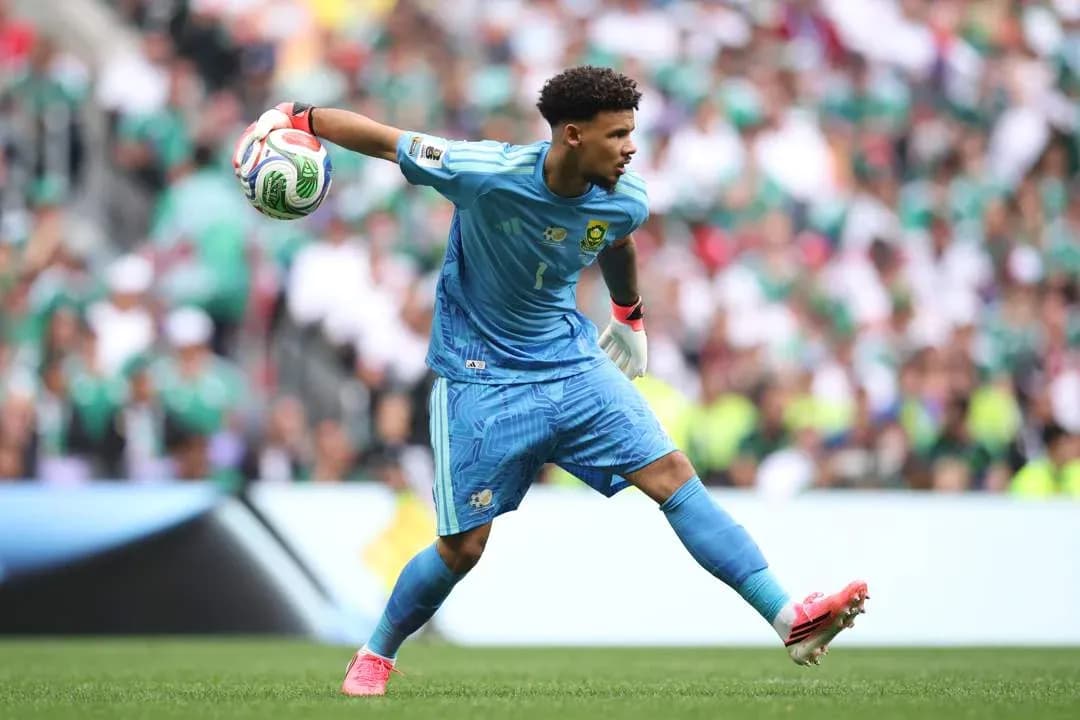
The second half began with a wave of substitutions. South Africa changed their goalkeeper, bringing on Sipho Chaine, and injected fresh energy up front with Oswin Appollis, Thapelo Maseko, Iqraam Rayners and Relebohile Mofokeng.
Appollis immediately changed the temperature of the match.
Within minutes, the Orlando Pirates winger tore into Nicaragua’s back line, beating defenders with pure dribbling and searing pace. Twice in quick succession he forced Adonis Pineda into smart saves, the Nicaraguan goalkeeper reading the angles and refusing to be rushed.
The pressure mounted. The goal never came.
At 54 minutes, a tame South African effort took a wicked deflection and almost looped over Pineda. He adjusted, backpedaled and clawed it down. On 57 minutes, Appollis again burned his marker on the wing and delivered a perfect cross, only for Mofokeng to completely miss his swing at the ball.
The game started to feel like a duel: South Africa’s growing desperation against Pineda’s composure.
When Maseko cut inside on 61 minutes and curled a dangerous effort toward the corner, Pineda was there again, strong hands, safe catch. Every South African attack ended the same way – in frustration, in disbelief, in the arms of the Nicaraguan No. 1.
Double save, deadlock and a gray final stretch
As the clock ticked down, the match slipped into a lull. On 75 minutes, the tempo sagged, the play turned scrappy, and South Africa’s ideas began to dry up. They still owned the ball. They no longer looked sure what to do with it.
Then the pressure spiked one last time.
On 81 minutes, a cross caused chaos in Nicaragua’s box. A deflected header seemed destined for the net, but Pineda reacted brilliantly, parrying the first effort and then springing up to block the rebound in a stunning double save. It was the defining sequence of his night, the moment that underlined why South Africa would not score if they stayed there until midnight.
South Africa still found one more chance, another effort dragged wide on 84 minutes that summed up their evening: present, promising, and ultimately harmless.
Six minutes of stoppage time brought more urgency but no clarity. Nicaragua’s back line held firm, blocks and clearances piling up as the seconds drained away. When the final whistle blew at 0-0, the Central Americans celebrated a historic result for a team accustomed to being overrun on the international stage.
South Africa did not celebrate anything.
A warning before Group A
On the surface, a goalless draw in a pre‑tournament friendly can be brushed off. Legs are heavy, lineups are rotated, systems are tested. Coaches talk about “minutes in the tank” and “working on patterns.”
This felt different.
Bafana Bafana were faster, stronger, deeper. They created enough to win two or three matches. They still could not beat a team that rarely threatened their goal and will not be in North America next summer.
For Nicaragua, the night belonged to their discipline and to Adonis Pineda, the goalkeeper who turned a mismatch into a statement. For South Africa, it was a reminder that control without ruthlessness means very little on the world stage.
Group A will not be forgiving. Mexico, Czechia and South Korea will not allow this many chances, and they will punish wastefulness at the other end.
The World Cup is coming. South Africa are going. The question, after a night like this, is whether their finishing will make the trip with them.