.svg&w=384&q=75 "naujapitch logo")

Sevilla vs Real Madrid: A Late-Season Clash of Footballing Realities
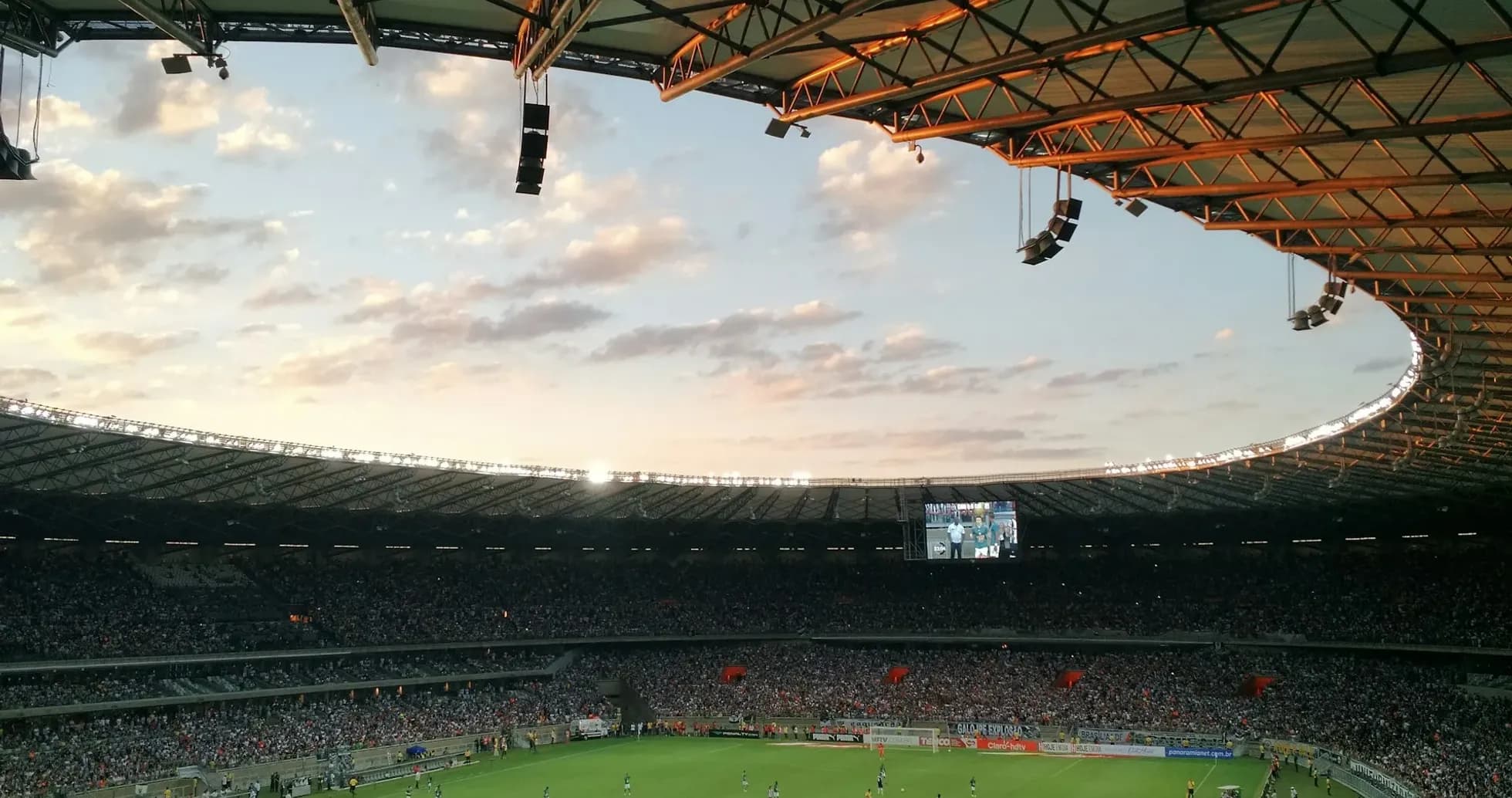
Under the warm May light at Estadio Ramón Sánchez Pizjuán, this felt like a meeting of different footballing realities. Sevilla, 13th in La Liga heading into this game with 43 points and a goal difference of -13 (46 scored, 59 conceded), faced a Real Madrid side chasing the title, sitting 2nd on 83 points with a formidable goal difference of 40 (73 for, 33 against). It was Round 37, a late-season crossroads: survival and pride for the hosts, silverware and standards for the visitors.
Luis Garcia Plaza’s Sevilla lined up in a 4-4-2, a departure from their more common 4-2-3-1 and three-at-the-back structures used across the campaign. In total this season, Sevilla’s attack has been modest: 46 goals in 37 matches, an average of 1.2 goals per game overall, with 1.3 at home. Real Madrid arrived with the swagger of a side used to dictating terms: 73 goals in total, averaging 2.0 per match overall, including 1.7 on their travels, and a defensive record that has allowed only 33 goals in 37 games.
The absences framed the tactical voids. Sevilla were without M. Bueno (knee injury) and Marcao (wrist injury), removing depth and physicality from their defensive pool. That made the selection of Castrin and K. Salas at centre-back more than a choice; it was a necessity. On the other side, Alvaro Arbeloa had to navigate a long absentee list: D. Ceballos (coach’s decision), Eder Militao and A. Güler (muscle injuries), A. Lunin (illness), F. Mendy (muscle injury), Rodrygo (knee injury) and F. Valverde (head injury) were all missing. It forced a reconfiguration of Real Madrid’s usual rotations, but not their ambition.
Discipline was always likely to be a sub-plot. Sevilla’s season-long yellow-card distribution shows a clear late-game spike: 19.81% of their yellows arrive between 76-90 minutes, and another 20.75% in added time (91-105). This is a side that tends to fray at the edges as matches wear on. Real Madrid, by contrast, concentrate their yellows in the middle phases, with 22.06% between 61-75 minutes and 19.12% from 31-45. Red cards tell another story: Madrid’s D. Huijsen already carries one red this season, while Sevilla’s Isaac Romero has also seen red, underlining that both squads have players who operate on the disciplinary edge.
On the Pitch
On the pitch, the shapes told their own tale. Sevilla’s back four of G. Suazo, K. Salas, Castrin and José Ángel Carmona sat behind a hard-working midfield line of Oso, D. Sow, N. Gudelj and R. Vargas, with A. Adams and N. Maupay as a striking pair. The intent was clear: two forwards to threaten transitions, a compact mid-block to clog central zones, and full-backs selectively stepping out.
Real Madrid’s 4-3-3 was more expansive. T. Courtois anchored a back line of D. Carvajal, A. Rudiger, Huijsen and F. Garcia. In midfield, T. Pitarch and A. Tchouameni provided structure, freeing J. Bellingham to roam as the advanced connector. Ahead of them, B. Diaz, K. Mbappe and Vinicius Junior formed a front three that combined pace, one-v-one threat and penalty-box presence.
Key Matchup
The “Hunter vs Shield” duel centred on Kylian Mbappe against a Sevilla defence that has conceded 59 goals in total this campaign, an average of 1.6 per game overall and 1.3 at home. Mbappe arrived as La Liga’s leading scorer with 24 goals and 5 assists, underpinned by 105 shots (61 on target) and 145 attempted dribbles, 76 successful. His penalty record is potent but imperfect: 8 scored, 1 missed. Up against a back line shorn of Marcao and Bueno, and with Sevilla having kept only 6 clean sheets overall (3 at home), the imbalance was obvious.
At the other end, Sevilla’s own spearhead was A. Adams. With 10 goals and 3 assists in 31 appearances, he has been their primary finisher, and his profile is combative: 244 duels contested, 91 won, 4 shots blocked defensively. His battle with A. Rudiger and Huijsen was always going to be attritional. Real Madrid’s defence has conceded just 33 goals overall (0.9 per game on average, including 1.0 on their travels) and kept 14 clean sheets in total, 8 of those away. For Adams, the margins were thin.
Engine Room Confrontation
The “Engine Room” confrontation was equally compelling. For Sevilla, N. Gudelj and D. Sow were tasked with screening the back four and trying to disrupt the rhythm of Bellingham. Gudelj’s role as organiser and first outlet was vital in a team that often struggles to progress cleanly through pressure. For Madrid, A. Tchouameni’s presence as the enforcer allowed Bellingham to operate between the lines, linking with Vinicius Junior and Mbappe. Vinicius himself brings 16 goals and 5 assists, 195 dribbles attempted with 87 successes, and a knack for drawing fouls (81 this season). Against Carmona, who has committed 48 fouls and collected 13 yellow cards, that flank was a fault line waiting to crack.
R. Vargas provided Sevilla’s main creative spark from wide areas. With 6 assists, 28 key passes and 47 dribble attempts (20 successful), his duel with D. Carvajal was a nuanced one: Sevilla’s best passer in the final third against one of Madrid’s most seasoned defenders. Yet Real Madrid’s collective structure, supported by Tchouameni’s coverage and Bellingham’s work rate, often turned those one-v-one hopes into isolated skirmishes.
Statistical Prognosis
From a statistical prognosis perspective, the balance of probabilities always leaned white. Heading into this game, Real Madrid averaged 2.0 goals scored per match overall while conceding only 0.9, and had failed to score in just 4 league fixtures in total. Sevilla, by contrast, had failed to score 9 times overall and carried a negative goal difference of -13 into the contest. Their home attack (1.3 goals on average) was up against an away defence allowing just 1.0 goal per game and boasting 8 away clean sheets.
In that light, a narrow 1-0 away win felt like the purest expression of the numbers. Sevilla’s 4-4-2 gave them defensive density but limited their ability to consistently trouble Courtois. Real Madrid’s 4-3-3, even without key absentees like A. Güler, Rodrygo and Valverde, still had enough high-end quality to find a breakthrough and then lean on a defence that has been one of the league’s most secure units.
Following this result, the story is one of confirmation rather than surprise: Sevilla’s season-long fragility against elite attacks laid bare once more, and Real Madrid’s blend of firepower and defensive control proving decisive in a tight, late-season encounter.