.svg&w=384&q=75 "naujapitch logo")
Qarabag vs CSKA Sofia: UEFA Europa League 2nd Qualifying Round Preview
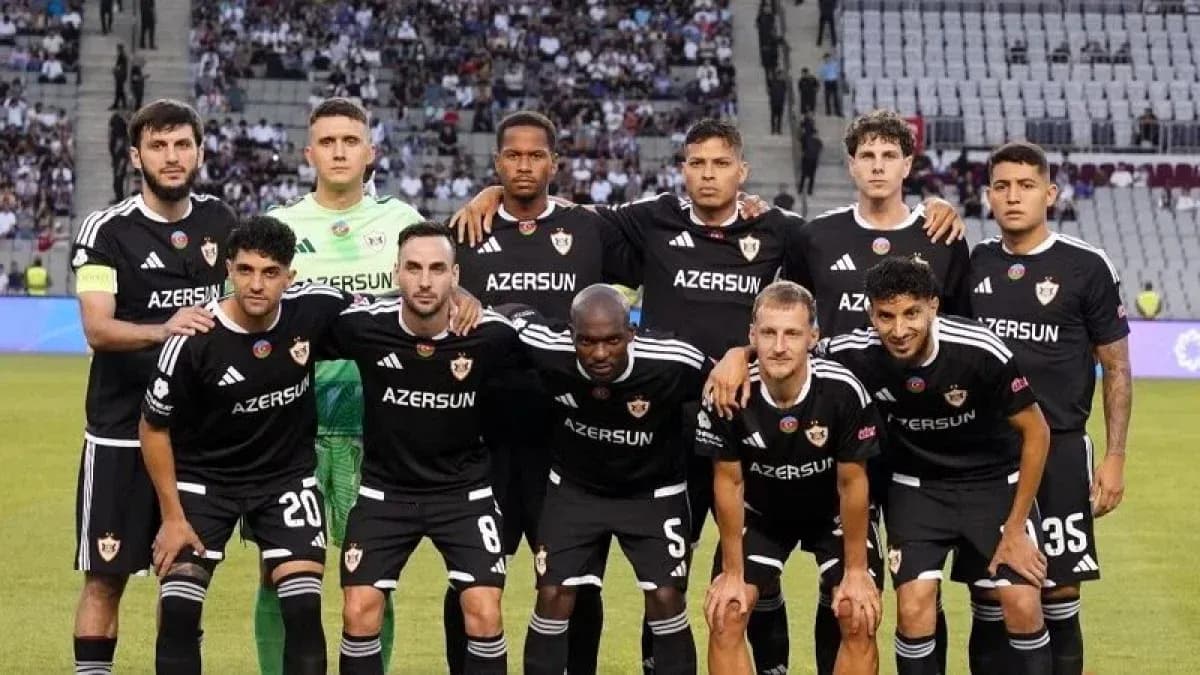
Qarabag host CSKA Sofia at the Tofiq Bahramov Stadium in Baku in the UEFA Europa League 2nd Qualifying Round, a pivotal early tie where a positive first-leg result would strongly shape each club’s path toward the main competition and set the tone for their 2026 European campaign.
Head-to-Head Tactical Summary
The sides have met in friendlies only, with Qarabag holding a clear edge. On 7 July 2021 in Fulpmes, CSKA Sofia lost 0-1 at home to Qarabag. On 4 July 2023, again with CSKA Sofia at home, Qarabag won 1-0; the half-time score was 0-1, underlining Qarabag’s ability to impose themselves early away from home. A planned club friendly on 27 June 2026 with CSKA Sofia as hosts was cancelled and never played, so the competitive reference points remain those two narrow Qarabag away wins.
Global Season Picture
- League Phase Performance: There is no standings data available yet for the 2026 UEFA Europa League qualifiers, so current goals for, goals against, and points in the league phase cannot be precisely quantified from the standings block.
- Season Metrics: In the league phase so far, Qarabag have been perfect across two matches, winning both, scoring 6 goals (3 at home, 3 away) and conceding none. They average 3.0 goals per match and have kept clean sheets in both games, with a stable 4-2-3-1 base. CSKA Sofia are also on two wins from two, with 5 goals scored (3 at home, 2 away) and 3 conceded, averaging 2.5 scored and 1.5 conceded per match, and rotating between a 4-3-1-2 and a 3-5-2. CSKA have yet to keep a clean sheet and have already accumulated several yellow cards, especially in the middle and late phases of matches, suggesting a more stretched, high-risk game state.
- Form Trajectory: Both teams show a short but flawless form line of “WW” in European qualifiers, indicating back-to-back wins and strong early momentum. Qarabag’s wins have been dominant in scoreline terms, while CSKA’s results have been more open and high scoring at both ends.
Tactical Efficiency
Across the early Europa League phase, Qarabag’s efficiency profile is that of a controlled, high-output attack coupled with a very secure defensive block: 3 goals per match scored and none conceded point to a side that converts pressure without overexposing itself. Their consistent 4-2-3-1 suggests clear automatisms in progression and rest defence, which typically underpins stable chance creation and low concession rates.
CSKA Sofia’s pattern is more volatile: 2.5 goals scored and 1.5 conceded per match, with no clean sheets, indicate an attack-oriented approach that trades some defensive stability for offensive presence. The switch between a back four and a back three, and their concentration of yellow cards from the 46th minute onwards, hint at a team that pushes aggressively after the interval and is prepared to foul to manage transitions when stretched.
In comparative terms, Qarabag’s attack looks slightly more ruthless relative to their defensive exposure, while CSKA’s attack/defence balance is more open: they can hurt opponents but also offer them opportunities. In a two-legged qualifying tie, Qarabag’s current blend of scoring power and clean sheets gives them a more efficient profile, whereas CSKA’s higher concession rate raises the risk that away goals against could become decisive.
The Verdict: Seasonal Impact
This 2nd Qualifying Round meeting is a key inflection point for both clubs’ 2026 European trajectories. For Qarabag, carrying their early pattern of high-margin wins and clean sheets into this tie would reinforce their status as a disciplined qualifier specialist and put them on a strong path toward the later qualifying rounds and ultimately the Europa League proper. A setback at home, however, would immediately undermine the value of their early dominance and force them into a more open, risk-heavy second leg.
For CSKA Sofia, whose current profile is that of an expansive but defensively vulnerable side, a positive result in Baku would validate their attacking approach and give them a platform to control the return leg. A defeat with multiple goals conceded would expose their defensive fragility and leave them needing to chase the tie, amplifying the structural risks already visible in their metrics. In seasonal terms, this fixture will largely determine whether each club’s 2026 European campaign develops into a sustained run toward the main competition or stalls at the qualifying threshold.