.svg&w=384&q=75 "naujapitch logo")
Pedri's World Cup Journey: From Bright Start to Bench
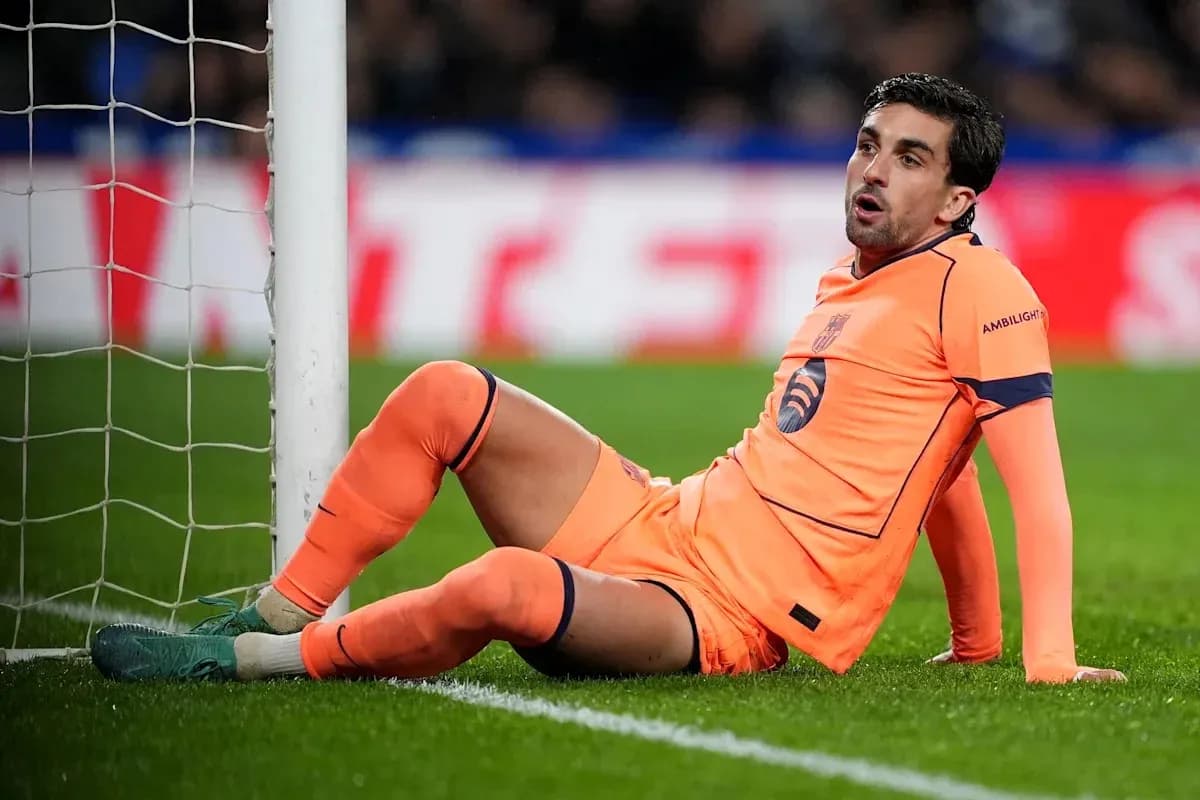
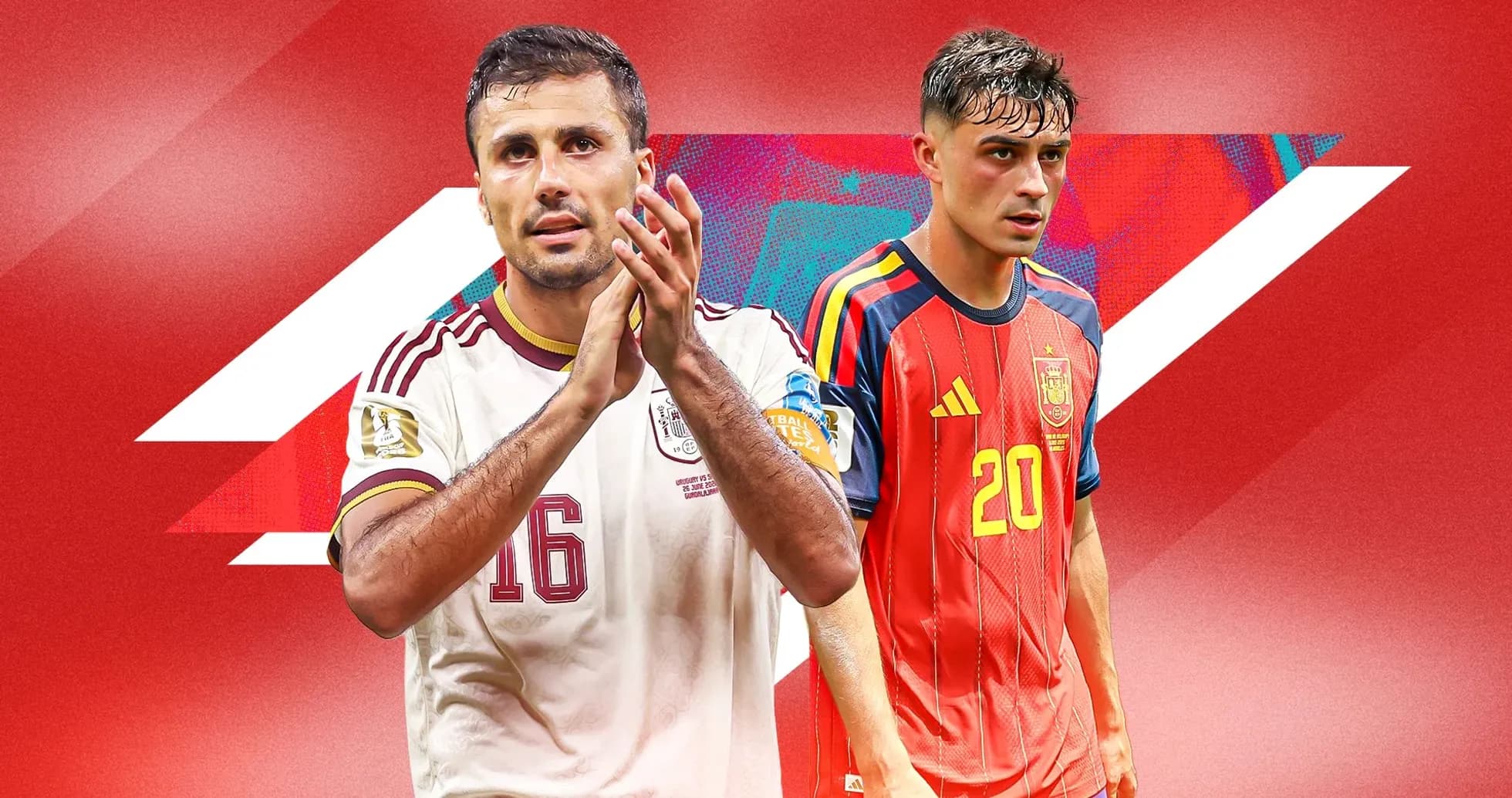
Spain arrived in North America with a midfield dream stitched into their game plan: Rodri and Pedri, side by side, guiding La Roja towards a world title to sit alongside the European crown won in Germany two years ago. One half of that partnership has delivered. The other has become a running argument back home.
Rodri has powered through this World Cup at his Ballon d'Or-winning level, the metronome and the muscle of Spain’s run to the last four. Pedri, by contrast, has slipped into the eye of a storm that says as much about expectation as it does about form.
He actually started the tournament brightly on paper. Against Cape Verde, in that flat, scoreless opener, the Las Palmas academy product created five chances – more than anyone else on the pitch. Under normal circumstances, that would be the headline. Instead, it became a footnote. The focus fell not on what he did, but on what he didn’t: he didn’t drag Spain to victory.
Cape Verde’s subsequent results have softened the judgement on that 0-0. The problem for Pedri is that the longer the tournament has gone on, the more his lack of goals and assists has been thrown into sharp relief.
And not in a vacuum.
Across the great divide of Spanish football, Jude Bellingham has been lighting up the World Cup in Real Madrid white. Different player, different role, different team. It hasn’t mattered. Madrid fans have revelled in the contrast: their man deciding games, Barcelona’s great hope struggling to leave a mark. It is simplistic. It is reductive. It is also the kind of bottom-line comparison that shapes narratives in the modern game. Bellingham scores and creates. Pedri does neither. That’s the charge sheet.
So when Luis de la Fuente finally dropped Pedri, it still jarred. This was a player who had started five straight games at this World Cup and nine in a row on this stage, dating back to Qatar. Big tournaments have felt like his natural habitat. Suddenly, he was watching the first whistle from the bench.
De la Fuente’s explanation was logical, and pointed. Spain, he reminded everyone, are overloaded with quality in midfield. Selection here is not a morality play; it’s a puzzle.
If anyone had the right to complain, the coach suggested, it was Mikel Merino. The Arsenal midfielder had come off the bench to score a late winner against Portugal, then sat again. No sulking, no noise. Just another decisive cameo in the 2-1 win over Belgium, another late goal, another reminder that reputations mean little in this squad.
"It's unfair that Mikel doesn't play from the start, but it would also be unfair if someone else were left out," De la Fuente said. "Only 11 can play, and they understand that – the role they have to play at any given moment. When they take to the pitch, they know what they have to do; that's why it's a pleasure to be their manager.
"What matters is the team. It doesn't matter who starts the match. Everyone is important, even those who haven't played."
The message was clear. No sacred cows. Not even Pedri.
There has been no sign of rebellion from Barcelona’s playmaker. No leaks, no sulky body language. Unai Simon lifted the curtain slightly after the Belgium game.
"He's taken it well," the goalkeeper said. "We all want to play but, in the end, there isn't room for everyone.
"How must David (Raya) and Joan (Garcia) feel knowing they're world-class goalkeepers? Everyone wants to play, but everyone wants to win the World Cup. So, when it's your turn to accept that role, you do it."
The question now is what that role actually looks like against France.
Pedri did himself few favours in his last outing. Thrown on against Belgium, he squandered a late breakaway with a pass that lacked his usual precision, the sort of moment that sticks in a coach’s mind. Fabian Ruiz, by contrast, strengthened his claim. The Paris Saint-Germain midfielder scored Spain’s opener in Los Angeles and underlined why Simon calls him "also an immense talent" – one who has just "won two Champions Leagues in a row".
Pedri, on his day, is every bit as intoxicating. He wins the ball back with a thief’s timing and then treats it as if it were on a string. His passing angles, his body feints, the way he draws pressure to release others – few in the world can match that blend. Yet this World Cup has not yet seen the Barcelona version of Pedri, the one who bends games to his rhythm.
De la Fuente has hinted at why. In his eyes, there are effectively two Pedris.
"Pedri is a class player, one of the best in the world, if not the best," the coach said, before adding the crucial caveat. "But Fabian is also one of the best players in the world if not the best.
"But Pedri can't play like he does for Barca, because we play differently. We have similarities, but it's not the same. We don't have the same players either.
"We have Rodri, so of course his partner in midfield is different. For me, Pedri could play as a 6, 8, or 10, but we have to make decisions that are always very elaborate, very analysed, very tailored to the opponent."
That last line leads straight to France.
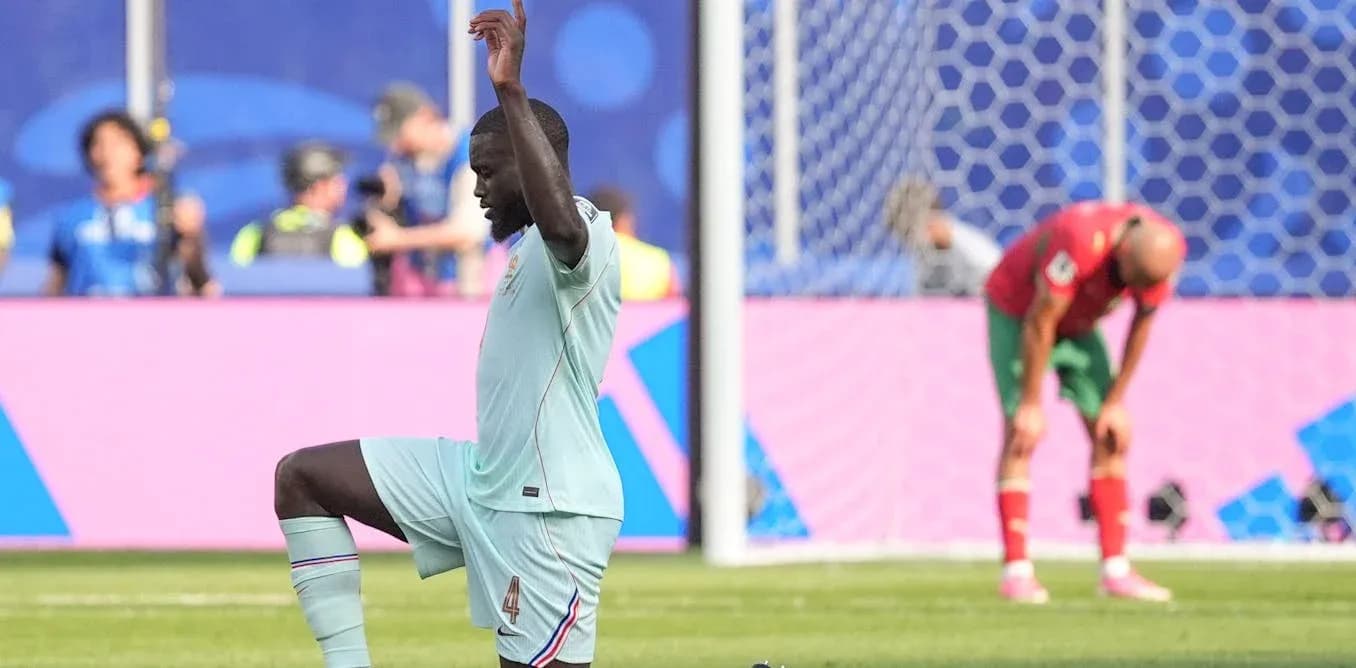
Does De la Fuente trust Pedri to start in a game of this magnitude, or does he lean into the form of Fabian and the balance that has taken Spain this far? One option is the bold one: field both alongside Rodri, as he did against Cape Verde. If Spain have an area where they can genuinely claim superiority over Didier Deschamps’ side, it is in midfield. Three technicians of that level could smother the ball, starve Kylian Mbappé and company of service, and turn the semi-final into a game played to Spain’s tempo.
There is a cost. Dani Olmo has been quietly influential since claiming the No.10 role in the knockouts. His numbers in front of goal still lag behind his influence between the lines, but his movement and combinations have stitched together Spain’s attacking structure. To play Rodri, Fabian and Pedri from the start would almost certainly mean Olmo sitting. That is not a decision to take lightly.
De la Fuente’s own words hint at a different plan. He has called Pedri a "special talent" and admitted he prefers him "closer to the opposition box", where his one-twos, disguises and quick feet can hurt most. He has also praised him for "always setting a very good tone, whether he's in top form or not".
Yet after Belgium, the coach floated a telling idea: that Pedri might again be the man to come on when legs are heavy and spaces appear.
"Pedri could benefit from Fabian's work," he said. "It's essentially teamwork."
Read between the lines and you see a manager who views his bench not as a demotion but as a second wave. A fresh Pedri against a tiring French midfield is a different proposition to a Pedri asked to grind from minute one.
That collective mindset is Spain’s greatest weapon. Stars accept rotation. Match-winners accept cameos. The squad has bought into the idea that the shirt matters more than the name on the back, and that is why a debate over Pedri’s place can exist without destabilising the camp.
De la Fuente is under no illusions about the scale of the challenge in front of them. "France have already shown some extraordinary, exceptional potential, but we have too, so I think the game is very open," he said. "It will require fresh, energetic players, and it will require us to be the best version of ourselves."
The intrigue lies in which version of Pedri he thinks can help deliver that – and whether the world finally gets to see the Barcelona Pedri on the biggest stage of all.