.svg&w=384&q=75 "naujapitch logo")
Chelsea's Misfired Signings: A £20m Bet and Other Regrets
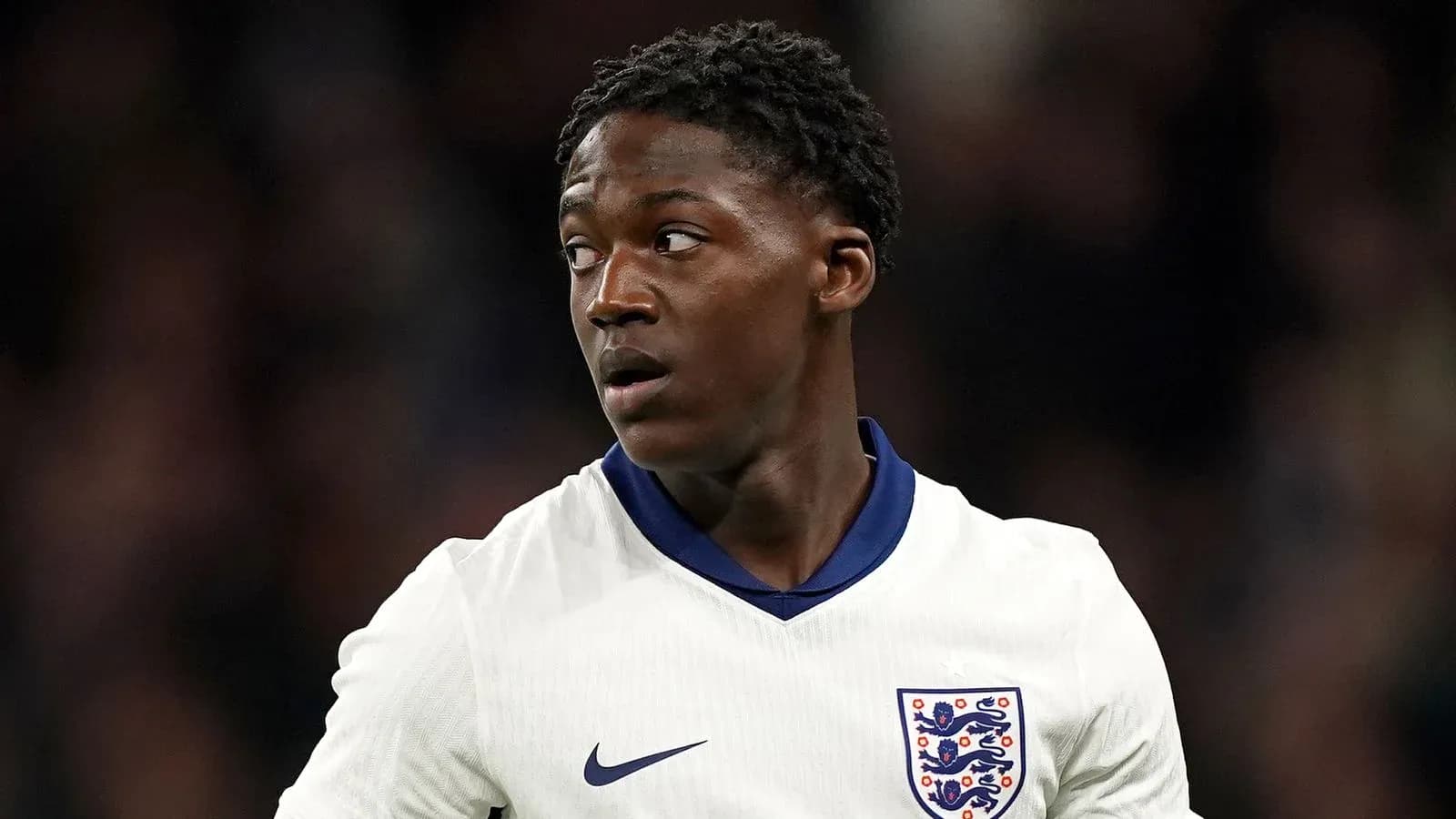
Carney Chukwuemeka arrived as the face of the new Chelsea. A £20m bet from Aston Villa, fresh from driving England’s Under-19s to European glory, he was meant to be a statement that the club could hoard the best young talent in the country and shape it in their own image.
Instead, his time at Stamford Bridge barely registered.
Injuries stalled him. Managers overlooked him. Systems moved on without him. Across two-and-a-half years he scraped together just 32 appearances before slipping quietly out of the back door, first on loan and then permanently to Borussia Dortmund last summer. For all the hype, his Chelsea career was a non-event.
Christopher Nkunku
Christopher Nkunku’s story carried more star power and even more frustration.
Chelsea moved early in 2023, paying £52m to prise him from RB Leipzig, convinced they had secured a Bundesliga predator ready to lead their attack for years. Pre-season optimism vanished with one twist of his knee. A serious injury, suffered almost as soon as he joined up with the squad, wiped out half of 2023-24 and set a grim tone.
He returned, but never truly returned. Cole Palmer stole the spotlight, the attack reoriented around a new talisman, and Nkunku became a supporting act who never quite found his cue. By the end of 2024-25 he was a bit-part presence, then a saleable asset. Chelsea cashed out to AC Milan after just 27 Premier League appearances, a marquee signing that never became a main event.
Alejandro Garnacho
Alejandro Garnacho’s move from Manchester United looked like opportunism at its boldest.
Frozen out under Ruben Amorim at Old Trafford, the winger crossed the divide for £40m, a market play that raised eyebrows and expectations in equal measure. Chelsea thought they were buying a fearless wide forward; what they got was a shadow of the player who had lit up United’s left flank.
The swagger vanished. The directness dulled. Under Enzo Maresca and then Liam Rosenior, Garnacho never nailed down a starting place, drifting through matches on the left without leaving a mark. Performances blurred into one long, forgettable run.
Now the club want out, ready to cut their losses, but the numbers don’t add up. They are said to be chasing £43–£45m. On this evidence, they will need more than a willing buyer; they will need a minor miracle.
Pierre-Emerick Aubameyang
Pierre-Emerick Aubameyang never stood a chance.
Signed from Barcelona in the summer of 2022 at the explicit request of Thomas Tuchel, he arrived as a short-term fix, a proven finisher for a coach who trusted him. Tuchel lasted one more game. Sacked a day after Aubameyang’s debut, he left behind a striker who no longer fit the plan.
Graham Potter clearly did not see him as central to his project. Minutes dried up, influence evaporated, and Aubameyang slid towards the margins before being frozen out entirely. One season, 21 appearances, three goals. Then a free transfer to Marseille and a swift closing of the book on a move that felt doomed almost from the moment the ink dried.
Kalidou Koulibaly
Kalidou Koulibaly’s arrival was supposed to stiffen Chelsea’s spine.
BlueCo’s first window in 2022 brought in a defender with a heavyweight reputation from Napoli, a leader to organise the back line and set standards. Instead, he walked into chaos. Managers came and went, systems shifted, and the team lurched from one idea to the next.
Koulibaly never settled. A series of high-profile mistakes eroded the aura he carried from Serie A, and he never became the commanding presence the club had imagined. After just one turbulent season, Chelsea moved him on to Al-Hilal, one of the early marquee names in the Saudi Pro League wave. A transformative signing that transformed nothing.
Raheem Sterling
Raheem Sterling was meant to be the banner name of the new era.
A £47.5m capture from Manchester City, multiple Premier League titles behind him, a consistent goal threat at the highest level. On paper, it was a perfect fit: a proven winner to guide a young, erratic squad. On the pitch, it never clicked.
Two flat seasons drained the belief that he could be the attacking reference point Chelsea needed. Then came the most brutal verdict of all: exile to the ‘bomb squad’ under Maresca. A loan to Arsenal in 2024-25 offered a possible reset but fizzled out without impact.
When he returned in 2025, nothing had changed. Still on the outside, still unwanted. By January 2026, Chelsea tore up the contract, ending a relationship that had drifted into irrelevance. Eighteen months had passed since his last appearance in blue.
Joao Felix
Joao Felix’s Chelsea tale reads like a warning that the club ignored in real time.
His first loan from Atletico Madrid in January 2023 came amid that wild winter of spending. The red card on his debut against Fulham felt symbolic, a flash of talent wrapped in chaos. He produced moments, but not enough to justify building around him.
That should have been the end of it. Instead, Chelsea went back for more in 2024 after a productive spell at Barcelona. The second act was even shorter. Half a season under Maresca, no lasting imprint, and then another loan, this time to AC Milan.
By the summer of 2025 he had gone for good, signing for Al-Nassr. Twice courted, twice discarded, and still no clear answer to what kind of player Chelsea thought they were buying.
Facundo Buonanotte
Facundo Buonanotte barely had time to unpack.
Drafted in from Brighton on loan late in the 2025 summer window, he looked like a depth signing, a creative option to pad out Maresca’s squad. He never escaped the fringes.
Eight appearances in total, just one in the Premier League, and long stretches where he did not even make the matchday squad. By January the club cut the loan short. A similarly forgettable half-season at Leeds followed. For Chelsea, his stint was a footnote.
Deivid Washington
Deivid Washington is still technically a Chelsea player, but his story might be the most telling of all.
Signed from Santos for £17m in 2023 as part of the long-contract youth drive, he has managed only three first-team appearances, all in that first season. Since then, he has been a ghost at senior level, operating almost entirely in the development squad.
A loan back to Santos in 2025 offered a chance to reboot his career. It did not take. Chelsea recalled him after he failed to leave a mark there either. Now 21, he sits in limbo, clearly not part of the club’s long-term plans and waiting for a permanent exit that feels overdue.
Mykhailo Mudryk
Then there is Mykhailo Mudryk, perhaps the most haunting case of all.
His £89m move from Shakhtar Donetsk in January 2023 lit up the fanbase. Here was supposed to be the electric winger, the raw, fearless runner who would terrorise defences and justify one of the biggest fees in the club’s history. The reality was brutal.
Mudryk never looked like the same player. The spark that had dazzled in Ukraine rarely appeared in England. Managers came and went, and he slipped in and out of the side, never stringing together the performances or confidence to anchor his place.
Then came the suspension in November 2024, a provisional ban that froze his career in its tracks. In April 2026, the Football Association handed him the maximum four-year anti-doping ban. He has appealed and reportedly believes he could yet return in 2026-27, but the odds of that comeback happening in a Chelsea shirt feel vanishingly small.
For a club that wanted its new ownership era to roar into life with statement deals, these signings tell a different story: money spent, excitement generated, and a trail of careers that never quite found their footing in blue. The question now is whether Chelsea have finally learned the cost of getting it wrong.