.svg&w=384&q=75 "naujapitch logo")
Nicolas Pépé's Redemption: Ivory Coast's Historic World Cup Qualification
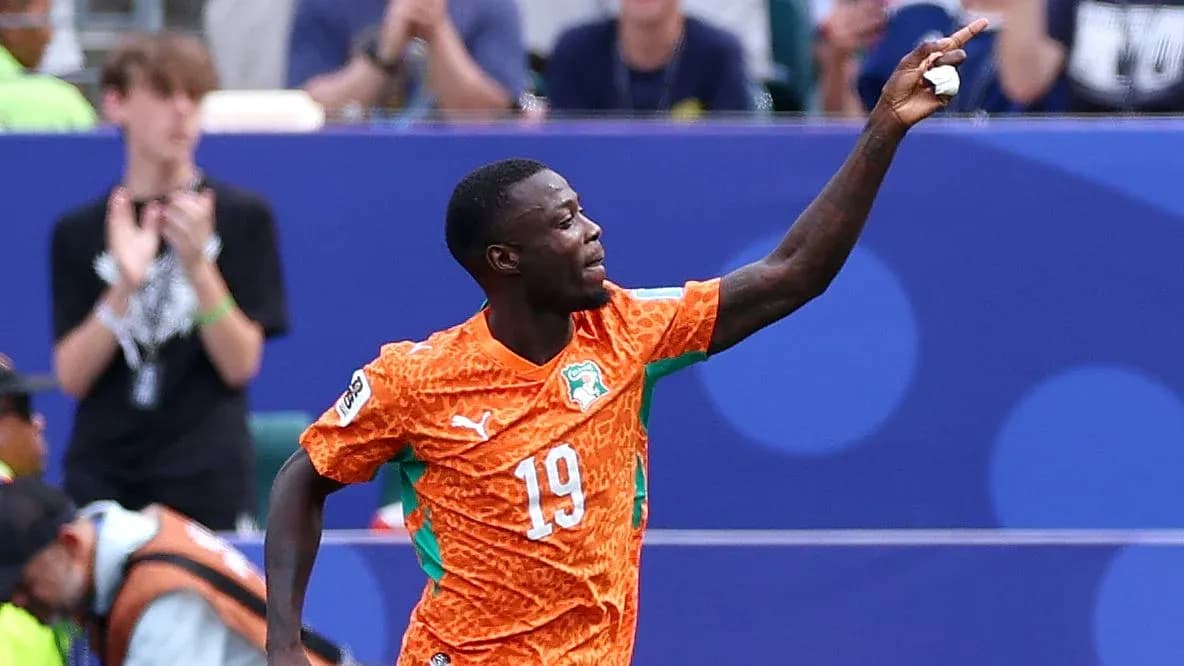
Nicolas Pépé stood on the touchline in Philadelphia with his arms spread wide, drinking in the noise. Seven months ago he had been nowhere, dropped from the Africa Cup of Nations squad and cast as a fading talent. Now he is the face of a new Ivorian chapter, the man who finally dragged Ivory Coast beyond a World Cup group stage that had mocked their so‑called Golden Generation.
This was his night, and his redemption.
Pépé’s revival, written in two strikes
The first goal arrived before Curaçao had even settled. Seven minutes in, a defensive mix-up left panic where there should have been calm. Yan Diomande pounced first, then slipped the ball into Pépé’s path. One touch to steady, another to slide it home. Simple finish, huge statement.
Curaçao looked stunned. Ivory Coast looked liberated.
Pépé played with the freedom of a man who has rebuilt his confidence in Spain and left the weight of his Arsenal struggles behind. At Villarreal he has rediscovered his timing, his touch, his belief. Here, in the sharp June air, all of that work crystallised.
The second goal, midway through the second half, felt like a throwback. Classic Pépé. He drifted in from the right, opened his body and whipped a left-footed strike into the top corner. No fuss, no chance for the goalkeeper. A finish that belongs on highlight reels and, more importantly, in Ivorian football history.
Emerse Faé backed him when it would have been easier to move on. In Philadelphia, that decision looked inspired.
A barrier finally broken
For all their legends – Didier Drogba, Yaya Touré, the names that echo through African football – Ivory Coast had never managed to escape the World Cup group stage. Not in 2006. Not in 2010. Not in 2014. Each campaign carried hope; each ended with frustration.
This time, the narrative shifted.
A 2-0 win, six points, second place in Group E. It sounds straightforward on paper. It is anything but for a country that has worn the underachievement tag for far too long. This qualification is not just another step; it is a psychological release, a long-standing weight finally shrugged off.
Faé understood the scale of it. He urged fans to enjoy the moment, to celebrate a “historic qualification” and then keep pushing the team forward with what he called “positive vibes”. He did not pretend the performance was flawless, but he knew what mattered: a clean sheet, a win, and a dressing room that could finally “bask in this victory”.
Winning makes recovery easier, he said. You could see it in his players’ faces. Shoulders relaxed. Smiles everywhere.
A team growing up on the biggest stage
While Pépé naturally stole the headlines, Faé kept steering the conversation back to the collective. This is a young group, he reminded everyone, experiencing their first World Cup together. On this evidence, they are learning fast.
He spoke of a squad that “sticks together”, of teammates competing for the same positions yet still laughing, always side by side. It sounds like a cliché until you watch them. The body language backs him up. There is an edge to the competition, but not a fracture.
On the pitch, that togetherness translated into control. Ivory Coast were not wildly spectacular for 90 minutes, but they were ruthless where it counted. Curaçao managed only two shots on target, despite their energy and intent. When the chances came at the other end, the Ivorians punished mistakes with a cold, clinical streak that has often deserted them at this level.
Yassin Fofana, largely untroubled, did his part when called upon. The clean sheet was more than a statistic; it was a statement that this Ivory Coast is not just about flair and famous names. There is structure now. There is balance.
Curaçao exit with heads held high
For Curaçao, this was the end of a remarkable ride, but not of their story.
The smallest nation by population ever to reach a World Cup could easily have been overwhelmed by the stage. They refused. They took a point off Ecuador, showed they belonged, and against Ivory Coast they never folded.
Juninho Bacuna had the moment that could have changed everything. Just before half-time, with the score at 1-0, he found himself with a golden chance to level. He missed, and the game tilted away from Curaçao. Those are the margins at this level.
Still, they kept pushing. The Blue Wave stayed in the contest until the final whistle, forcing Ivory Coast to keep their concentration and their shape. They lacked the cutting edge to beat Fofana, but they did not lack courage.
Dick Advocaat, battle-hardened from a lifetime in the dugout, was generous in defeat. He pointed to the scale of the opposition, noting that Ivory Coast’s wingers are “worth 50m each”, and framed Curaçao’s campaign on their own terms. The primary target was the Gold Cup. Then, once that was secured, the World Cup. Both boxes ticked.
Asked if Curaçao could return to this stage, he did not hesitate. The way they played in the second and third games, he said, was “very promising”. On this evidence, that optimism is not misplaced.
Dark horses with a point to prove
Now comes the real examination for Ivory Coast.
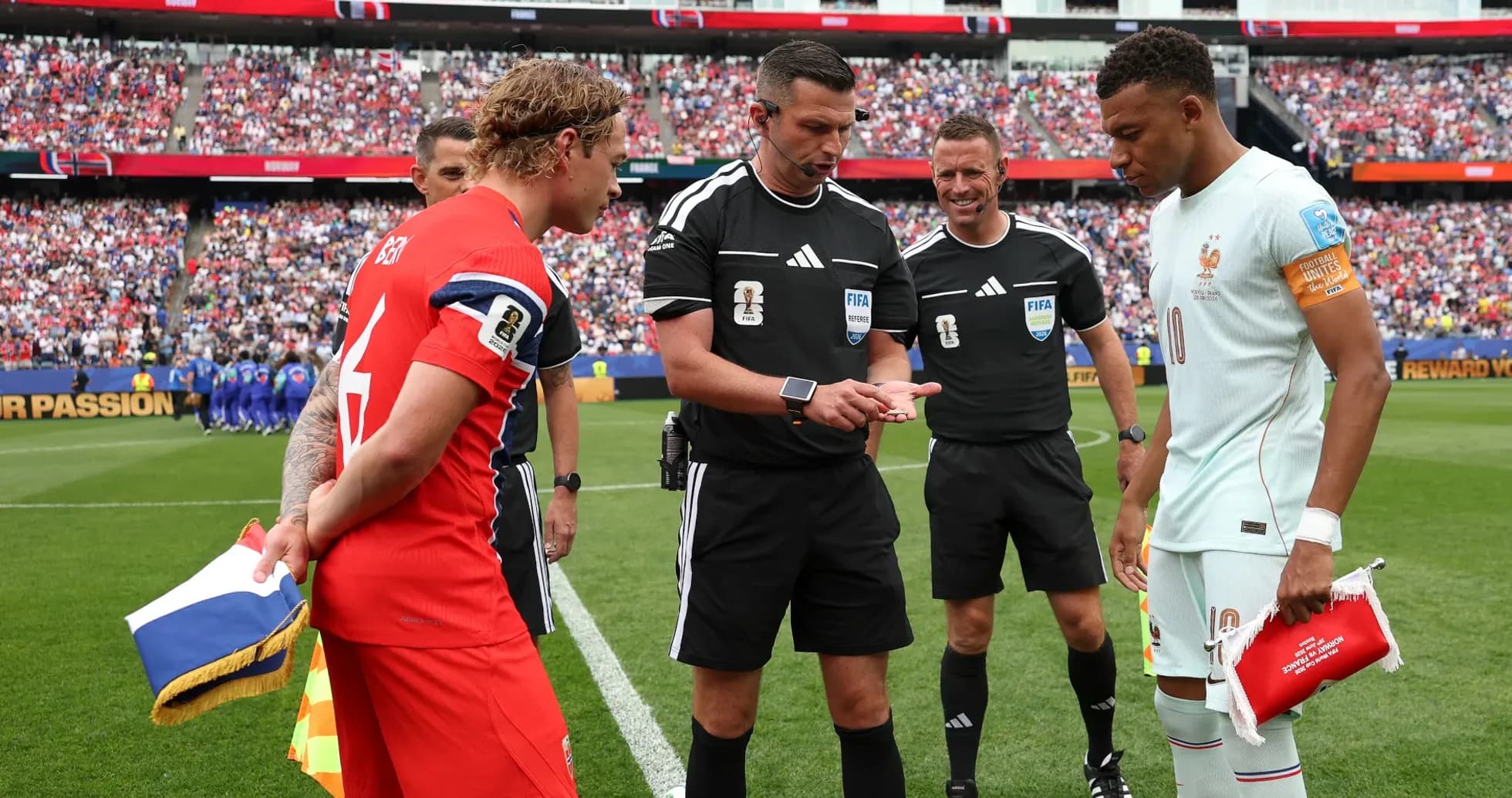
The round of 32 looms, and with it a meeting with either Kylian Mbappé’s France or Erling Haaland’s Norway. Two different beasts, one shared reality: the margin for error shrinks to almost nothing.
Yet this Ivorian side no longer carries the tightness of a team afraid of its own history. With Pépé reborn, a defence that has grown mean, and a squad that seems to be maturing in real time, they step into the knockouts not as tourists, but as genuine troublemakers.
The Golden Generation never got this far. This group already has.
Now the question hangs over the rest of the tournament: how much further can the Elephants charge?