.svg&w=384&q=75 "naujapitch logo")
Neymar and Pulisic Injury Concerns Cloud World Cup
Brazil and the United States head into a pivotal stretch of the 2026 FIFA World Cup with their biggest attacking stars compromised by the same problem in different legs and very different timelines.
Neymar’s right calf has already cost him a month. Christian Pulisic’s left calf flared up just as his tournament was beginning. Both situations now hang over their nations’ group-stage plans.
Neymar’s World Cup On Hold
At 34, Neymar was supposed to be Brazil’s old master, easing his way into a final World Cup with all the tricks but fewer sprints. Instead, he has yet to play a single minute.
He injured his right calf on May 17 while playing for Santos and has been sidelined since. This week brought only cautious steps forward: individual work on the sideline on Tuesday, then a brief spell with teammates on Wednesday. It wasn’t enough.
Brazil have already ruled him out of their next Group C match against Haiti. The bigger decision looms behind that. There is a real possibility the five-time world champions keep him out for the entire group stage, gambling that they can qualify without him and unleash him in the knockout rounds.
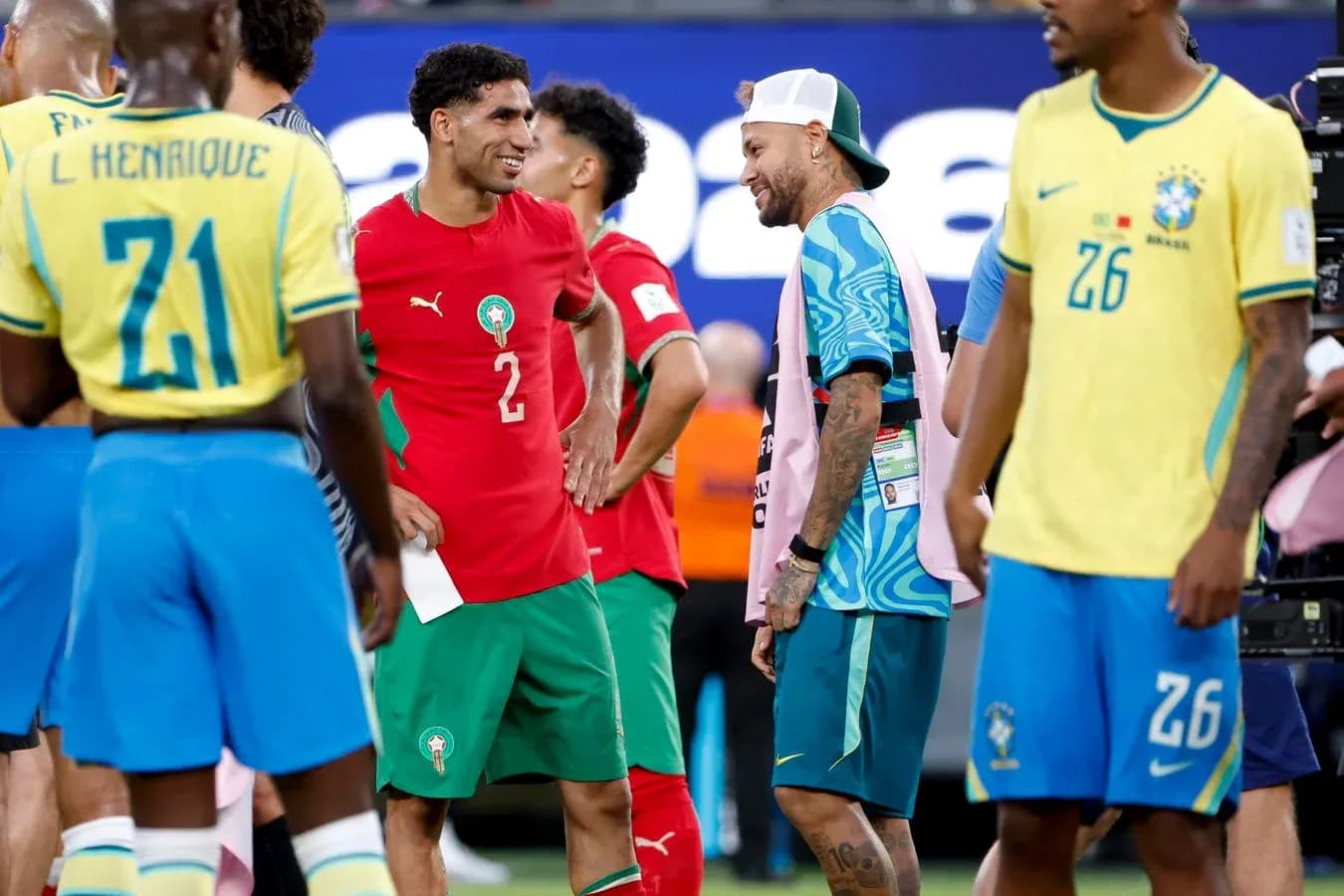
That is a risk, not a formality. Brazil opened with a 1-1 draw against Morocco and still have to navigate Haiti on Friday and Scotland on June 24. The margin for error is thinner than the country’s footballing ego usually allows.
Neymar’s absence comes on top of a long layoff with a much more serious problem. He has not played for the senior national team since October 17, 2023, when he tore the anterior cruciate ligament and meniscus in his left knee during a South American qualifier against Uruguay. Just as he edged back from that, the calf went.
The diagnosis, according to reports, is a second-degree calf strain – a moderate tear rather than a full rupture. Medical guidance for that kind of injury typically puts a return to full activity at around three to six weeks, roughly two to three times longer than a mild strain. Brazil are trying to squeeze that clock.
Pulisic’s Setback Halts U.S. Momentum
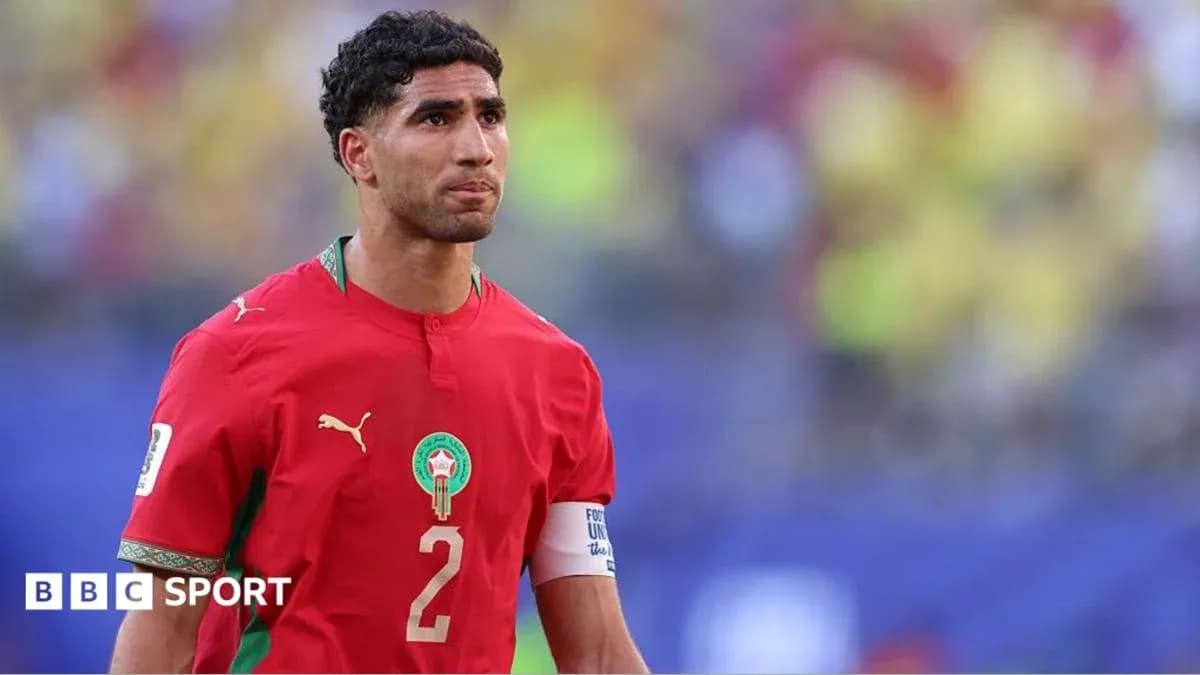
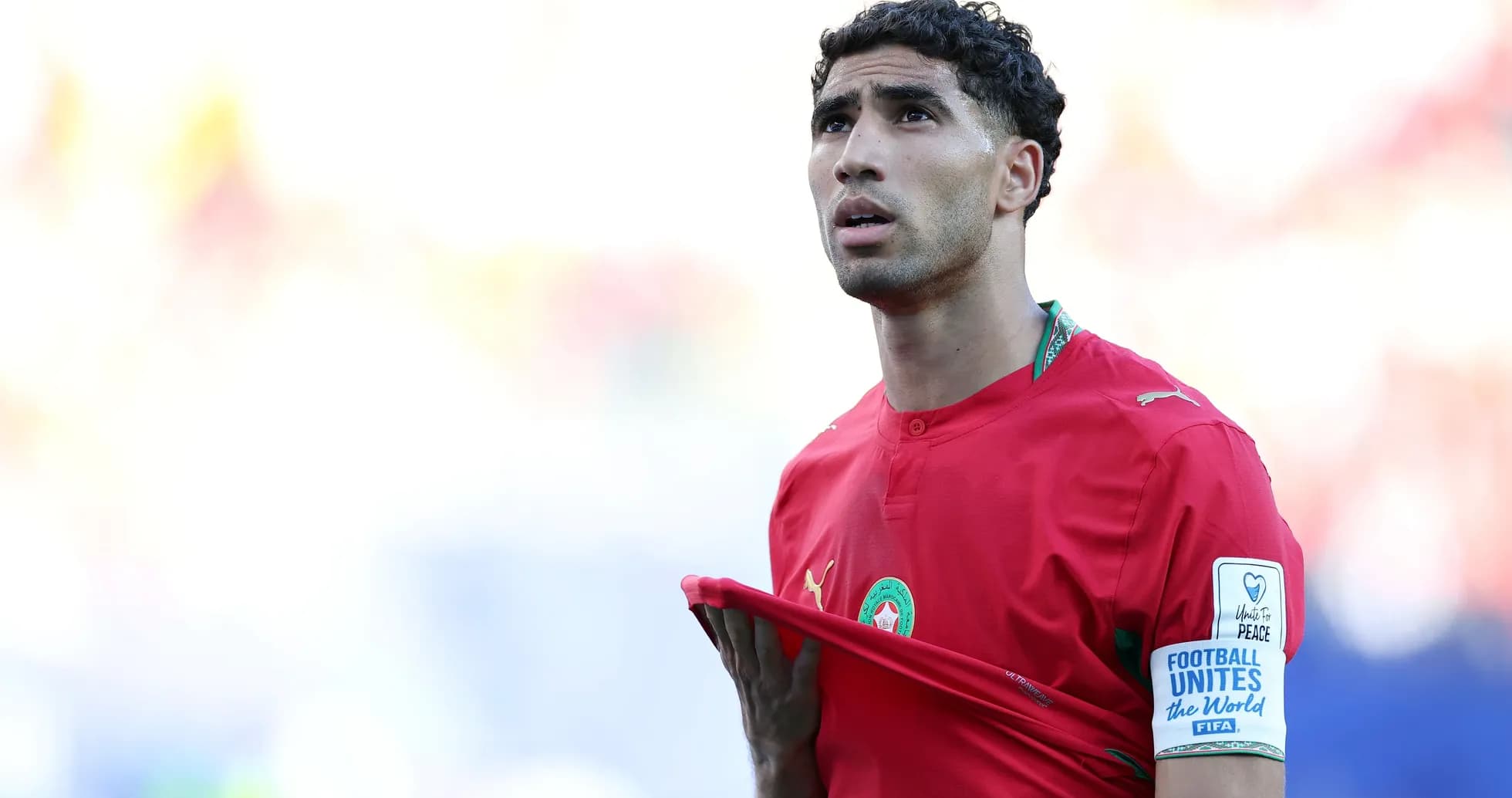
On the other side of the draw, the United States have a different kind of headache. Pulisic’s issue is newer, sharper, and arrived just as he was catching fire.
The 27-year-old first felt his left calf in training last week. He played through it in the USMNT’s World Cup opener against Paraguay, then paid the price. After helping set the tone in a 4-1 win, he aggravated the injury and did not emerge for the second half.
The sight of the team’s star attacker off at halftime of a statement victory cut through the euphoria. Since then, the message has been consistent: uncertainty. It is still unclear whether he will be fit for the Group D clash with Australia on Friday.
For a U.S. side trying to build on a ruthless opening performance, that doubt changes the entire attacking picture. With Pulisic on the pitch, they look like a side ready to dictate games. Without him, the burden shifts quickly to younger shoulders and a less proven supporting cast.
The Nature Of The Damage
Strip away the names and reputations and the story is the same: calf strains, the classic curse of explosive players in a tournament environment.
A pulled calf muscle is essentially an overstretch or tear of one or more of the calf muscles or the tendons anchoring them to bone. It is a familiar injury in football, where players constantly launch into sprints, change direction, and push off from standing starts. Those sudden surges place huge demand on the lower leg. When the muscle is tight, tired, or simply unlucky, it goes.
Calf strains are usually graded in three tiers:
- First degree, or mild: less than five percent of the muscle mass affected. Players often return within one to three weeks, especially with the kind of intensive treatment national teams can provide during a World Cup.
- Second degree, or moderate: a more substantial tear but not a complete rupture. Neymar reportedly falls into this category, with a typical recovery window of three to six weeks before full activity.
- Third degree, or severe: a complete tear of the muscle or muscle–tendon unit. That is a months-long absence and often a season-defining moment.
Neither Neymar nor Pulisic is believed to have suffered that worst-case, third-degree scenario. For Pulisic, it is not yet clear whether his strain is mild or moderate, which is why the timeline around the Australia match remains so vague.
Treatment, at this stage, is textbook: rest to prevent further damage, ice applied in short bursts to limit swelling, compression bandaging to control fluid build-up, and elevation of the leg to aid circulation and reduce inflammation. The work between matches is as much about not rushing as it is about accelerating.
Two Teams, One Question
For Brazil, the calculation is brutal but simple. Can they get out of Group C without risking a setback for their most gifted player? A cautious approach now could mean a fresher Neymar in the knockout rounds – or no knockout rounds at all if the group goes wrong.
For the United States, the dilemma is more immediate. Do they risk their talisman in Group D before the calf is fully settled, or trust the depth that thrashed Paraguay to carry them while he heals?
World Cups often turn on fine margins: a late goal, a missed penalty, a tight offside. This one may hinge on something less glamorous – how quickly two damaged calves can stand up to the strain of a tournament that waits for no one.