.svg&w=384&q=75 "naujapitch logo")
Mohamed Hany's World Cup Ordeal: Injury Scare and Own Goal
Mohamed Hany’s brutal World Cup twist: from scare on the turf to another own goal
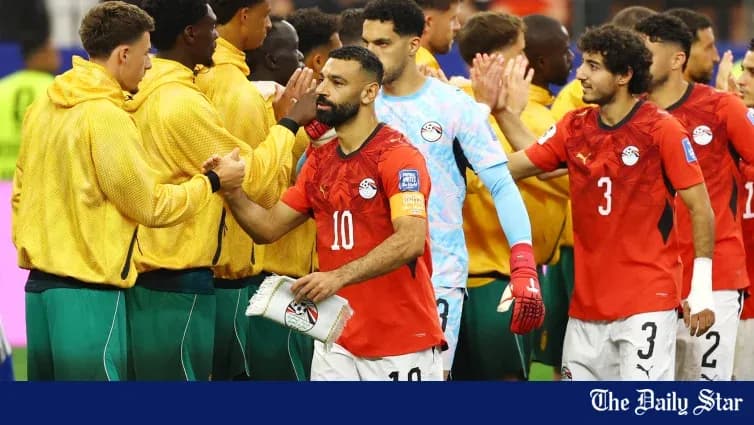
ARLINGTON, Texas — For a few long seconds at AT&T Stadium, the football stopped mattering.
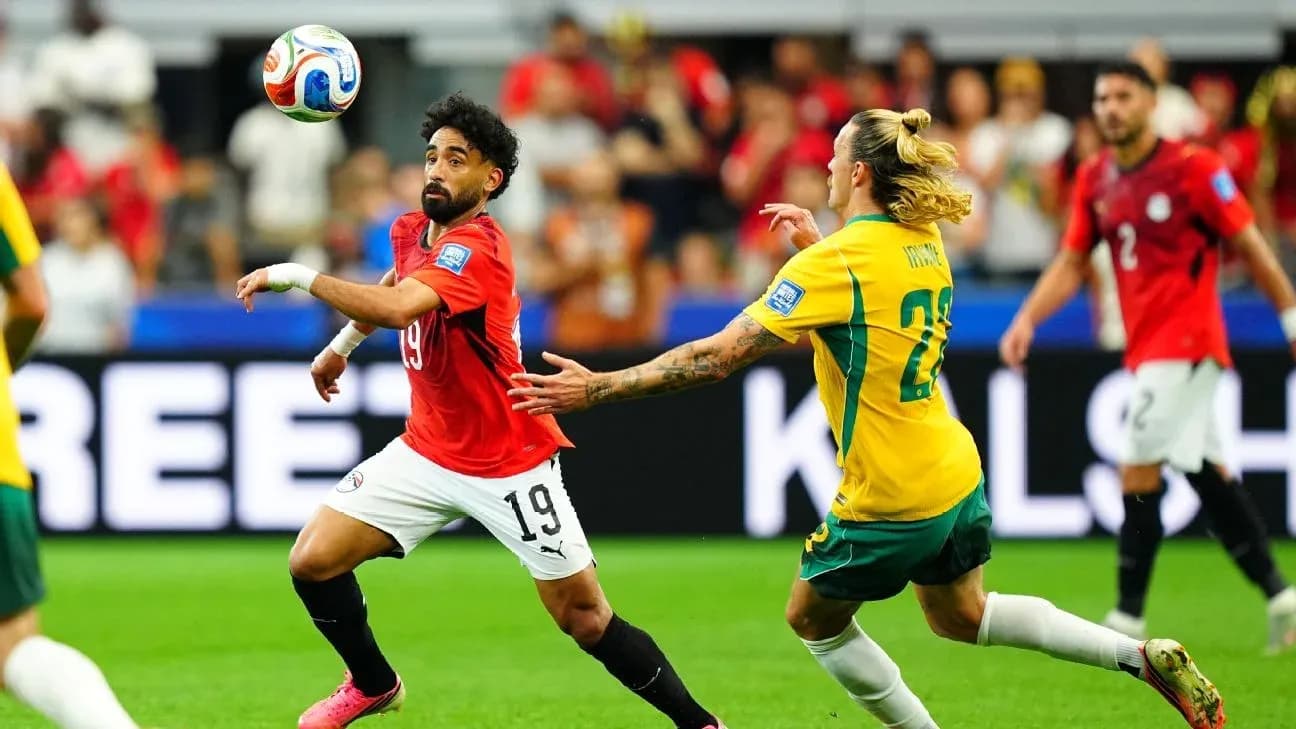
Early in the second half of Australia vs. Egypt in the World Cup round of 32 on Friday, Mohamed Hany went down in a heap in the 48th minute. No contact controversy, no theatrics. Just a player suddenly on the turf, not moving, and 80,000 people holding their breath.
Teammates waved frantically for help. Medical staff sprinted on. The silence inside the stadium cut straight through the noise of a knockout tie.
Then, slowly, Hany stirred.
He got to his feet under his own power and walked to the sideline for evaluation. No stretcher, no dramatic exit, just a player trying to shake off a moment that had looked far more serious than it ultimately proved to be. Egypt finished that brief spell with 10 men while he was assessed.
After about a minute, he came back on. The crowd exhaled. Egypt had its defender again. Crisis averted.
Or so it seemed.
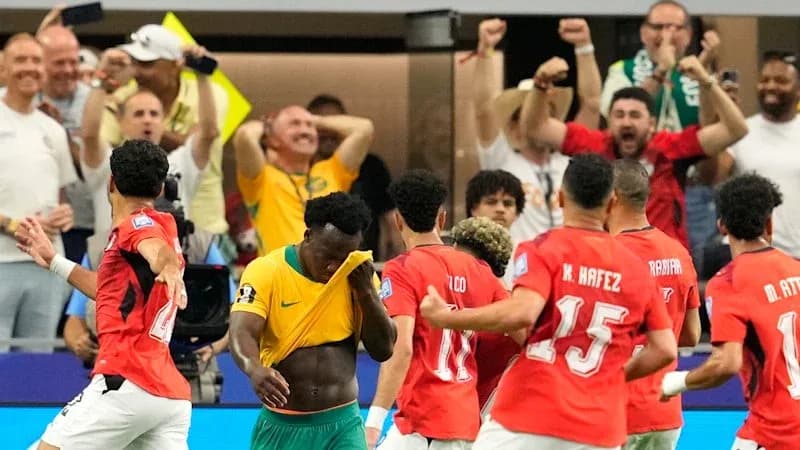
The match’s cruel turn came quickly. Back in the defensive line, Hany was soon at the heart of the action again, this time in the worst possible way. A header meant to clear danger instead flew past his own goalkeeper and into the net, gifting Australia a goal.
An own goal. His second of this World Cup.
For any player, one own goal at a major tournament lingers. Two, in the same campaign, in front of a global audience, cuts deeper. To have it arrive minutes after a worrying injury scare turned Hany’s night into a personal ordeal inside one of the sport’s grandest stages.
Australia, chasing a place in the round of 16, gladly took the break. Knockout football is ruthless: it does not pause for sympathy, and it does not care who gets hurt by the scoreboard.
Egypt, already walking the tightrope of a single-elimination match, now had to chase the game with a defender battling both the opposition and his own nightmare of a tournament.
The stakes around them could hardly be higher. This is the expanded 2026 World Cup in full roar — 48 teams, 16 host cities across three countries, and a bracket that offers no second chances. From the round of 32 onward, every mistake is magnified, every deflection can end a dream.
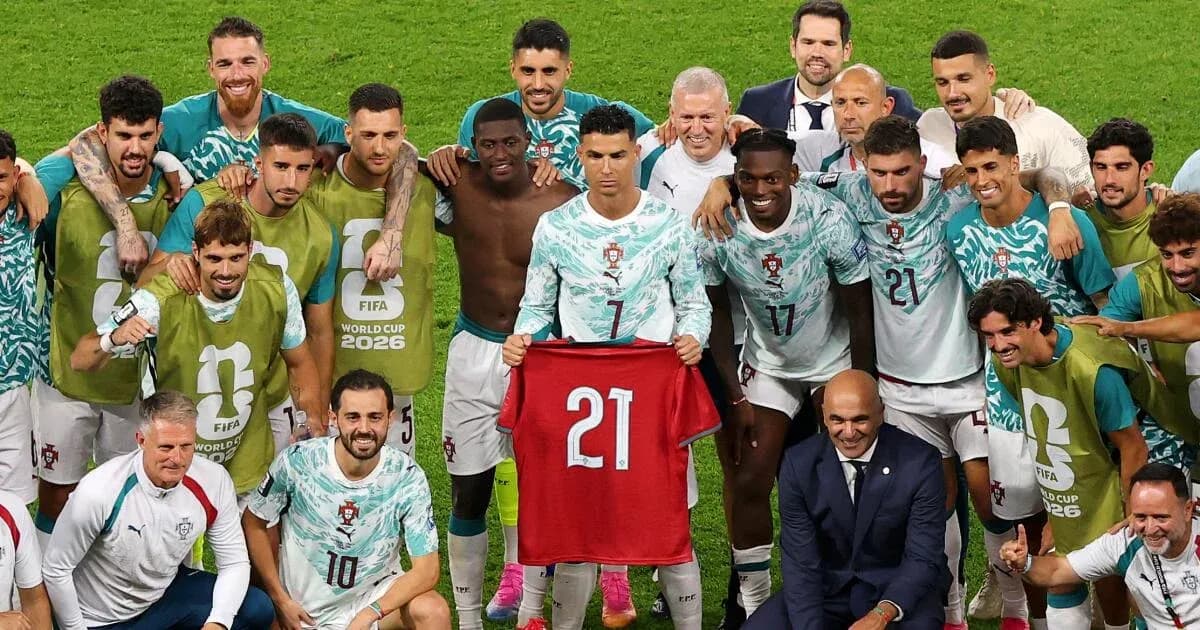
Canada have already sent South Africa home. Paraguay stunned Germany. Morocco knocked out the Netherlands. Brazil, Norway, Mexico, France, the United States, Belgium, England, Spain, Portugal, Switzerland — all have punched their tickets to the last 16.
Australia and Egypt stepped into AT&T Stadium knowing the equation: win or go home, survive and you move into a path that could bring Argentina or Cape Verde next, then possibly Switzerland, Colombia, or Ghana down the line. One side advances to Atlanta on July 7. The other disappears into the long shadow of what-ifs.
For Hany, this World Cup now carries a harsher edge. Two own goals in a tournament that defines careers. A frightening moment on the grass followed by a brutal twist of fate in his own penalty area.
The bracket will move on without sentiment. The winner here joins the scramble toward the quarterfinals and beyond, into a ladder that stretches from Philadelphia and Houston to Miami, Kansas City, and ultimately the final.
But long after the tournament leaves Arlington behind, one image will linger from this night: Mohamed Hany on the ground, motionless, then back on his feet, only to see the ball he headed fly into the wrong net.
In a World Cup built on fine margins, his story has become one of the most unforgiving of them all.