.svg&w=384&q=75 "naujapitch logo")
Michael Edwards Leaves Liverpool: A Shift in Football Operations
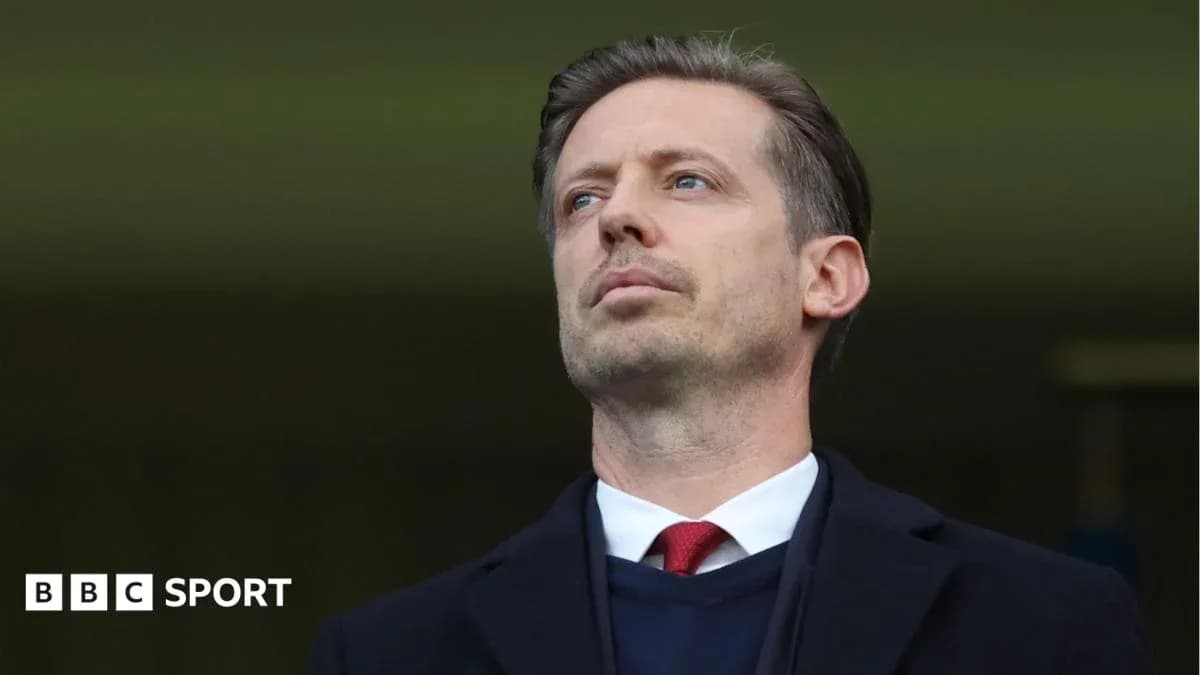
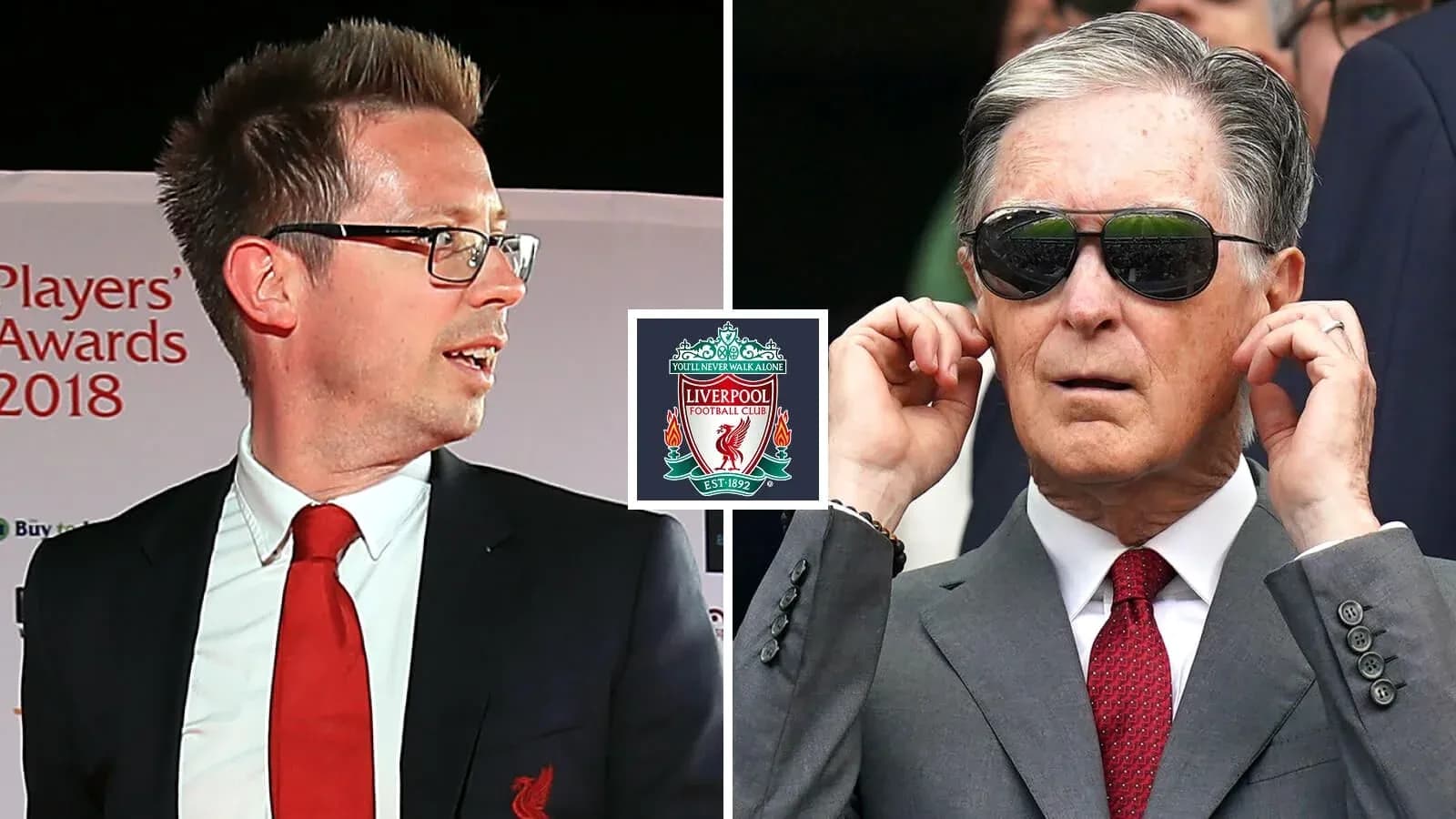
Michael Edwards’ second act at Liverpool is over – and the ending has been coming for a while.
The architect of much of the club’s modern success is leaving his role as Fenway Sports Group’s CEO of football before the start of next season, with FSG president Mike Gordon stepping back in to run football operations rather than an external replacement being sought.
It is a significant shift at the top of Liverpool’s structure, even if the faces involved are very familiar.
The man who came back for a project that never arrived
Edwards’ reputation at Anfield was already secure. As sporting director, he helped build the side that delivered the Champions League and ended the 30-year wait for a league title under Jurgen Klopp. When he walked away in 2022, it felt like the natural close of a cycle.
His return in 2024, this time as FSG’s CEO of football, was not about going back to what he’d done before. He made that clear. The appeal was the promise of something bigger: leading a multi-club model, expanding FSG’s football portfolio, and turning Liverpool into the flagship of a broader network.
That vision never materialised.
Reports earlier this year from The Athletic’s James Pearce revealed that FSG had effectively parked plans to buy a second club, leaving Edwards frustrated. Targets were explored – Bordeaux, then Getafe – but the deals stalled. The project that tempted him back shrank in scope. His role changed with it.
As Ben Jacobs later outlined, Edwards had informed the FSG hierarchy last autumn that he would be leaving once it became clear the group would not be expanding their football interests. He stayed on to support sporting director Richard Hughes, but the direction of travel was set.
The job he ended up doing was not the one he had been sold.
Liverpool’s power lines shift again
Now the break is official. Edwards departs with warm words and a trophy in the recent past.
“It has been a privilege to return to Fenway Sports Group and Liverpool Football Club at such an important moment,” he said on confirmation of his exit. “I leave believing Liverpool is in a strong position, with outstanding people, a clear direction and the foundations in place for continued success.”
Those foundations include a club that has just navigated another major transition, moved on from Klopp and, under FSG’s wider leadership, secured a historic 20th English league title. Edwards played his part in steadying that process from the boardroom rather than the recruitment bunker.
Gordon, speaking for FSG, underlined that impact.
“Michael has made an extraordinary contribution to Liverpool Football Club and Fenway Sports Group throughout his time with our organization,” he said. Edwards’ return, he added, came “at a pivotal moment for Liverpool,” and his influence was felt as the club “successfully navigate[d] a significant period of transition before securing the club’s historic 20th English league title.”
The thanks from ownership were extensive and pointed: recognition of a trusted operator stepping away, and of a relationship that has shaped an era.
No like-for-like replacement
Pearce’s reporting makes clear that Liverpool are not planning a direct successor. There will be no new CEO of football parachuted in to fill the void. Instead, Gordon will resume direct control of football operations, restoring a model that FSG know and trust.
Structurally, that keeps power concentrated among familiar hands. Strategically, it underlines something else: the multi-club dream that lured Edwards back is no longer on the immediate agenda.
For Edwards, that appears to be the crux. Jacobs stressed that he “never wanted to return in a recruitment role,” and that the “main appeal was driving the purchase of a new club.” Once the Getafe move stalled and portfolio expansion fell away, his exit “was inevitable.”
The role he fulfilled, as Jacobs put it, “became very different to the one he’d been promised.”
What next?
Edwards leaves again with his stock intact, perhaps even enhanced. He has already shown he is willing to walk away when the project no longer matches the pitch. This time, he is not expected to take another extended break from the game.
Clubs with ambition and money will have noticed.
Liverpool, meanwhile, move forward under a familiar FSG face rather than a new architect. The model is more streamlined, the vision narrower than the multi-club empire once discussed.
The question now is simple: without the man who helped design their greatest modern side, and without the broader network he came back to build, how bold will Liverpool’s next chapter really be?