.svg&w=384&q=75 "naujapitch logo")
Mexico's World Cup Challenge: Aguirre's Last Stand and New Talents
The weight of a nation sits on Mexico’s shoulders again. It always does at a World Cup, but this time the demand is explicit: get out of the group, and do it as winners. Anything less feels like failure. Anything more could finally crack open the glass ceiling that has held El Tri at the round of 16 for generations.
Aguirre’s last stand
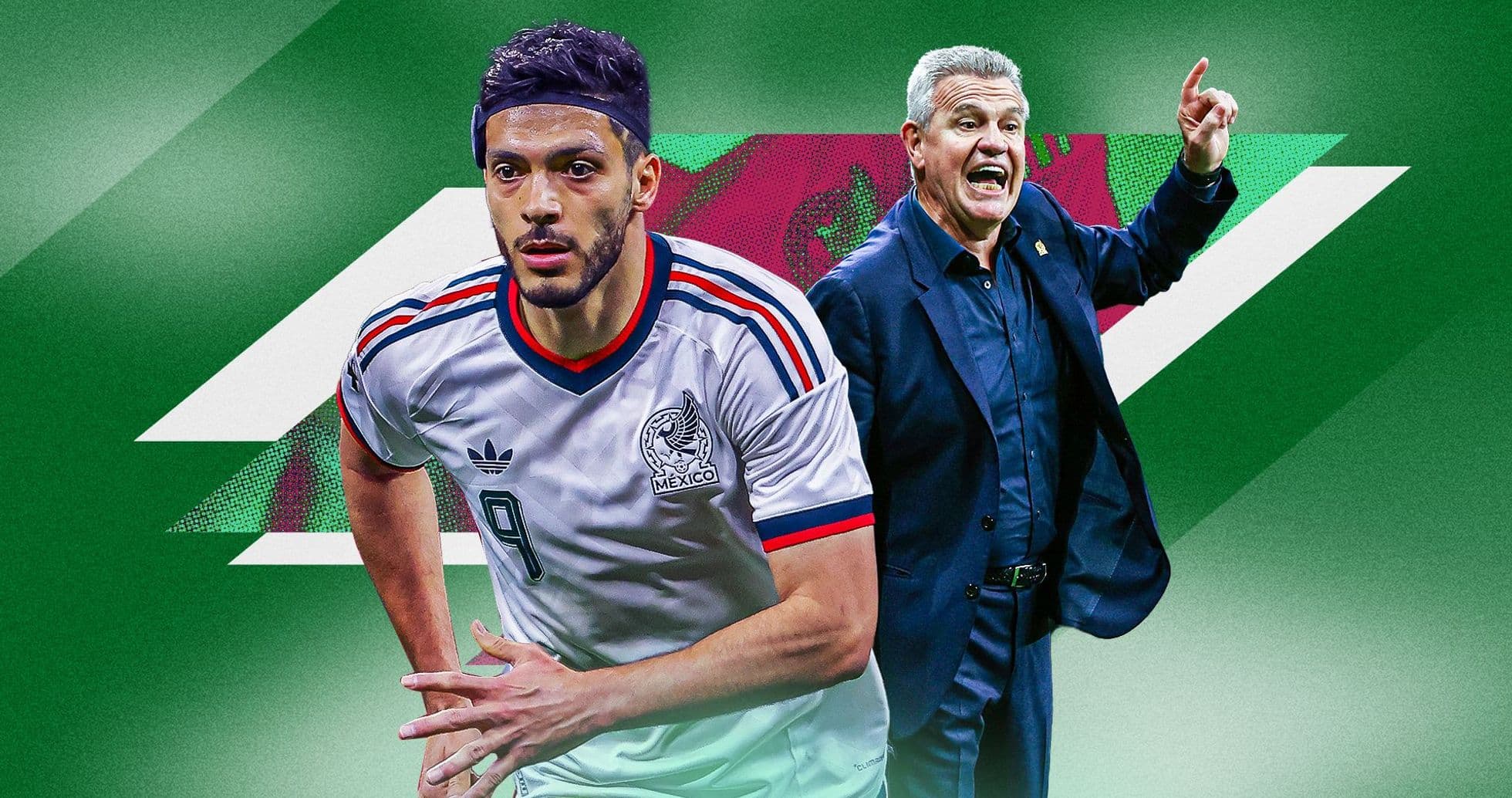
On the touchline, the story is just as loaded. Javier Aguirre, back for a third spell in charge and already knowing this will be his last, will hand the job to his assistant Rafa Marquez when it’s over. How he leaves will define how he’s remembered.
Aguirre is a two-time Gold Cup winner and a veteran of the 2002 and 2010 World Cup campaigns, yet he still divides his own people. His critics see a coach who trusts caution more than chaos, structure more than spectacle. His squad lists are dissected, his conservatism questioned. But the federation keeps returning to him for one reason: he knows how to navigate tournaments.
This time, he has again turned to the familiar heartbeat of Liga MX. Even before the domestic season ended, 12 home-based players had reported to the preliminary camp. The European contingent arrived later, but the spine of this side remains unmistakably domestic, unmistakably Aguirre.
Old guard, new blood
The squad itself is a blend of scars and promise. At the back, Mexico lean on one of their true strengths: a central defensive partnership built around Johan Vasquez and Cesar Montes. They are not flashy, but they are solid, and in tournament football that matters.
Midfield offers a different kind of balance. Alvaro Fidalgo brings control and intelligence, while 18-year-old Obed Vargas adds legs, energy and a hint of unpredictability. Over them all stands captain Edson Alvarez, who has made the squad despite an injury-hit campaign. His presence alone changes the tone of this team. He is the shield, the organiser, the one who snarls when the game starts to slip.
Some names are conspicuous by their absence. Diego Lainez is not here. Neither is Chucky Lozano. Two of the most gifted players of recent Mexico cycles have been left out, a reminder that reputation does not guarantee a seat on Aguirre’s plane.
Jimenez, one last charge
Up front, there is no debate. This is Raul Jimenez’s team.
At 35, the Fulham striker is preparing for his fourth World Cup, and Mexico’s hopes are still lashed to his finishing. In 2025, as El Tri lifted two trophies, Jimenez scored nine of their 22 goals. That ratio tells the story better than any speech. When Mexico find the net, he is usually the one celebrating.
The context around him only sharpens the focus. Santiago Gimenez has endured a difficult season at AC Milan, and no other forward in the squad truly threatens Jimenez’s status as the attacking reference point. If Mexico go deep, he will almost certainly have dragged them there.
Ochoa, the eternal
Behind him, another icon refuses to step aside. Guillermo Ochoa looked to be out of the national-team picture, the curtain finally drawing on one of the most enduring World Cup careers of the modern era. Then Luis Malagon suffered an injury, the door creaked open again, and Ochoa walked back through it as if he had never left.
Now he stands on the brink of a sixth consecutive World Cup, matching Lionel Messi and Cristiano Ronaldo on that staggering mark. For Mexican fans, his presence is more than sentimental. In a team that can wobble under pressure, Ochoa brings a calm that only years of standing under the brightest lights can give.
The kid who might change everything
Yet for all the experience, all the familiar faces, the player who could electrify this campaign is barely old enough to vote.
Gilberto Mora is 17. He has already missed a large part of the Liga MX season through injury, already come back, and already reminded everyone why he is being talked about as a once-in-a-generation talent. Tijuana have nurtured him; Europe’s biggest clubs are circling, ready to tempt him across the Atlantic.
He is an attacking midfielder, a natural creator in the final third, and he does the thing Mexico have often lacked at major tournaments: he sees passes others don’t, and he has the courage to try them. In a side that can struggle to carve out clear chances, that matters more than any marketing slogan.
Mora is already rewriting age records in Mexican football. If Aguirre trusts him on this stage, he could end up rewriting something far more important: the story of a national team that has lived too long with the same old ending.
The round-of-16 curse still hangs over El Tri like a storm cloud. The question now is simple: will this be the generation that finally walks through it?