.svg&w=384&q=75 "naujapitch logo")
Manchester United's Future Under Carrick: A New Era Begins
Sir Alex Ferguson walked away 13 years ago with 13 league titles, a European crown and the conviction that he was leaving Manchester United on solid ground. The empire he built was supposed to be self-sustaining.
It wasn’t.
David Moyes, Louis van Gaal, Jose Mourinho, Erik ten Hag, Ruben Amorim – big reputations, big ideas, brief revivals. None of them managed to haul United back to the summit while Manchester City roared past and turned “noisy neighbours” into the dominant force in English football.
Now, at last, there is a different noise around Old Trafford.
Carrick’s reset
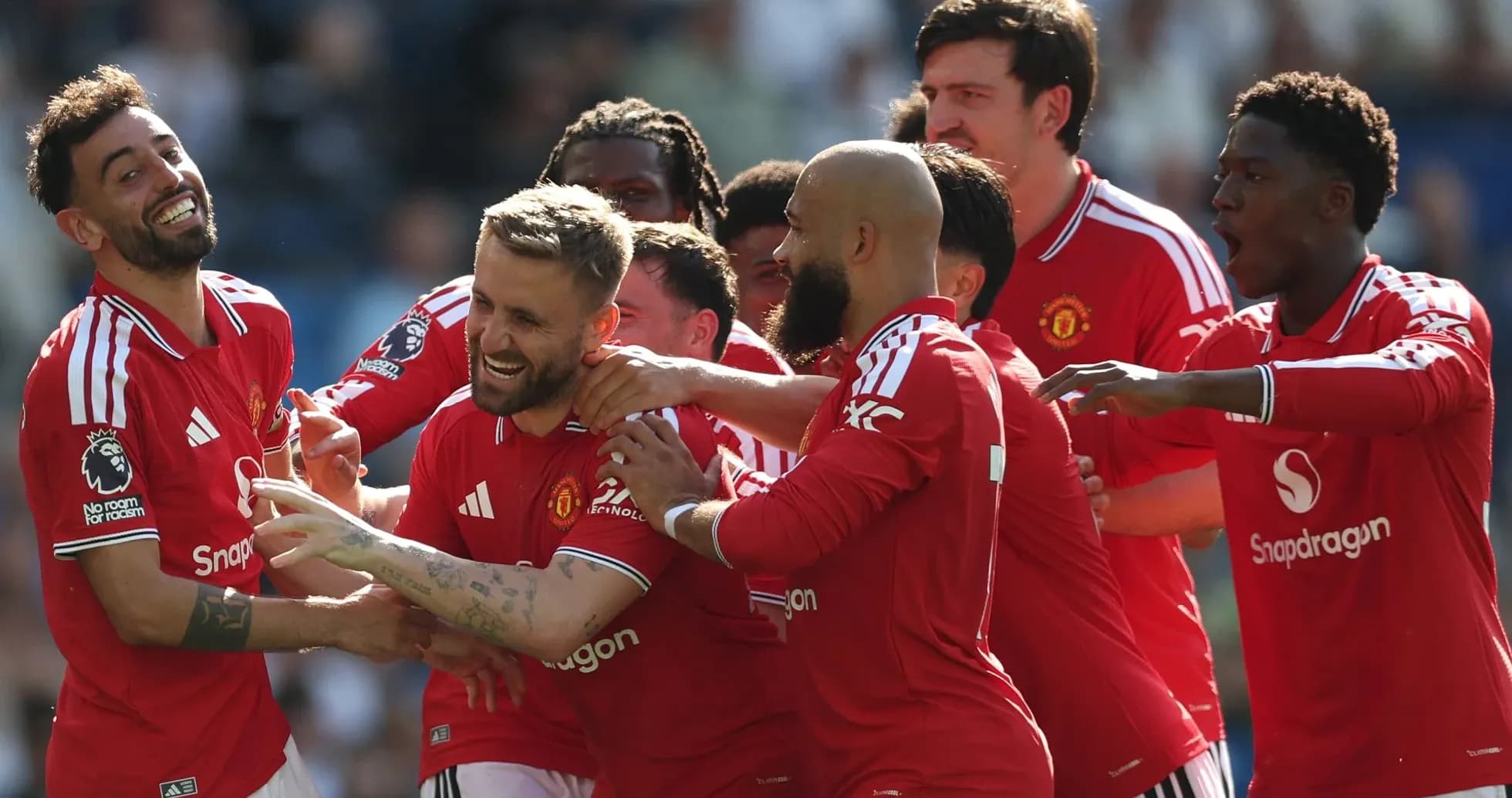
The 2025-26 season changed the mood. Michael Carrick, the elegant midfielder who quietly collected five league titles under Ferguson, stepped in as interim manager and immediately altered the trajectory. Results picked up, performances hardened, and the club hierarchy responded with a two-year contract.
Hope has crept back into the red half of Manchester. Not the wild, chest-thumping kind that followed each new appointment, but a more measured belief that with smart work this summer, United might finally look up the table rather than sideways.
There is already talk of a title tilt in 2026-27. Not from everyone, though.
Former United defender Gary Pallister, speaking to GOAL in association with Spreadex Sports, cut through the excitement. He sees progress, but not a finished product.
“I think a couple of signings can make a huge difference. Do I think they're in line for a title challenge? My honest opinion at the moment would be no, I don't think so. I think we've still got a bit of building to do,” he said.
That assessment fits what fans watched last season. Carrick didn’t suddenly turn United into a free-flowing juggernaut. There were flashes – and one fixture stands out.
“I think everybody's been very impressed with what Michael's done. I don't think the team was brilliant. I think we had two or three games, the Man City game sticks out at home, where we played really well. A couple of games at the end of the season where we played really well and won comfortably.”
Those matches offered something United have lacked for too long: conviction.
Fight for the badge
Pallister sees the real shift not in tactics or formations, but in attitude.
“What I think he's brought to the team is a resilience and that kind of fight for the badge and fight for the club and bring a little bit more of that, as Ole [Gunnar Solskjaer] did when he came in.”
The word “resilience” matters here. United sides of recent years have too often crumbled under pressure, especially at Old Trafford. Carrick has begun to stitch some of that back together, restoring a sense that the shirt carries weight.
Now comes the harder part.
“But now we've got to give Michael a chance to bring his own players in. He's assessed everything. Give him the chance to bring some quality players in and see where that takes us. He's brought a feel-good factor back to United. The fans can feel that. I'm sure the players are feeling that. Now we're going to see whether he can take the next step.”
The “next step” is exactly where the club has stumbled since Ferguson left. Managers have lifted the mood, then hit the ceiling. Carrick’s summer, and the recruitment that shapes his first full campaign, will decide whether this is another short-lived bounce or the start of something more durable.
Rashford at a crossroads
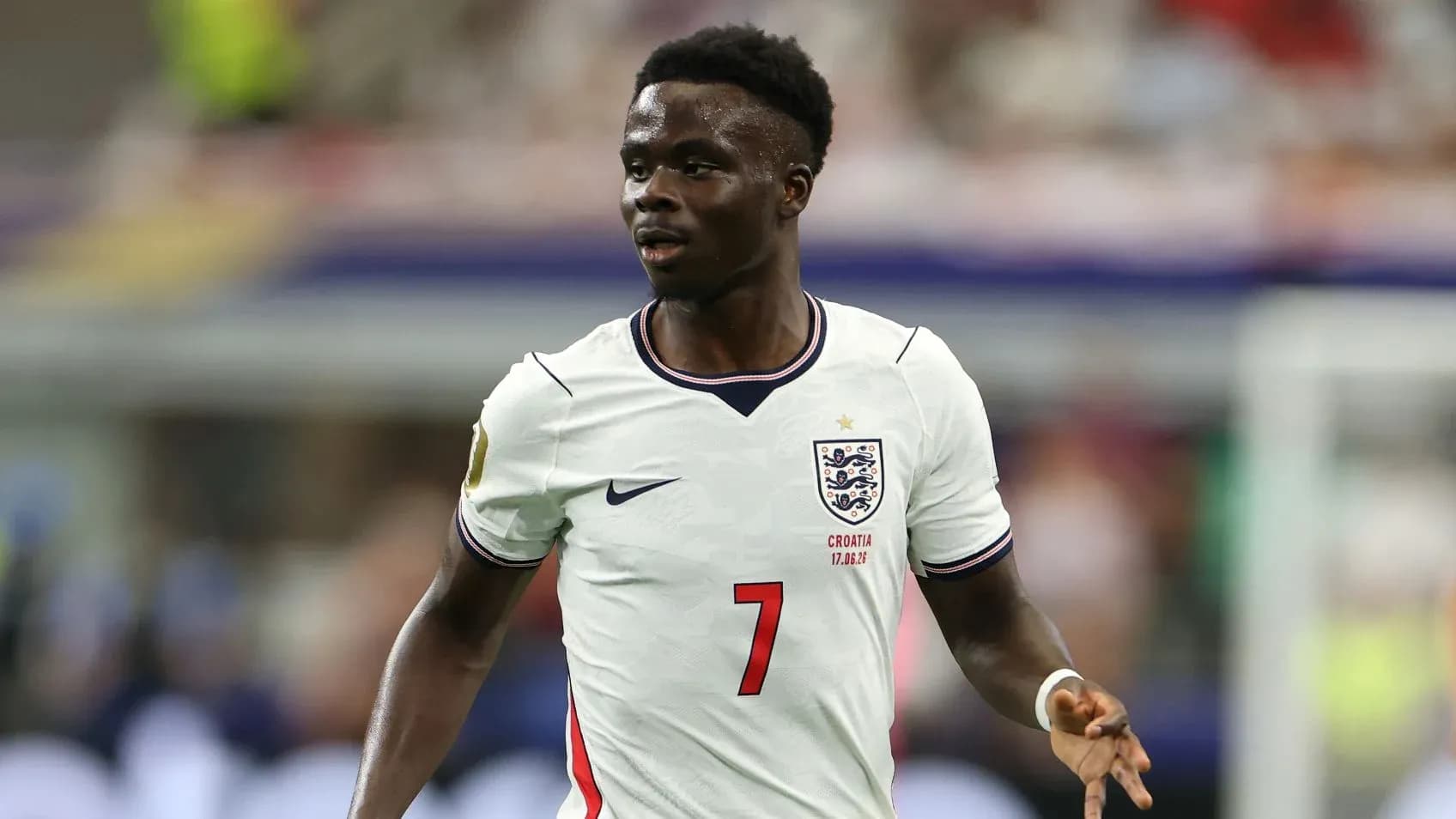
That brings the conversation to one of the most delicate decisions of all: Marcus Rashford.
Few players embody modern Manchester United quite like him – academy product, local hero, global profile. Yet he now sits awkwardly at the centre of both the “in” and “out” columns of the transfer debate.
Rashford spent last season on loan at Barcelona. A permanent move has been widely discussed, but nothing is agreed. For all the talk, there remains a scenario in which he walks back into the Old Trafford dressing room and tries to start again.
Pallister has been clear in the past about where he stands.
“I've gone on record as saying I wouldn't bring him back. The difference now is that Michael Carrick's worked with him. Michael Carrick knows his personality. Michael Carrick knows whether he can get something out of him if he does come back.”
That relationship could be decisive. Carrick knows Rashford from inside the club. He has seen the highs, the dips, the body language that has frustrated supporters. He also knows what a fully engaged Rashford can do.
“Would Marcus want to come back? Has he been quoted in the past saying he's happy to stay away? He's a quality player. He's a United lad. If you could bring back the Marcus of two or three years ago, then it would be a no-brainer. The way it ended, I'm not so sure whether there is a way back for him.”
This is not a simple footballing call. It is emotional, political, symbolic. Rashford is currently on World Cup duty with England, his future hanging in the air while he operates on the biggest stage of all.
For Pallister, everything hinges on whether Carrick believes he can flip the switch.
“Managers with different players can have their own feel on it. If Michael feels as though he can turn Marcus round in terms of his personality and his body language on the pitch and get him playing as he was playing for Manchester United in his early years, then he surely would be a bonus for Manchester United. I think there would have to be a lot of talking between the two before that happened.”
Carrick has restored resilience, reconnected the crowd with the team and earned himself time. Now he must decide whether one of United’s most gifted academy graduates is part of the rebuild or a chapter that needs closing.
The title talk can wait. The real story of United’s future might start with that conversation.