.svg&w=384&q=75 "naujapitch logo")
England's World Cup Journey: Finding Stability Amidst Changes
England stride into the last 32 having ticked the first big box of any World Cup campaign: win the group, job done.
Everything beneath that headline, though, is far less tidy.
A team still in pencil
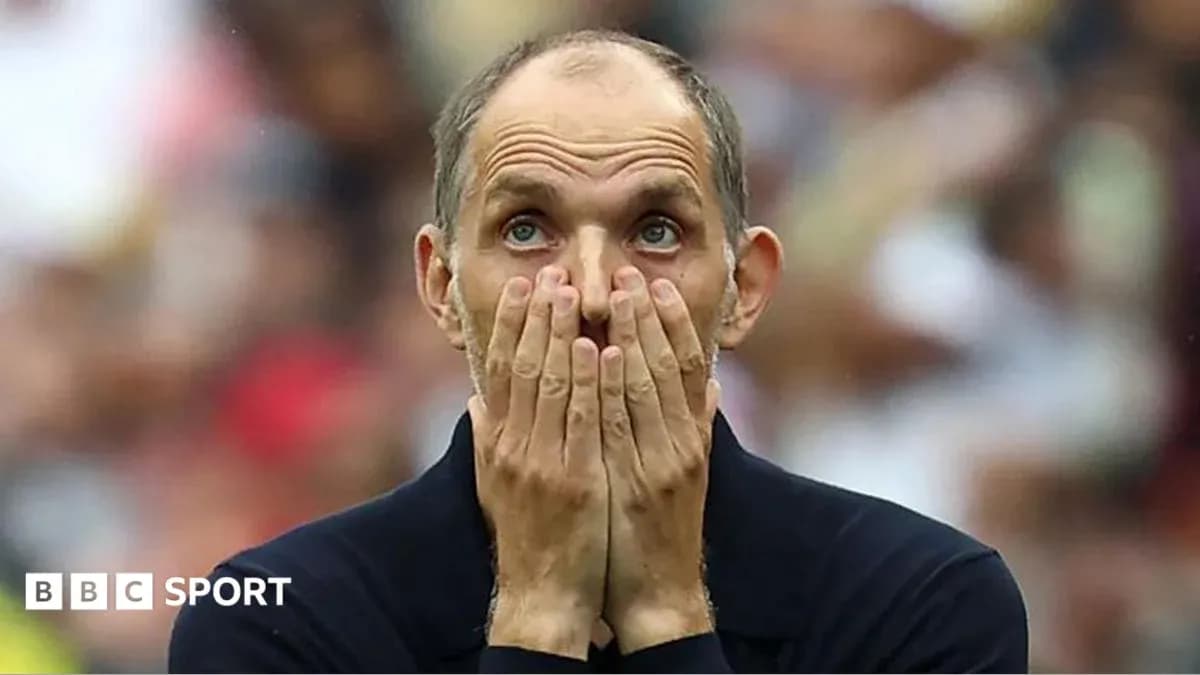
Three games in, Thomas Tuchel still looks like a coach sketching rather than engraving. England have chopped and changed so often that the idea of a “best XI” feels theoretical rather than real.
The full-back and winger combinations tell the story. Across 270 minutes, Tuchel has already used nine different pairings on the flanks, involving eight players. That is not rotation for freshness. That is a manager still searching.
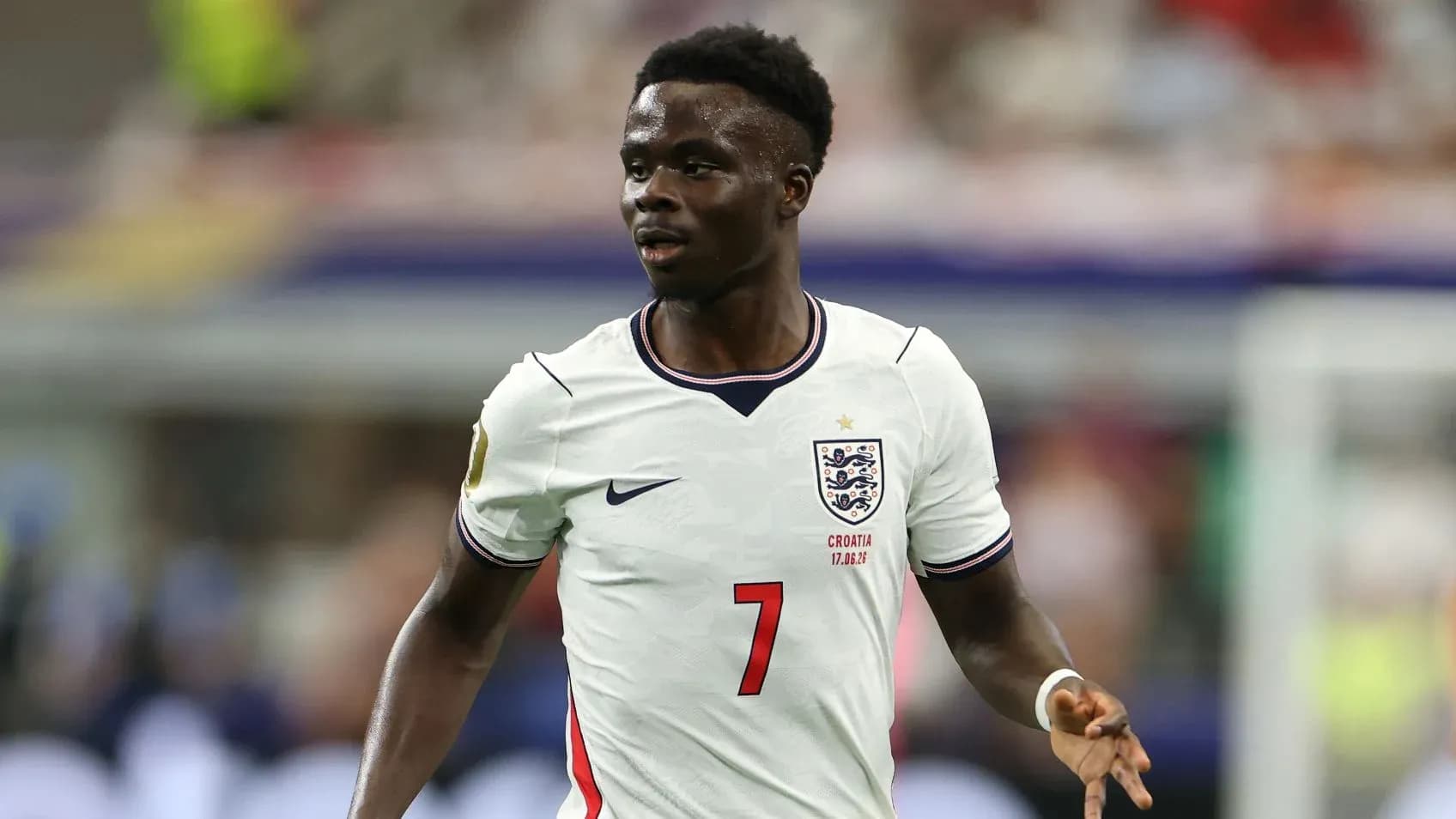
Injuries have tugged at the plan. Reece James and Jarell Quansah have both gone down at right-back. Bukayo Saka has not been fully fit. Those are not minor details in a system built on width and aggression from wide areas.
The result? England have rarely looked like a constant menace down either side. The back four keeps changing, and with it any sense of defensive rhythm. Every time an opponent has had a go, England have looked uncomfortable. That should ring alarms, even in a winning dressing room.
The spine that holds
For all that turbulence, certain names keep dragging this team forward.
Elliot Anderson was outstanding against Panama, a performance that belonged on a far bigger stage than a group decider. Jude Bellingham dominated and walked off with the man-of-the-match award, and Harry Kane did what Harry Kane does: found his goal.
Add Jordan Pickford and Declan Rice, and you have a spine that feels nailed to the team sheet. When it matters, Tuchel knows exactly who he can trust.
This England side may not be flowing yet, may not be convincing in every area, but it still carries match-winners who can flip a game with a single moment. That has always been the currency of tournament football.
Ideally, England would not need someone to conjure a goal from nowhere, as Bellingham did when he turned in Saka’s corner against Panama. The dream is a system that churns out chances in open play, wave after wave. Reality is different. Every game throws up spells where the patterns stall and the ideas dry up.
On Sunday, England were not exactly bristling with threat when the breakthrough came. Yet they have long known the value of set-pieces, and there is nothing wrong with leaning on them when the football is scrappy.
That corner was not even a particularly good delivery. Bellingham made it one. He bullied his way into position, showed that blend of strength, balance and technique, and turned a routine ball into a decisive moment. Once he scored, the contest felt over.
Cracks behind the smiles
The next test, DR Congo in Atlanta on Wednesday, will likely look familiar. Expect a low block, numbers behind the ball, and sharp counters – much like Ghana and Panama. England will again be asked the same question: can you pick this lock?
Sometimes the answer might be as basic as the type of cross.
Against Panama, with Marcus Rashford and Saka both cutting inside, England’s wide men kept swinging in inswingers on their stronger feet – Rashford from the left, Saka from the right. Those balls are food and drink for centre-backs facing play.
England look far more dangerous when the wingers go on the outside and whip crosses in, the way Bellingham did for Kane’s goal. Then the forward can time his run, attack the space and the ball, rather than waiting for a hopeful delivery that bends towards the keeper.
Going forward, England still feel like they have another gear, maybe two. The bigger concern sits at the other end of the pitch.
They have been opened up in all three games. Croatia carved them apart in that first half and scored twice. Ghana and Panama both created chances and exposed the same nervousness, even if they failed to punish it.
That cannot continue. As the tournament deepens, the calibre of opposition rises. Better players will not be as forgiving. The same errors that were shrugged off in the group stage will become the moments that send a team home.
At previous tournaments, even when England’s defence was not spectacular, it was usually settled. You knew who was playing. You knew who was covering whom. That certainty is missing now.
Another new back four?
Against DR Congo, England look set to roll out yet another different back four. Djed Spence could return at right-back, or Ezri Konsa may be shunted across from centre-back. John Stones could come back in alongside Marc Guehi, fitness permitting.
Some of these changes have been Tuchel’s choice. Others have been forced upon him. Injuries hit every squad, but he has clearly taken risks on players with fragile histories. The bill is now arriving.
Whoever lines up in that back four on Wednesday, England need the combination to stick. Not just for one night, but for the next couple of rounds at least. Tournament runs are built on familiarity at the back as much as flair up front.
England have done the first part. They have put themselves in position to be talking about Mexico or Ecuador next. The question is whether they can now stop treating the defence like a puzzle and start treating it like a foundation.
Because if this World Cup is going to turn into something serious, the experiments have to end.