.svg&w=384&q=75 "naujapitch logo")
Manchester City Secures Elliot Anderson for Record Fee
Manchester City have won the chase for Elliot Anderson – and they have paid a price that shakes the market.
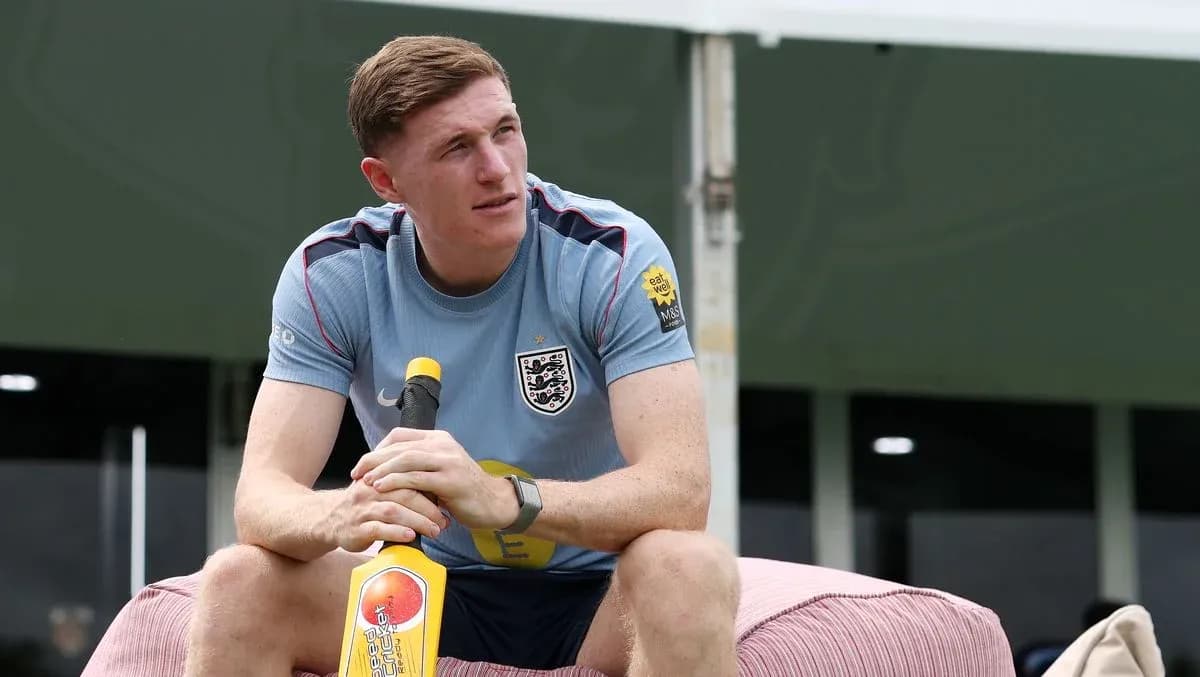
The Nottingham Forest midfielder, snapped this week casually holding a cricket bat at England’s training camp in Kansas City, has looked at ease in the United States. Beneath that calm, though, his future has been hanging in the balance. Not anymore.
City have struck a deal worth £116million, a fee that would make Anderson the most expensive British player in history. Figures around Nottingham Forest dispute that number and insist the package is closer to £130m, but either way, this is elite, record-bending territory.
For Manchester United, it is the line they refused to cross.
United walk away from Anderson
United were firmly in the conversation early on. Anderson, technically superb and tactically intelligent, would have been a compelling long-term replacement for Casemiro. But when City’s opening, sky‑high bid was knocked back and the numbers kept climbing, United stepped aside.
This is exactly what their CEO Omar Berrada has been signalling.
“We have to be really disciplined, it’s simple. We have a plan, we know what we can invest, and we have to stick to that,” he said on the club’s in-house podcast, outlining a new, stricter transfer doctrine. Some investments, he admitted, can be made with a 10-year horizon in mind, but the key line was clear: “It’s very important that you don’t let the market or the agents dictate.”
The Anderson deal did just that. The market dictated. United refused to follow.
They cannot realistically be criticised for it. The cost reached a point where even a player of Anderson’s quality no longer represented what they consider fair value. City, chasing marginal gains at the very top of the pyramid, chose a different calculation.
Fernandes: the next test of resolve
If Anderson was the one that got away, Mateus Fernandes is the one who could yet define United’s summer.
The 21-year-old has been flagged internally as an attainable, high‑quality alternative. United’s data team like what they see: Fernandes won more tackles than Anderson last season and completed more accurate switches of play. He trailed only narrowly in metrics such as ground duels won, total possessions won, and possessions regained in the defensive third.
Those numbers, combined with West Ham’s relegation, created a sense at Old Trafford that there was an opening for a relatively fair deal. Then Tottenham arrived.
Spurs have stepped into the race and, at the London Stadium, the reaction has been one of delight. West Ham know that if Tottenham are prepared to meet their £85m asking price, United’s negotiating position weakens dramatically.
That figure is already higher than United were hoping to spend. Yet if they are serious about reshaping their midfield, they will have to pay a premium for someone. At some point, discipline collides with ambition.
Is Fernandes an £85m midfielder? On raw talent and potential, there is plenty to like. On paper, though, that fee buys a player with back‑to‑back relegations on his CV. It underlines just how inflated the market has become.
A looming decision
The timing adds more pressure. The new financial year for clubs is only a week away. Books will close, strategies will harden, and cards will finally be laid on the table. It would be a shock if Fernandes’ future is not clearer by this time next week.
How far United are willing to go will be a genuine measure of Berrada’s warning. They exited the Anderson race early, before emotions and public noise could drag them into a bidding war. With Fernandes, they might not have that luxury. Tottenham’s presence forces the issue.
United do have a list of other midfield options, players identified by the data department as strong fits. But everyone in football knows how these lists work: the further you go down, the more you compromise on quality, at least in theory. At some stage, if you want a marquee midfielder, you stop hunting for bargains and you pay for the one you really believe in.
The message from inside the club has been consistent: there is money for a headline signing in midfield. Supporters are being told not to panic. The caveat never changes, though – the deal has to represent fair value.
Anderson’s price went beyond that threshold. If Tottenham genuinely move to meet West Ham’s £85m valuation of Fernandes, United’s response will show whether their new transfer stance is a principle or just a guideline.
Looking further afield
United are already scanning for better value outside the Premier League. Germany international Felix Nmecha is on their radar, and Borussia Dortmund have rarely been shy about cashing in on key assets when the price is right.
This is the alternative path: trust the scouting and data, find a player before the Premier League tax kicks in, and avoid being dragged into domestic arms races that end with record fees for players still on the rise rather than the finished article.
In a perfect world, United would have had a clean run at Anderson, agreed what they regard as a sensible fee, and closed the deal early. The reality of the modern market is harsher. City move first, pay big, and set a new benchmark. Spurs circle a relegated gem and are ready to push the price up again.
United now stand at a familiar crossroads: stick to the plan, or bend it for a player they believe can anchor their midfield for years. The numbers are on the table. The market is moving. How long can they afford to wait?