.svg&w=384&q=75 "naujapitch logo")
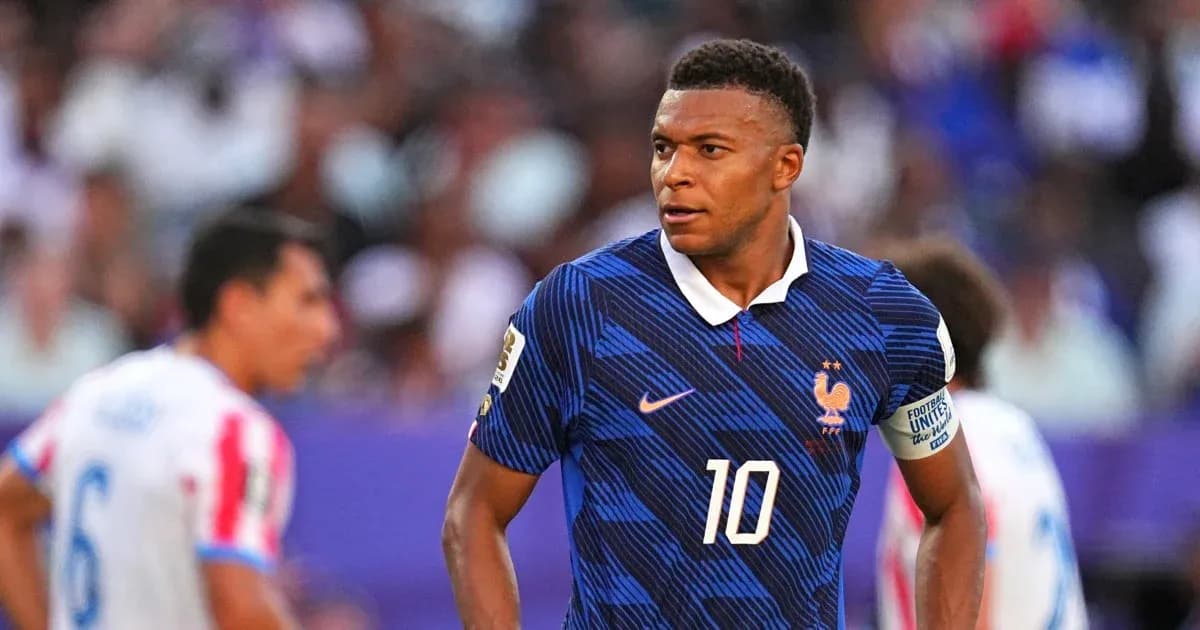
Kylian Mbappé Responds to Racist Attack from Paraguayan Senator
Kylian Mbappé has spent this World Cup deciding games. On Monday, he decided he’d had enough.
Two days after his penalty knocked Paraguay out in a stormy last‑16 tie in Philadelphia, the France captain turned his fire off the pitch, delivering a blistering response to a Paraguayan senator who had targeted him with a racist tirade.
Mbappé hits back
Celeste Amarilla, a member of Paraguay’s legislature, posted a long, racist attack on X after her country’s 1-0 defeat, describing Mbappé as a “colonized Cameroonian, desperately trying to pass himself off as French,” calling him a “brute” and even suggesting Paraguay’s players “should have slapped him” after the match.
Mbappé did not let it slide.
“Madame Celeste Amarilla, you are a despicable woman and unworthy of your position. You do not represent Paraguay, that country which has sweated passion and honor throughout the competition,” he wrote in a statement on X, lashing the senator while defending the Paraguayan squad she claims to speak for.
He went further, accusing her of staining the memory of Paraguay’s run at the tournament.
“Through your recklessness and your brazen racism, the entire world has already forgotten the journey and the historic effort that your players accomplished during this World Cup, making way for an incompetent woman who gives the worst possible image of her country.
“I will never allow people like her the freedom to spread their hatred and racism across the world.”
One kick from the spot had separated the sides in Philadelphia. Mbappé’s words landed with far greater force.
FFF moves to legal action
The French Football Federation did not stay on the sidelines.
Calling Amarilla’s remarks “utterly abhorrent and unacceptable,” the FFF announced it will file a criminal complaint, saying the comments are “criminal and reprehensible” and must be prosecuted.
“The FFF is reporting the matter to the public prosecutor’s office with a view to legal proceedings,” the federation said, adding that “these remarks bring shame upon those who make them and those who disseminate them. The players of the French national team represent France; it is our country that is being insulted.”
From a flashpoint in a knockout tie, the case has now moved into the legal and diplomatic arena.
Paraguay distances itself
In Asunción, the reaction was swift. The Paraguayan government rushed to distance the country from Amarilla’s outburst, issuing a formal statement that it “deplores and rejects” her words, calling them “contrary to the values and principles that inspire peaceful coexistence and respect for human dignity that our country promotes.”
Officials stressed that the senator spoke only for herself.
“The statements of the aforementioned legislator correspond exclusively to the exercise of her individual responsibility as a member of the Legislative Branch and in no way represent the position of the Government of the Republic of Paraguay or the Paraguayan people,” the government said.
Basilio Nunez, president of Paraguay’s National Congress, also stepped in, insisting Amarilla’s messages do not reflect the “genuine values” of Paraguayans.
“As President of the National Congress, I strongly reject racist, xenophobic messages and those that incite violence against any person,” he said, before praising the national team’s effort: “The Paraguayan national team gave their all with honor and grit at the World Cup. Politics and sports should be kept separate.”
Paraguay’s players, who had pushed France to the limit in a bruising contest, suddenly found their performance overshadowed by a political scandal they did not create.
From the Élysée to the touchline
The row reached the highest level in France. Emmanuel Macron’s office confirmed that Paraguay’s president had written to the French leader to express support and condemn the remarks aimed at Mbappé.
Macron then publicly backed his captain, posting on X: “Another goal for Kylian Mbappé. Against racism this time. All my support. When words smear, our values respond: dignity, respect, fraternity.”
Inside the France camp, there was anger, but also clarity. Assistant coach Guy Stephan summed up the mood in three words when asked about the senator’s comments: “It’s disgraceful, vile, outrageous.”
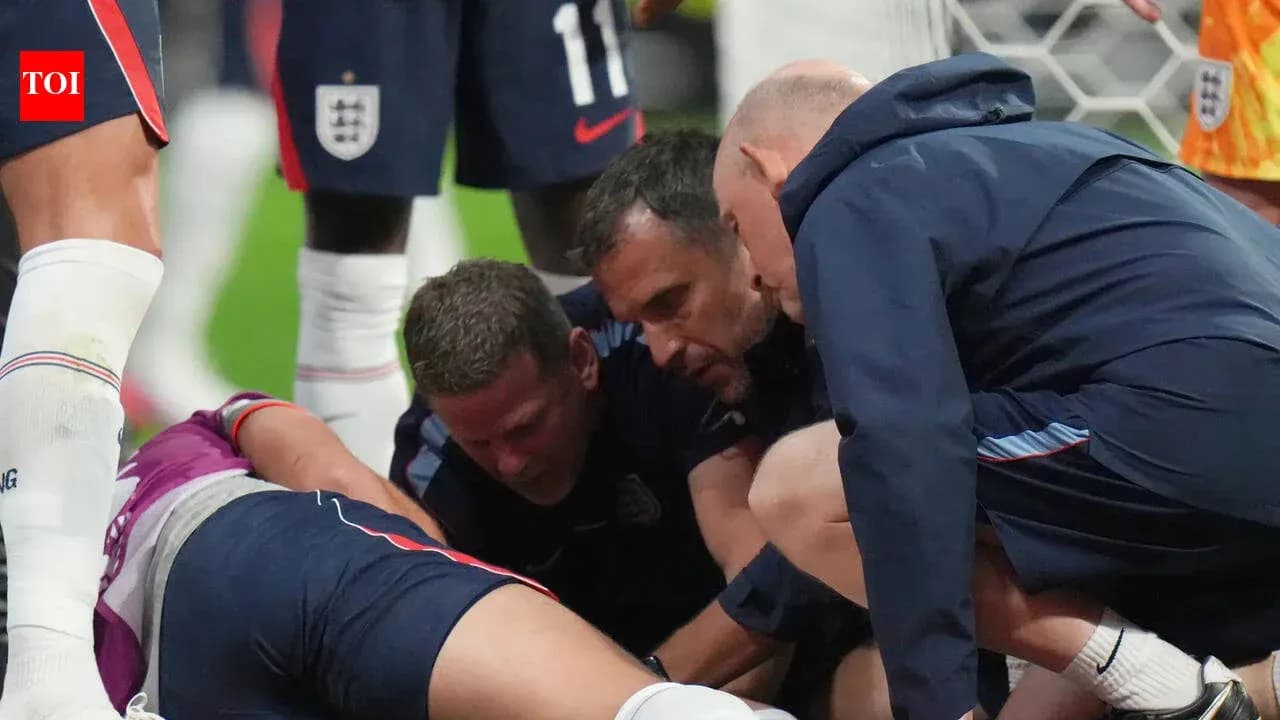
France had already paid a physical price for that last‑16 clash; it was a match littered with fouls and flashpoints. Now, in the days after, the fallout has shifted from tackles to principles.
A captain beyond the pitch
Mbappé’s evolution from prodigy to leader has played out in front of the world. This time, his most important contribution came not from a sprint in behind or a feint on the edge of the box, but from a written statement that drew a clear line.
He defended his identity. He defended his teammates. He defended the very players whose elimination had unleashed the attack on him.
In doing so, he dragged a moment of ugliness into the light and forced institutions on both sides of the Atlantic to respond. The FFF, the French presidency, the Paraguayan government, the Paraguayan Congress – all now tied to an incident that began with one racist post and a refusal to stay silent.
France move on to a World Cup quarter-final with their captain under even brighter scrutiny, not just as a match-winner, but as a figurehead in a fight that stretches far beyond 90 minutes.