.svg&w=384&q=75 "naujapitch logo")
Japan and Sweden Draw in Thrilling Match: Key Moments
Japan and Sweden spent 45 minutes feeling each other out. Passes went sideways, attacks broke down, and the game drifted. Then the second half blew it wide open.
Japan struck first on 56 minutes, slicing through with the kind of sharp, one-touch move they rehearse endlessly. Daizen Maeda arrived to finish it off, a crisp, clinical end to a sweeping attack that finally pierced Sweden’s resistance.
The lead barely had time to settle.
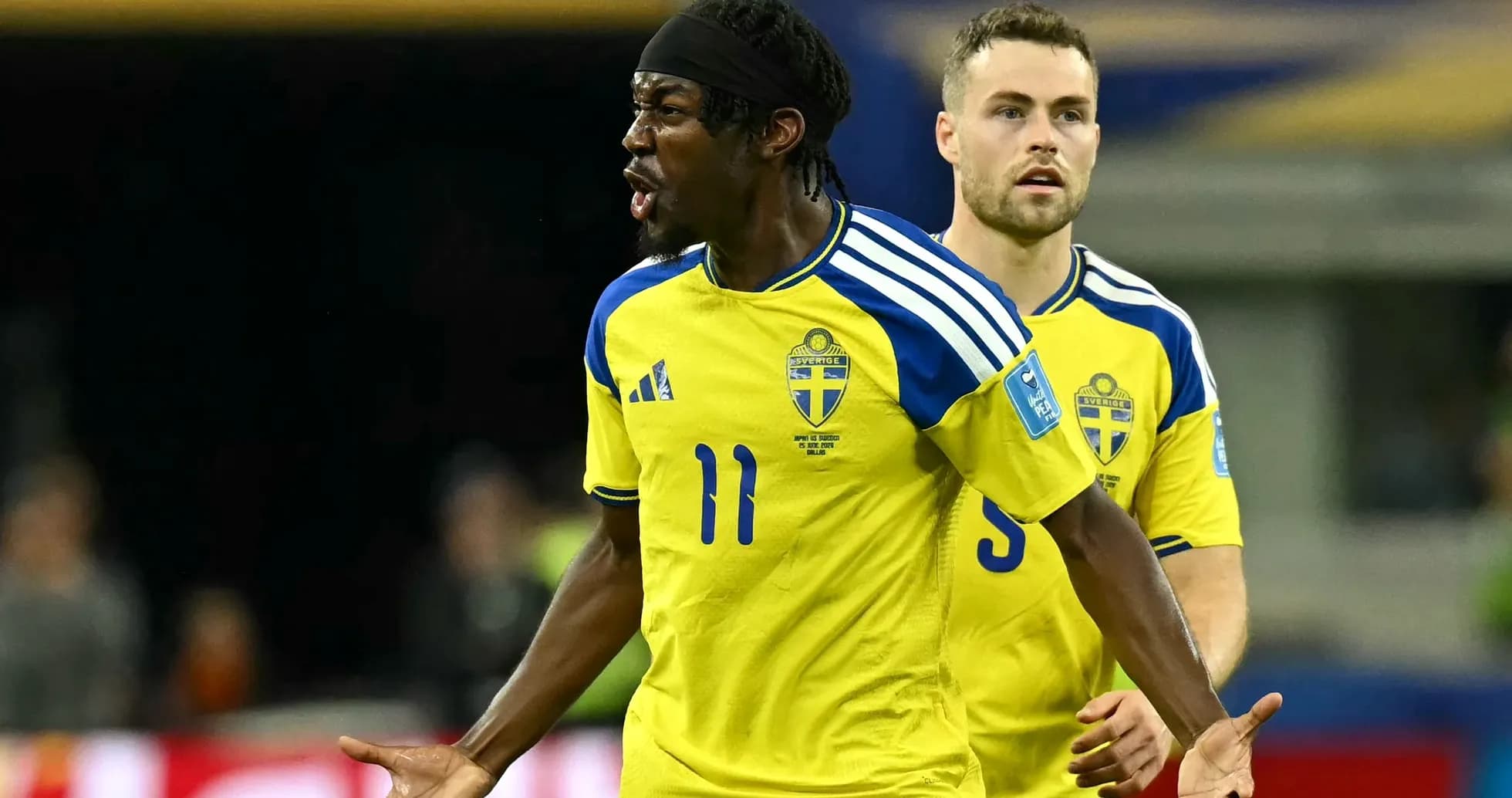
Anthony Elanga, pushed into the starting XI for this decisive Group F clash, dragged Sweden straight back into it. Picking the ball up on the right, the Newcastle United winger drove infield, opened his body and, on his weaker left foot, whipped a stunning strike into the far corner. One swing, one moment of pure quality, and Sweden were level.
It was Elanga’s second goal of the tournament. More importantly, it was the goal that ultimately banked the point Sweden needed to slip through as one of the best third-placed sides. The margins were thin. The nerves were anything but.
The closing stages turned frantic. Japan probed. Sweden countered. Every clearance felt loaded with consequence. Then came the moment that almost turned relief into delirium.
Alexander Isak rose late on and met a cross with a thumping header. The Liverpool forward watched it crash against the crossbar and bounce away, hands on head, disbelief etched across his face. A few inches lower and Sweden would have snatched the win and rewritten the story of the night.
Instead, they had to ride it out.
While the Swedish bench frantically did the maths, tracking permutations and live tables, Elanga had no interest in calculators or caution. His mind stayed locked on one thing: attack.
"I was just screaming: 'Come on, we can go for more'. I’m glad we’re through, I didn’t know that at the end," he admitted afterwards. The former Manchester United man was so intent on chasing a winner that he simply tuned out the sideline instructions.
The 24-year-old revealed that veteran coach Sebastian Larsson and members of the backroom staff were trying to yell the situation at him as the clock wound down. "I think they were trying to scream to me," Elanga said. "I obviously wanted to keep running. I got cramp at the end but didn't want to stop running. I'm happy and the whole team is too."
Isak could only shake his head when he learned how oblivious his teammate had been, confessing he gave Elanga "a bit of a telling-off" once the dust settled. "He was a little frustrated towards the end of the match, and you can understand why now," the striker sighed.
Graham Potter took it in good humour. The Sweden manager, who had already rolled the dice with his team selection, laughed off the chaos. "That explains a few things. We couldn't have been clearer... Bless him! But I love him," he joked, a smile cutting through the tension of a high-stakes night.
Captain Victor Lindelof joined in, teasing Elanga for missing the pre-match briefing on all the possible outcomes. "He can't have been awake enough," the defender quipped.
Behind the jokes sat a series of bold calls from Potter that changed the tone of Sweden’s campaign. He shuffled his pack for this game, restoring Elanga to the starting lineup and handing Jacob Widell Zetterstrom the gloves for a fixture that could have ended their tournament.
Potter’s faith in his squad depth was rewarded. Sweden, battered by a heavy defeat to the Netherlands earlier in the group, showed more control, more resilience, and a sharper edge in both boxes.
"We analysed the game against the Netherlands. We had to defend the box and wide areas better [today]," Potter said. "We decided to use Jacob's attributes because I think he's a fantastic goalkeeper. His distribution was very impressive. Anthony comes in and offers a counter-attack threat and his pace is destabilising for the opponent."
The table now tells a more forgiving story. Sweden finish third in Group F, tucked in behind the Netherlands and Japan, but still very much alive. That position carries a twist of fortune: they dodge a direct collision course with Brazil, who instead will meet Japan.
The reprieve is relative. The path ahead is still steep.
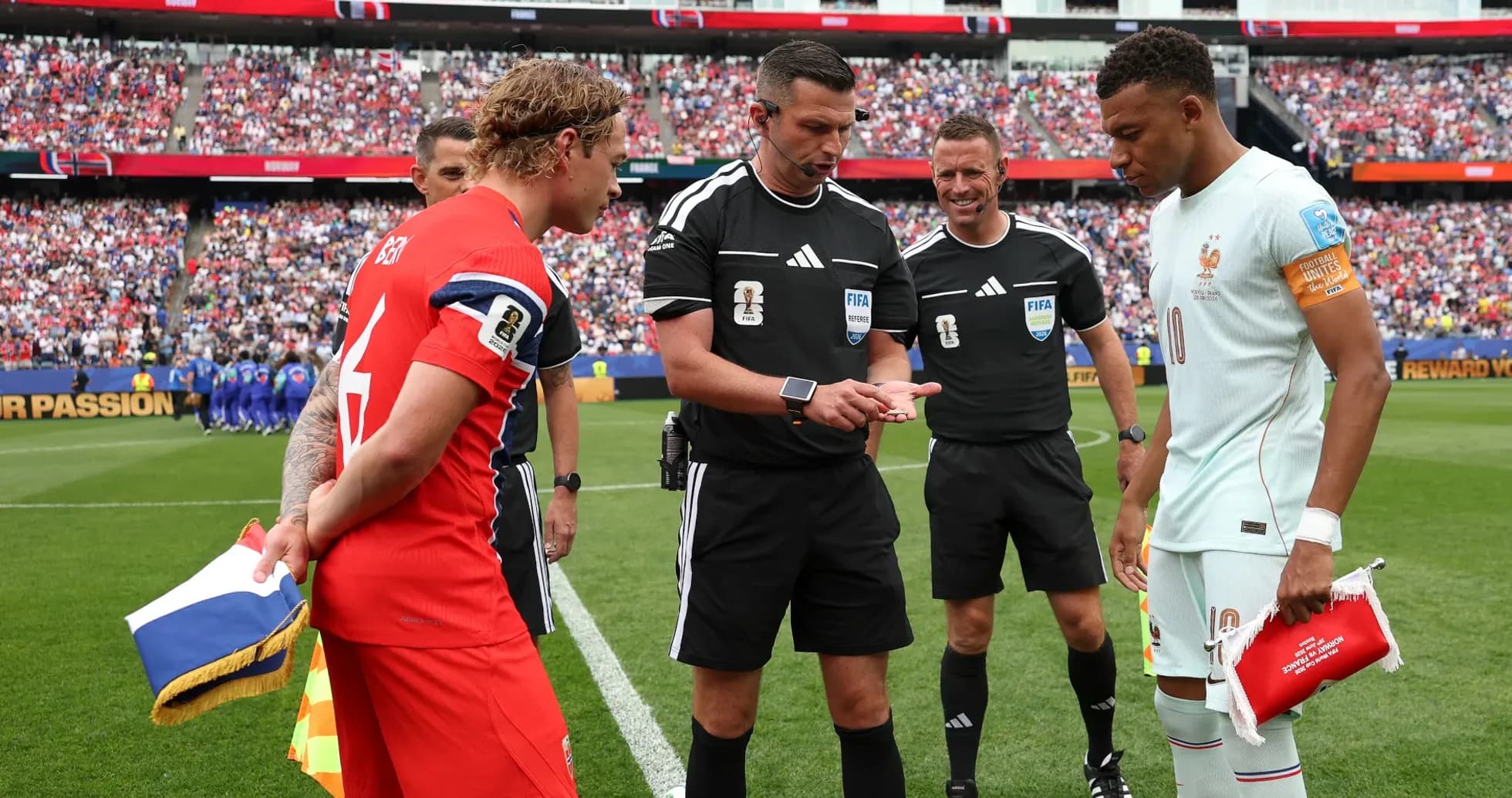
Sweden are likely to face the winner of Group I in a last-16 tie pencilled in for June 30, with the outcome of France’s clash with Norway set to decide that particular obstacle. Germany, already winners of Group E, also lurk as a possible opponent.
Elanga, though, showed no hint of trepidation when asked about the next step. "Both are good teams. It will be a challenge. All teams are good, but we are ready for what comes," he insisted, his words carrying the same directness as his football.
Three games, four points, a neutral goal difference, and a sense that the Blue and Yellow have finally steadied themselves. They are not spectacular yet. They are not flawless. But they are still standing, still running, and still chasing more — just as Elanga did, long after everyone else had started counting.