.svg&w=384&q=75 "naujapitch logo")
Japan vs Brazil: A Showdown of Belief and Resolve
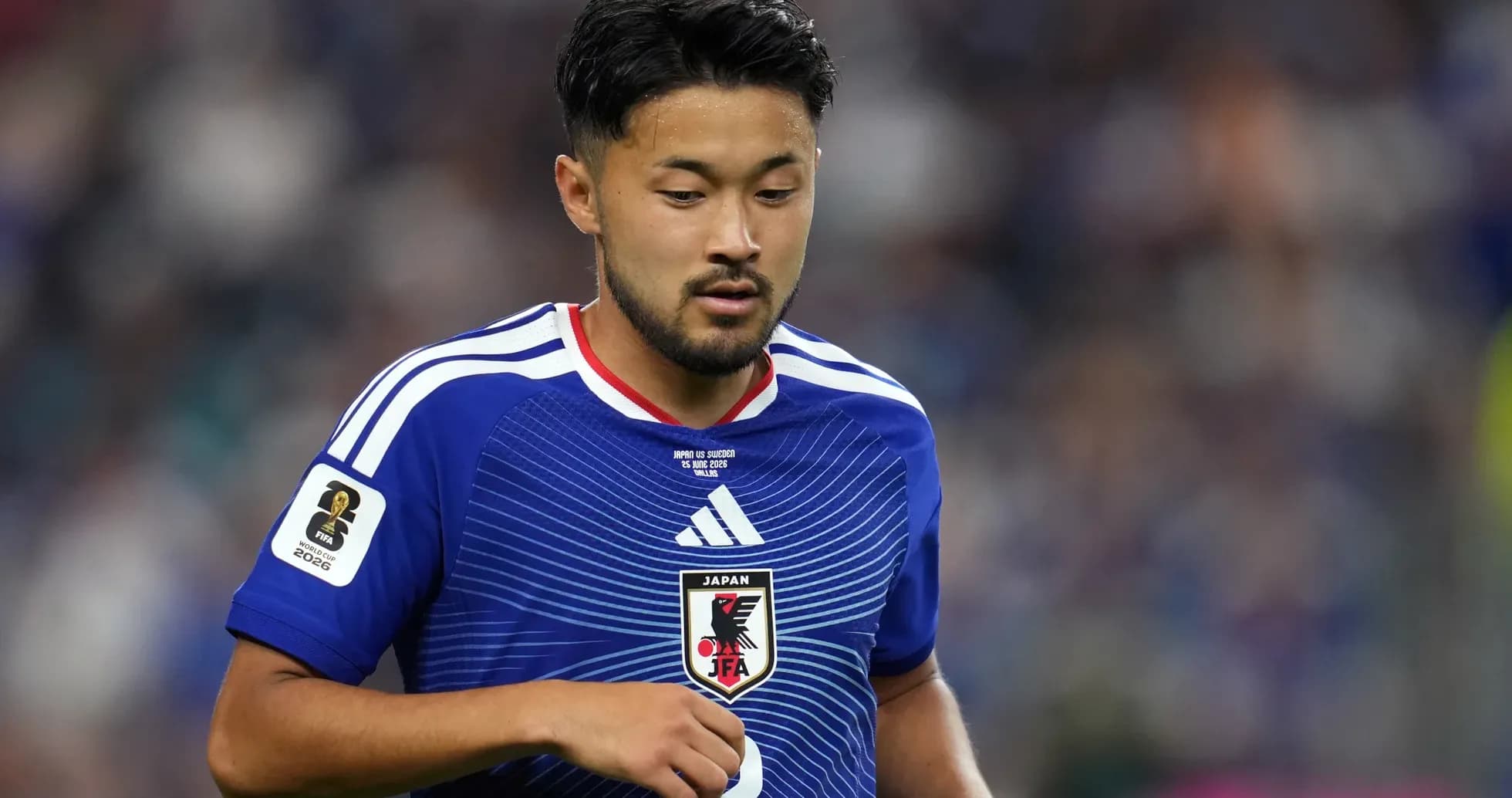
Japan walked out of Arlington with their nerves frayed and their ambitions sharpened. A 1-1 draw with Sweden at the home of the Dallas Cowboys was enough to push Hajime Moriyasu’s side into the last 32 of the World Cup. Now comes the jump from test to trial by fire: Brazil in Houston on Monday.
One win, two draws, second place in Group F behind the Netherlands. On paper, a solid, controlled group campaign. On the pitch, it has felt more precarious, more human. Against Sweden, Japan led, wobbled and then clung on. It was not a performance to intimidate Brazil. It was one to harden Japan’s resolve.
“There is no bigger stage,” defender Yukinari Sugawara said in the bowels of the stadium after that tense stalemate. He wasn’t exaggerating. Five-time world champions. Vinicius Junior up front. Carlo Ancelotti in the dugout. The sport’s aristocracy, waiting in Texas.
Sugawara knows exactly what that means. “We need to give 120 per cent against Brazil, and to do that we need to be together as one as a team and a country, and prepare with everything we've got,” he said.
This is where the polite talk about “experience” stops. Knockout football is blunt. From here, one bad half can undo four years of planning.
From Dallas tension to Houston cauldron
Japan’s route to Houston almost unravelled in a few frantic second-half minutes. Daizen Maeda struck first, his goal nudging Japan towards the top of the group and briefly easing the tension. The relief did not last.
Anthony Elanga hit back quickly for Sweden, his shot slipping past Zion Suzuki in a moment the goalkeeper will replay in his head long after this tournament ends. Suzuki “might have done better with” it, as the understated verdict went, but there was no hiding from the truth: Japan were suddenly hanging on.
They did hang on. By the final whistle, the group table said progress, but the performance screamed warning. Shogo Taniguchi, the veteran defender, cut straight to the reality of knockout football.
“From here on, if we lose it's all over. We need to move into a higher gear for the next game,” he said.
A higher gear, and then some. Brazil arrive in North America not just as favourites in this tie, but as a permanent measuring stick for every ambitious nation. Their record – five World Cups – is the kind of history that can suffocate opponents before a ball is kicked.
Japan refuse to bow to the script.
Dark horses with a recent bite
This is not a starstruck group. They have already beaten England at Wembley in the build-up to this World Cup, a result that still carries weight in the dressing room. They have also done something more specific, more relevant: they beat Brazil 3-2 in a friendly at home in October.
That match will not hand them a head start in Houston, but it has lodged itself in both camps’ memory.
Japan are widely tagged as dark horses in this tournament, the kind of side no favourite wants to see in a one-off game. Technically sharp, tactically disciplined, emotionally resilient. Yet Moriyasu knows that October’s win comes with a price.
“Perhaps because of that match, they will be motivated even more,” the coach warned.
That is the trade-off with making a statement against giants: you gain belief, but you also stoke their pride. Brazil will not treat Japan lightly. They cannot afford to.
“We can definitely win”
For Suzuki, the Sweden scare has not shaken his conviction. If anything, it has sharpened it. He has seen this team topple England, he has felt the surge of confidence that comes from proving they can live with the elite.
“We know that they're a strong team but if we do things right, we can definitely win,” he said of the Brazilians. “I want to approach this game as if it’s the final.”
That mindset will be crucial. Japan cannot drift into this tie hoping to survive. They must attack it as if there is no tomorrow, because there isn’t. Not for the loser.
Moriyasu’s squad carries the scars and the lessons of previous tournaments, where brave performances did not always bring the desired reward. This time, they arrive in the knockouts with a blend of experience and momentum, but also a clear understanding of the scale of the task.
Brazil have the names, the medals, the weight of expectation. Japan have a plan, a recent win over the same opponents, and a group of players openly embracing the enormity of the occasion.
“There is no bigger stage,” Sugawara said.
He’s right. Now Japan must decide what they are on it for: to play their part in Brazil’s story, or to tear it up.