.svg&w=384&q=75 "naujapitch logo")
England's World Cup Journey: From Chaos to Control
England head into their final group game with the job virtually done, but Thomas Tuchel’s mood is anything but relaxed.
Qualification for the World Cup knockout phase is all but secured before a ball is kicked against Panama. The route there, though, has already taken England through the full emotional range.
From the shambles to the swagger, and back again.
From chaos to control – then a jolt
The tournament began with that familiar English cocktail: defensive lapses, raised voices, furrowed brows. Croatia picked holes in a shaky back line, and frustration spread quickly from the dugout to the stands.
Then came the response.
England’s second-half performance in that game was the kind of 45 minutes that lingers. Aggressive, slick, ruthless. It felt like a statement not just for this World Cup, but for the Tuchel era itself. The kind of spell that makes you think this team could go deep.
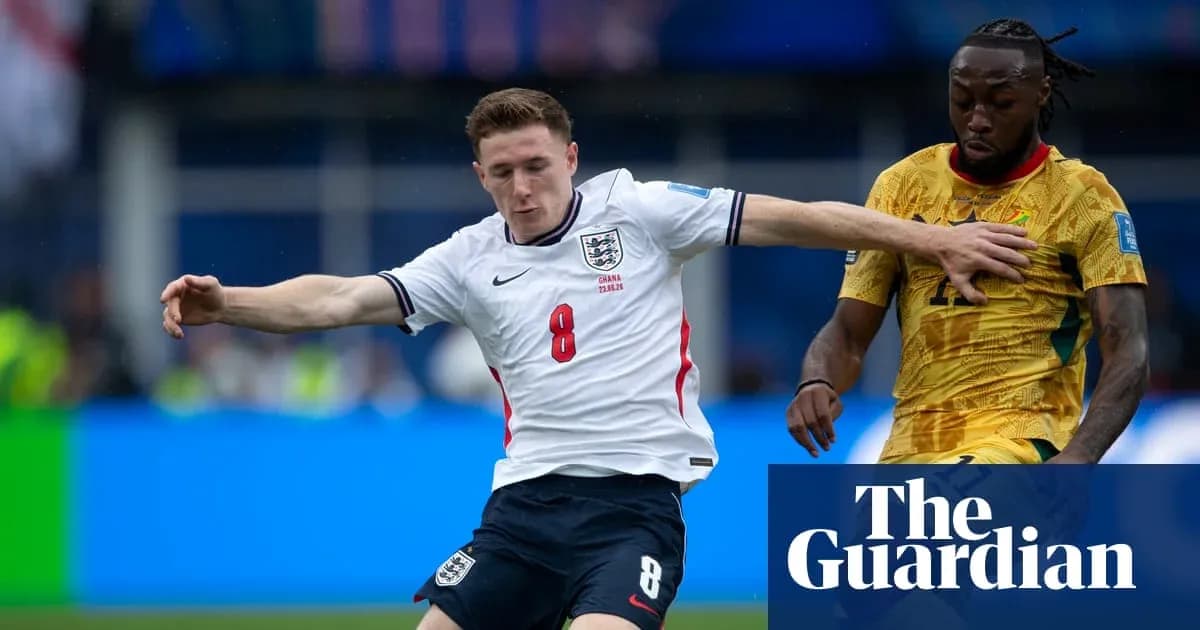
Any sense of momentum, though, stalled against Ghana. The goalless draw was flat, laboured, and oddly lifeless. After the high of Croatia, it landed like a thud. The mood dipped.
Even so, England remain in control of the group. Beat Panama on Sunday morning and top spot is theirs. On paper, it’s the ideal fixture to wash away that Ghana hangover.
On the treatment table, the picture is far less reassuring.
James worry overshadows Panama build-up
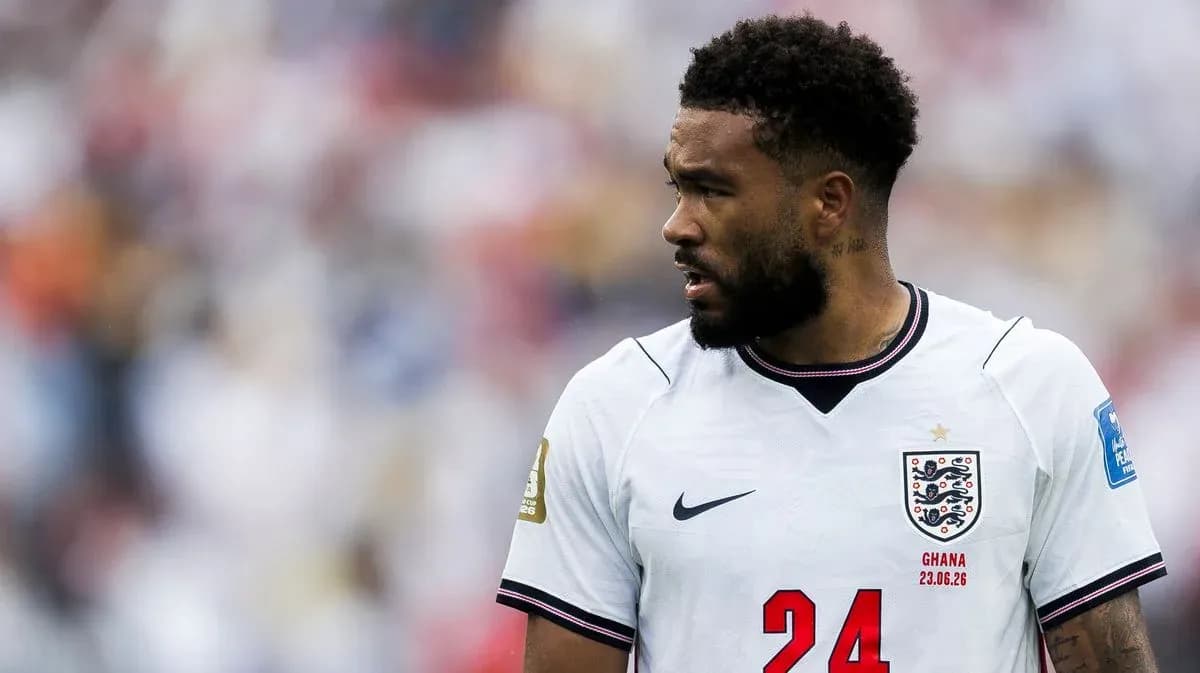
Reece James has become the latest and most serious concern. England’s chief outlet on the right flank is now a “massive injury worry”, with expectations that he will miss the Panama game and doubts lingering over his involvement in the knockouts.
James sat out the final training session in Kansas City with a hamstring issue before the squad flew to New Jersey. The FA framed it as the 26-year-old following his own programme, but there is no fixed return date. For a player who missed a large chunk of last season with a similar problem, that silence is ominous.
Tuchel’s headache is compounded by the timing. Tino Livramento, the obvious understudy at right-back, was lost on the eve of the tournament. The one position England could least afford another setback has become the one creaking most loudly.
With respect to Panama, there are tougher assignments to miss. If James had to be managed, this is the fixture you’d circle. But the worry isn’t Sunday. It’s what comes next.
This is a new, expanded World Cup spread across a vast host nation. The physical load is brutal. England haven’t even reached the knockout phase and already Tuchel is taping together key parts of his side.
Saka, Rice and the Arsenal toll
James is not alone on the list.
Bukayo Saka arrived in camp nursing an Achilles problem. He has been limited to cameos off the bench, straining at the leash but not yet trusted to start. Noni Madueke brought flashes against Croatia, but he doesn’t replicate Saka’s relentless threat or his understanding with Harry Kane and Jude Bellingham. England have missed their Arsenal talisman.
Declan Rice, meanwhile, was seen struggling towards the end of the Ghana game, a dressing wrapped around his calf. He also missed training on Thursday, with reports suggesting he has been managing issues for months.
Both Saka and Rice come off a punishing domestic season at Arsenal, one that ended in history: a first Premier League title in over 20 years. That triumph came at a cost. The mileage is now being felt in England colours.
Rice’s problem is said not to be serious. Saka is pushing hard to start against Panama. But every tweak, every missed session, chips away at Tuchel’s ideal plan.
Right-back roulette
In James’ case, Tuchel might have chosen to rest him anyway on Sunday. England’s best all-round right-back has endured a stop-start few years at Chelsea, his body repeatedly tested and too often found wanting. Panama, with all due respect, is not a heavyweight clash.
The real trouble arrives if this absence stretches beyond one game.
Without James and without Livramento, Tuchel’s options are makeshift. Ezri Konsa or Jarell Quansah are the candidates to step in, with Konsa expected to shuffle across from centre-back against Panama. Both are accomplished defenders. Both are also centre-backs by trade.
They do not offer what James does on the overlap. They do not carry the same attacking menace as Livramento. As short-term cover, they are serviceable. As longer-term right-backs in a side that relies heavily on width from its full-backs, they look like square pegs waiting to be forced into a round hole.
The selection calls made before the tournament now come back into focus. Trent Alexander-Arnold, the most natural like-for-like attacking right-back, was overlooked. Djed Spence can operate on the right, but has increasingly preferred the left despite being naturally right-footed.
Strip away James and Livramento, and England are suddenly staring at a World Cup knockout campaign without a single orthodox right-back in their best XI.
If James starts most games, the noise dies down. If he doesn’t, the questions for Tuchel will be loud and justified. He gambled by not bringing another specialist in that role. The bill may yet arrive at the sharp end of this tournament.
A gentle fixture, a harsh reality
For now, the likely XI against Panama still looks strong: Jordan Pickford behind a back four of Konsa, John Stones, Marc Guehi and Liam O’Reilly; Adam Wharton Anderson and Kobbie Mainoo in midfield; Saka, Bellingham and Marcus Rashford supporting Kane.
On paper, that should be more than enough to finish the job, secure top spot and ease England into the knockouts.
The real story, though, lies just beyond Panama. Can Tuchel nurse James back and keep Saka and Rice sharp without breaking them? Or will this World Cup, like so many before it, be shaped not by tactics or talent, but by the players England don’t have on the pitch when it matters most?