.svg&w=384&q=75 "naujapitch logo")
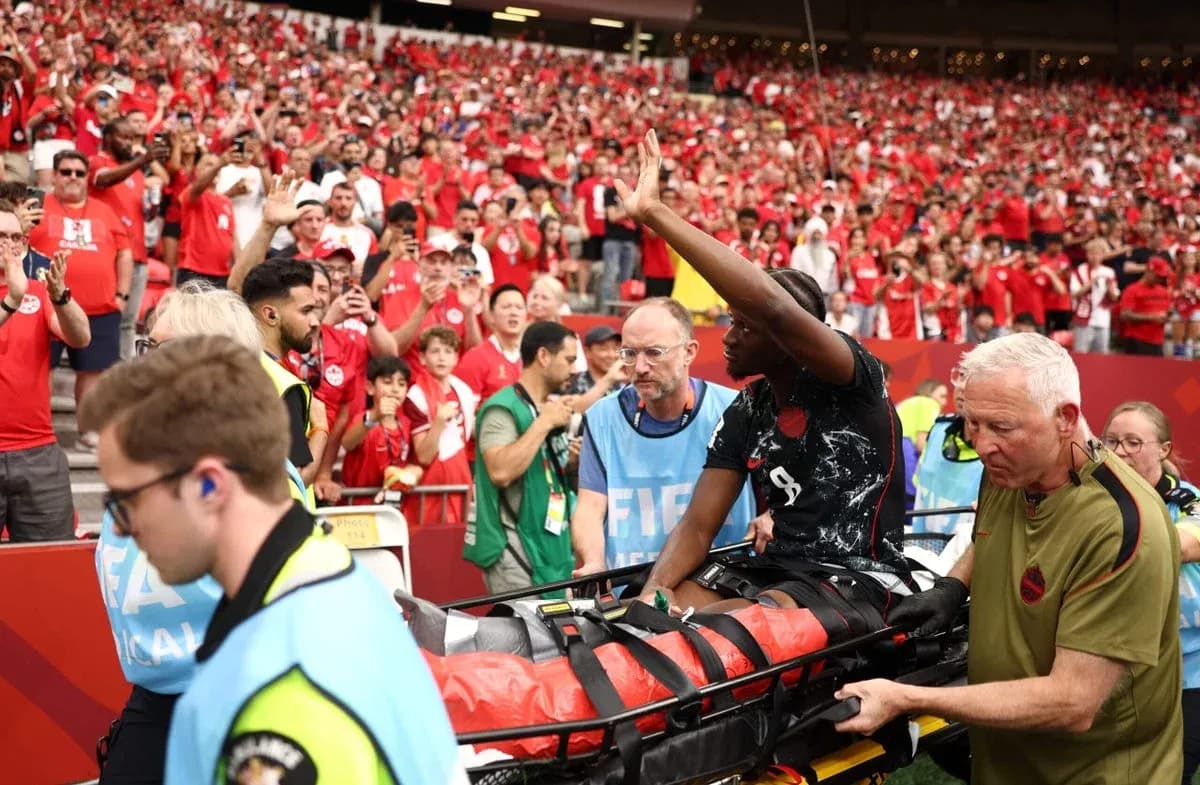
Ismaël Koné's World Cup Dream Cut Short by Injury
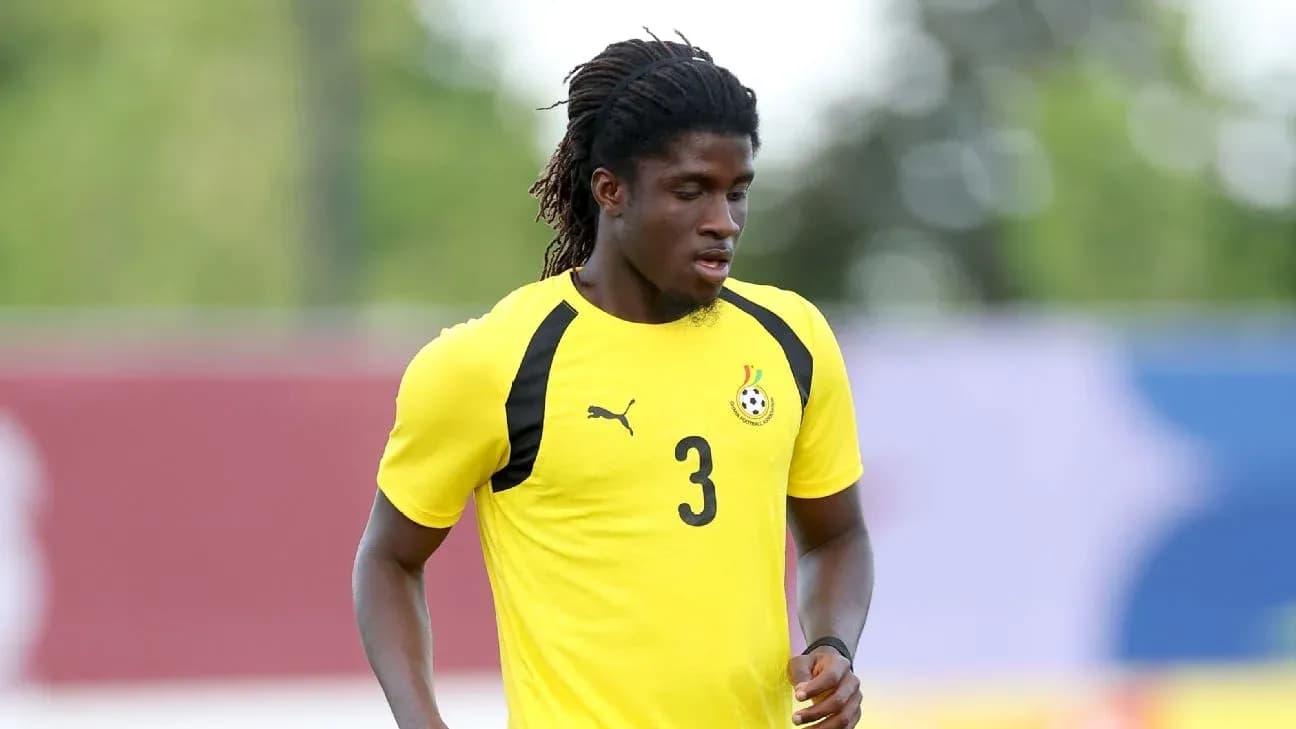
Ismaël Koné’s World Cup dream is over. The damage, brutally clear the moment it happened, has now been confirmed in cold medical language: a lower limb fracture, surgery, and a tournament cut short just as Canada were beginning to write their own history.
The 24-year-old midfielder underwent successful surgery on his left leg after the injury he suffered in Canada’s 6-0 demolition of Qatar at BC Place in Vancouver. Canada Soccer announced on Friday that Koné is expected to make a full recovery, but he will miss the rest of the 2026 World Cup.
For a player who had started both of Canada’s group games and looked central to Jesse Marsch’s plans, it is a devastating twist.
A brutal moment in a landmark win
The incident came in the 51st minute of a night that had, until then, belonged entirely to Canada. Already 3-0 up, already cruising, already a man to the good after Homam Al-Amin’s 33rd-minute red card for denying Tajon Buchanan an obvious goalscoring opportunity, Canada were in control and in full voice.
Then it snapped.
Koné took a pass near the touchline, just in front of the Canada bench, and began to turn away from pressure. Qatar midfielder Assim Madibo arrived late from behind, catching Koné’s lower left leg. The contact, the angle, the sound — it was immediately clear this was different.
“You could hear the bone snap,” Marsch said after the game. The reaction on the pitch told its own story. Koné collapsed, clutching his leg. Medical staff sprinted on. Richie Laryea went straight for Madibo, tempers flared, and a once-routine group-stage procession suddenly had a grim edge.
Madibo was initially shown a yellow card, but after a VAR review, the referee upgraded it to red. Qatar, already overwhelmed, were reduced to nine players. The scoreline would swell, but the mood never quite recovered.
Surgery, shock and resolve
By Thursday night, Koné was in hospital. By the time Marsch saw him, the midfielder was already being prepared for surgery.
“By the time we got to him, he’d already had some drugs to help sedate him a little bit,” Marsch said at a news conference after Canada Soccer’s update. “He was being prepared to go into the operation room. But he was in really good spirits and he was adamant that he’s going to be fine.”
The operation, which involved three surgeons and lasted about an hour and a half, was described by both Canada Soccer and his club Sassuolo as a complete success.
“The operation to repair the fracture in his left leg was a complete success. The player will begin his rehabilitation programme in the coming days,” Sassuolo said in a statement. “The whole club sends Ismaël their best wishes for a speedy recovery.”
Marsch detailed how quickly the medical response came together, noting that the surgeons had seen the incident on television and moved rapidly.
“I could see by meeting them and hearing what they had to say about the situation that he was in really good hands,” Marsch said. “So the surgery they said went really well.”
For all the anger in the immediate aftermath, Marsch stopped short of blaming Madibo for intent.
“I don’t think he meant such a gruesome situation,” the Canada coach said. “I don’t fault him for that.”
A team rallies, but a void opens
On the pitch, Canada had to regroup in real time. Nathan Saliba came on to replace Koné and, about 10 minutes later, slammed in the fourth goal. His celebration cut through the noise: Saliba held Koné’s No 8 shirt above his head, a simple, raw tribute to a friend and teammate suddenly ripped out of the tournament.
Saliba is more than just the next man up. He and Koné are close, and Marsch will now lean on that connection and that profile to fill a gap that cannot truly be replicated.
Marsch cannot call up another outfield player because of World Cup regulations, which required any injury replacement to be made 24 hours before Canada’s opening match. The squad is locked. The adjustment has to come from within.
Saliba offers drive and quality from midfield, a directness that can echo some of what Koné brings. But Marsch has already admitted there is no like-for-like replacement for a player he says “can do things that no other player can do.”
That reality will reshape Canada’s midfield.
Tactical reshuffle without their game-breaker
The plan now is clear enough. Saliba will be the direct replacement in the XI, but the structure around him will shift.
Niko Sigur, often used at full-back for Canada, is expected to slide into central midfield more frequently to add creativity and balance in the middle of the pitch. His versatility becomes a key asset in a tournament that has suddenly become more demanding for Canada’s core group.
Koné’s absence strips Canada of a unique presence between the lines — his ability to glide past pressure, break lines with a touch or a pass, and drag opponents out of shape. Without him, Marsch’s side will need to share that responsibility, rather than waiting for one man to unlock the game.
The timing could hardly be more delicate. Canada face Switzerland on Wednesday, knowing that a draw will be enough to secure top spot in Group B. It is the kind of occasion Koné seemed born for: high stakes, high tempo, a chance to bend a match to his will.
Instead, he will watch it unfold from a hospital bed and then from the long, lonely corridors of rehabilitation.
Canada, riding the high of a 6-0 statement win, now have to prove they can navigate the rest of this World Cup without the midfielder who had quietly become their heartbeat.