.svg&w=384&q=75 "naujapitch logo")
Ismaël Koné's World Cup Dream Ends with Injury
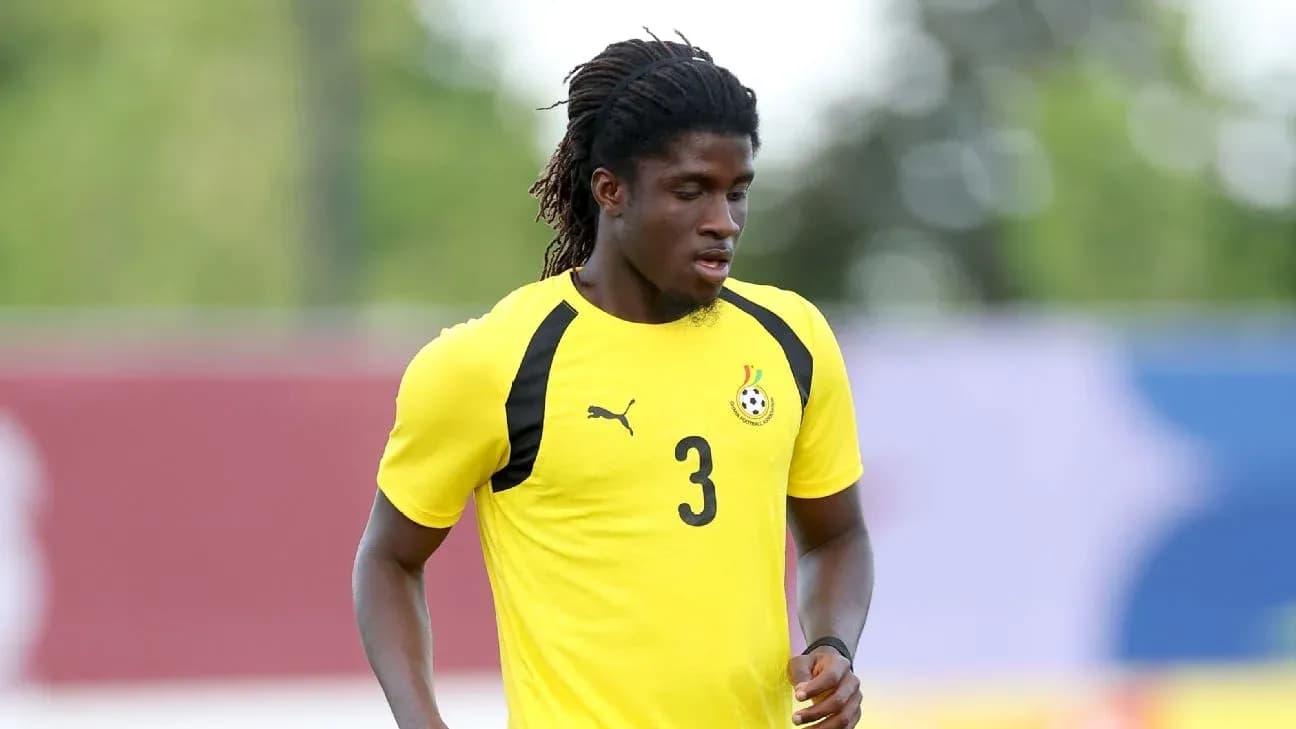
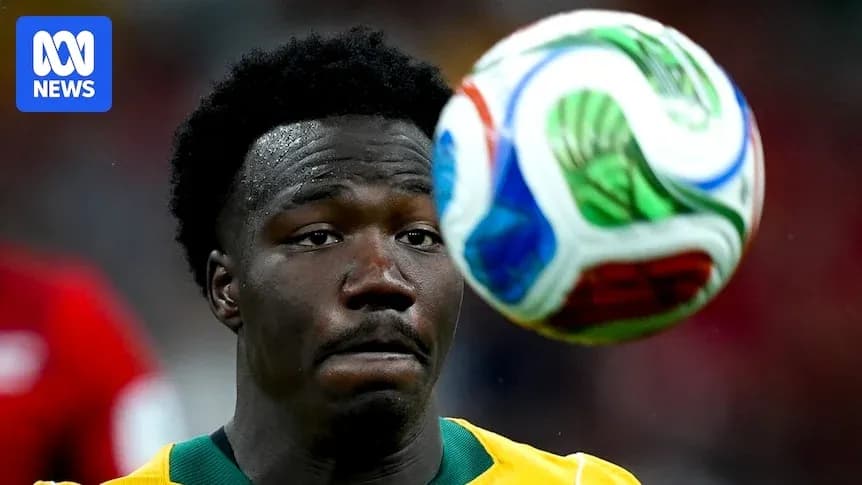
Ismaël Koné’s World Cup dream ended not with a roar, but with a crack that his head coach said he could hear from the touchline.
The Canada midfielder has undergone successful surgery on a “lower limb fracture” suffered during Thursday’s 6-0 demolition of Qatar in Vancouver, Canada Soccer confirmed on Friday. The federation expects him to make a full recovery, but his tournament is over.
Reports from Fabrizio Romano detailed the extent of the damage: fractures to both fibula and tibia, with a projected absence of four to five months. For a 24-year-old who had just begun to impose himself on the biggest stage, it is a brutal halt.
A tackle that changed the night
Early in the second half at BC Place, with Canada already cruising, the tone of the evening shifted in an instant.
Koné received the ball and was clipped from behind by Qatar’s Assim Madibo. The challenge, initially punished only as a foul, drew an immediate and furious response from Canada’s players and bench. Some Canadian players confronted their opponents, while head coach Jesse Marsch and his staff could be heard on the broadcast incredulous that the referee had not gone straight to his pocket.
The replay told its own story. The card was later upgraded to red.
On the pitch, the reaction was visceral. Madibo, realising the damage, put his hands over his head and waved them in the air in apology, a gesture that did nothing to soften the grim reality unfolding a few yards away.
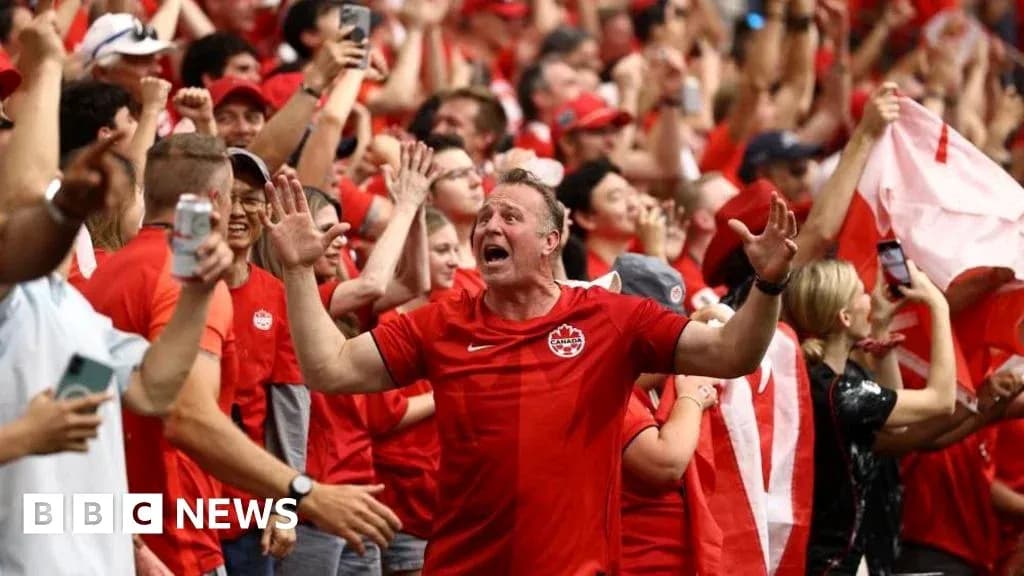
Trainers rushed on, placed an air cast on Koné’s left leg and, with the stadium suddenly subdued, he was wheeled away on a stretcher. As he left, the midfielder lifted his arm to acknowledge the fans in Vancouver, who chanted his name as a send-off on what should have been a celebration of Canada’s World Cup form.
Marsch, speaking after the match, said he could “hear the bone snap” from the sideline and confirmed Koné was taken to a local hospital for immediate surgery. The coach went straight there after completing his media duties.
Anger, then a tribute
The injury lit a fire under Canada.
The 6-0 scoreline suggests a procession; the emotions told a different story. Canada’s players, already dominant, played with a sharper edge after the restart, channeling their anger into a ruthless display that buried Qatar.
The most powerful moment came in the 64th minute. Nathan Saliba, having just made it 4-0, sprinted to the sideline and held aloft Koné’s No. 8 jersey. The message was unmistakable: this was now his team’s night for him.
For Marsch, the loss goes far beyond tactics or depth charts.
“Ismael is such a great kid, he’s imperfect but that is why we love him. He can do things that no other player can do. He embodies a lot of what this team is,” the Canada head coach said postgame. “He was our best player against Bosnia. He is a huge loss for us. Our hearts are with him, but that kid has a huge future.”
A rising pillar, suddenly sidelined
Koné’s rise has been one of the bright threads in Canada’s build-up to this World Cup.
At 6-foot-2 and 168 pounds, the Sassuolo midfielder offers a blend of presence and poise that has quickly made him central to Marsch’s plans. With 41 international caps and four goals already to his name at just 24, he arrived at this tournament not as a prospect, but as a pillar.
His performance in the 1-1 draw with Bosnia and Herzegovina in Toronto on June 12 drew particular praise, Marsch calling him Canada’s best player on the day. The Qatar match was meant to be another step in that trajectory. Instead, it became a turning point of a very different kind.
Now, Canada must navigate the rest of the group without him.
Canada’s path without its No. 8
The result against Qatar was emphatic: 6-0 at BC Place, a statement win layered with concern. Canada’s Group D campaign continues on June 24 against Switzerland, again in Vancouver, with the team sitting in a strong position after opening with that draw against Bosnia and Herzegovina and then dismantling Qatar.
The broader tournament rolls on. Group matches run through June 27, with the knockout rounds looming and the stakes rising by the day. For Canada, though, the internal storyline has shifted.
They have lost a midfielder who “embodies a lot of what this team is,” in Marsch’s words. They have also gained a rallying point.
Koné’s World Cup is over. Canada’s is not. How they respond to the absence of one of their most influential players will say plenty about where this team is headed—this month, and far beyond.