.svg&w=384&q=75 "naujapitch logo")
Iran's Road to World Cup 2026: Beiranvand, Taremi, and Azmoun's Void
World Cup 2026 is starting to take shape for Iran, and one thing already feels familiar: when Team Melli walk out in the USA, Mexico and Canada, the spine of the side is likely to be built around names the rest of the world already knows – with one glaring exception.
Beiranvand, from the streets to the biggest stage again
Barring injury or a dramatic late twist, Alireza Beiranvand will pull on the No. 1 shirt again. At 33, the Tractor goalkeeper is the clear favourite to start in goal, with more than 80 caps and a story that has long transcended sport.
He ran away from his nomad family as a boy, slept rough on the streets of Tehran, took whatever work he could find, and refused to let go of the idea of professional football. That journey eventually led him to the World Cup, to becoming Iran’s first-choice keeper, and to that moment in 2018 when he dived low to deny Cristiano Ronaldo from the spot – Portugal’s first ever penalty miss at a World Cup.
He is still the reference point. The leader of the back line.
Hossein Hosseini of Sepahan is pushing hard, but right now he looks set for the role of trusted deputy rather than usurper. Payam Niazmand at Persepolis and the younger Mohammad Khalifeh of Aluminium Arak FC will scrap for the third goalkeeping slot, hoping a strong domestic run can force their way onto the plane.
A midfield with craft, steel – and a rising talent
If Beiranvand is the anchor, the midfield is where Amir Ghalenoei can really shape this team’s identity.
Saman Ghoddos remains central to that plan. Now at Kalba, he gives Iran something precious at World Cup level: versatility, intelligence on the ball, and the courage to demand possession when games tighten and nerves fray. He will be asked to knit everything together again in 2026.
Alongside him, Saeid Ezatolahi is expected to reclaim his place after missing the March friendlies with a foot injury. The Shabab Al Ahli midfielder brings balance and bite, the kind of player managers trust when the opposition press high and tackles start to fly. If he’s fully fit for the summer, he walks into the XI.
Omid Noorafkan of Sepahan and Mohammad Ghorbani at Al Wahda give Ghalenoei experienced, reliable options in the engine room. They know the demands of international football, they know how to manage games, and they will be vital if injuries or suspensions hit.
Then there is the wildcard: Amir Razzaghinia. Still young, playing his club football with Esteghlal, he carries that label every World Cup squad secretly craves – “one to watch.” If he gets minutes, he has the talent to change the tempo of a match, to inject something different into a well-drilled structure.
Taremi, still the star turn
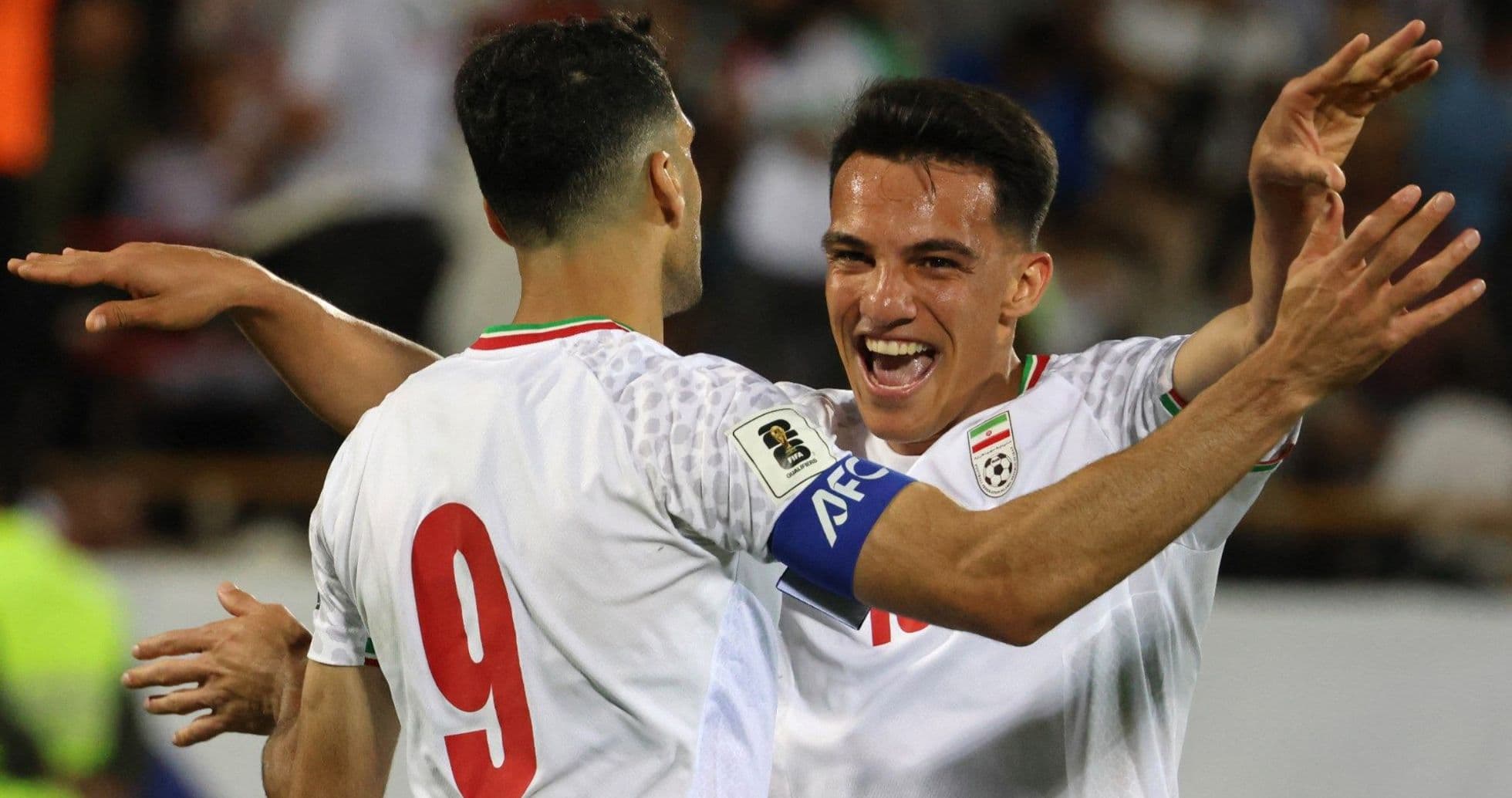
Up front, the headline act remains the same. Mehdi Taremi is still the face of this team.
At 33, the Olympiacos striker is set for his third World Cup. More than 100 caps, more than 50 international goals, and a scoring record that has followed him wherever he has played. He will arrive in North America off the back of another prolific campaign in Greece, and defenders will not need reminding what he can do on this stage.
He has already scored at a World Cup. Twice, in fact, against England in that wild 6–2 defeat at Qatar 2022. Give him service and he will punish teams. Star billing is not a burden for him; it’s a habit.
Around him, the supporting cast is deep and varied.
- Alireza Jahanbakhsh, now with FCV Dender EH after spells at Brighton and in the Eredivisie, offers width, work rate and a left foot that can still hurt opponents.
- Mehdi Ghayedi of Al-Nasr is another near-certainty for the squad, a lively presence who can break lines and draw fouls in dangerous areas.
From there, the options keep coming:
- Ehsan Mahroughi (Foolad)
- Ali Alipour (Persepolis)
- Shahriyar Moghanlou (Kalba)
- Hossein Abarghouei (Persepolis)
- Mohammad Mohebi (Rostov)
- Amirhossein Mahmoudi (Persepolis)
- Ali Gholizadeh (Ekstraklasa)
- Mehdi Torabi (Tractor)
- Amirhossein Hosseinzadeh (Tractor)
Each brings a slightly different profile, from penalty-box poachers to wide forwards who drift inside and shoot. Ghalenoei has choices. Real ones.
The Azmoun absence that changes everything
Yet one name hangs over all of this – because it is missing.
Sardar Azmoun, scorer of 57 goals in 91 internationals, was left out of March’s friendlies after reports alleging a perceived act of disloyalty to the government. On current evidence, Iran must prepare for a World Cup without him.
On the pitch, the loss is enormous. Azmoun’s numbers speak for themselves, but it’s more than that. His movement, his understanding with Taremi, the way he drags defenders into places they do not want to go – these are weapons that have defined Iran’s attack for years.
Ghalenoei has moved quickly to test alternatives. Dennis Eckert, the Standard Liege forward with Iranian ancestry, has been called up in Azmoun’s place for those March fixtures. This is his window. A chance to convince the manager he belongs in a World Cup squad, and perhaps to write a new chapter in Team Melli’s attacking story.
How Ghalenoei’s Iran might line up
Strip it all back and a clear shape emerges.
Iran are expected to stick with a traditional back four at World Cup 2026. On the right, Salheh Hardani is a strong candidate, with Milad Mohammadi on the opposite flank. Shojae Khalilzadeh and Hossein Kanaanizadegan look the most likely central pairing, a blend of experience and aerial strength in front of Beiranvand.
In midfield, Ghalenoei could trust Ezatolahi and Ghoddos as a two-man base. That pairing would give Iran a solid platform, with Ezatolahi screening the defence and Ghoddos stepping forward to link with the attack.
Ahead of them, the three in support of Taremi almost pick themselves on current form:
- Alireza Jahanbakhsh cutting in from the right,
- Mehdi Ghayedi operating between the lines,
- Mohammad Mohebi attacking from the left.
Taremi leads the line as the lone striker, the focal point of every move.
On paper, it looks like this:
Beiranvand; Hardani, Khalilzadeh, Kanaanizadegan, Mohammadi; Ezatolahi, Ghoddos; Jahanbakhsh, Ghayedi, Mohebi; Taremi.
That XI carries experience, goals and a clear identity. What it does not have is Sardar Azmoun.
The question now is simple and brutal: can Iran turn that absence into an opportunity to evolve, or will it be the decision that defines their World Cup in 2026?