.svg&w=384&q=75 "naujapitch logo")
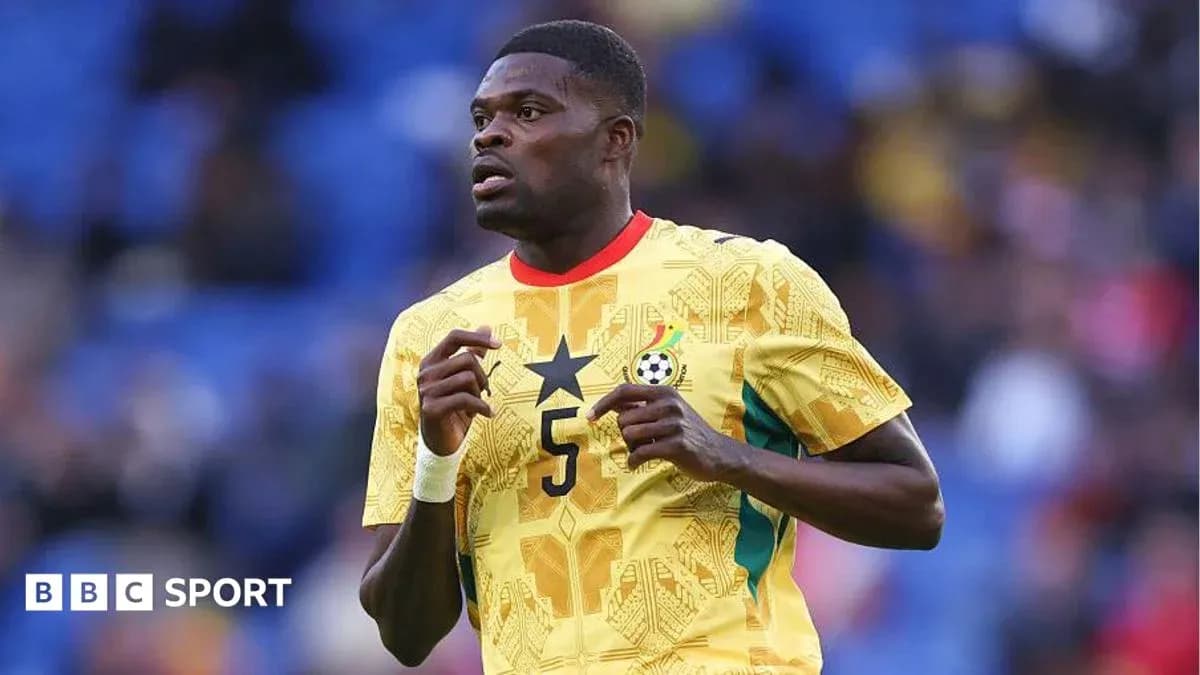
Ghana vs Canada: Thomas Partey World Cup Visa Block
Ghana’s preparations for the World Cup have been dragged from the training pitch into a courtroom in Ottawa, as the government fights Canada’s decision to bar Thomas Partey from entering the country.
The 33-year-old midfielder has been denied a visa and is set to miss Ghana’s World Cup opener against Panama in Toronto on Wednesday. For a player of his stature, that absence is seismic. For Ghana, it is now a diplomatic and legal battle as much as a footballing one.
At the heart of the dispute lie ongoing criminal proceedings in the UK. Partey has pleaded not guilty to seven charges of rape and one count of sexual assault, relating to allegations made by four women between 2020 and 2022. He is due to stand trial next year, a looming case that has followed him into every squad list and every border control check.
Canada’s immigration authorities refused his visa, a move Ghana’s government has branded “high-handed and extremely unfair”.
They have not left it there. Officials have filed for a review of the decision, with the case scheduled to be heard in court in Ottawa at 14:00 BST (09:00 eastern time).
The stakes are unusual. This is not a long-term relocation, a transfer, or a residency dispute. Ghana is asking for something narrow but symbolic: permission for Partey to enter Canada briefly so he can play in a single World Cup match. A few days’ stay, at most. One game that now sits at the junction of sport, law and international politics.
The government’s legal push does not stop with the immediate request. It has also asked the court to instruct Canadian immigration authorities to allow Partey to submit a fresh visa application, an attempt to reopen a door that has been slammed shut just as the tournament begins.
On the diplomatic front, Ghana is moving in parallel. Foreign minister Samuel Okudzeto Ablakwa has confirmed that the country is exploring state-to-state channels in an effort to secure a Canadian visa for the former Arsenal midfielder. Legal arguments in Ottawa on one side, quiet conversations in diplomatic corridors on the other.
Time, though, is the enemy. The opener against Panama is almost upon them, and it remains unclear how long the court proceedings will take. Coaches plan as if Partey will not be there. Lawyers argue as if every hour still matters.
Whatever the outcome in Ottawa, Ghana’s World Cup campaign now carries a very different kind of tension — one that will not be decided by tactics or form, but by a judge’s ruling and a government’s resolve.